 Pedro Domingues
Lisbon’s Most Beautiful Churches Are Must-See Landmarks on Any Portugal Itinerary
The crown jewel is undoubtedly the Jerónimos Monastery, but don’t miss other architectural treasures in the heart of the capital, such as the Lisbon Cathedral (Sé), the Basilica da Estrela, the National Pantheon, and the Church of São Vicente de Fora.
During my visit to Lisbon, I explored dozens of churches — and in this article, I’ll share a personal selection of 27!
I hope the photos I took will inspire you to visit them all! 😉
MORE ARTICLES FROM CENTRAL PORTUGAL:

- Things to do in Espinho
- Things to do in Ovar
- Things to do in Aveiro
- Aveiro to Costa Nova
- Best beaches in Aveiro

- Things to do in Mira beach
- Things to do in Coimbra
- Schist Villages in Portugal
- Things to do in Figueira da Foz

- Visit Monsanto in Portugal
- Historical Village of Piódão
- Historical Villages of Portugal

- Things to do in Leiria
- Visit Batalha Monastery and surroundings
- Visit Alcobaça Monastery and surroundings
- Things to do in Fátima
- Visit Mira de Aire Caves
- Things to do in Nazaré
- Things to do in Peniche
- Best beaches in Peniche
- Visit Berlenga Island

- Best beaches in Ericeira
- Visit Ursa Beach
- Best Beaches in Sintra
- Best Beaches in Cascais
- Things to do in Mafra and Ericeira
- Things to do in Sintra
- Parks and Palaces in Sintra
- Things to do in Cascais

- Best Costa da Caparica beaches
- Best beaches in Setúbal
- Best Beaches in Sesimbra
- Visit Ribeiro do Cavalo Beach
- Best beaches in Tróia, Comporta and Melides
- Things to do in Setúbal
Where to stay when visiting Lisbon?
If you haven’t booked your accommodation in Lisbon yet, now’s the perfect time to do it.
Below, you’ll find a variety of suggestions — but there are plenty more options on Booking.com.
Whenever possible, choose places that offer free cancellation, and always read reviews from past guests carefully to get a real sense of the experience.
| Accomodation | Score | Location |
|---|---|---|
| Castilho 63 Hostel & Suites | 7.5 | Marquês de Pombal |
| SANA Capitol Hotel | 8.6 | Marquês de Pombal |
| TURIM Marquês Hotel | 8.4 | Marquês de Pombal |
| Ibis Styles Lisboa | 8.6 | Marquês de Pombal |
| Lisbon Serviced Apartments | 8.7 | Marquês de Pombal |
| Alfama – Lisbon Lounge Suites | 8.6 | Alfama |
| Independente Príncipe Real | 8.5 | Principe Real |
| Rossio Hostel | 8.1 | Baixa de Lisboa |
| Browns Central Hotel | 9.0 | Baixa de Lisboa |
| Lisbon Rentals Chiado | 9.3 | Chiado |
Churches and Cathedrals in Lisbon | Top 27
Map | Churches and Cathedrals in Lisbon
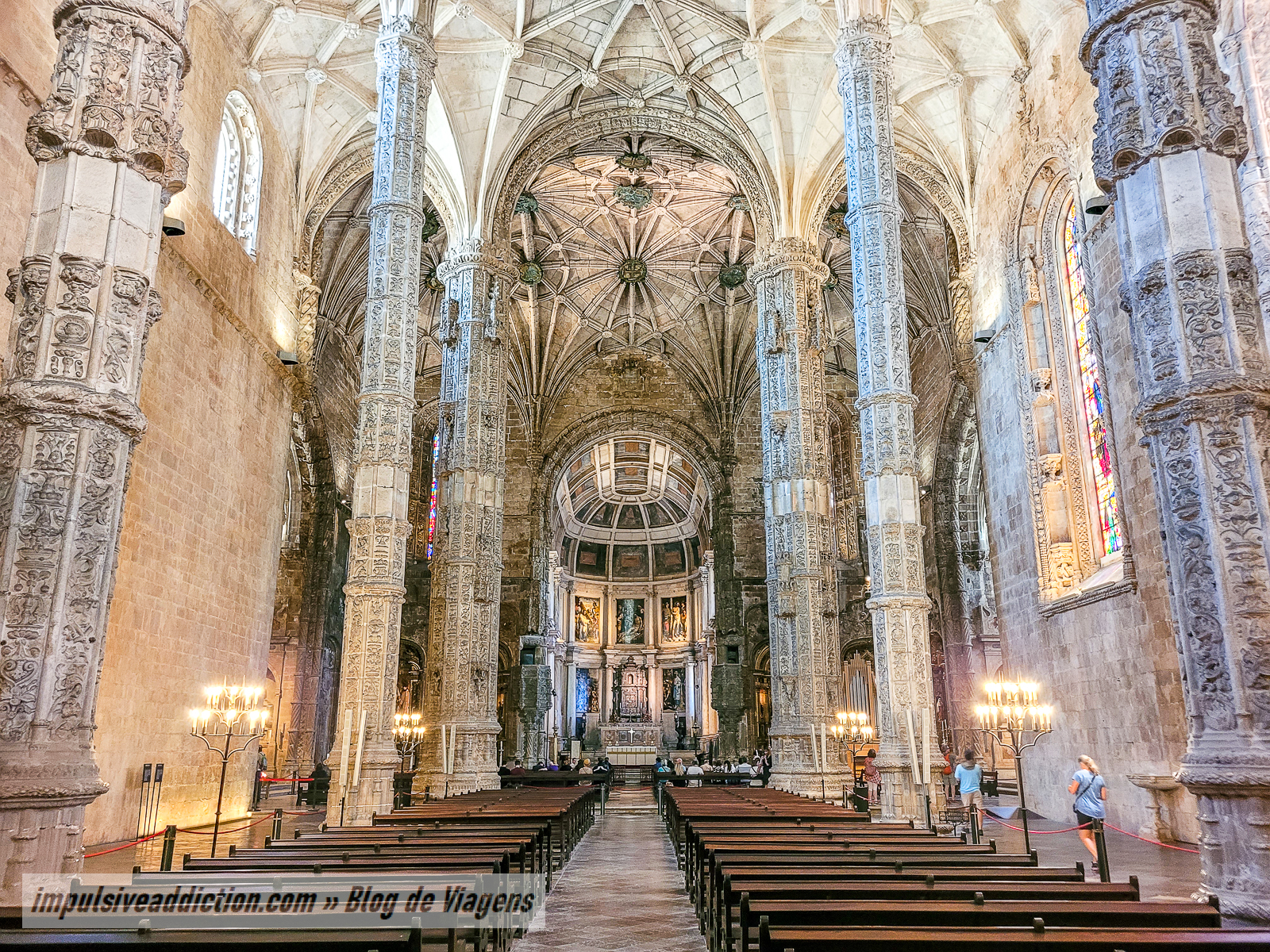
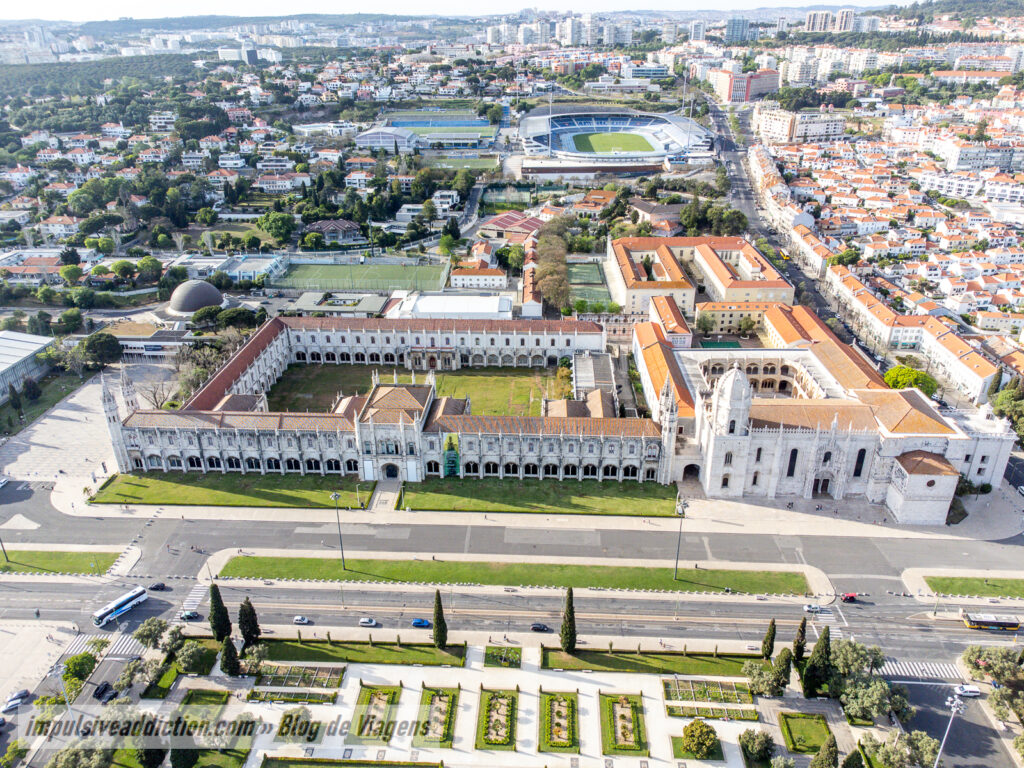
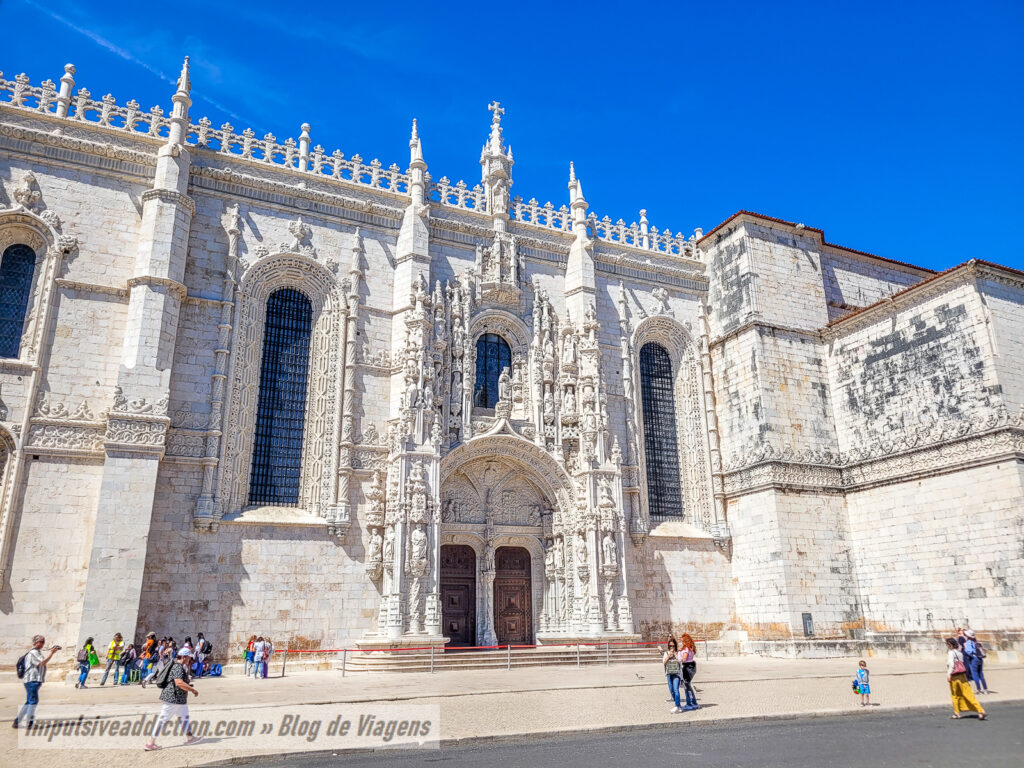
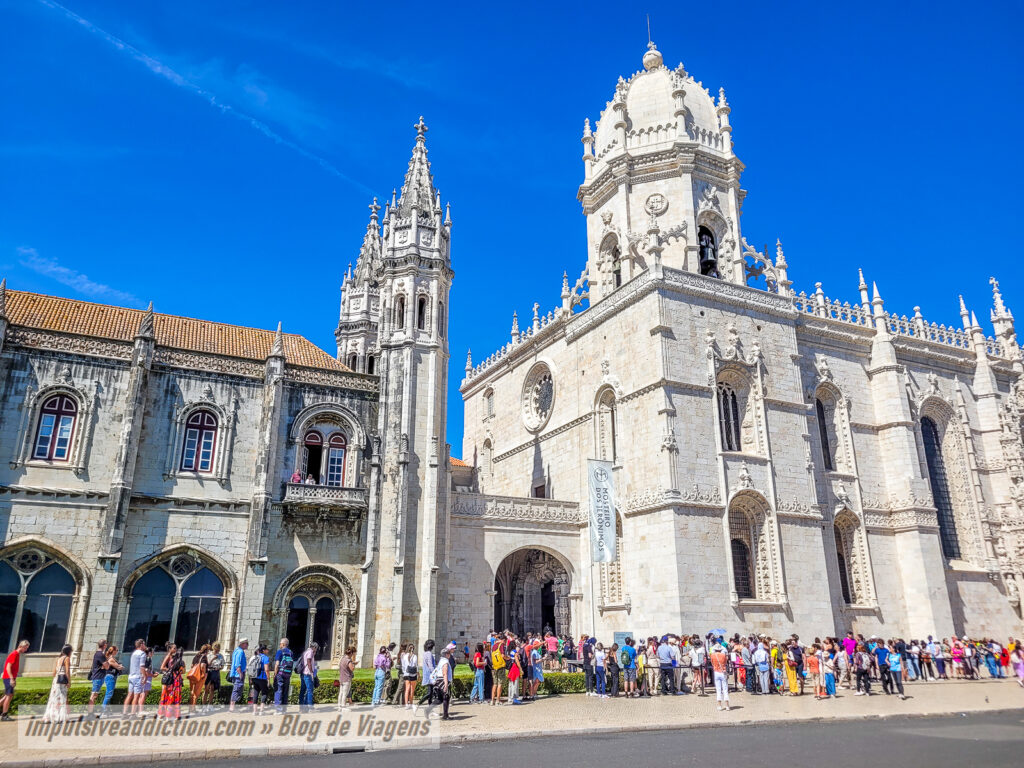
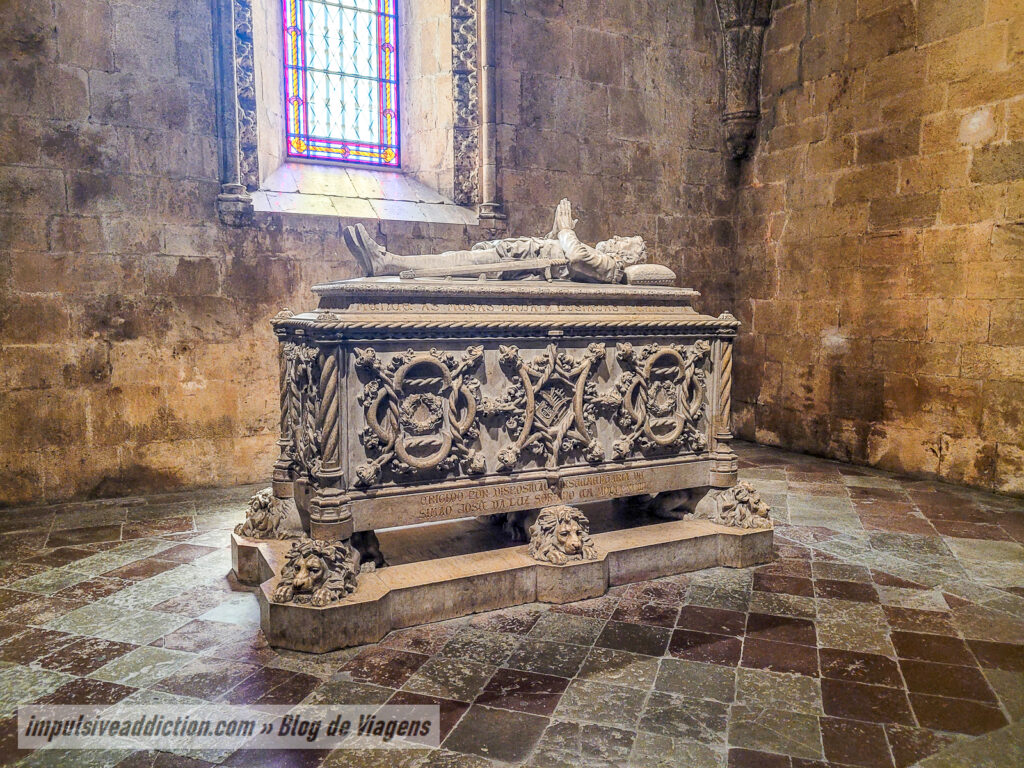
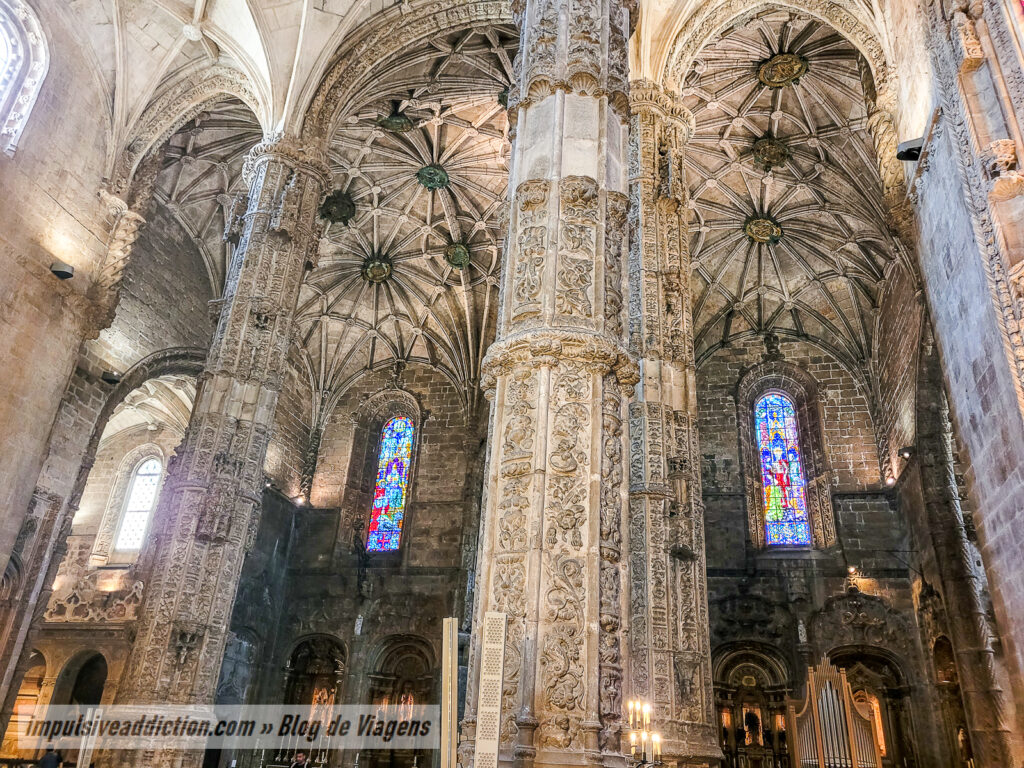
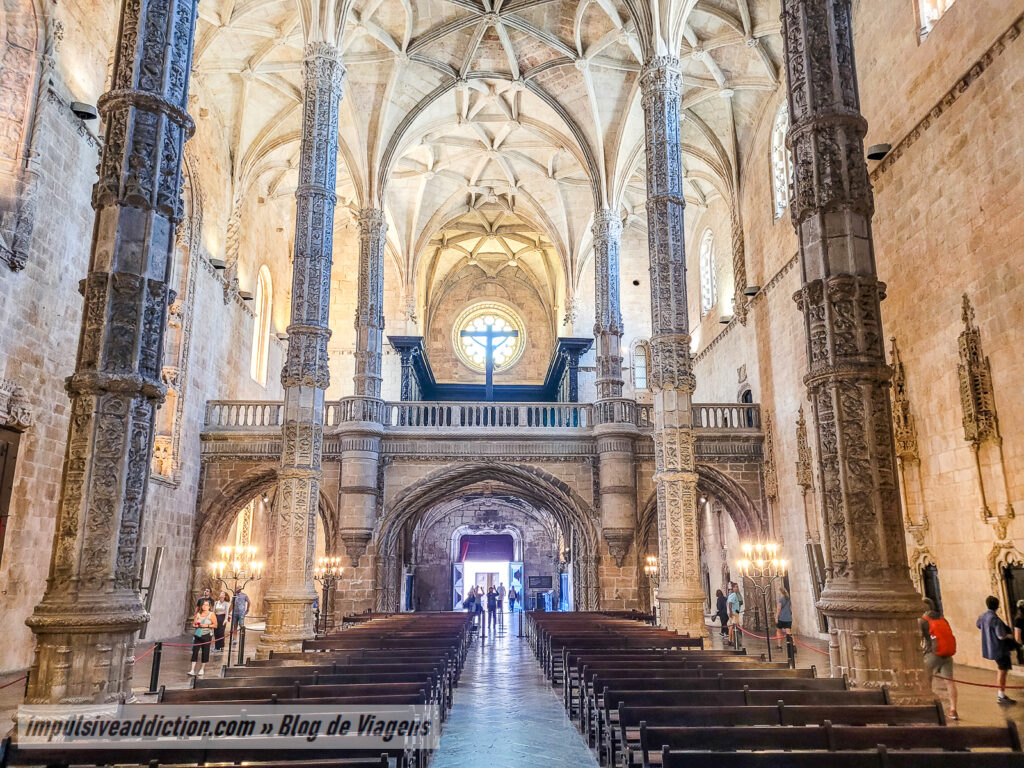
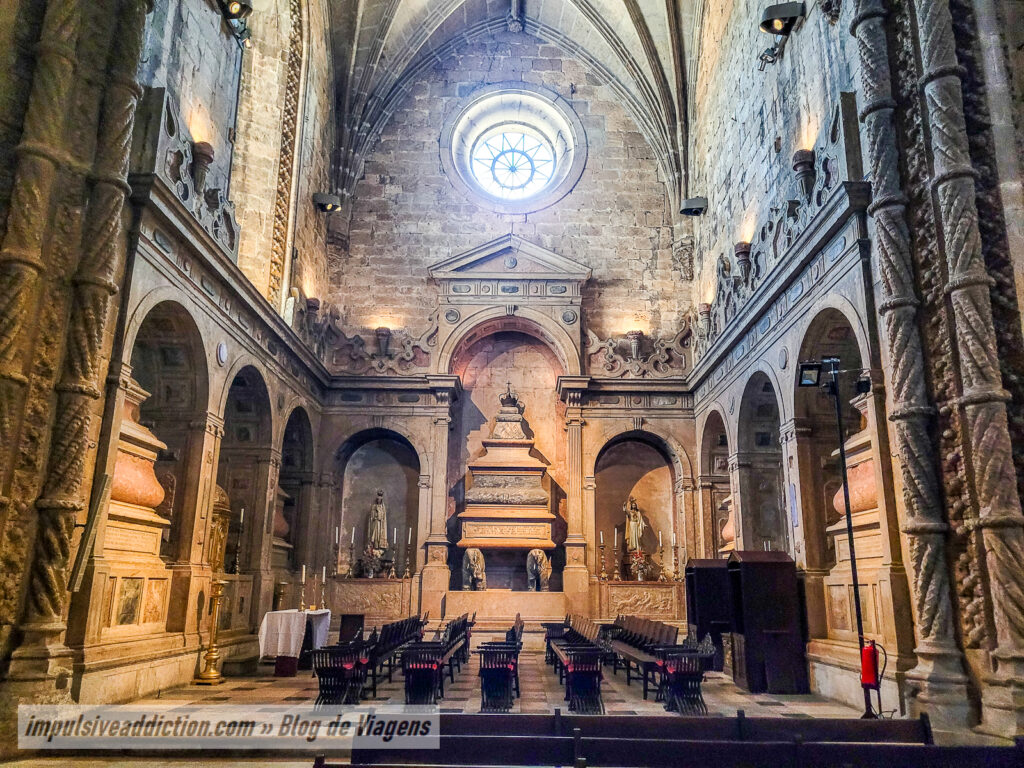
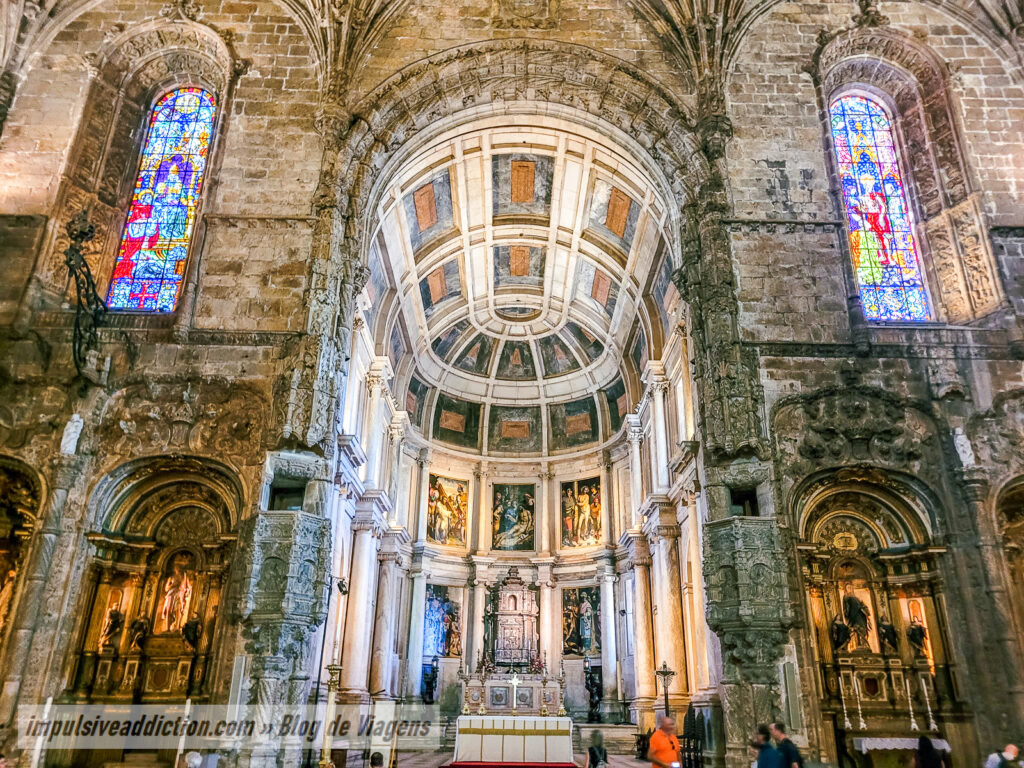
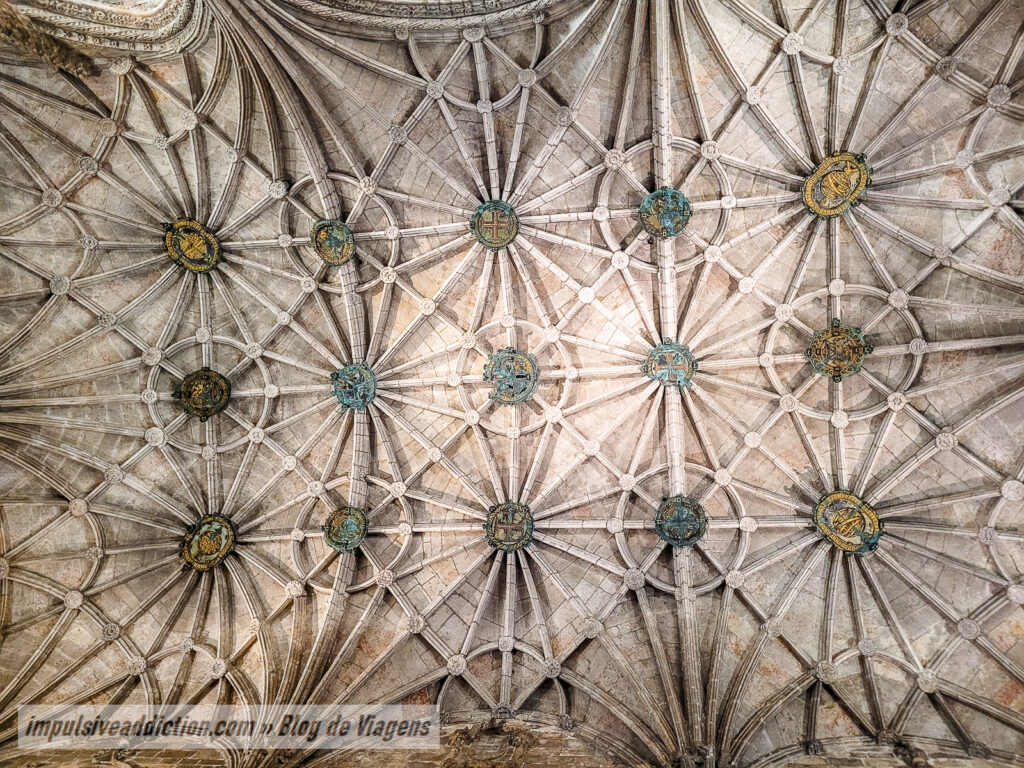
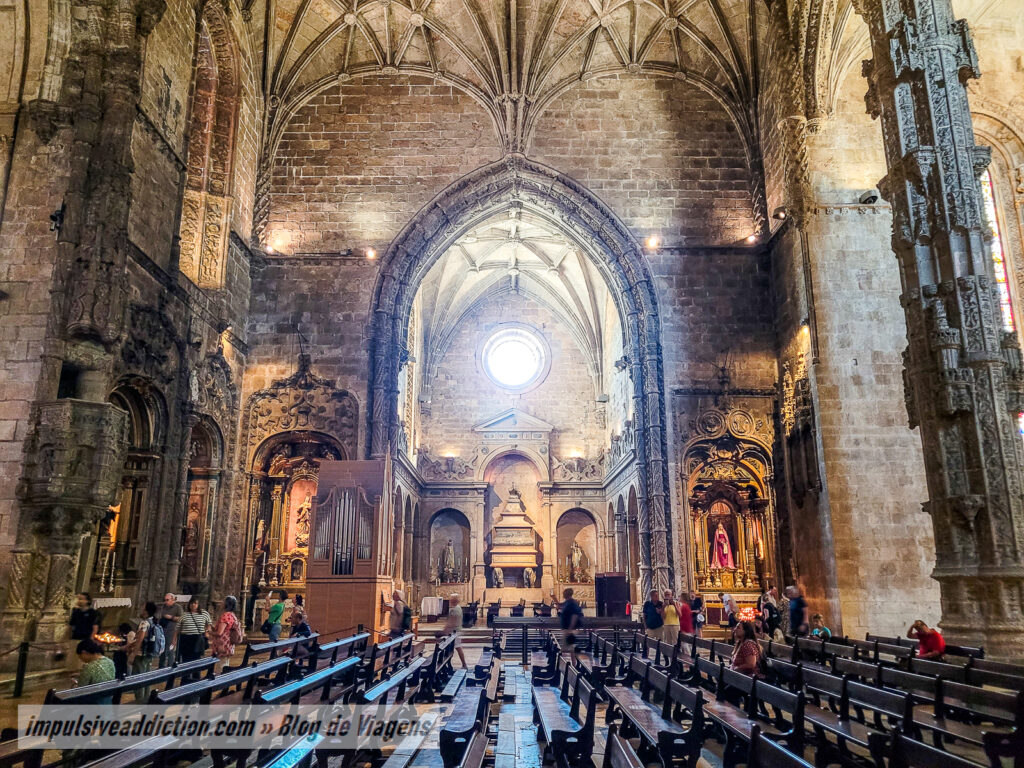
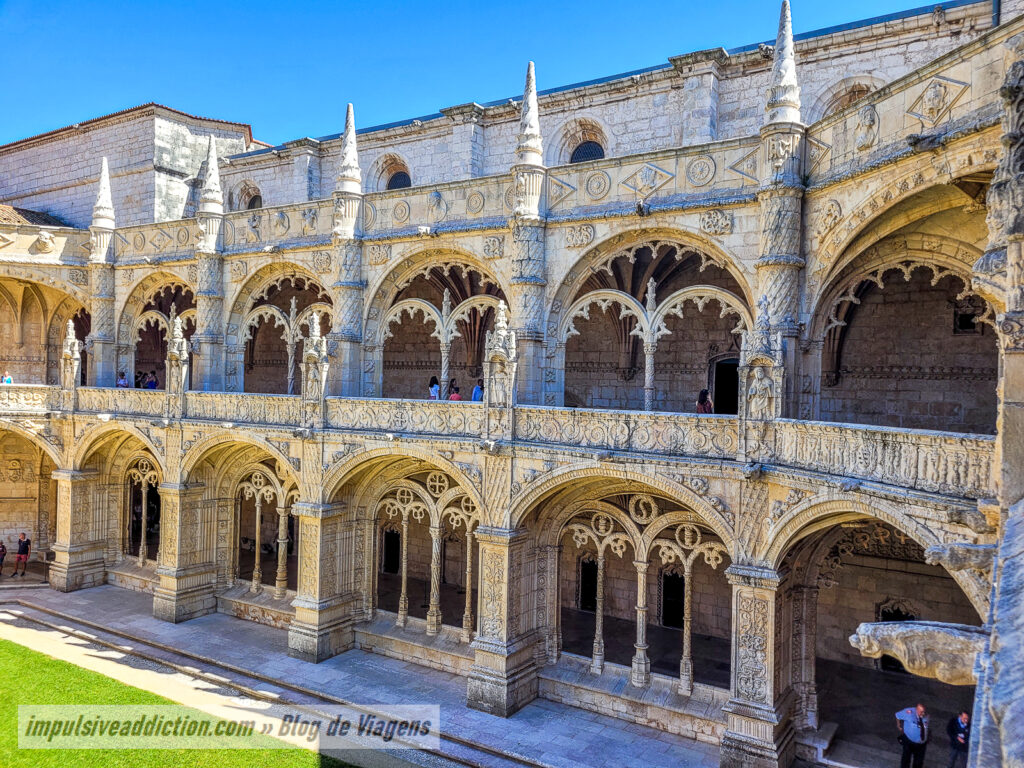
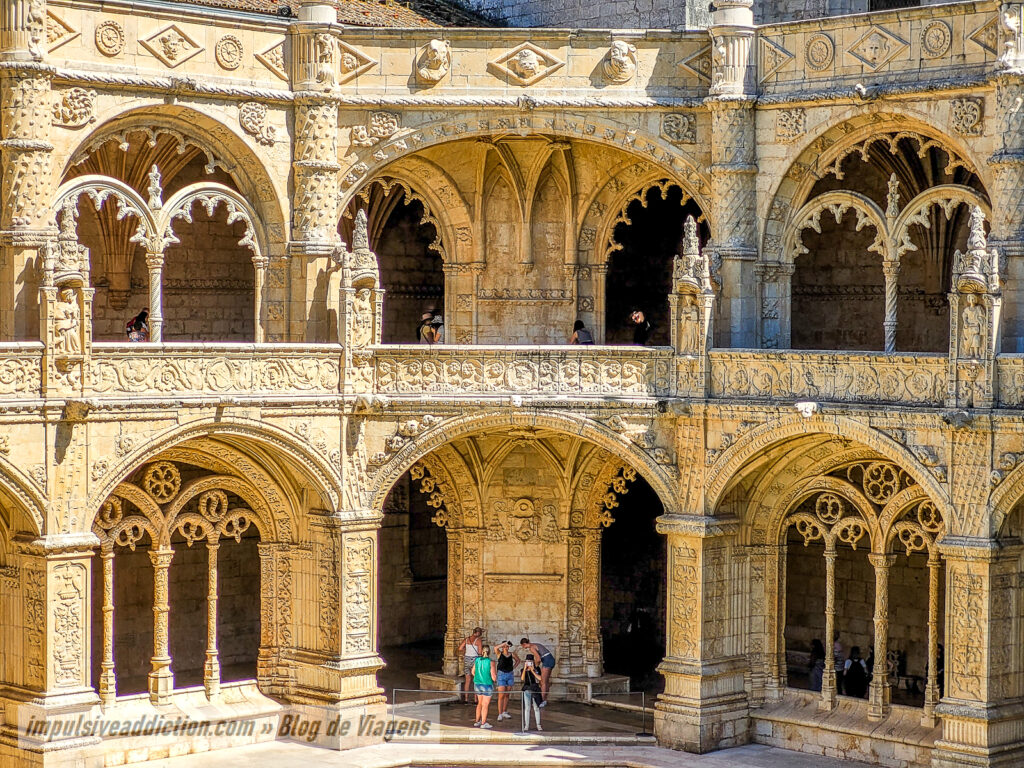
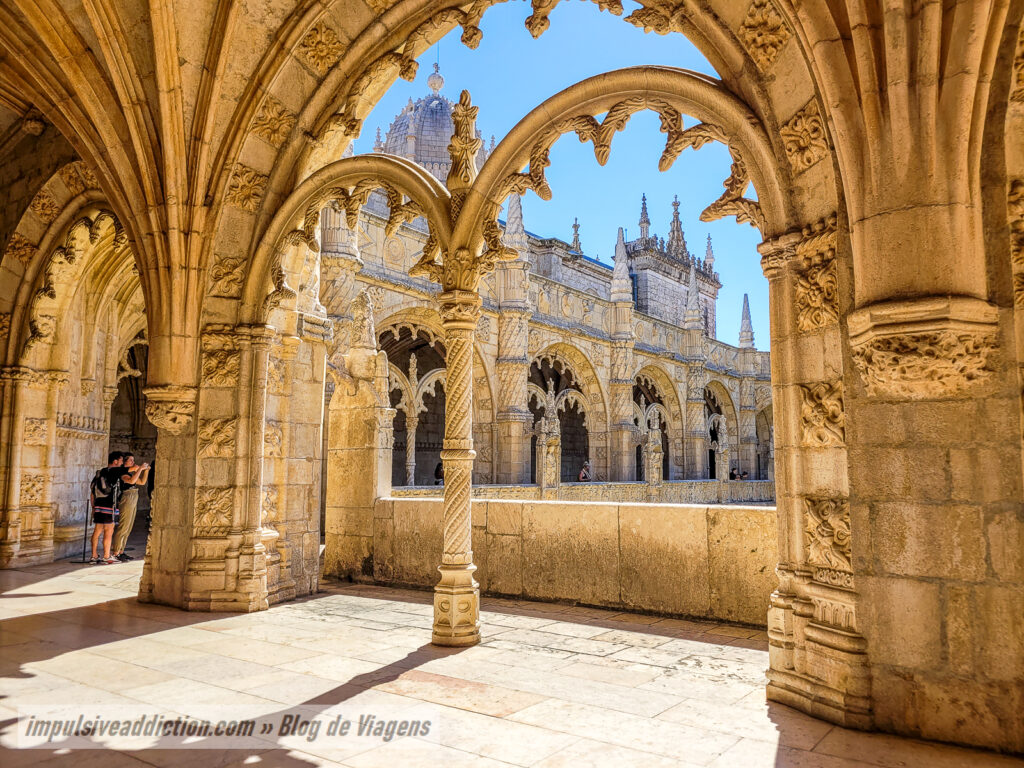
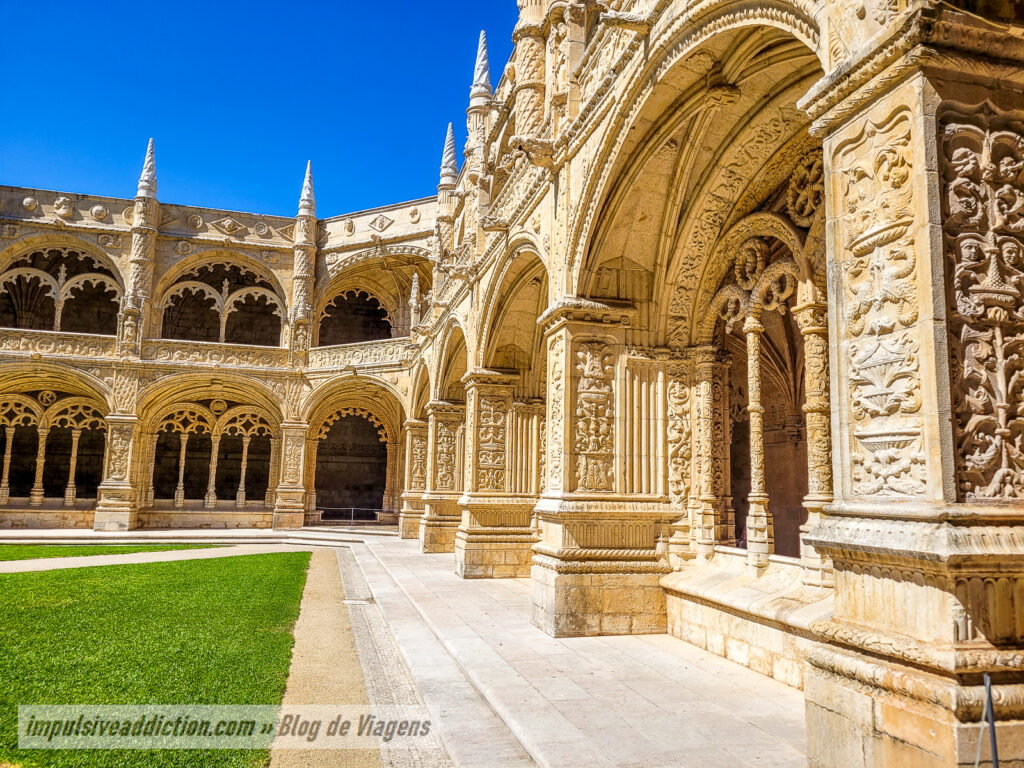
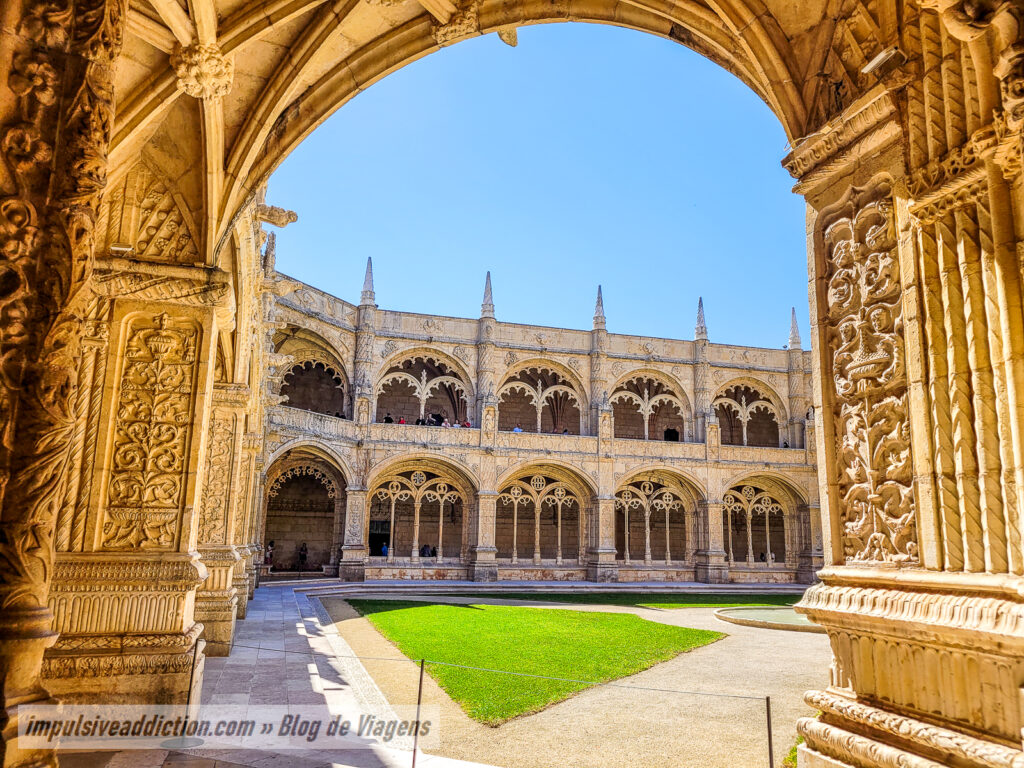
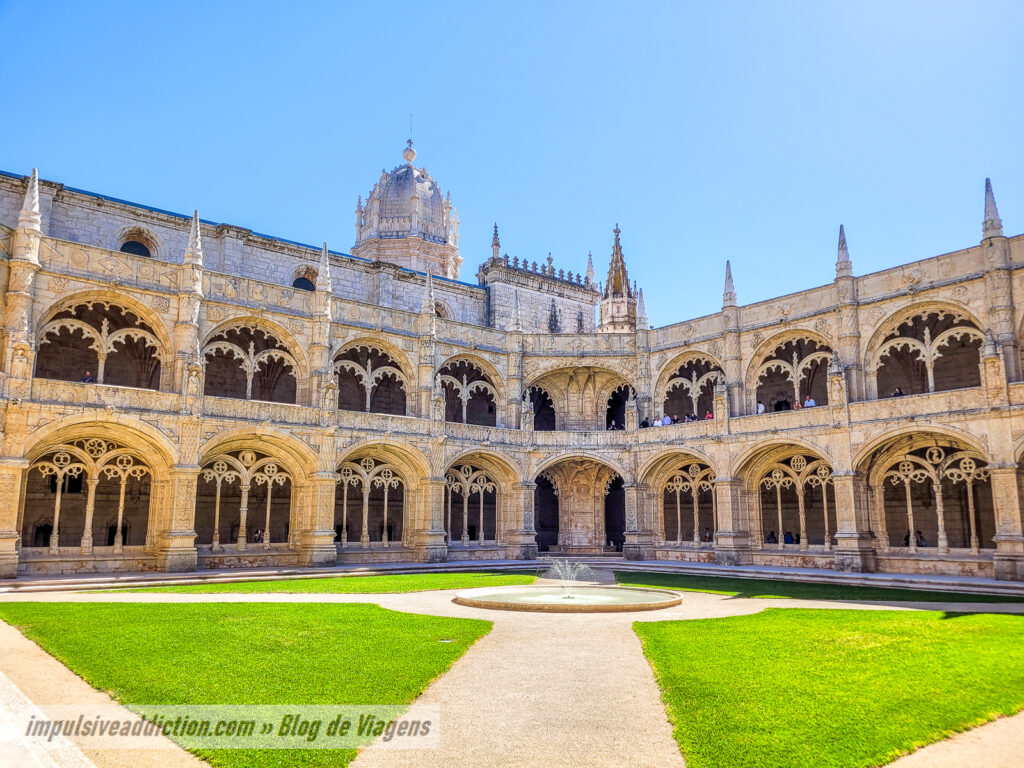
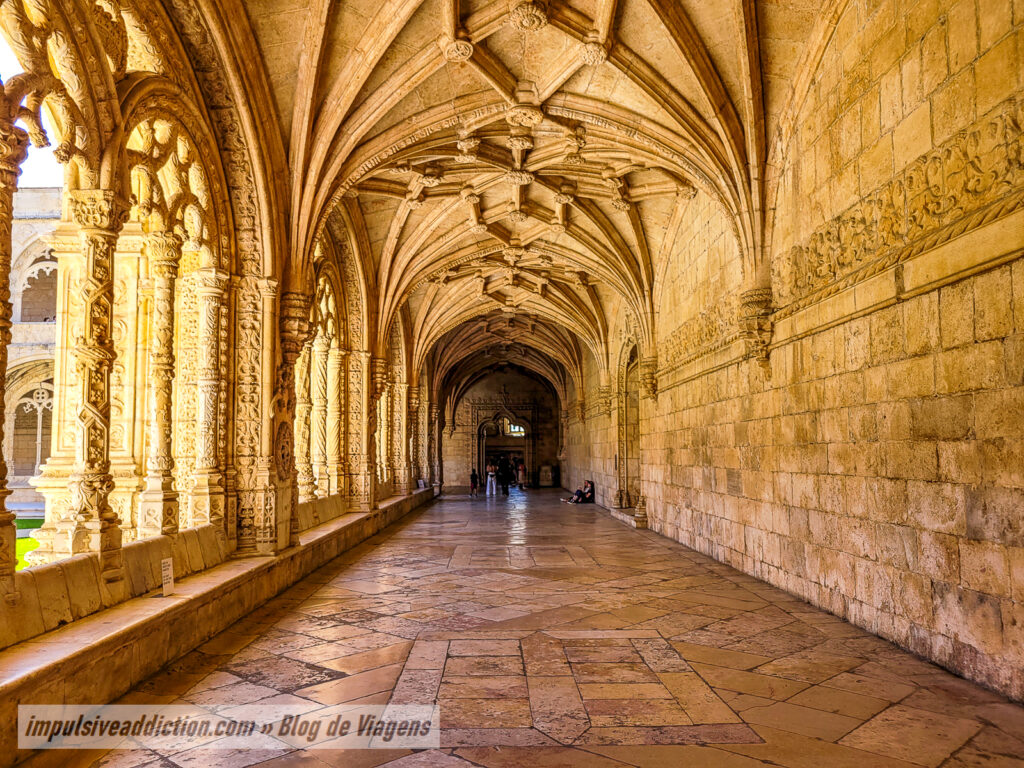
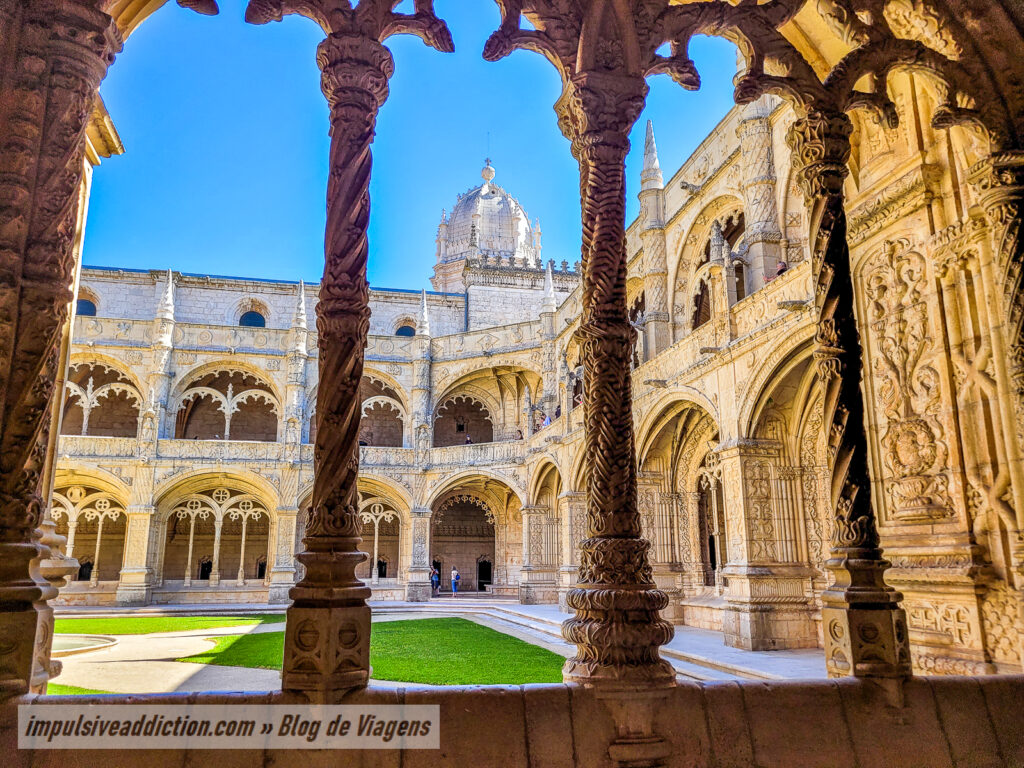
1. Church of the Jerónimos Monastery
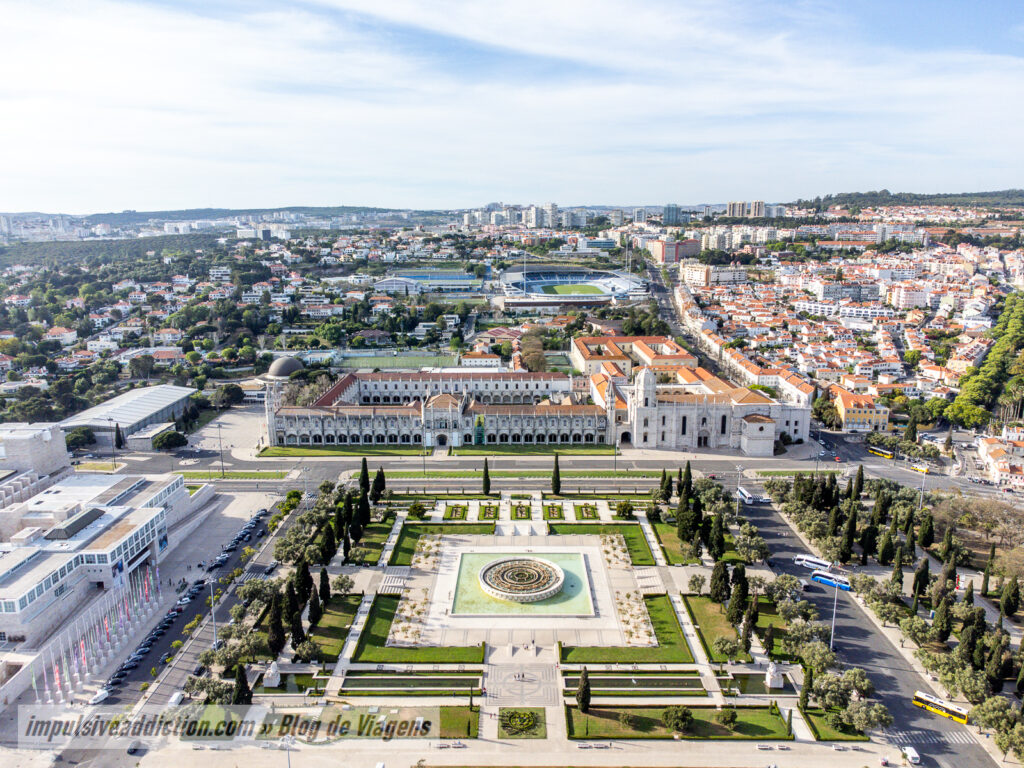
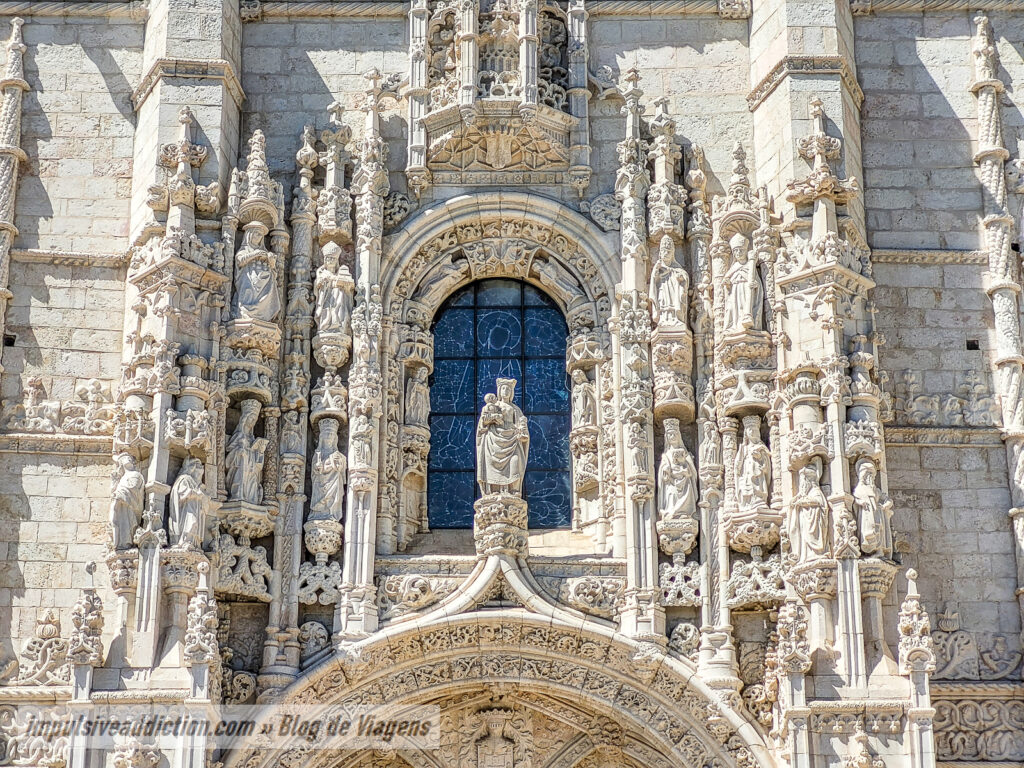
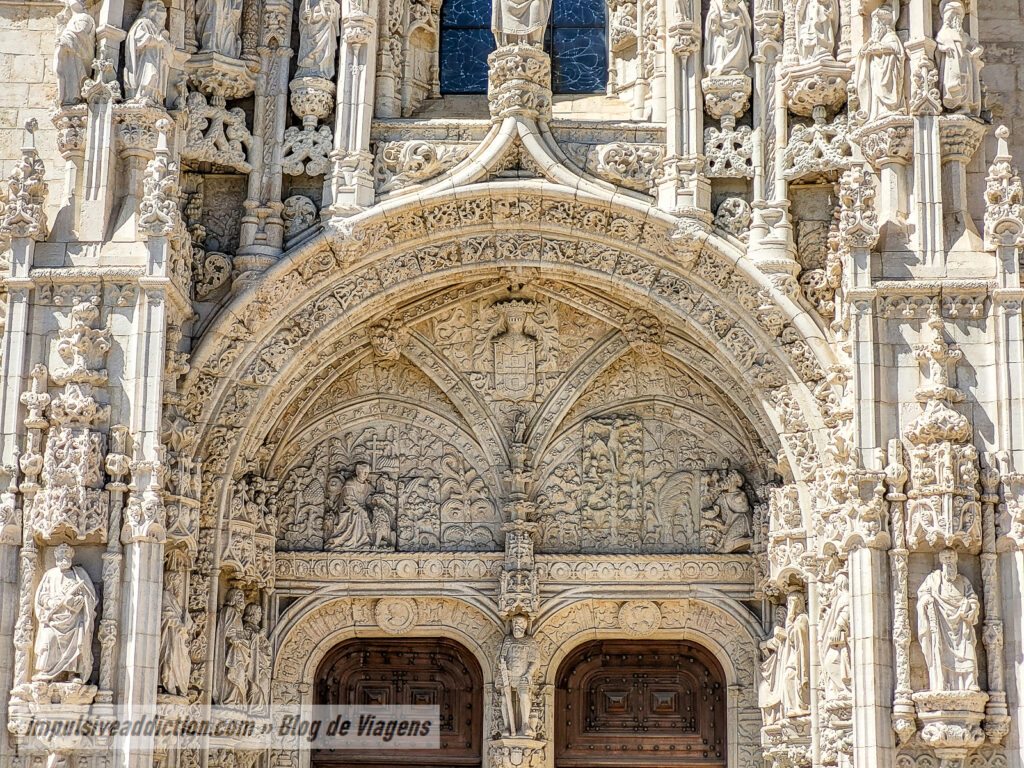
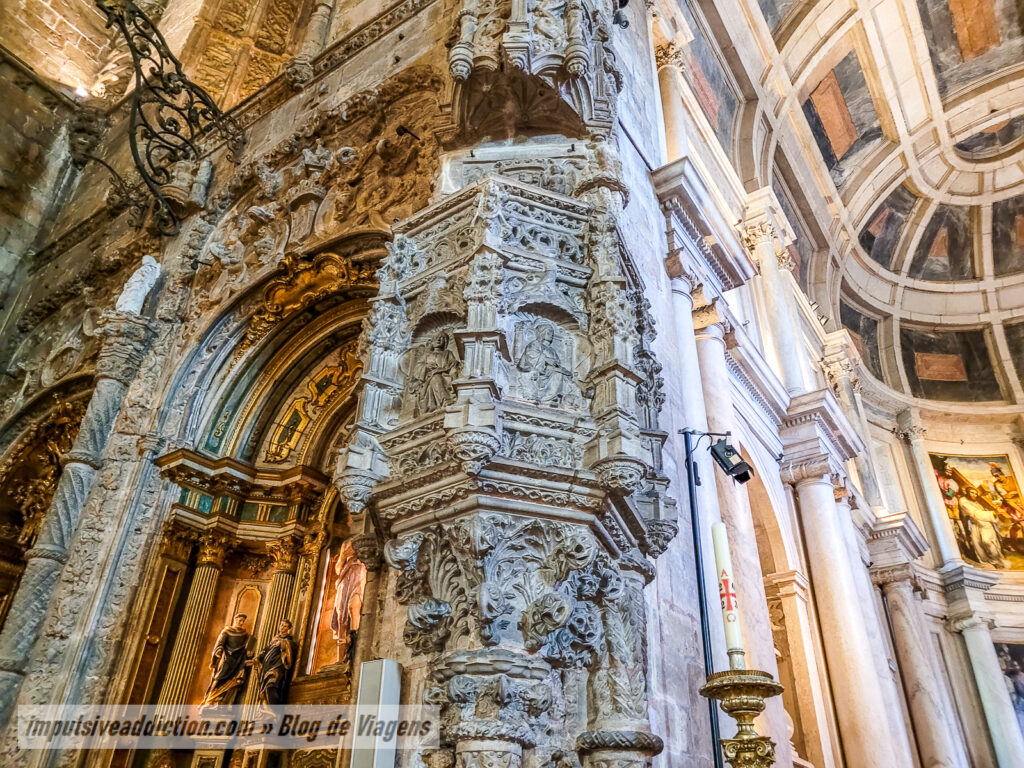
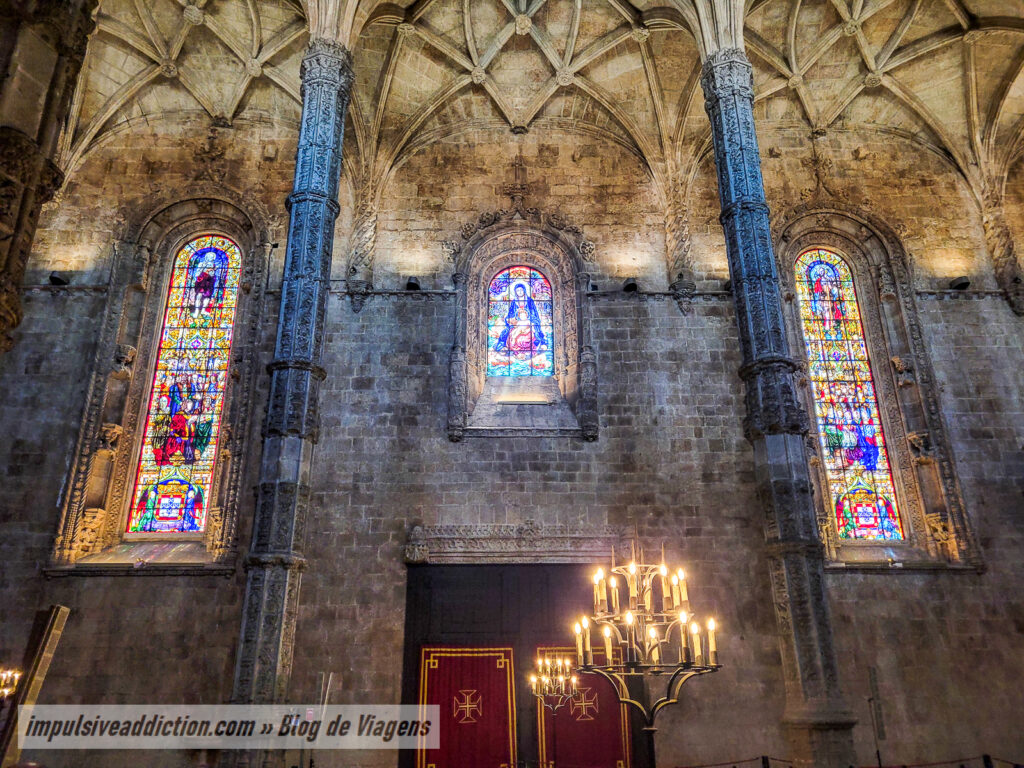
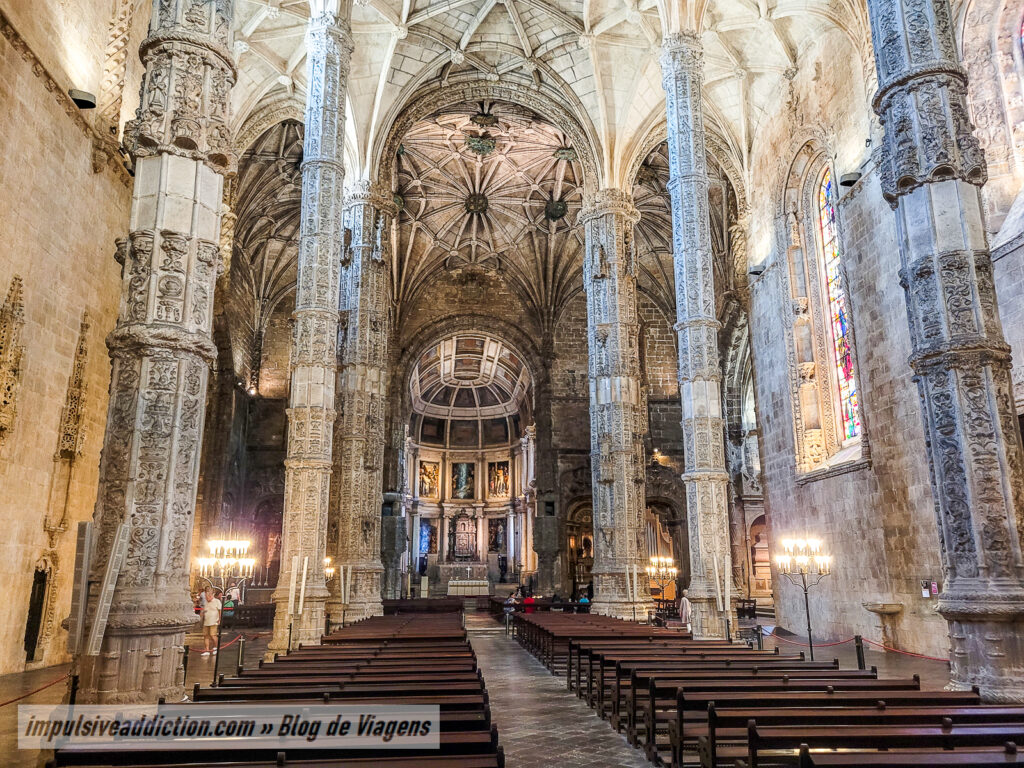
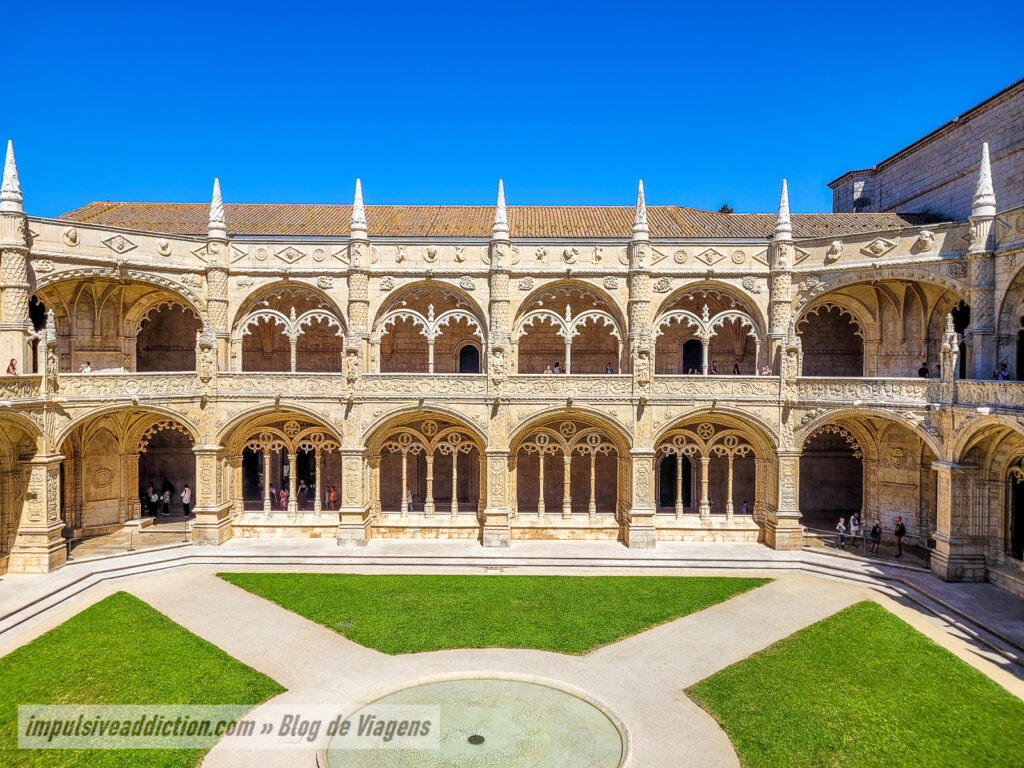
Located in Belém, the Church of the Jerónimos Monastery is one of the most iconic examples of Manueline architecture in Lisbon. Built in the 16th century, this masterpiece impresses with its grandeur and ornate detail.
Beyond its religious significance, the church is also seen as a symbol of the Portuguese Empire’s golden age, reflecting the power and opulence of that era. The interior features exquisite stone carvings, vibrant stained glass windows, and intricate details that embody the richness of Manueline style.
Its prime location in Belém, close to landmarks like the Belém Tower and the Monument to the Discoveries, makes this church an unmissable stop for anyone visiting Lisbon.
2. Church of the Memory (Igreja da Memória)
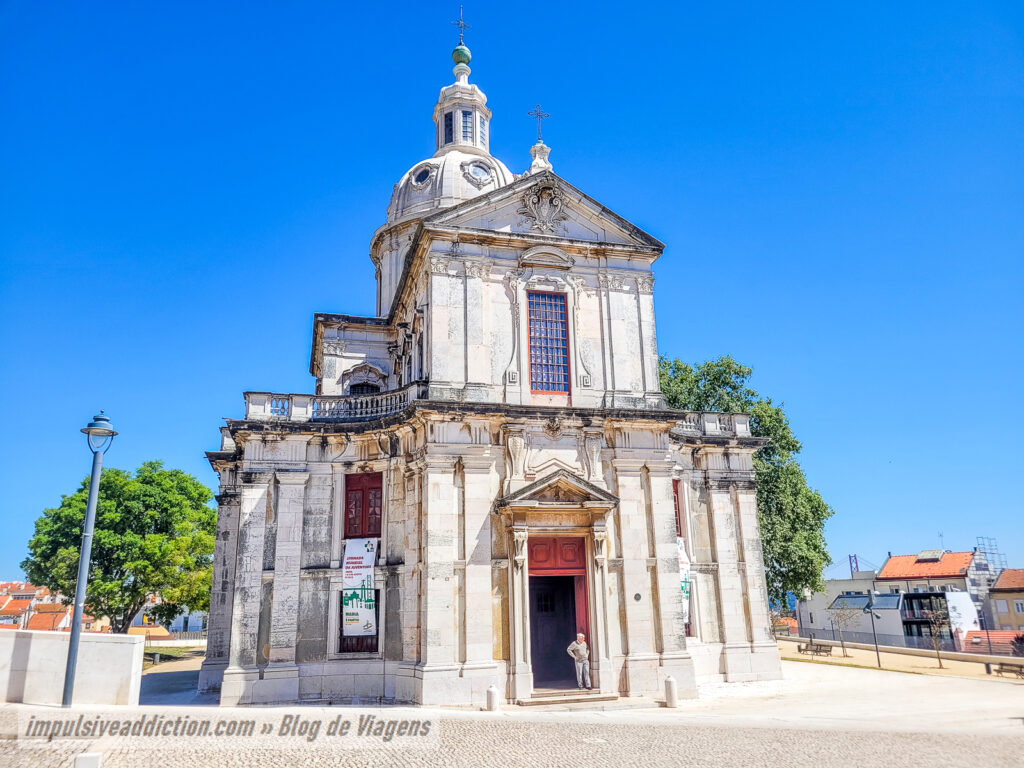
The Church of the Memory, also known as the Church of Our Lady of Deliverance and Saint Joseph, stands in the Ajuda district of Lisbon. Commissioned by King José I in 1760, the church was built on the site where the king survived an assassination attempt by the Távora family in 1758.
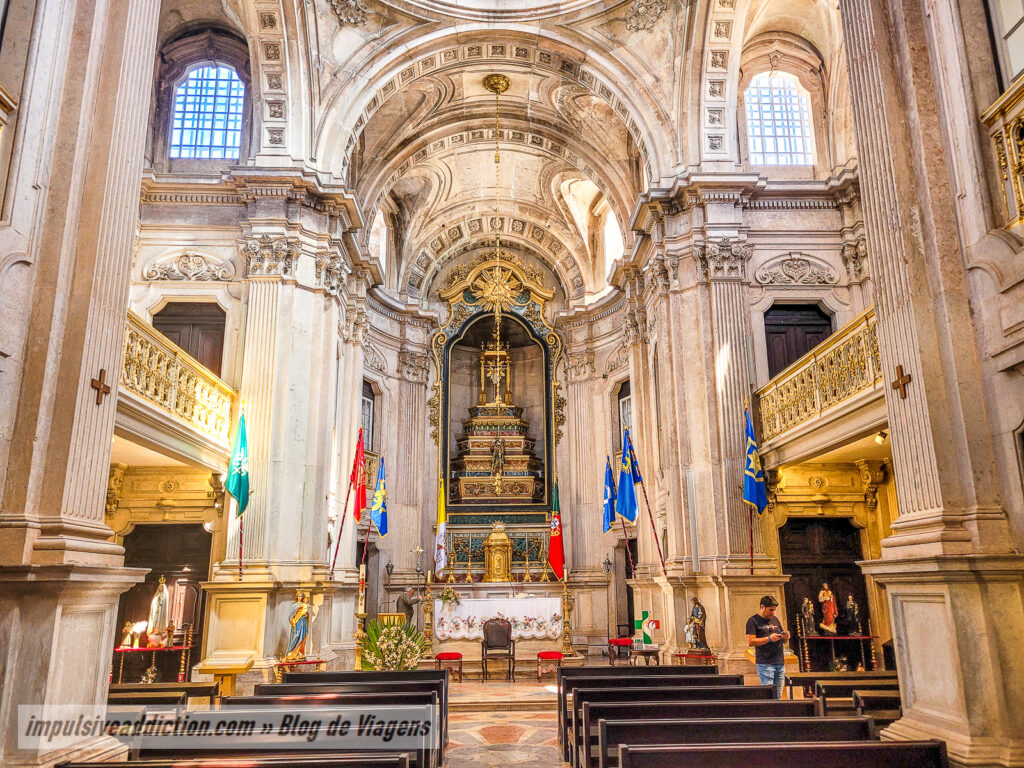
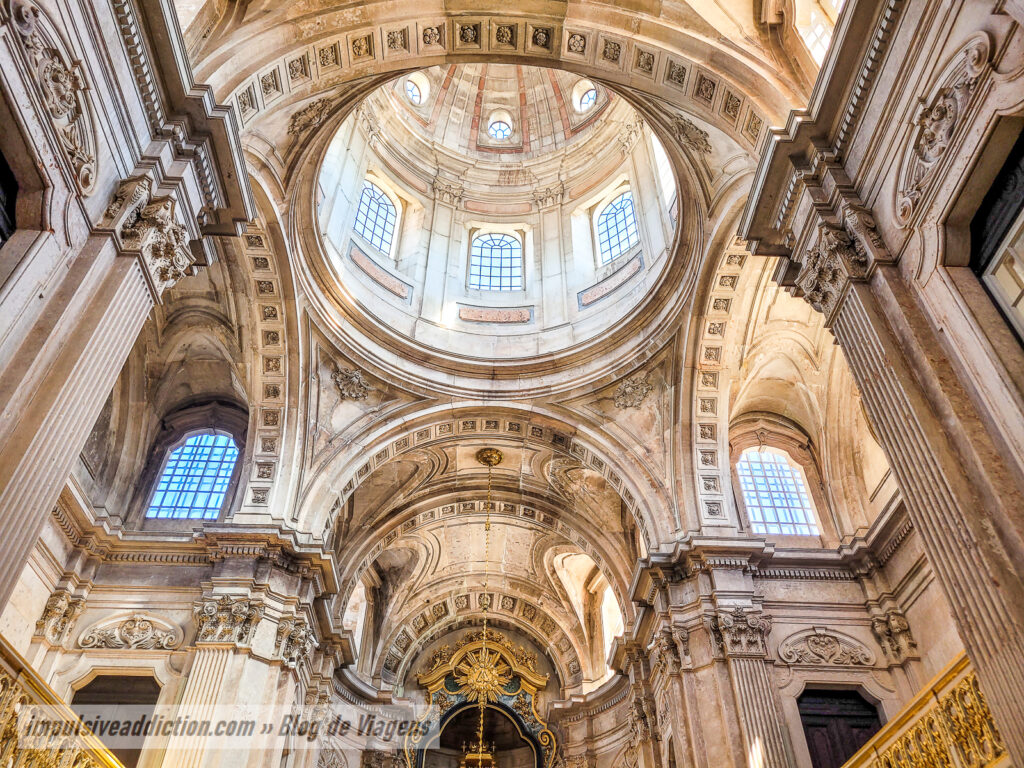
The original design was created by Italian architect Giovanni Carlo Galli da Bibbiena and completed by Mateus Vicente de Oliveira after Bibbiena’s death. Classified as a National Monument since 1923, the church features a Baroque architectural style with Neoclassical influences, notably in its centralized floor plan and striking dome.
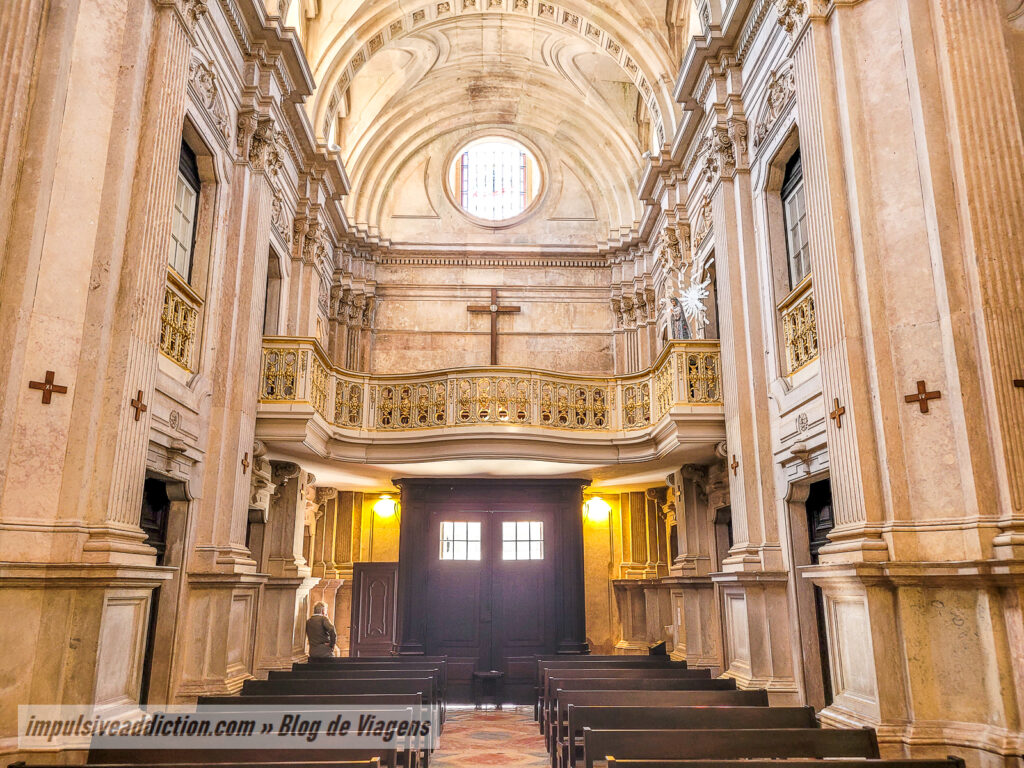
Inside, the church has a single nave with sober decoration, highlighted by a painting by Pedro Alexandrino de Carvalho above the main altar, depicting King José I giving thanks to Our Lady of Deliverance.
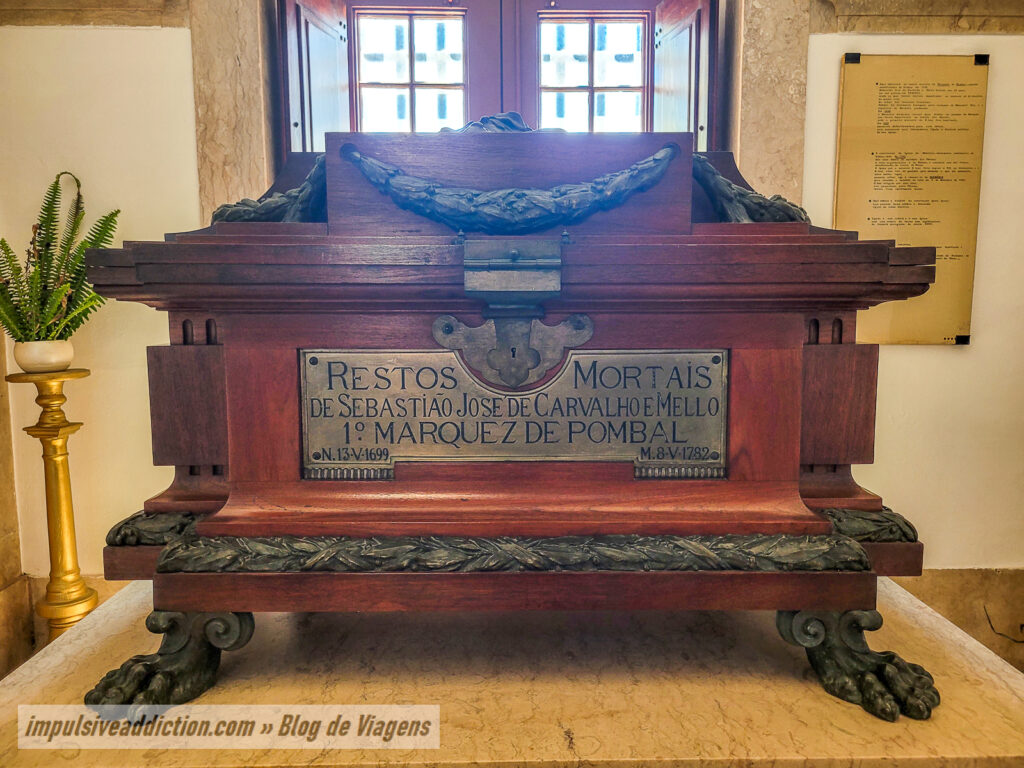
The church also serves as the mausoleum of the Marquis of Pombal, a pivotal figure in Portuguese history, whose remains were transferred here in 1923.
3. Church of São Francisco de Paula
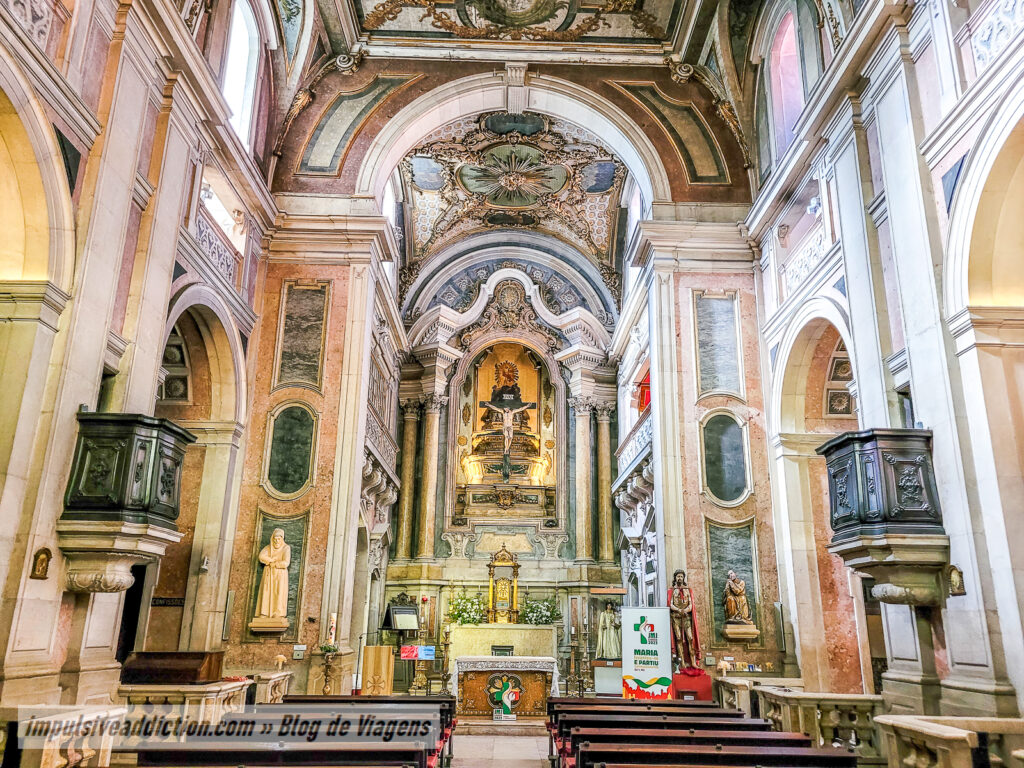
The Church of São Francisco de Paula, located on Rua Presidente Arriaga in Lisbon, is a remarkable example of Portuguese Baroque and Rococo architecture. Founded in 1719 by Friar Ascenso Vaquero of the Order of Minims, the church was expanded and richly decorated between 1753 and 1765 under the patronage of Queen Mariana Victoria, wife of King José I.
The architectural design is attributed to Inácio de Oliveira Bernardes, with the bell towers designed by Giacomo Azzolini. Its imposing façade, framed by a dramatic double staircase, gives the church a commanding presence in the cityscape.
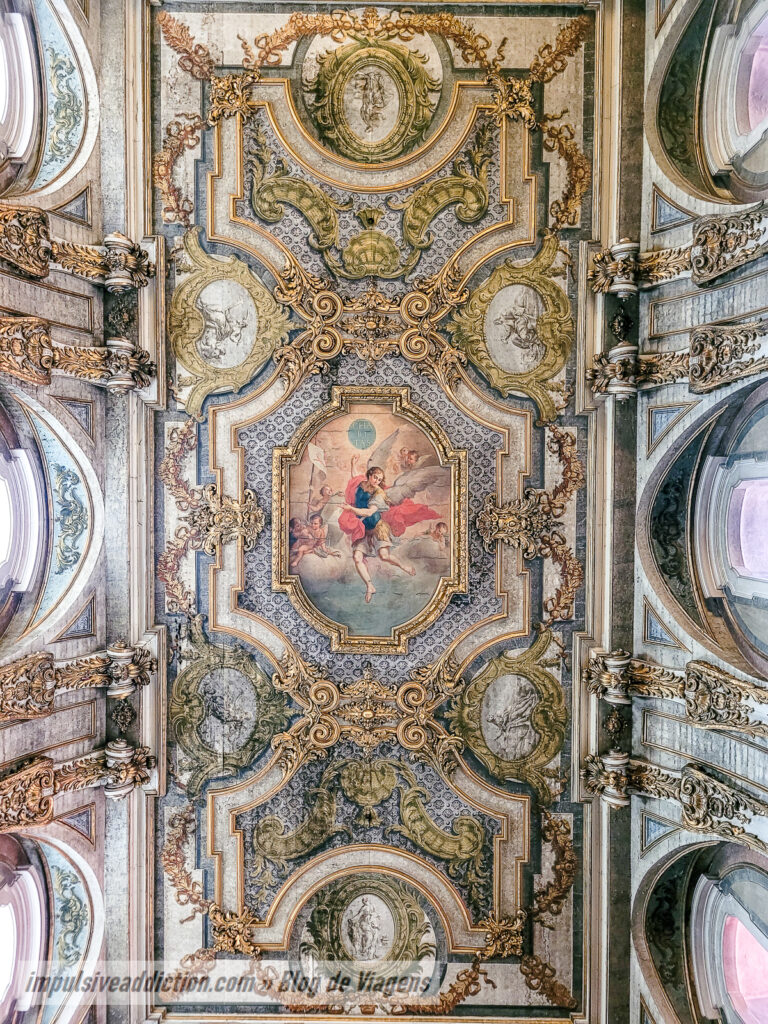
Inside, the single nave is adorned with ornate painted ceilings, gilded woodwork, and multicolored marble. The main altar houses the tomb of Queen Mariana Victoria, sculpted by Machado de Castro — a piece classified as a National Monument. The church also features works by Vieira Lusitano, one of the most important Portuguese painters of the 18th century.
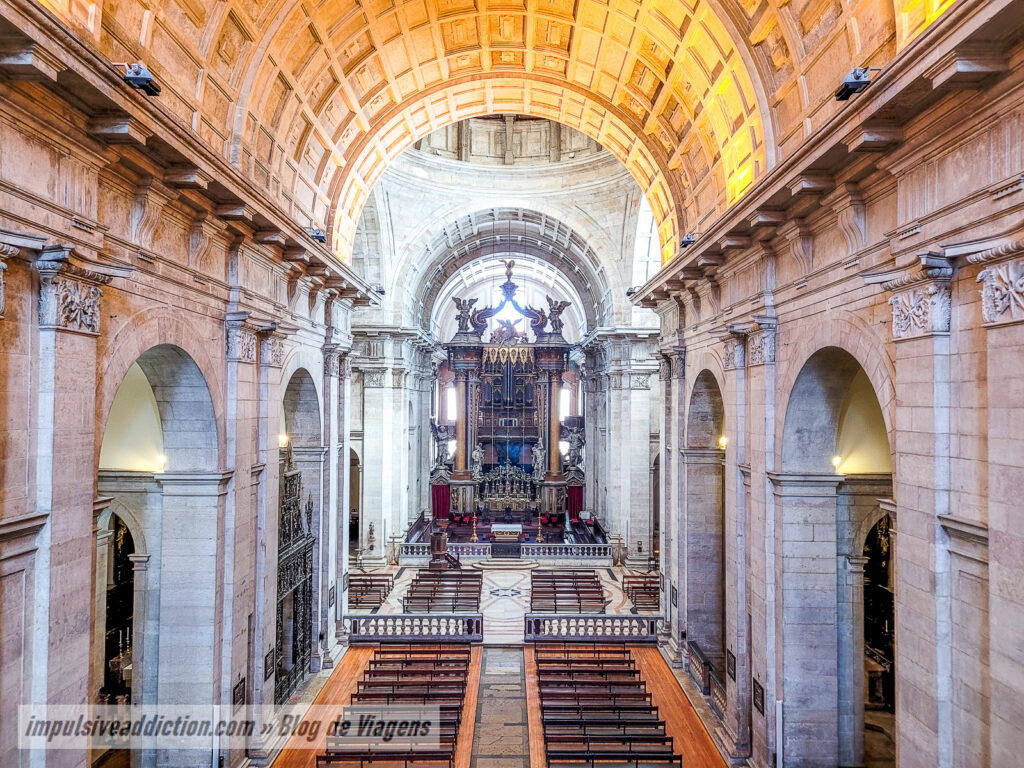
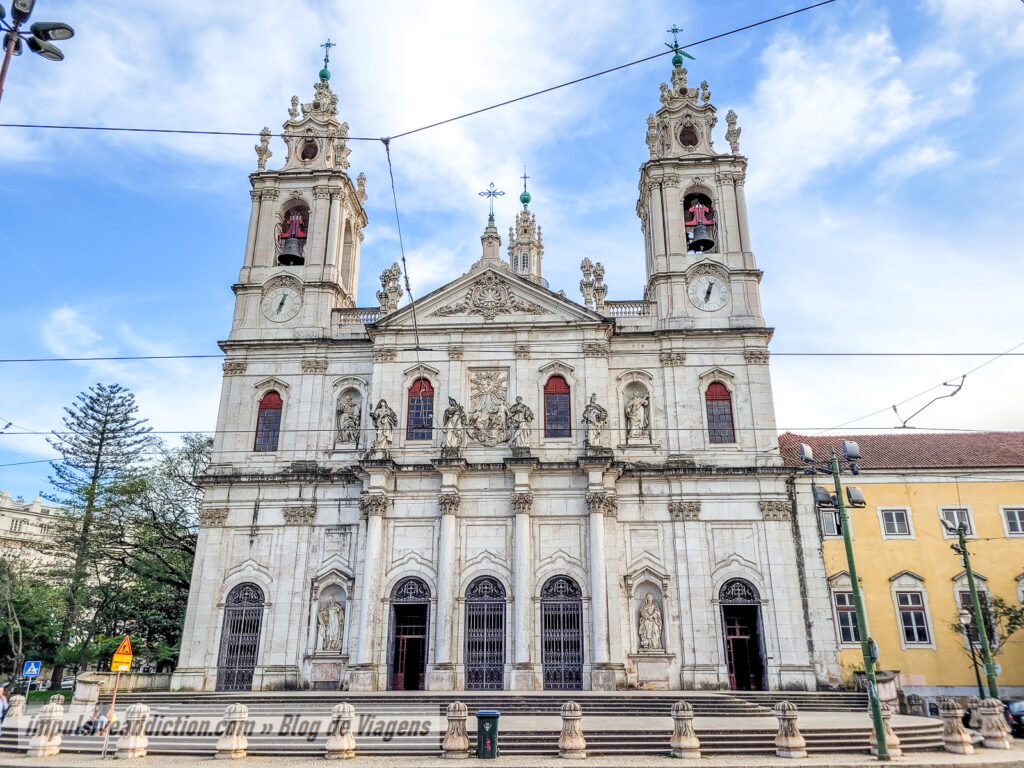
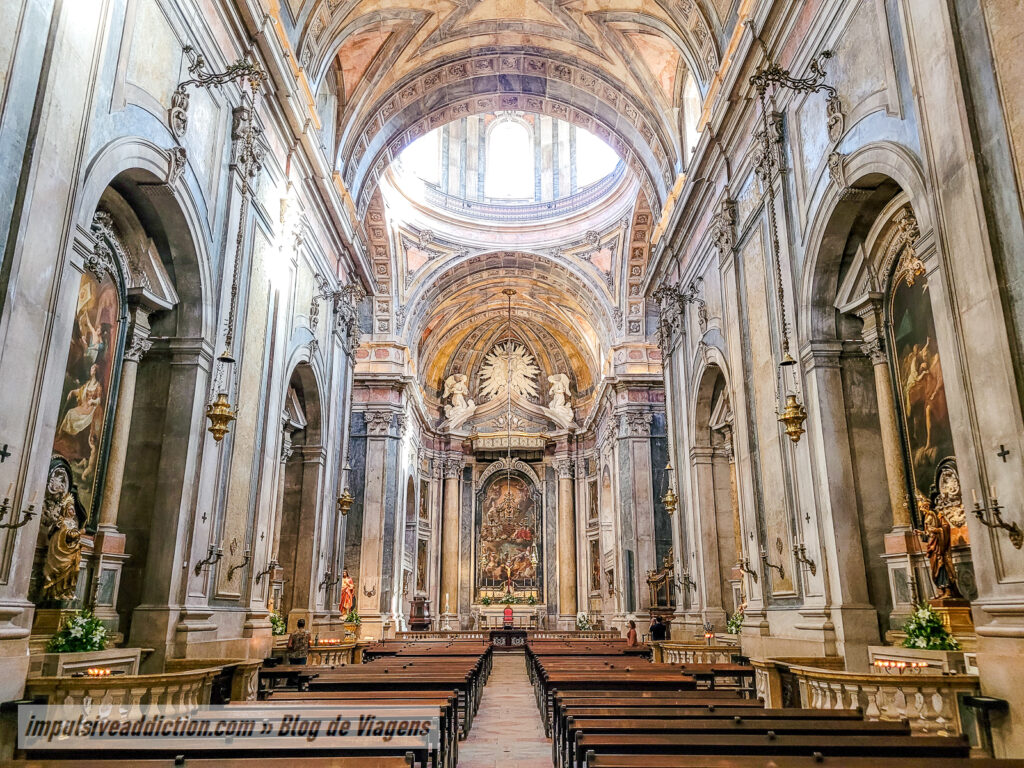
4. Estrela Basilica
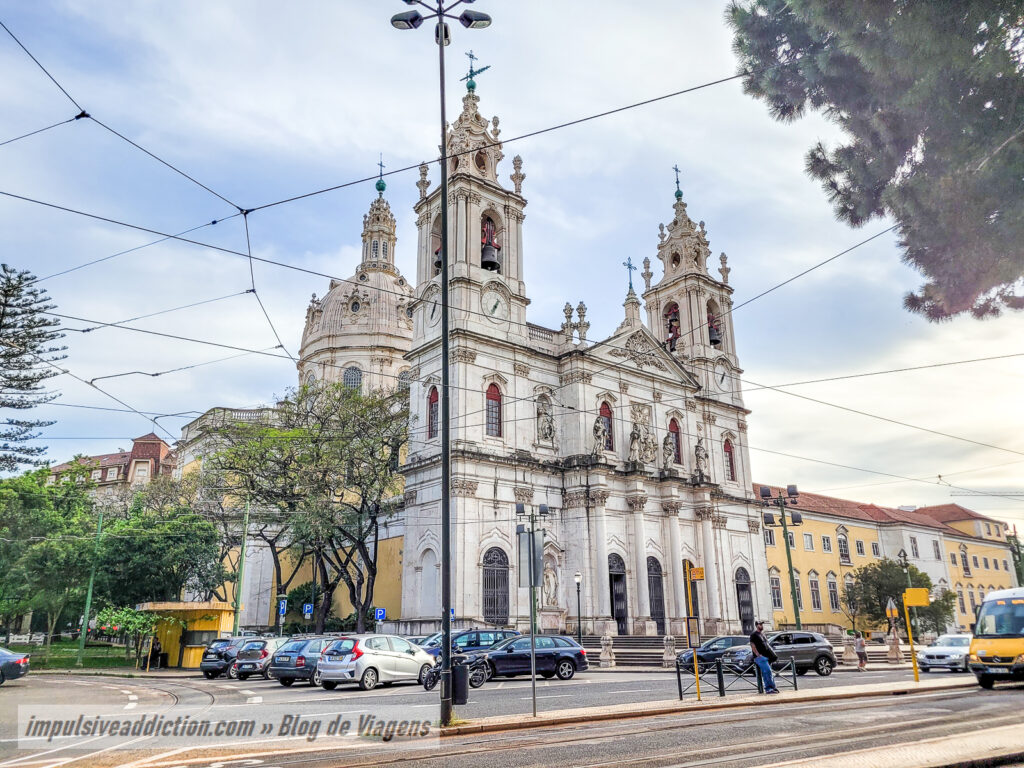
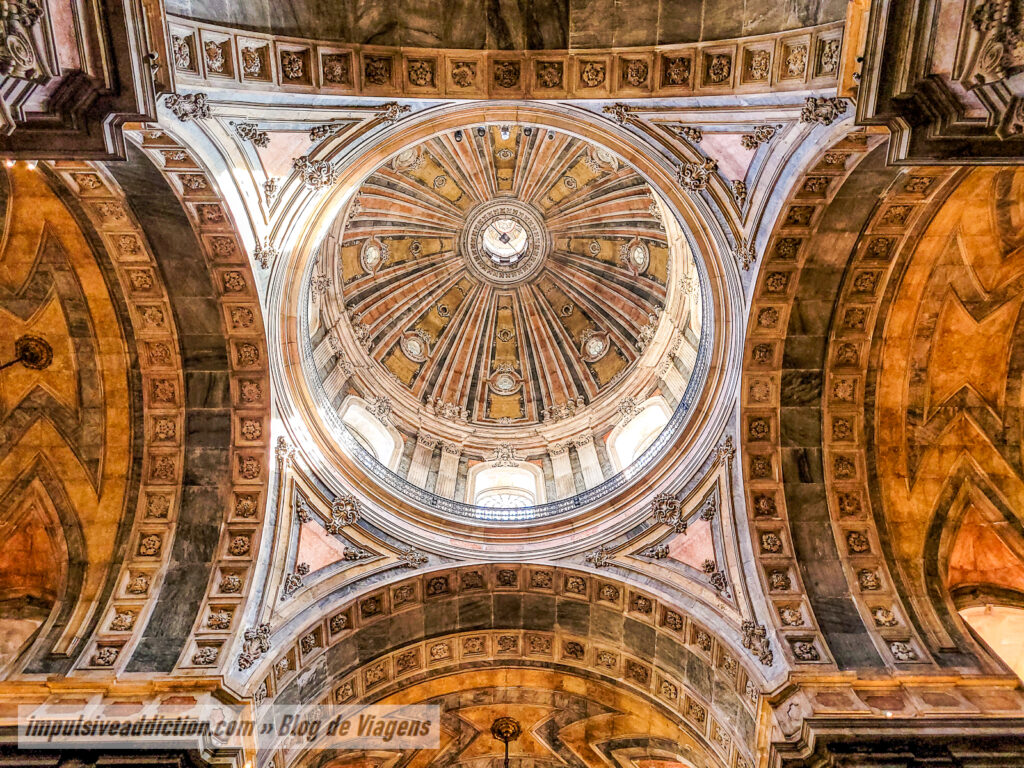
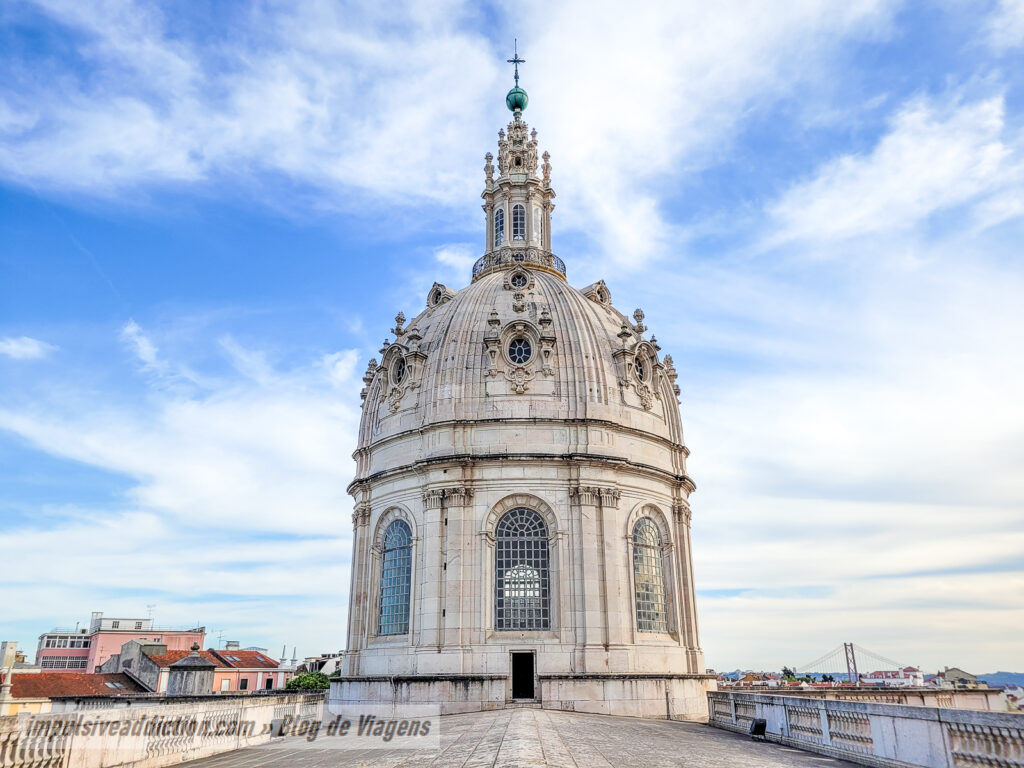
The Estrela Basilica, officially named the Royal Basilica and Convent of the Most Sacred Heart of Jesus, was built between 1779 and 1790 as the fulfillment of a vow made by Queen Maria I. Following the birth of her son, Prince José, she commissioned the construction of this monumental church in thanksgiving.
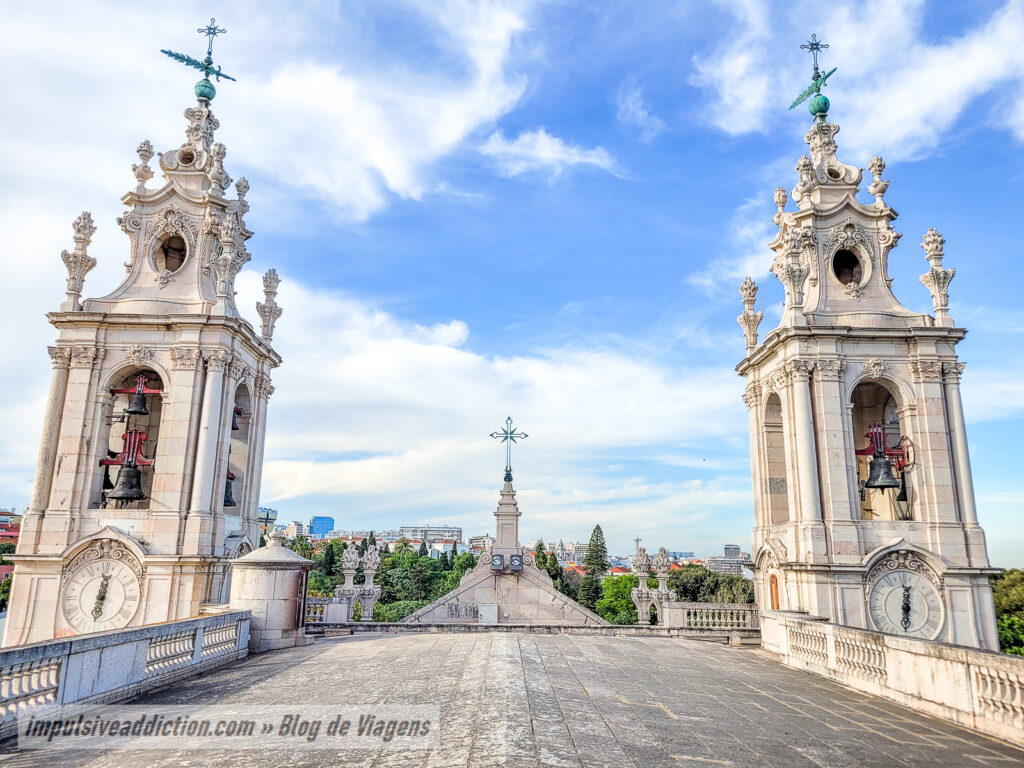
Located in the Estrela district, directly across from the Jardim da Estrela, the basilica stands out for its grand Baroque and Neoclassical façade, flanked by two bell towers and topped by a majestic dome. It was the first church in the world dedicated to the Sacred Heart of Jesus, becoming a powerful symbol of religious devotion in the late 18th century.
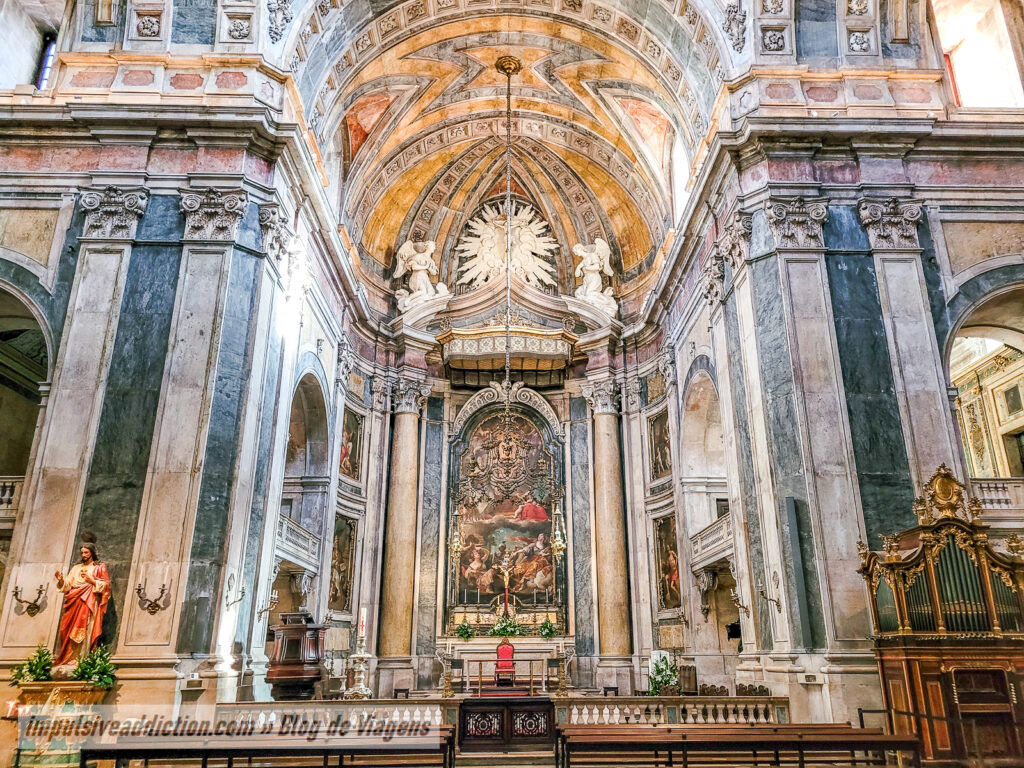
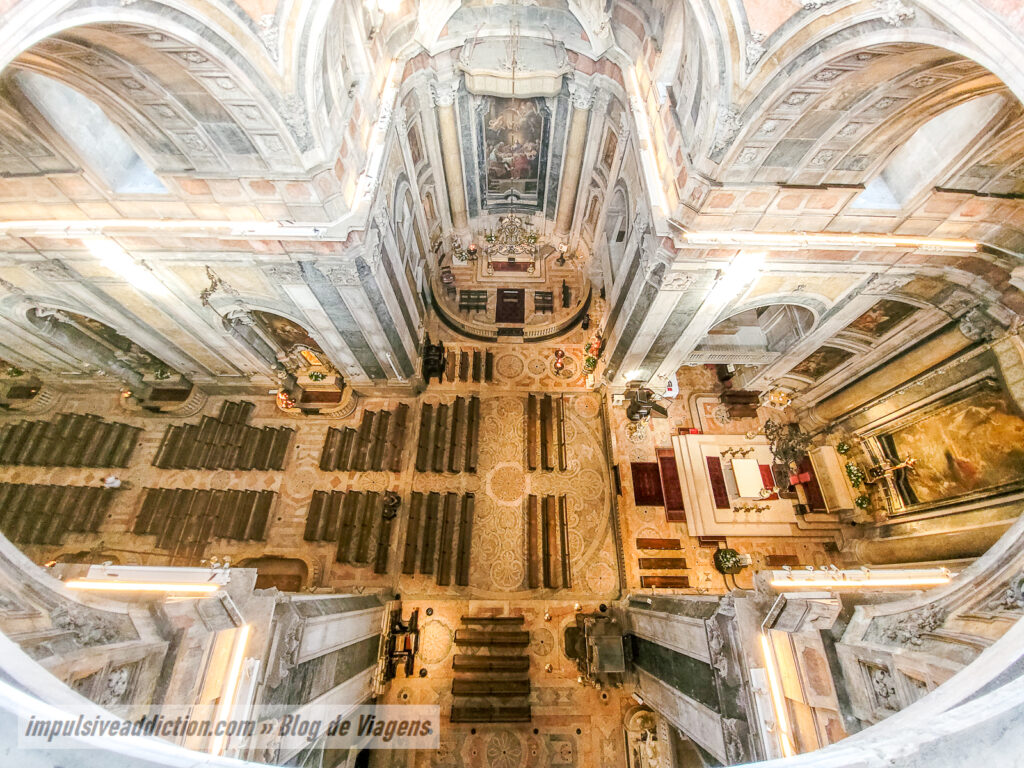
The interior is a true artistic gem: the flooring is made of pink, grey, and yellow marbles, arranged in exquisite geometric patterns. The main altar features a painting by Pompeo Batoni, depicting the consecration of the world to the Sacred Heart of Jesus.
The basilica is also the final resting place of Queen Maria I, making it the only burial site of a Braganza monarchoutside the Monastery of São Vicente de Fora.
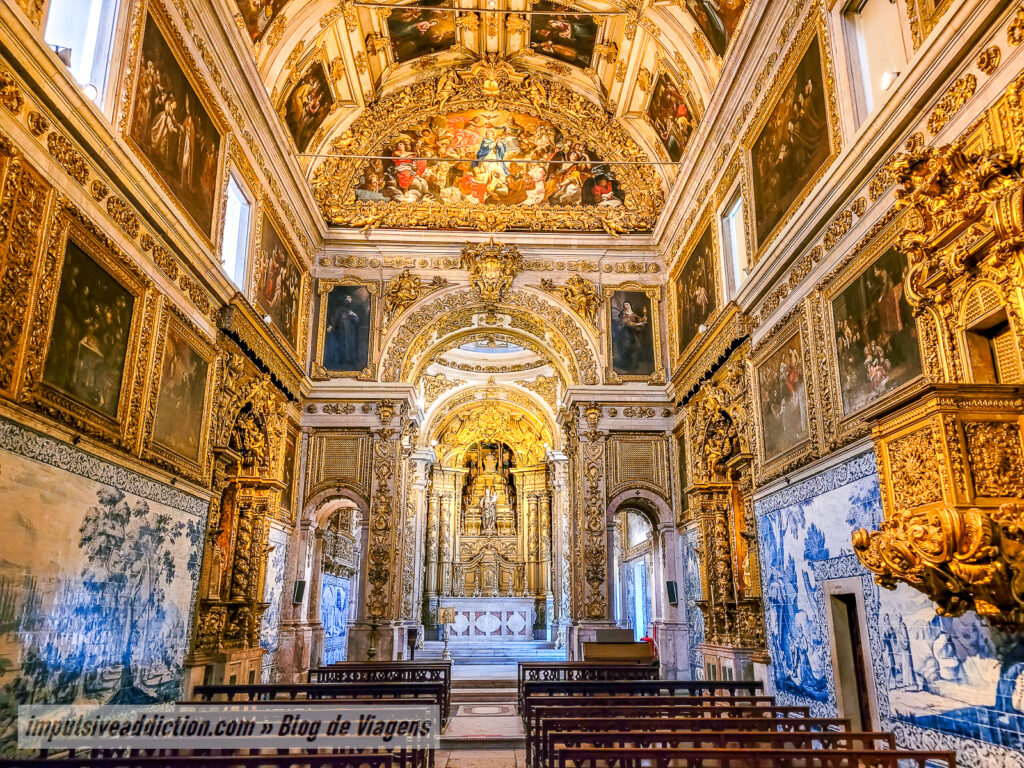
5. Church of Nossa Senhora das Mercês (Our Lady of Mercy)
The Church of Nossa Senhora das Mercês, also known as the Church of Our Lady of Jesus, is located in Largo de Jesus, in the Misericórdia district of Lisbon. The church traces its origins to the 17th century, when a religious retreat of the same name was founded by royal decree of King Philip III in 1623. The current church began construction in 1615and was completed in 1623, with the main chapel inaugurated in 1633.
After the 1755 earthquake, the church was rebuilt under the supervision of the Third Order of Saint Francis, with support from D. Frei Manuel do Cenáculo. Following the dissolution of religious orders in 1835, the church became the parish seat of Nossa Senhora das Mercês, a role it still holds today.
Architecturally, the church features a blend of Mannerist and Baroque styles. The interior has a single rectangular nave with a barrel-vaulted ceiling. A highlight of the site is the Sala de Passagem (Transition Room), located between the transept and the sacristy, adorned with an exceptional set of blue-and-white azulejos (ceramic tiles) dating to around 1715, created by António de Oliveira Bernardes. This ensemble is considered one of the finest examples of Portuguese Baroque tilework.


6. Church of Santa Catarina
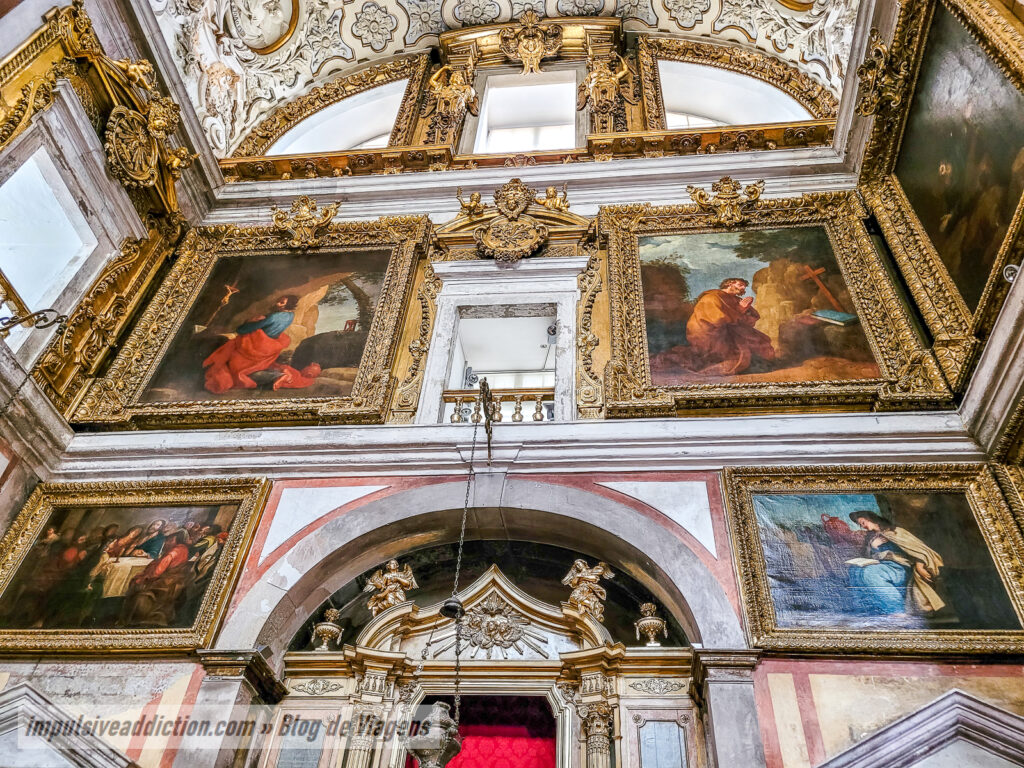
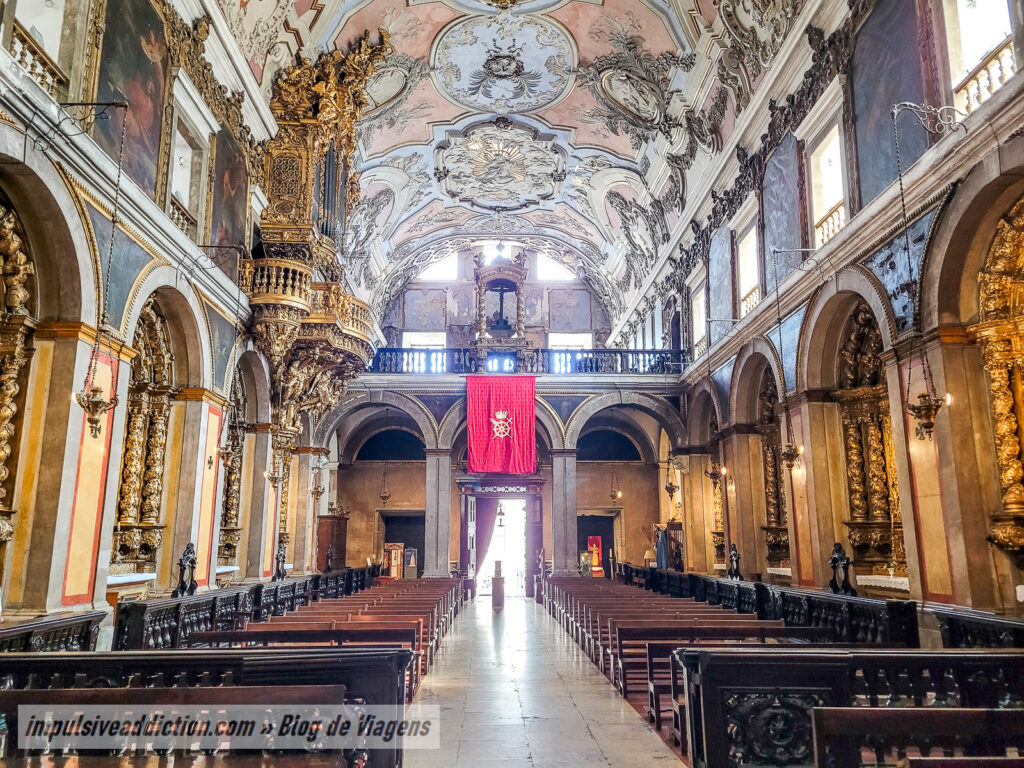
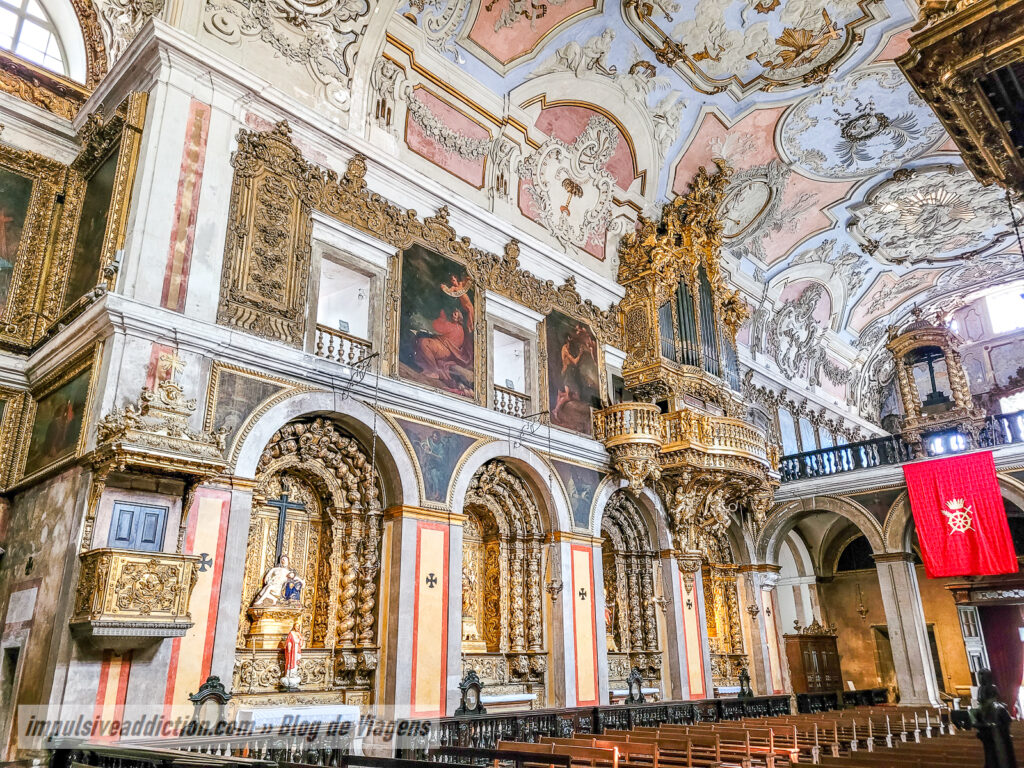
The Church of Santa Catarina was founded in 1654 by the Hermits of the Order of Saint Paul of Serra d’Ossa. After being heavily damaged in the 1755 earthquake, it was rebuilt and completed in 1763. In 1835, it became a parish church, dedicated to Saint Catherine.
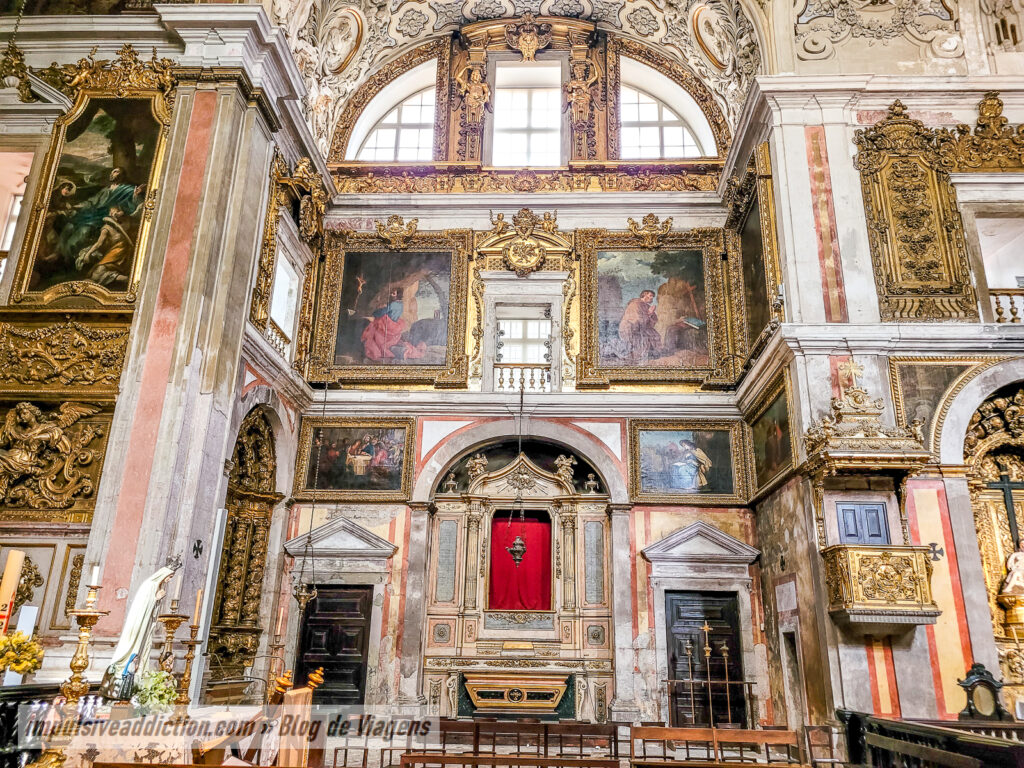
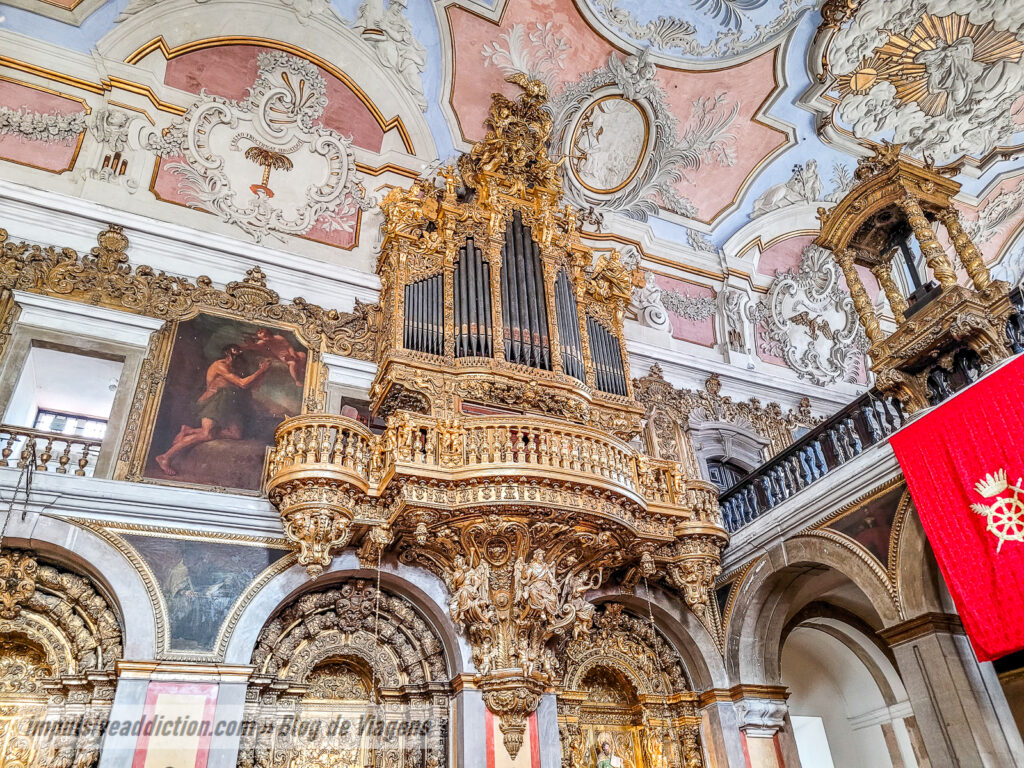
The church’s interior is a true masterpiece, most notably the lavish gilded altarpiece commissioned in 1727 during the reign of King João V. This retable is considered one of the finest examples of Baroque woodcarving, and includes Flemish sculptures of Saint Catherine, Saint Paul, and Saint Anthony the Great.
The ornamental stucco ceiling, dating from the third quarter of the 18th century, was crafted by masters João Grossiand Toscanelli. Another highlight is the monumental pipe organ, also covered in gilded woodwork, which survived the 1755 earthquake and was beautifully restored in 2018 by Dinarte Machado.
The church has been classified as a National Monument since 1918.
7. Convent of the Cardaes
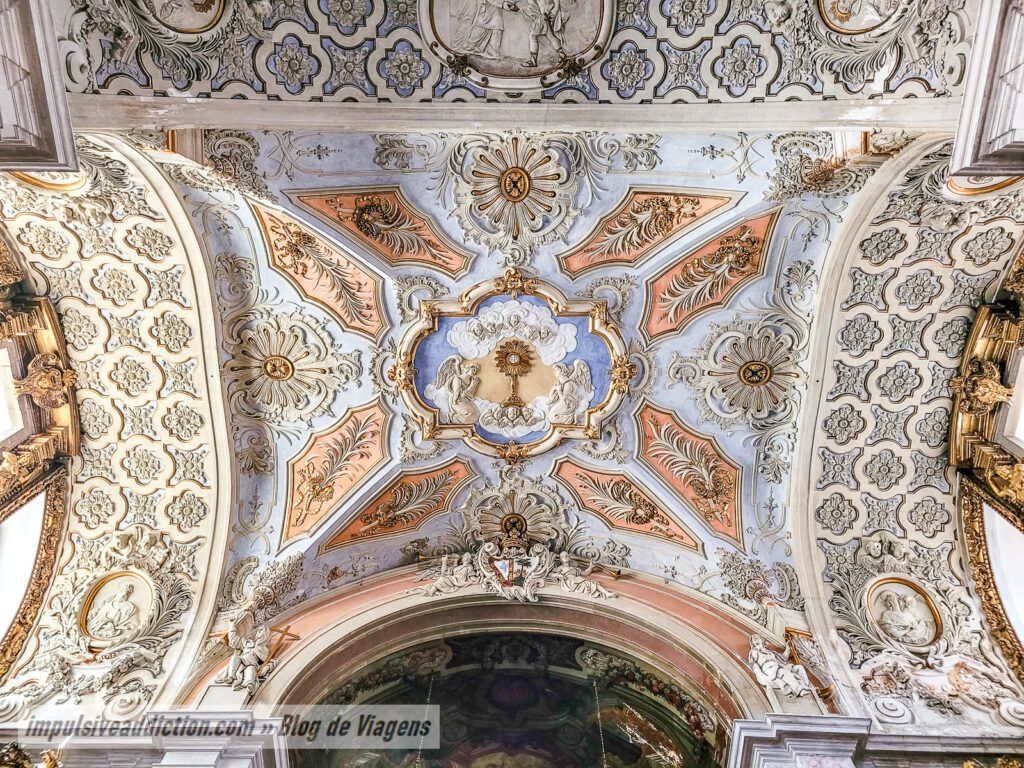
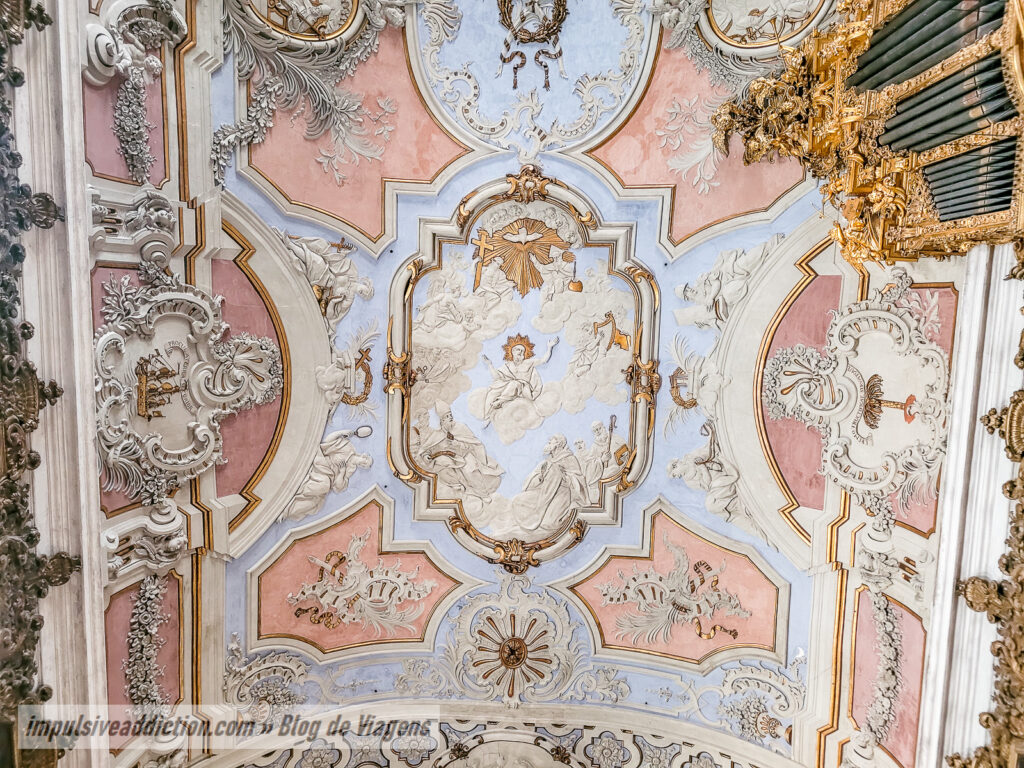
The Convent of the Cardaes, located on Rua do Século in Lisbon, was founded in 1681 by D. Luísa de Távora, prioress of Santos-o-Novo, to house nuns of the Discalced Carmelite Order, following the reform of Saint Teresa of Ávila.
The building features a simple, austere façade that contrasts with the richness of the interior, which is adorned with gilded woodwork, Dutch tiles, and paintings by artists such as António Pereira Ravasco and André Gonçalves. The single-nave church includes a main altarpiece carved by José Rodrigues Ramalho in 1693, and tiles by Jan van Oortillustrating scenes from the life of Saint Teresa.
After the dissolution of religious orders in 1834, the convent was entrusted to the Association of Our Lady Consoler of the Afflicted, which, with support from the Dominican Sisters, transformed it into a residence for women with severe multiple disabilities.
Since 1990, the convent has been open to the public, offering guided tours that reveal its remarkable artistic and historical heritage.
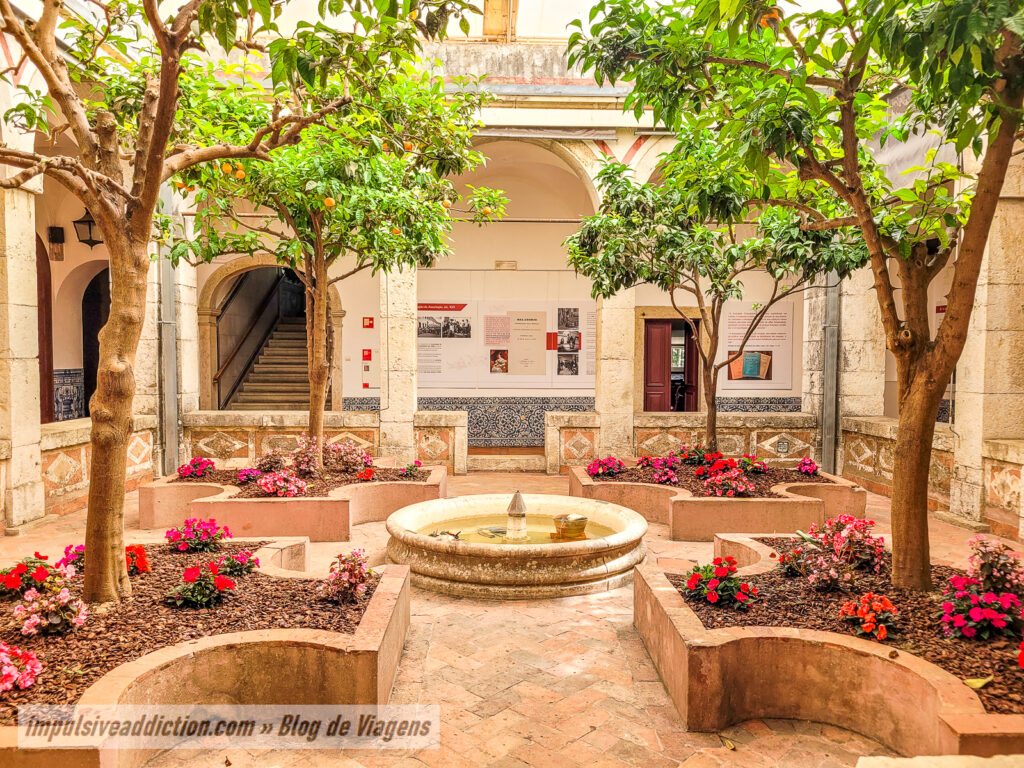

8. Convent of São Pedro de Alcântara
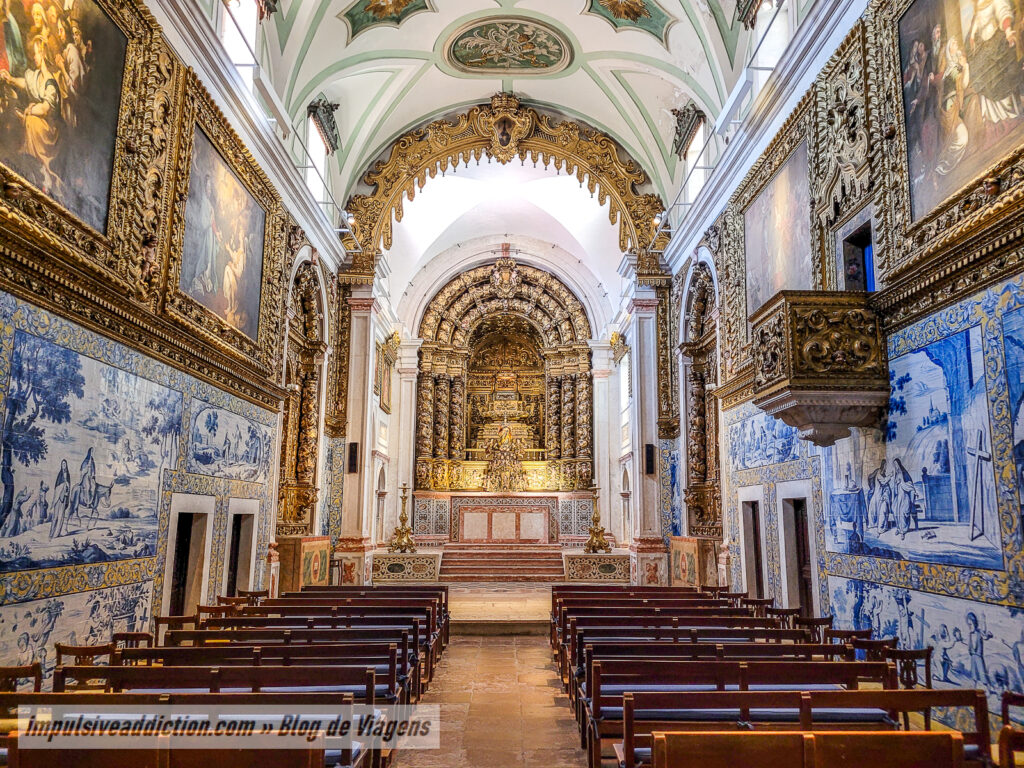
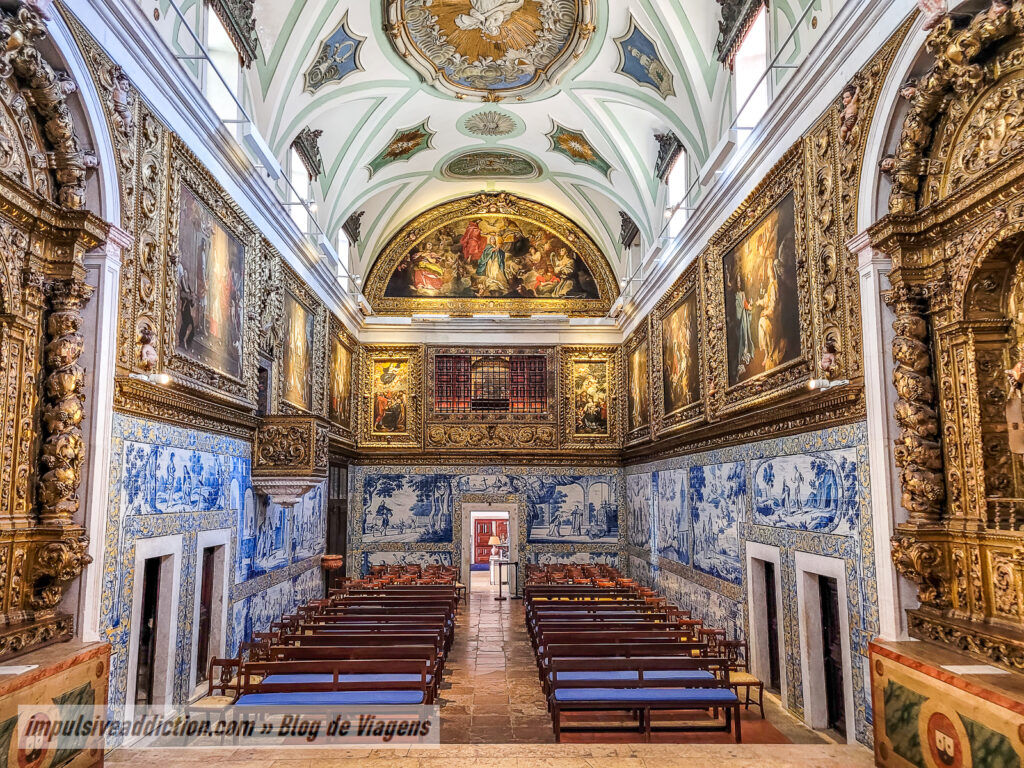
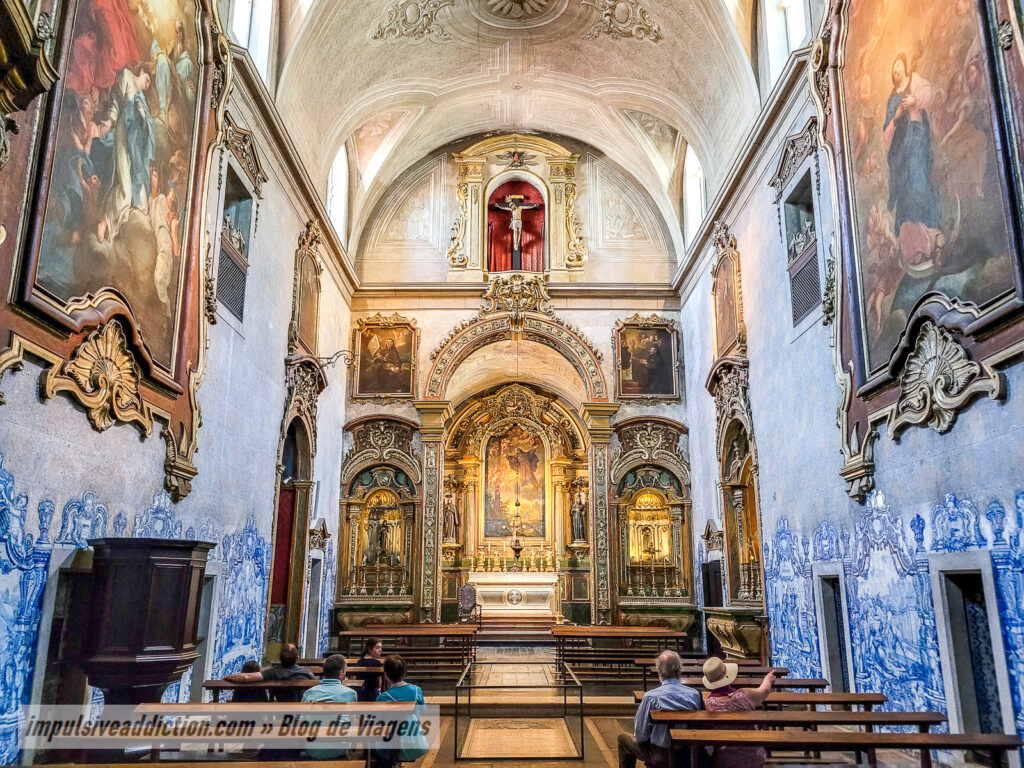
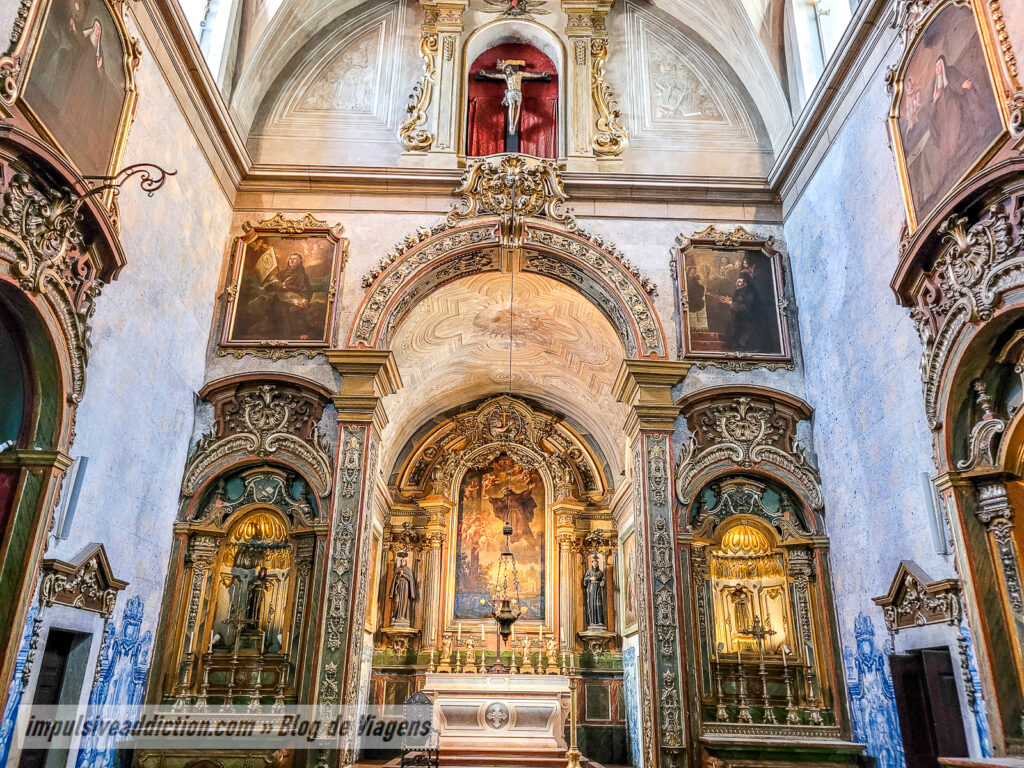
The Convent of São Pedro de Alcântara, located in Lisbon’s Bairro Alto, was founded in 1670 by D. António Luís de Meneses, 1st Marquis of Marialva, in fulfillment of a vow made during the Battle of Montes Claros. The convent was entrusted to the Order of Friars Minor Capuchins, also known in Portugal as the Arrábidos.
The church was richly decorated with gilded woodwork and 18th-century azulejos depicting scenes from the life of Saint Peter of Alcántara.
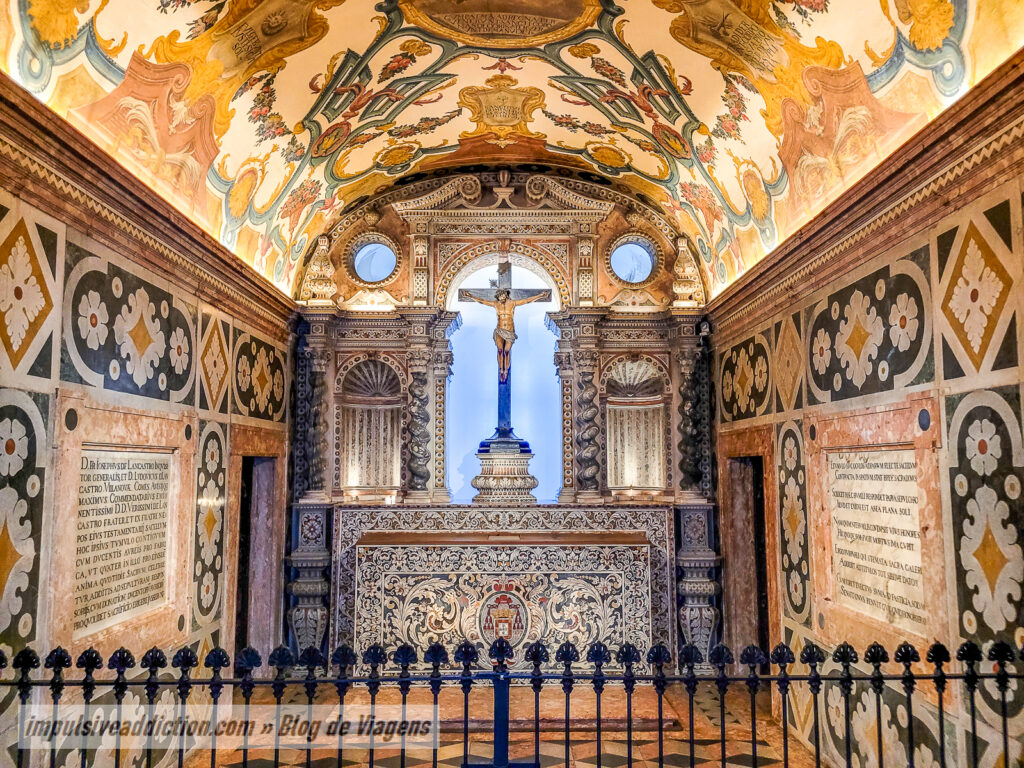
One of the convent’s greatest treasures is the Lencastre Chapel, built between 1686 and 1692 for the devotion of Cardinal D. Veríssimo de Lencastre. This funerary chapel is a masterpiece of Baroque stonework, clad in polychrome marble, and features a painting by Pierre Quillard of the Coronation of the Virgin by the Holy Trinity.
Following the dissolution of religious orders in 1833, the convent was entrusted to the Santa Casa da Misericórdia de Lisboa, which used it as a residence for orphaned girls. In 2014, the building was opened to the public, allowing visitors to explore its remarkable spiritual and artistic heritage.
9. Church of São Roque
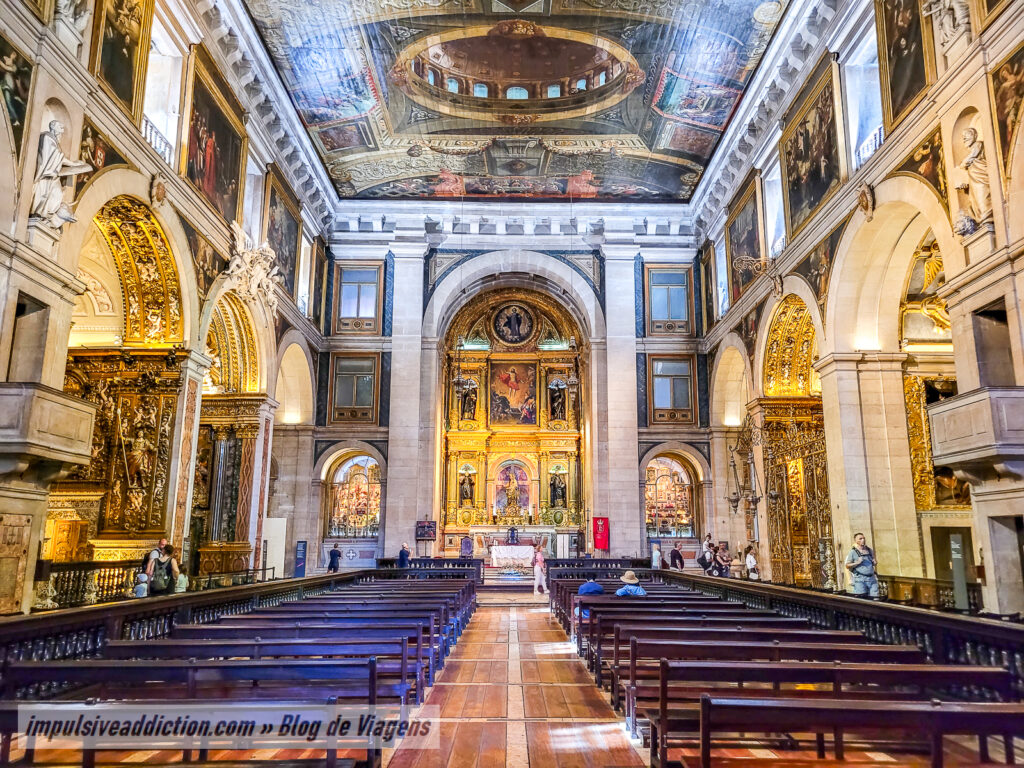
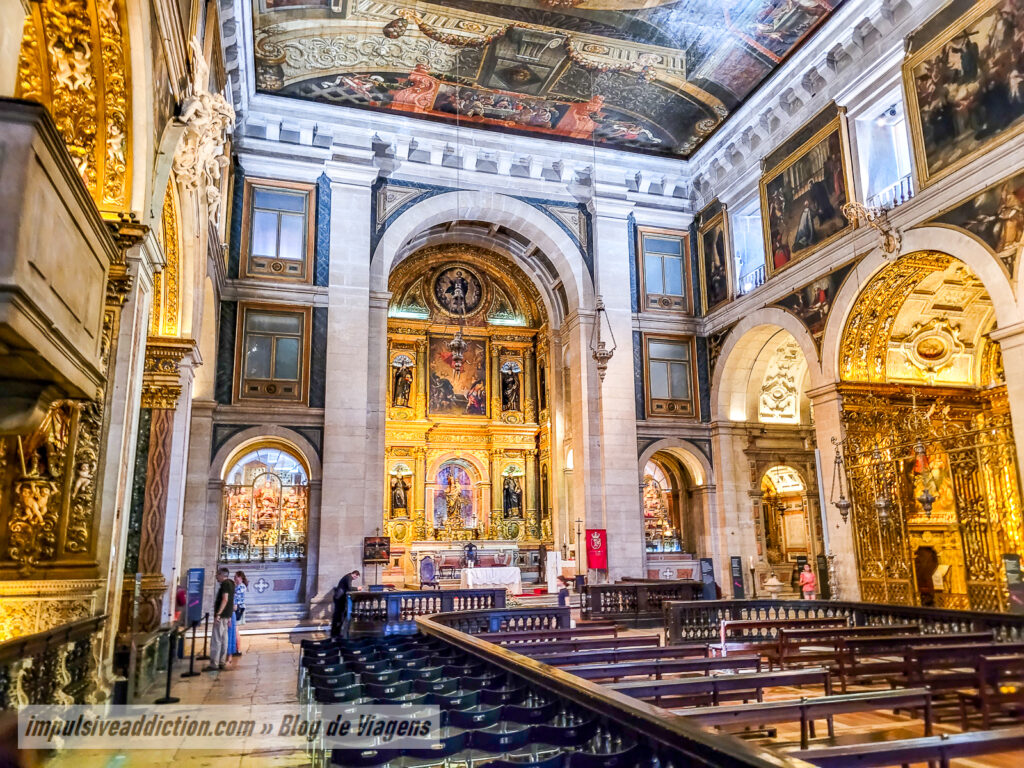
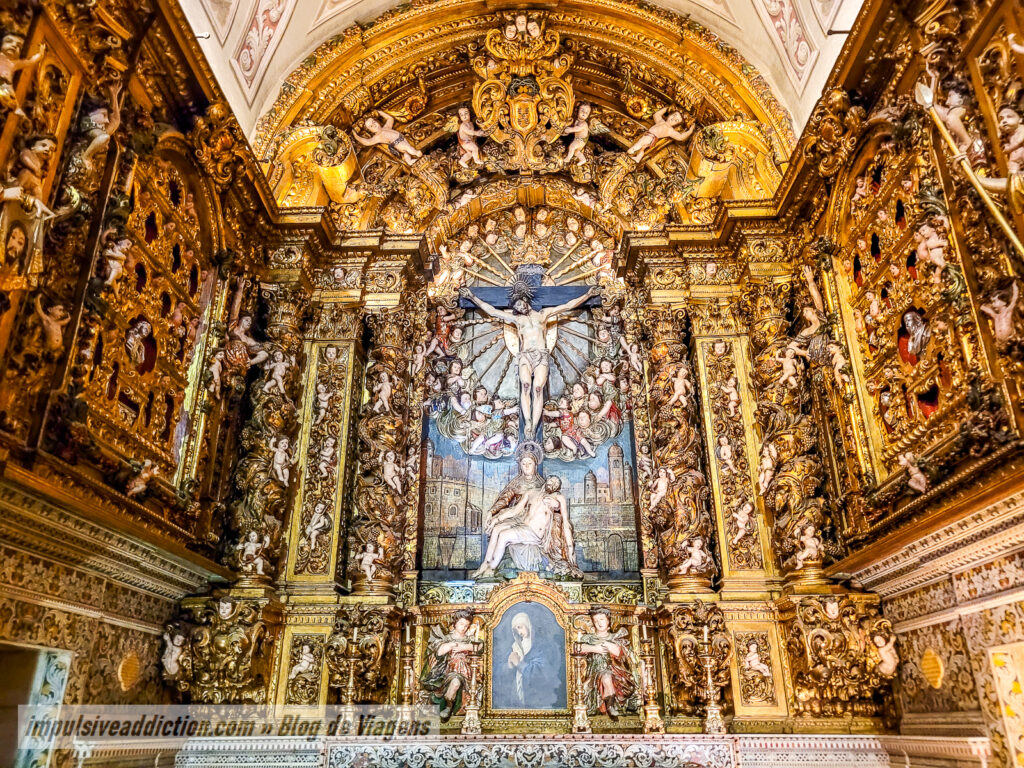
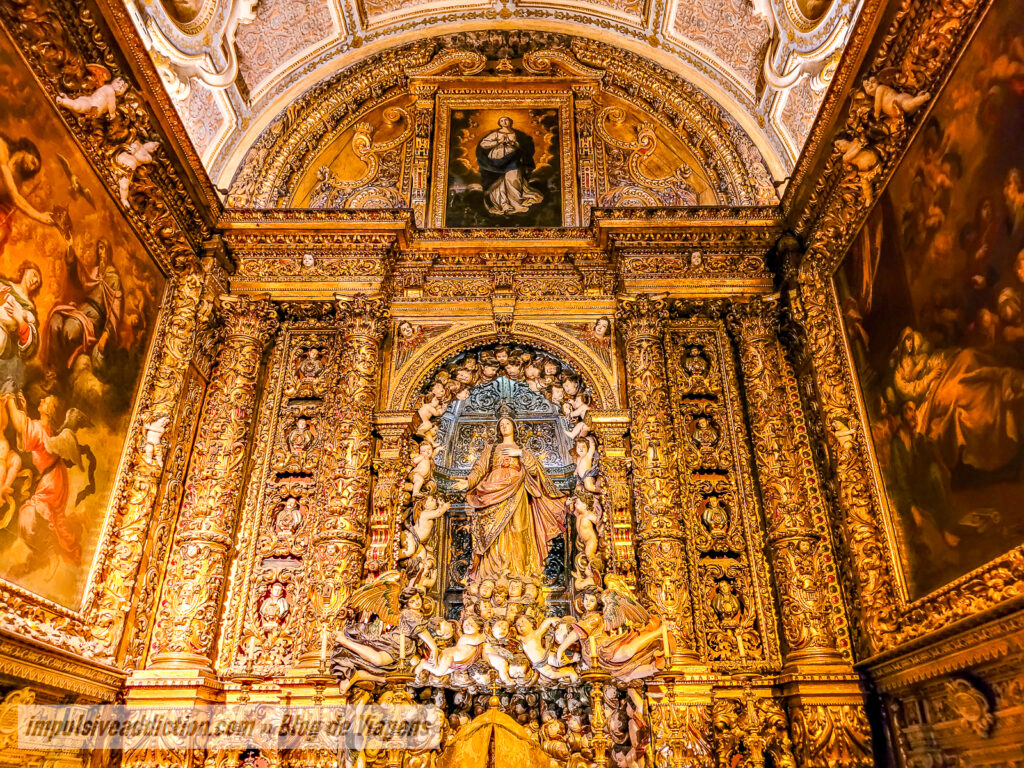
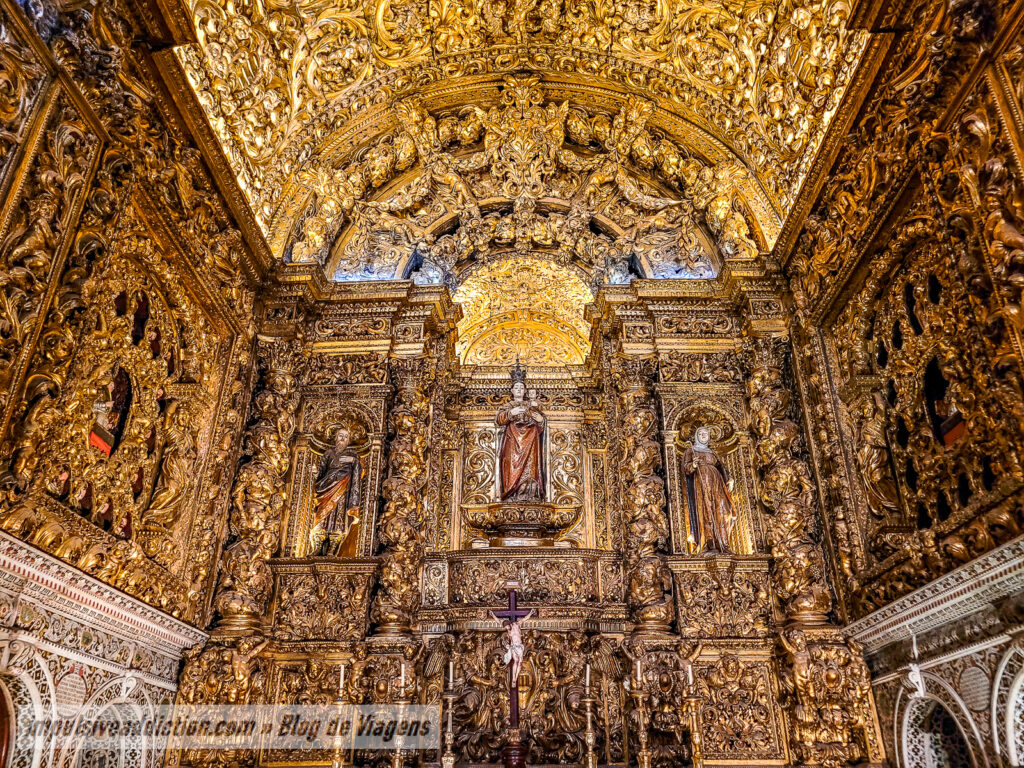
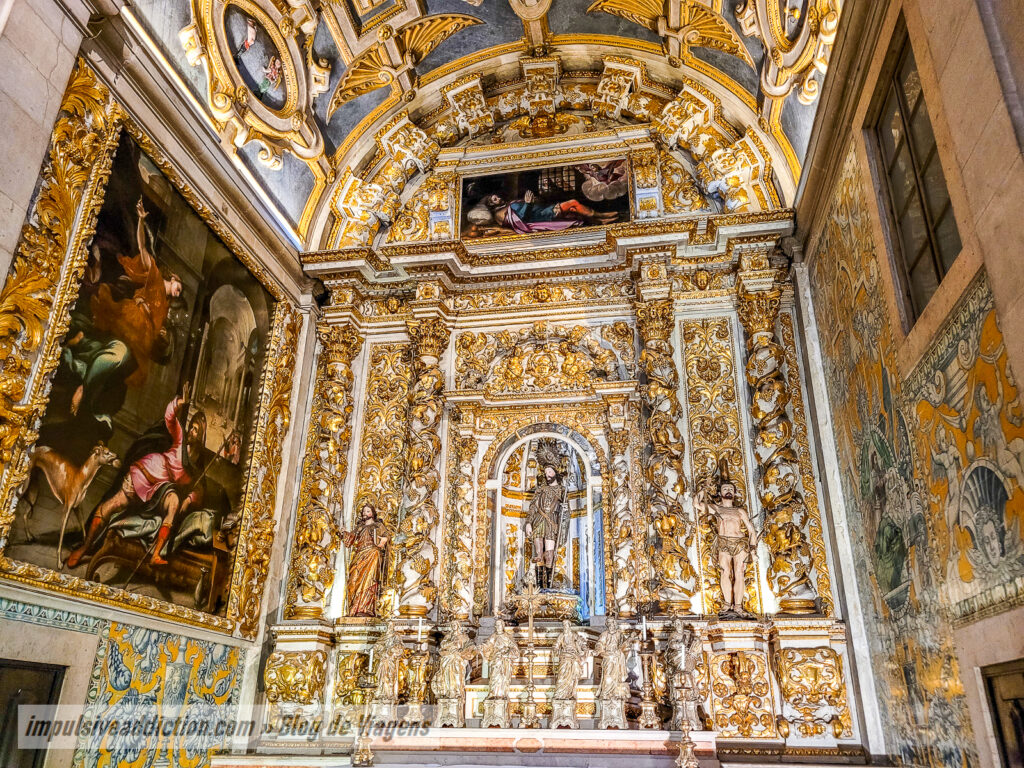
Located in Largo Trindade Coelho, Lisbon, the Church of São Roque was built between 1566 and 1619 as the first Jesuit church in Portugal, and one of the earliest in the world. Construction began under architect Afonso Álvares and was completed by Filipe Terzi. Its austere stone façade reflects the Jesuit ideals of simplicity, while the interior is a display of Mannerist and Baroque opulence, adorned with gilded woodwork, tiles, and colored marble.
One of the highlights is the painted wooden ceiling, created between 1584 and 1590 by Francisco Venegas and Amaro do Vale, which survived the 1755 earthquake thanks to an ingenious anti-seismic support system.
Adjacent to the church is the São Roque Museum, founded in 1905, home to one of Portugal’s most important collections of sacred art. The museum features paintings, sculpture, precious metalwork, and Asian art. Its centerpiece is the Chapel of Saint John the Baptist, commissioned by King João V in Rome and installed in the church in 1747.
This chapel is regarded as a masterpiece of Italian art, entirely clad in precious marbles and mosaics depicting the Baptism of Christ, the Pentecost, and the Annunciation.
10. Church of Our Lady of Loreto (Igreja dos Italianos)
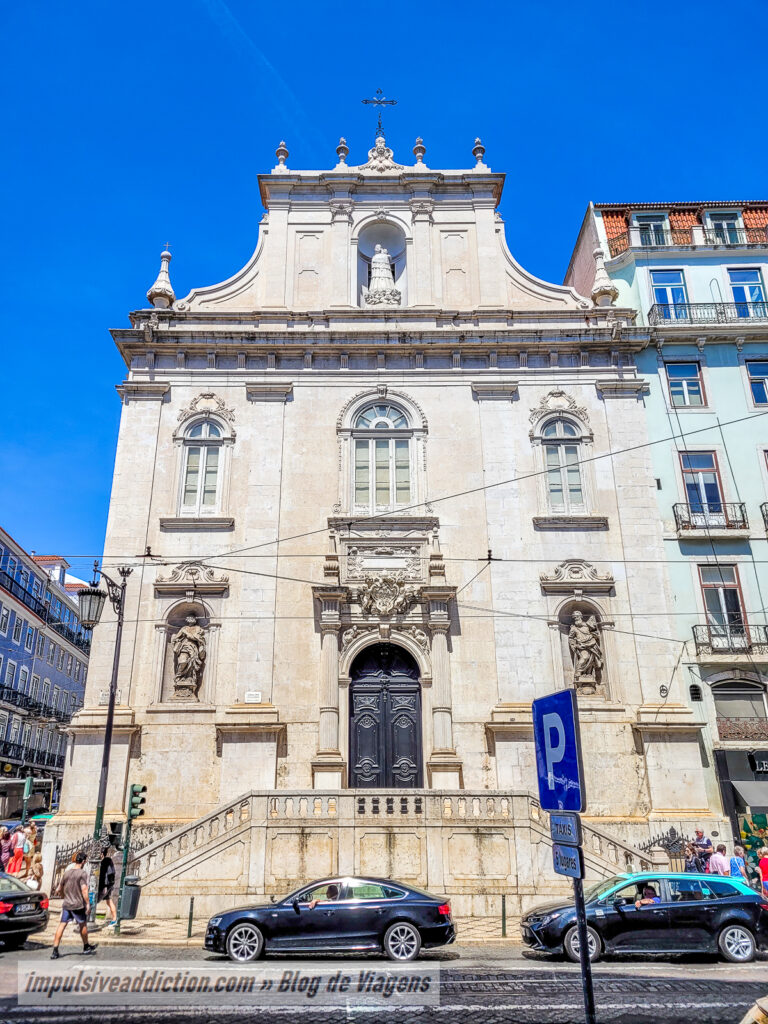
The Church of Our Lady of Loreto, also known as the Church of the Italians, is located in Largo do Chiado, in Lisbon. It was originally founded in 1518 by a community of Italian merchants, mainly Venetians and Genoese, to serve as a place of worship for the growing immigrant population in the city.
The current Baroque-style building was designed by José da Costa e Silva and rebuilt after the 1755 earthquake, reopening in 1785.
The interior of the church is known for its lavish decoration, including Italian marble and a ceiling painting attributed to Pedro Alexandrino. The main façade features a statue of Our Lady of Loreto, flanked by Saint Peter and Saint Paul, along with the papal coat of arms, reflecting the church’s historical ties to the Vatican and the Italian Catholic community in Lisbon.
11. Church of Our Lady of the Incarnation (Igreja de Nossa Senhora da Encarnação)
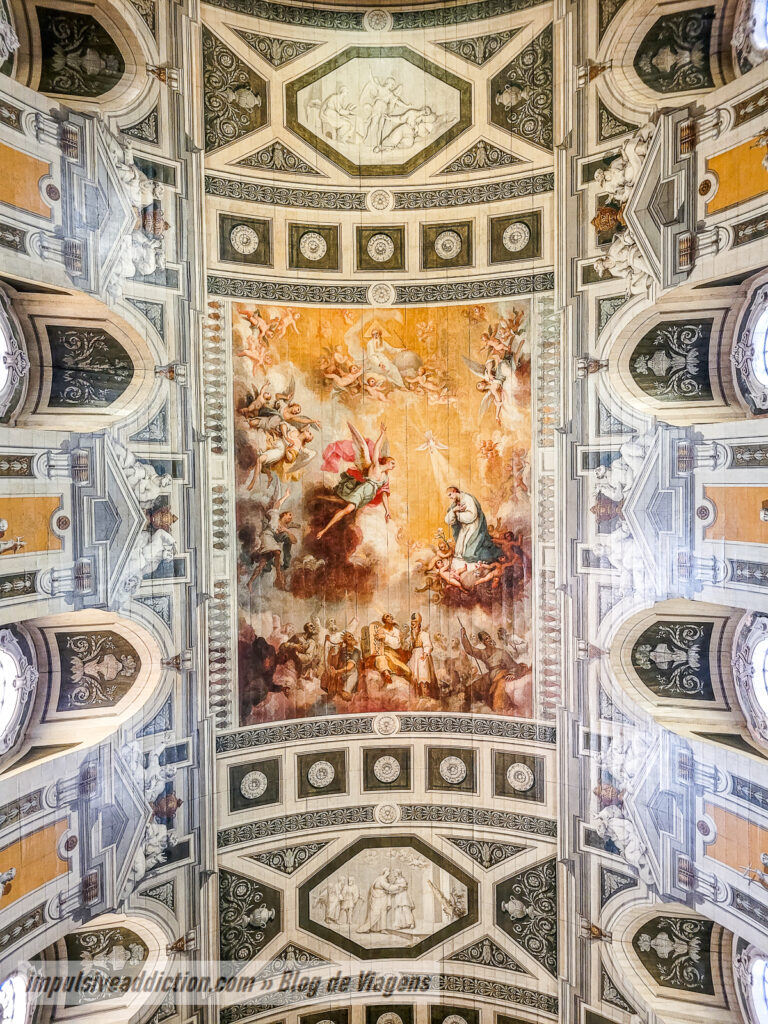
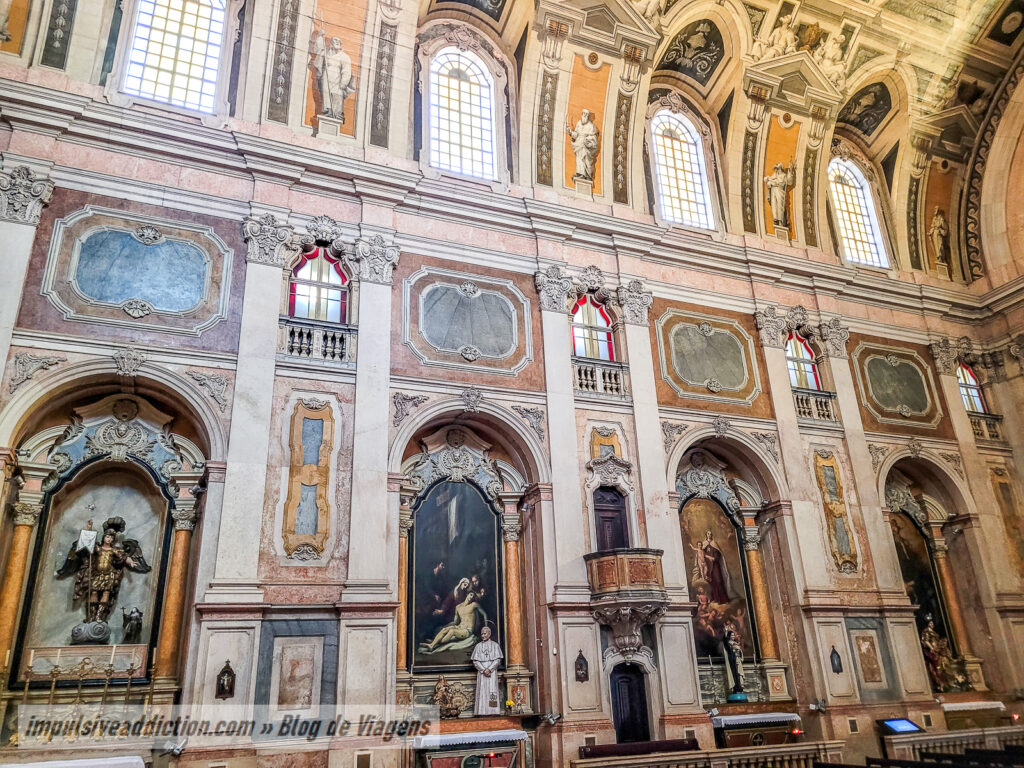
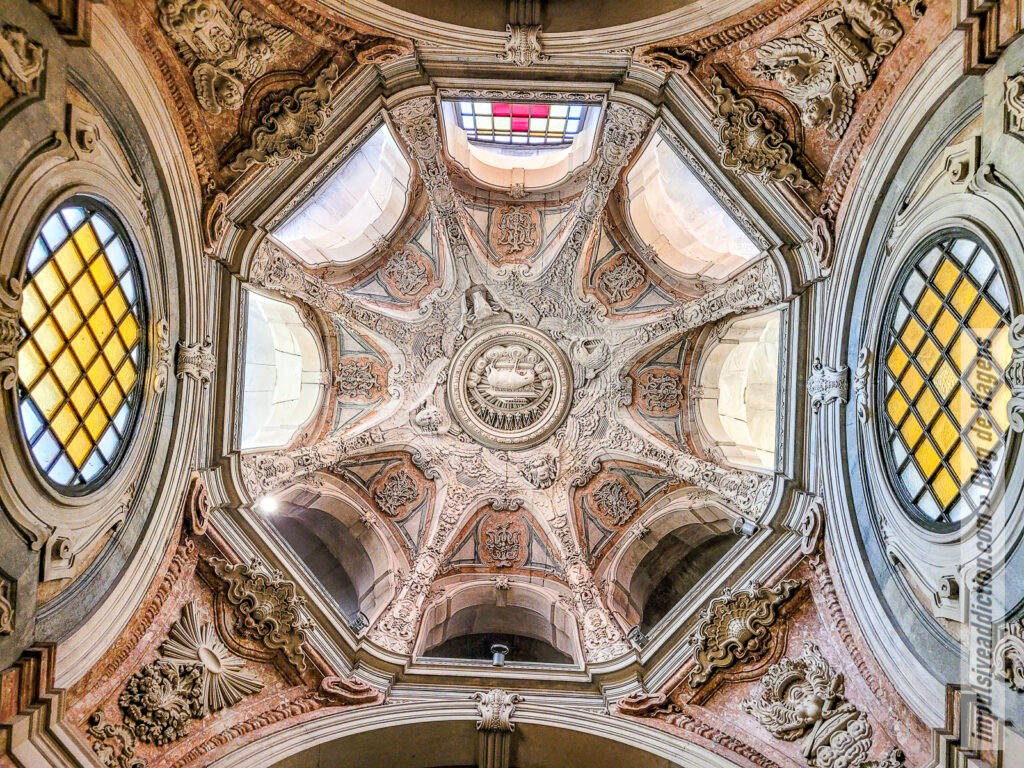
The Church of Our Lady of the Incarnation, located in Largo do Chiado, Lisbon, was originally built as a parish church in the early 18th century. It was destroyed in the 1755 earthquake and rebuilt between 1784 and 1785 by architect Manuel Caetano de Sousa, following the Pombaline urban plan for the reconstruction of downtown Lisbon.
The Neoclassical façade features rocaille decorative elements, including 17th-century sculptures that once adorned the Porta de Santa Catarina, part of King Ferdinand’s medieval wall.
Inside, the main altar is home to a sculpture of Our Lady of the Incarnation, attributed to renowned sculptor Machado de Castro. The chancel is clad in polychrome marble, while the nave ceiling is decorated with a perspective painting of the Annunciation by Simão Caetano Nunes.


12. Basilica of Our Lady of the Martyrs (Basílica de Nossa Senhora dos Mártires)
The Basilica of Our Lady of the Martyrs, located on Rua Garrett in Lisbon’s Chiado district, was originally founded in 1147 by King Afonso Henriques, shortly after the Christian reconquest of Lisbon. The first church was built over the cemetery of English crusaders who died in the battle.
The current basilica, designed by architect Reinaldo Manuel dos Santos, was completed in 1784 after the previous building was destroyed in the 1755 earthquake. It is a remarkable example of Pombaline religious architecture, combining Baroque and Neoclassical elements.
The interior is equally impressive, featuring a single nave flanked by eight side chapels. The ceiling painting, by Pedro Alexandrino de Carvalho, depicts the dedication of the church to Our Lady of the Martyrs, surrounded by the Doctors of the Church.
The main chapel contains a white marble altarpiece and a black marble tabernacle, both of significant artistic value. The original baptismal font, which survived the earthquake, is an important historical artifact — it was used for the baptisms of notable figures such as Blessed Bartolomeu dos Mártires, Cardinal D. Luís de Sousa, and the poet Fernando Pessoa.
13. Church of the Most Holy Sacrament (Igreja do Santíssimo Sacramento)
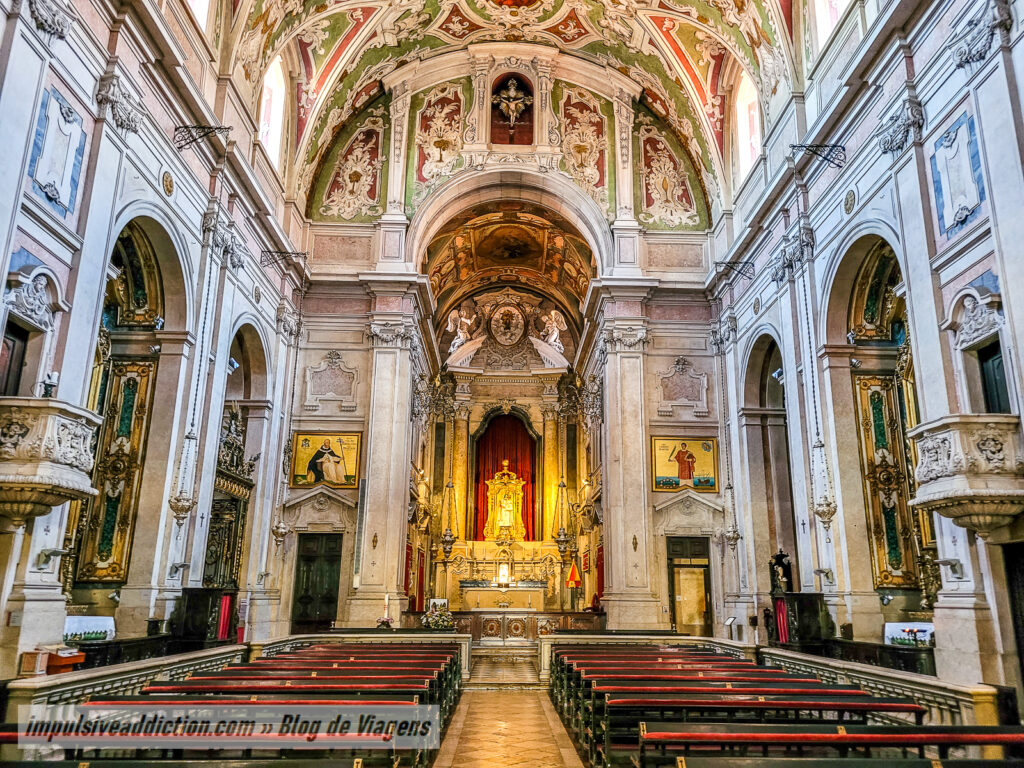
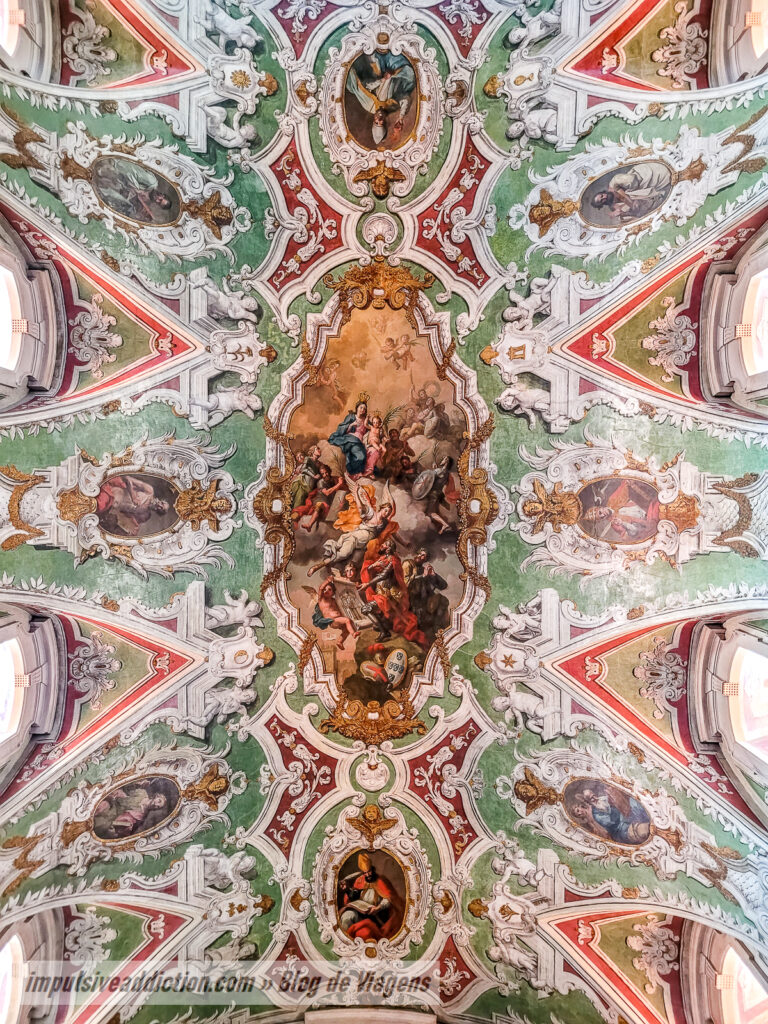
Founded in 1584, the Church of the Most Holy Sacrament was established as the first Lisbon parish created after the Council of Trent. The current church was built between 1671 and 1685, and the Blessed Sacrament was transferred to the new building in 1685.
Following the devastating 1755 earthquake, the church suffered major damage, including the collapse of its bell towers and nave ceiling, followed by a destructive fire. Despite the devastation, the Brotherhood of the Blessed Sacramentmanaged to save the pyx containing the Holy Sacrament, which was temporarily housed in a provisional chapel until the church could be rebuilt.
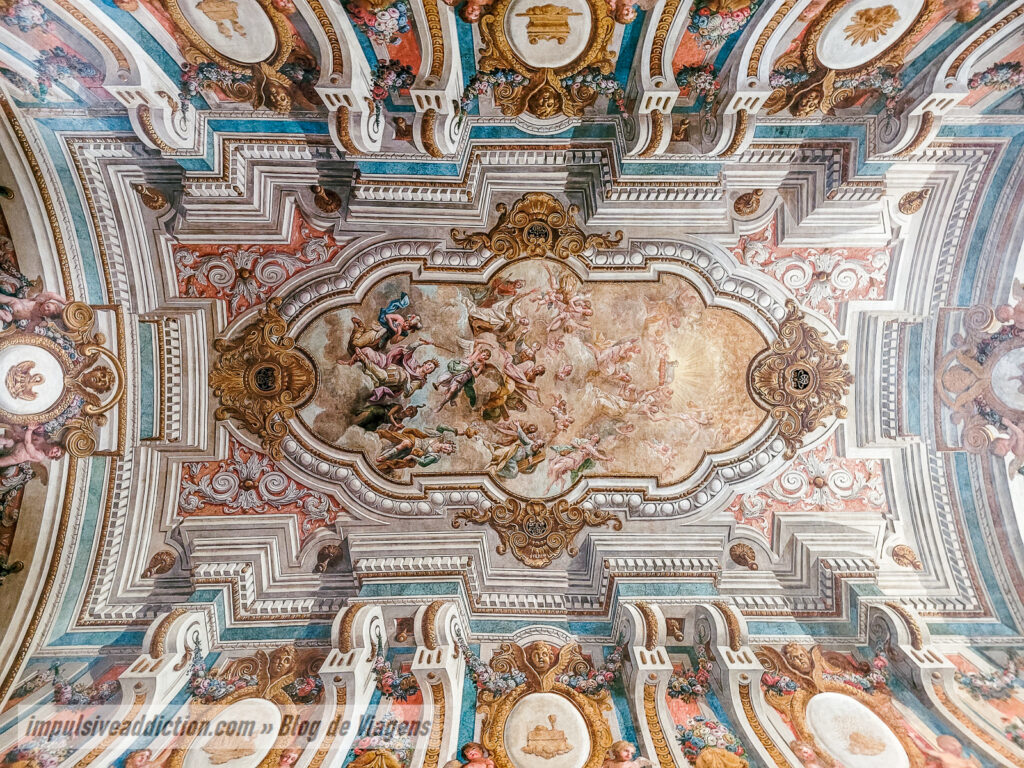
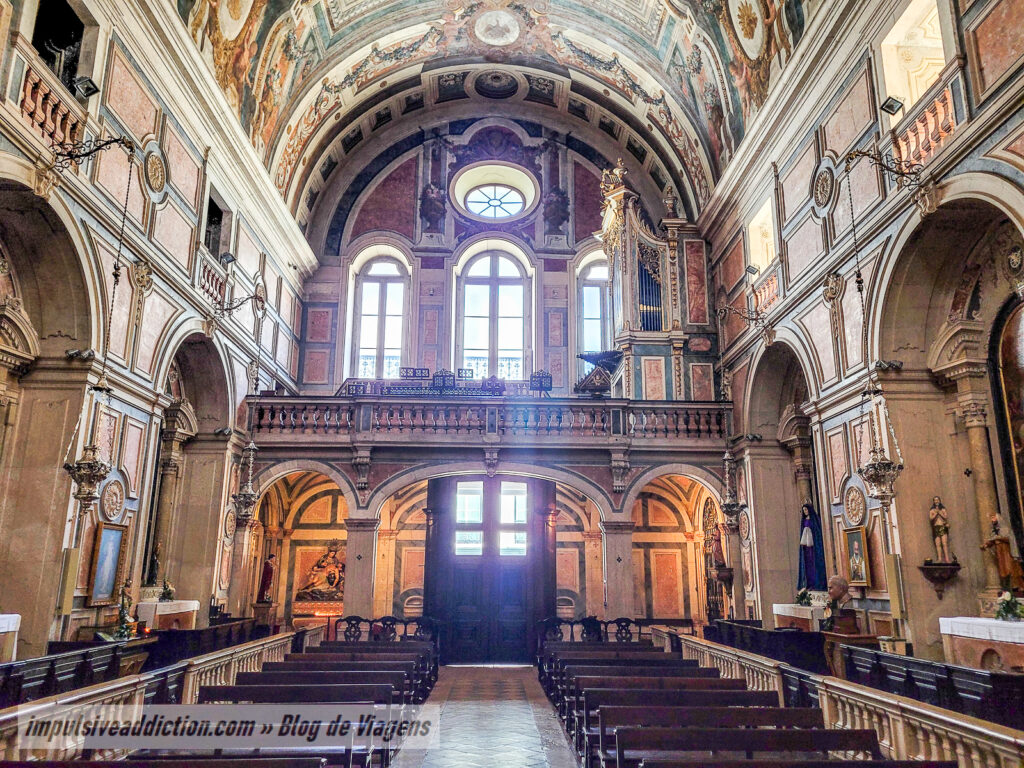
The interior features rich gilded woodwork and ornamental stuccoes. The painted ceiling by António Pimenta Rolimdepicts a striking allegory to the Blessed Sacrament. The church also houses a monumental pipe organ, built in 1817by António Xavier Machado e Cerveira, considered one of the most significant examples of Portuguese organ craftsmanship.
14. Church of São Domingos
The Church of São Domingos, located in Largo de São Domingos in Lisbon, is one of the city’s most emblematic and historically significant churches — a monument shaped by centuries of resilience and transformation.
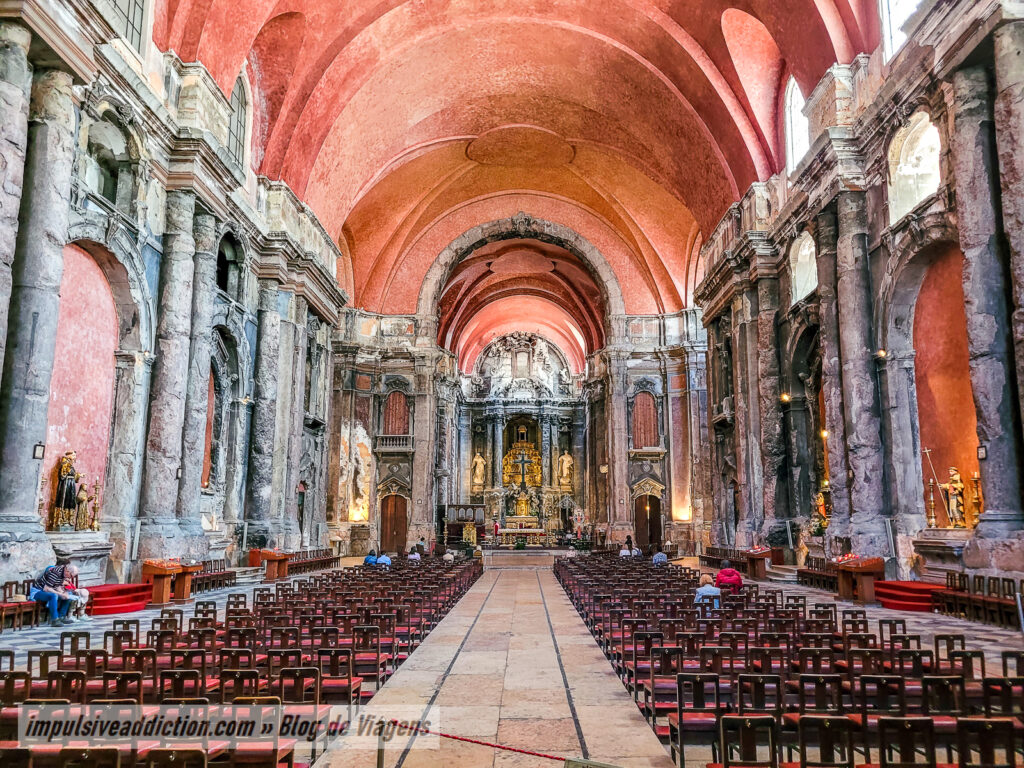
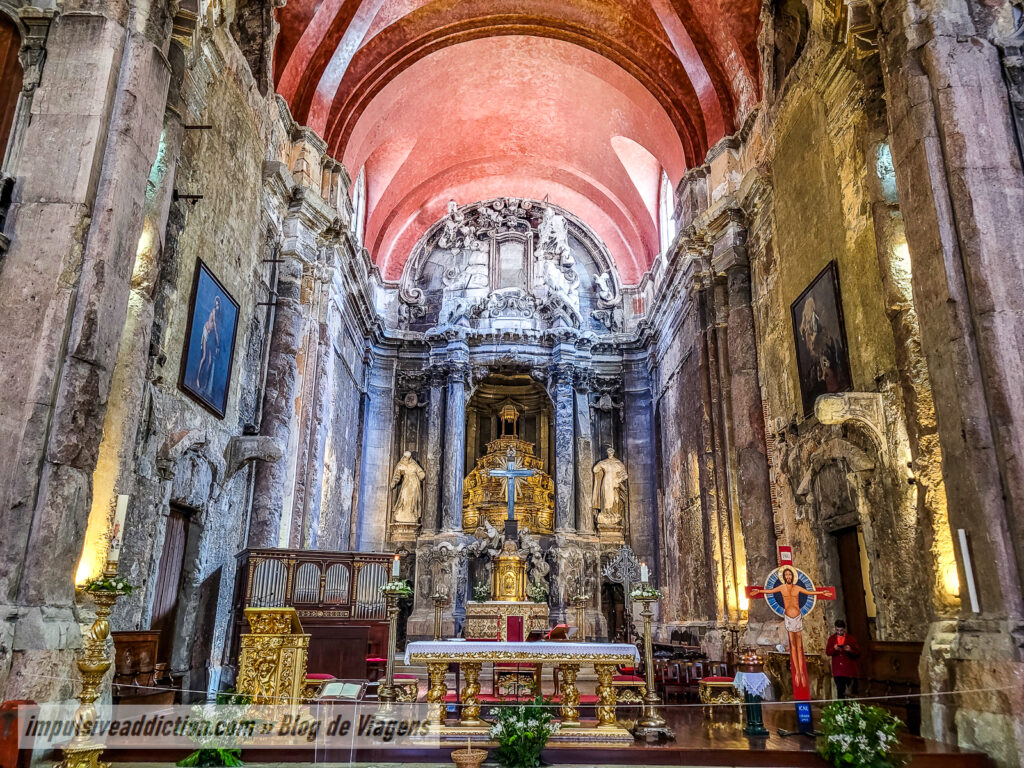
Originally founded in 1241 by King Sancho II as part of a Dominican convent, the church has undergone several major reconstructions. It was rebuilt in 1536 following the 1531 earthquake and again after the catastrophic 1755 Lisbon earthquake, under the direction of architect Carlos Mardel and with the collaboration of Manuel Caetano de Sousa. A devastating fire in 1959 destroyed much of its ornate interior — including golden altarpieces and paintings by Pedro Alexandrino de Carvalho. The church was reopened to the public in 1994, intentionally preserving the visible scars of the fire, which now contribute to its striking and solemn atmosphere.
Architecturally, the church features a grand single-nave interior, supported by massive marble columns, and an overall sense of monumental scale. Notable elements include the tombs of historical figures such as Infante Afonso, son of King Afonso III, and the celebrated Dominican preacher Fr. Luís de Granada. The church also contains a vaulted crypt adorned with traditional Portuguese azulejos, where the tomb of D. João de Castro, chaplain to King João, is located.
The Church of São Domingos is classified as a National Monument, and remains a powerful symbol of Lisbon’s religious, architectural, and social history.
15. Church of São Nicolau
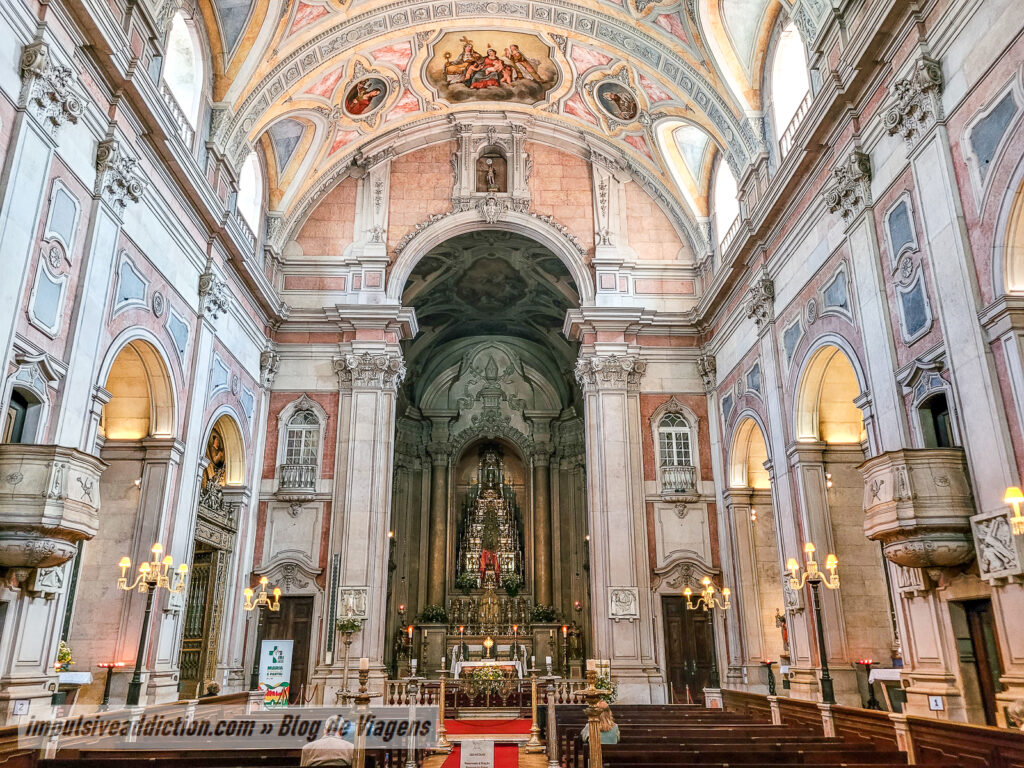
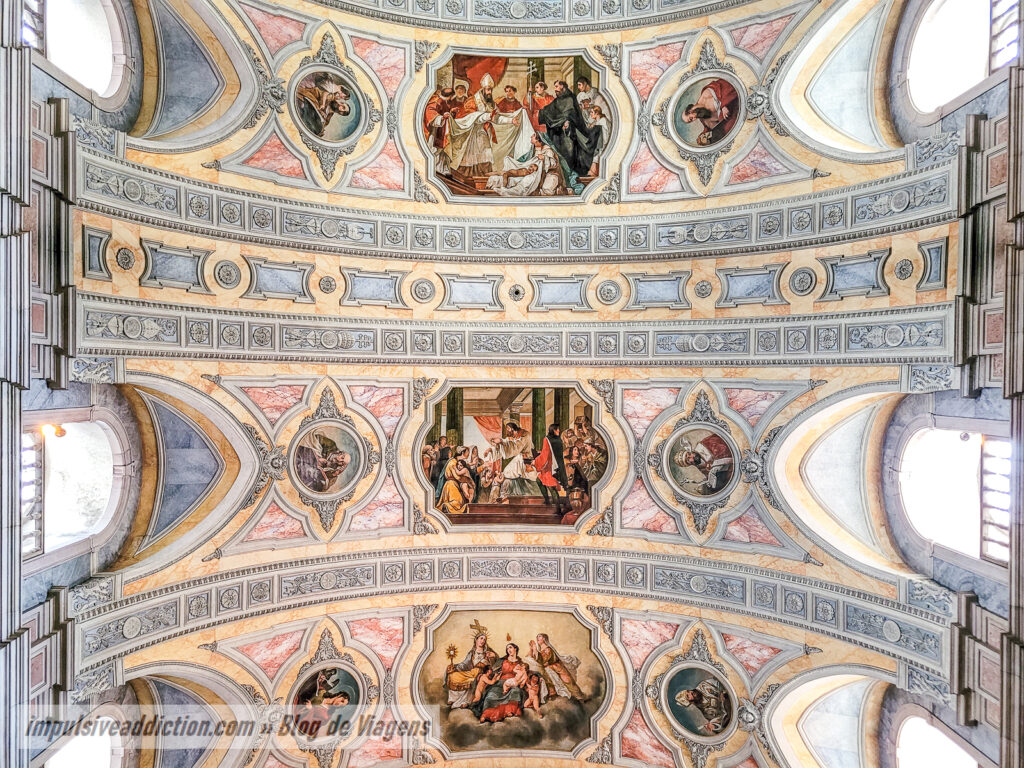
Originally founded between 1209 and 1229, the Church of São Nicolau was rebuilt in 1280 by initiative of Bishop D. Mateus. Following the devastating 1755 earthquake, it underwent a complete reconstruction between 1776 and 1850, led by architect Reinaldo Manuel dos Santos, in the Pombaline style, with Baroque and Rococo influences.
The interior features a single nave with five vaulted bays, richly decorated with ceiling paintings by António Manuel da Fonseca depicting the theological virtues — Faith, Hope, and Charity — as well as scenes from the life of Saint Nicholas. Particularly notable is the marble high altar, housing a statue of São Nicolau, attributed to the school of Machado de Castro, alongside an ornate gilded Eucharistic throne originally from the Convent of Corpus Christi.
This elegant and harmonious church is a fine example of Lisbon’s 18th-century religious architecture, offering visitors a peaceful retreat in the heart of the city.
16. Church of São Cristóvão
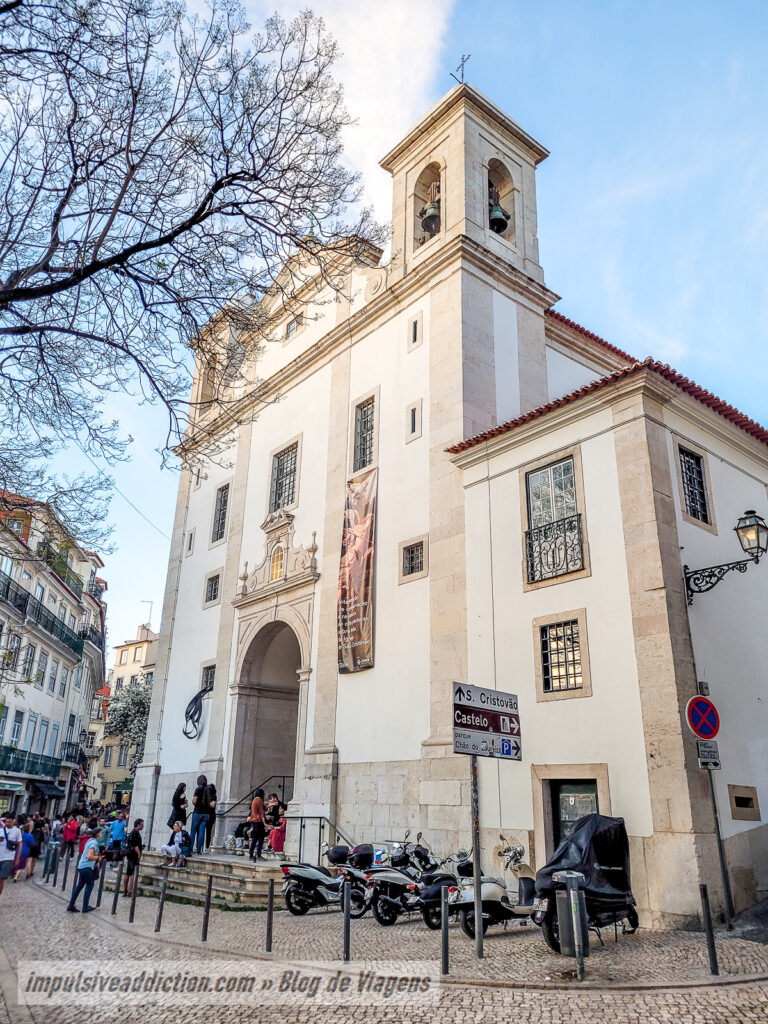
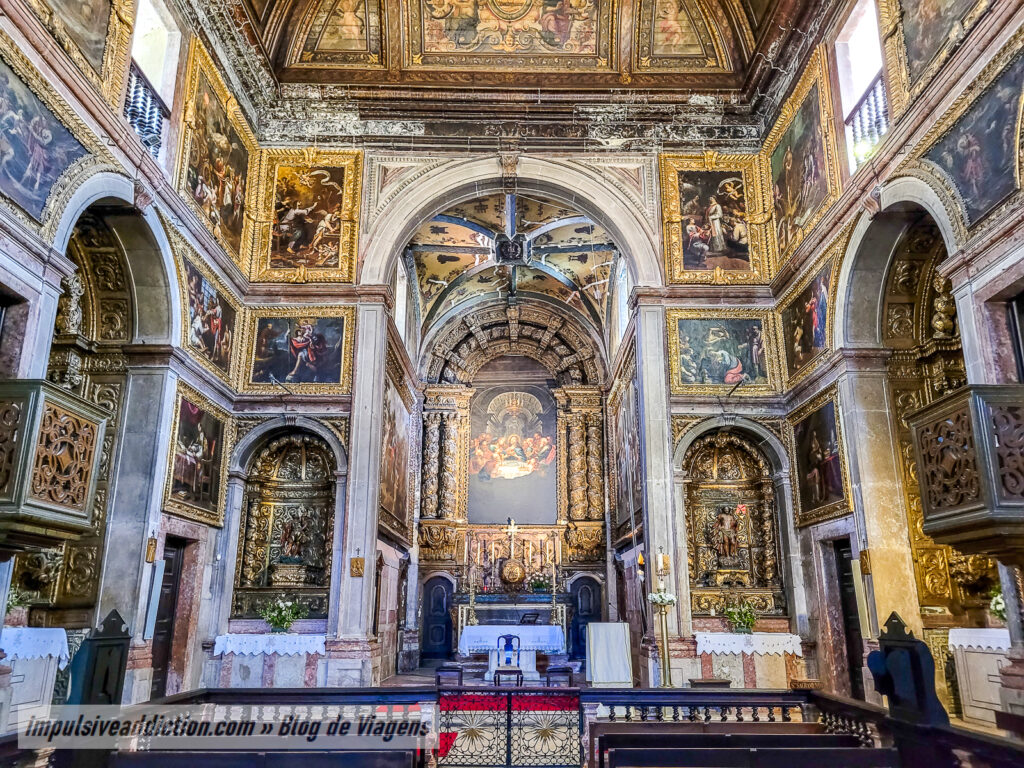
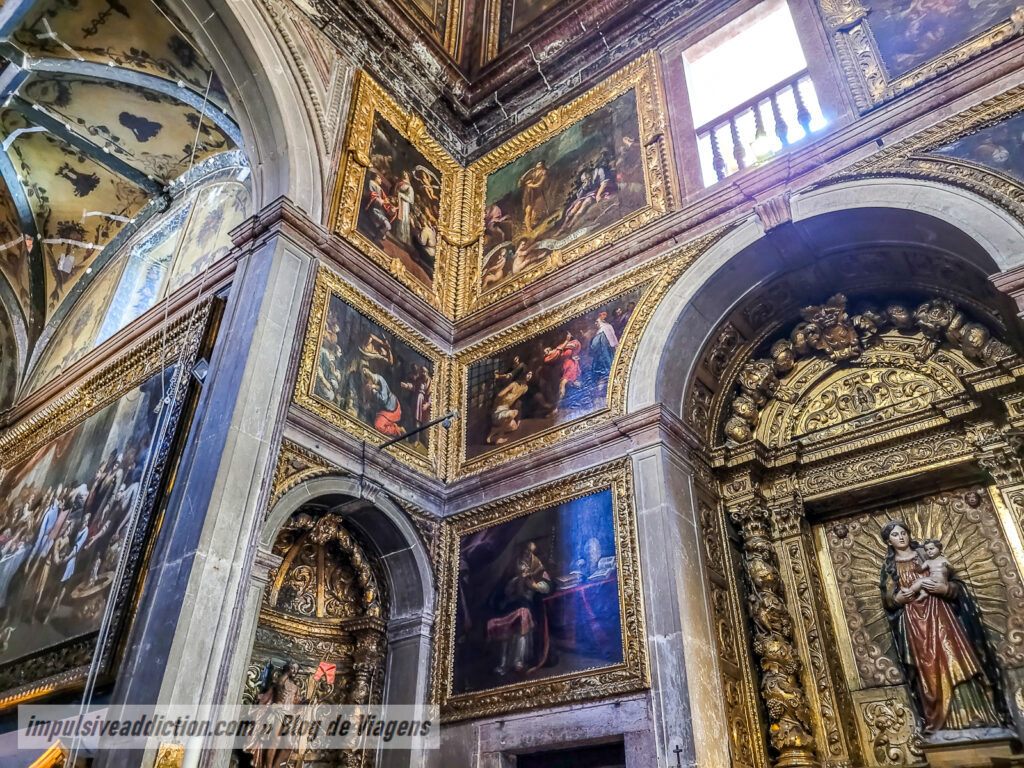
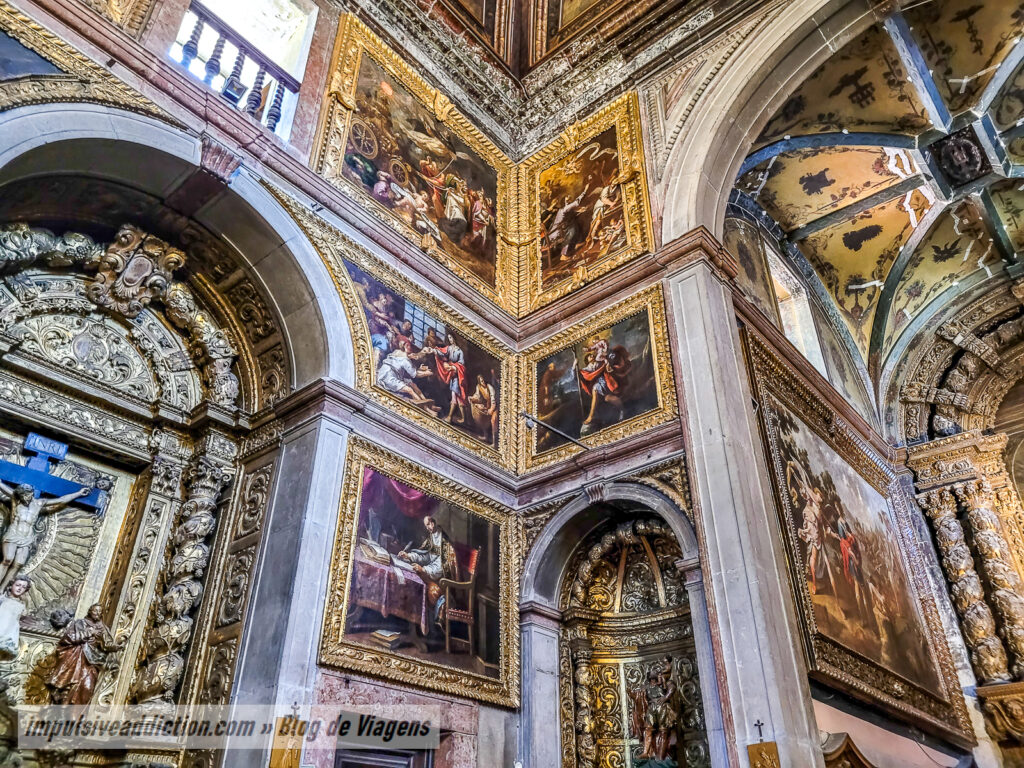
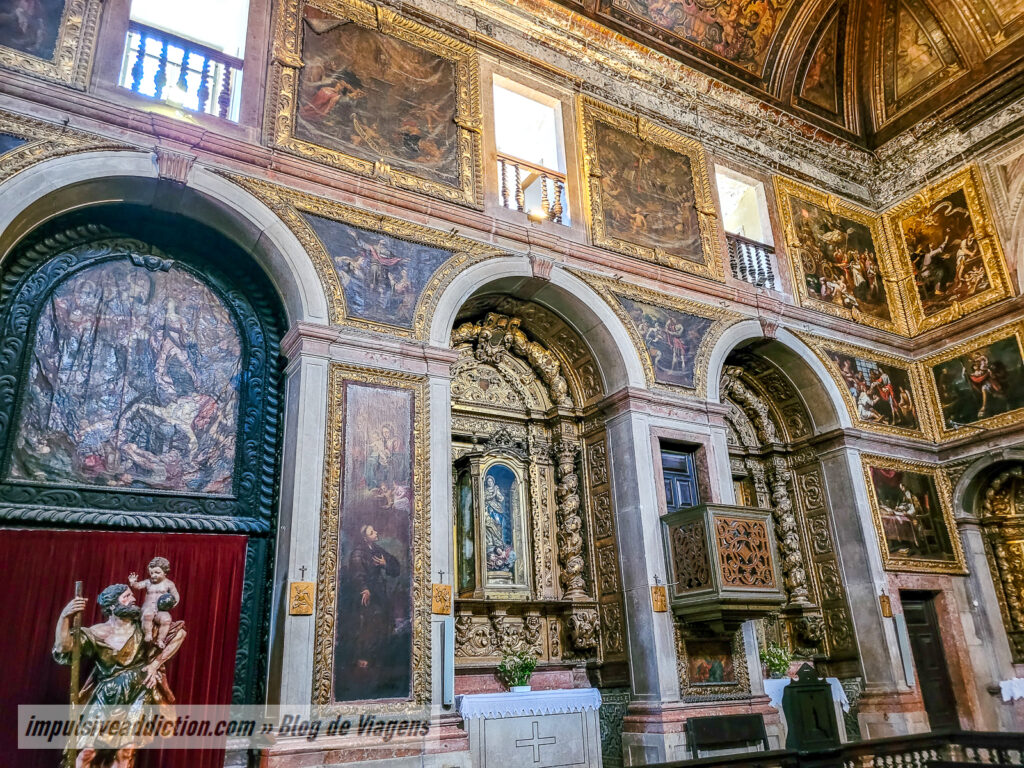
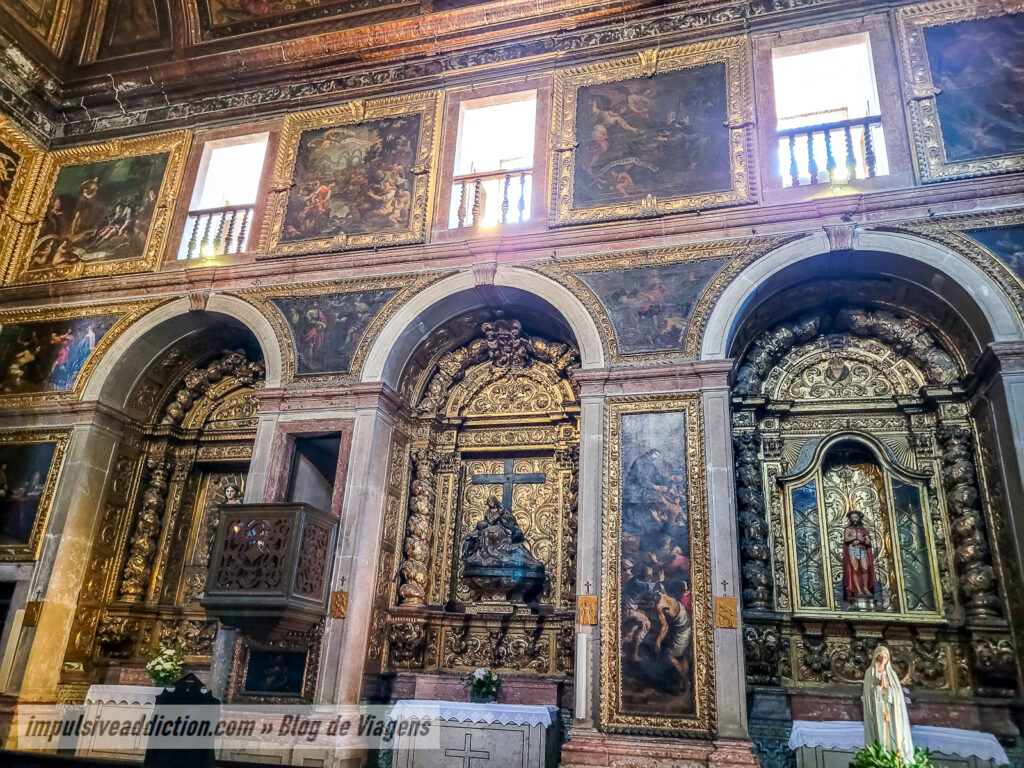
Nestled in the heart of Lisbon’s Mouraria district, the Church of São Cristóvão is one of the city’s oldest places of worship, with origins dating back to the 13th century. Originally known as Santa Maria de Alcamim, it was rebuilt in 1671–1672 after a fire during the reign of King Manuel I. Remarkably, the church survived the 1755 earthquake almost unscathed, preserving much of its original artistic heritage. Today, it is classified as a Property of Public Interest and stands as a fine example of the transition between Mannerism and Baroque in Lisbon.
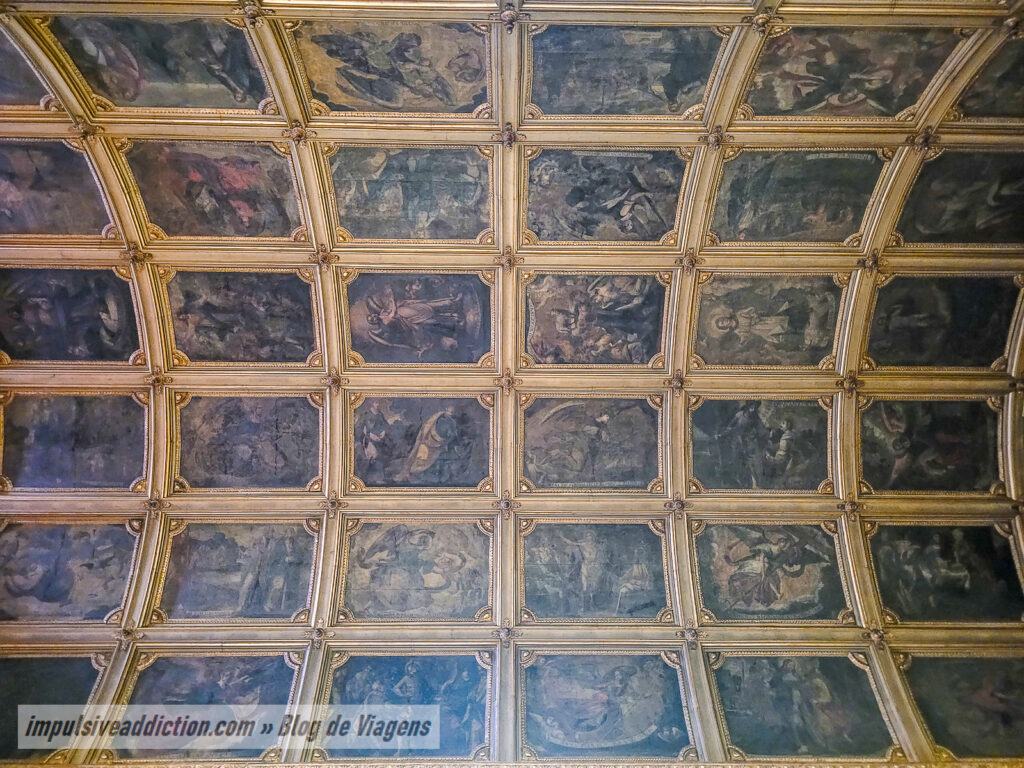
Inside, the church features a single richly decorated nave, adorned with 44 paintings attributed to the workshop of Bento Coelho da Silveira, depicting scenes from the life of Saint Christopher and various other religious figures. The ceiling is a visual highlight, showcasing 15 ornately framed panels in exuberant gilded woodwork. The main chapel, built in 1671 by the Brotherhood of the Blessed Sacrament, and the Chapel of the Mirandas, housing the tombs of the Miranda family, including Bishop D. Fernando de Miranda, further enhance the church’s historic and artistic value.
17. Church of Nossa Senhora da Graça
The Church of Nossa Senhora da Graça, one of Lisbon’s oldest churches, dates back to the 13th century. Founded in 1271 by the Order of Hermit Augustinians, it became the headquarters of the Portuguese province of the order in 1291. Severely damaged in the 1755 earthquake, the church was later rebuilt, preserving Manueline elements such as the baptistery and the Almada Chapel, while incorporating features of the late Baroque style. Its façade is characterized by a dual-angle composition, combining the church and the former convent gatehouse, topped by a bell tower designed by Manuel da Costa Negreiros in 1738.
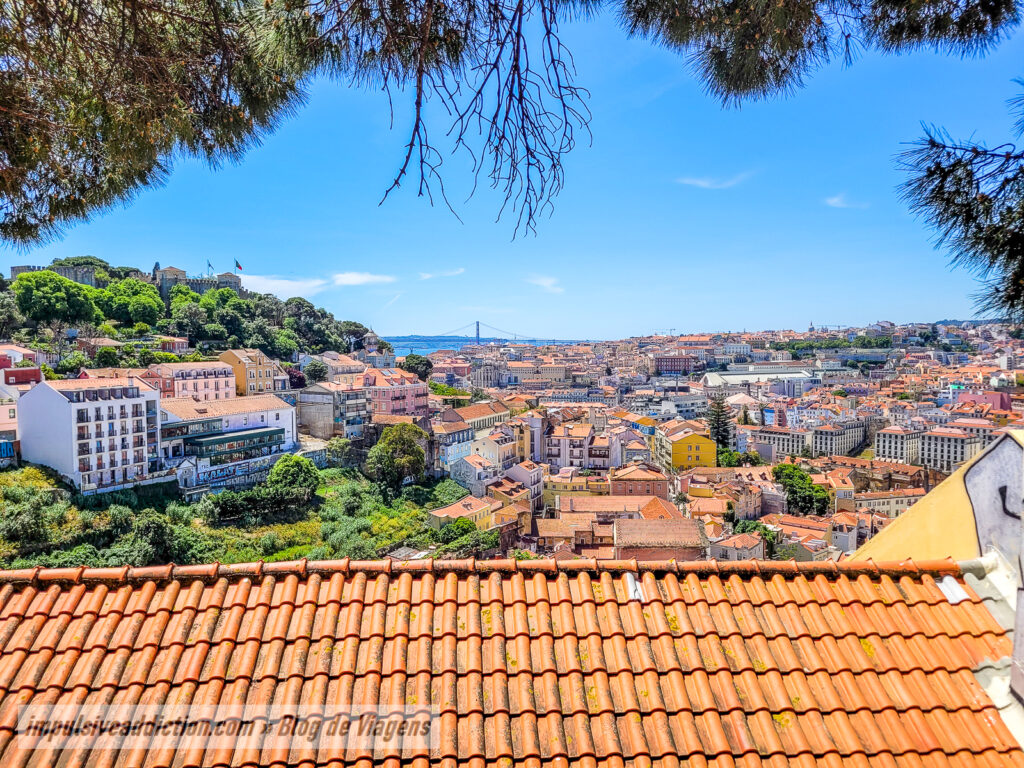
Inside, visitors can admire azulejos (painted tiles) from the 16th, 17th, and 18th centuries, elegant rococo-style gilded wood altars, and 18th-century sculptures in the side chapels. Designated a National Monument since 1910, the Church of Graça is not only an architectural and historical treasure but also offers panoramic views over Lisbon from its scenic terrace.
18. Church of Menino de Deus (Child Jesus Church)
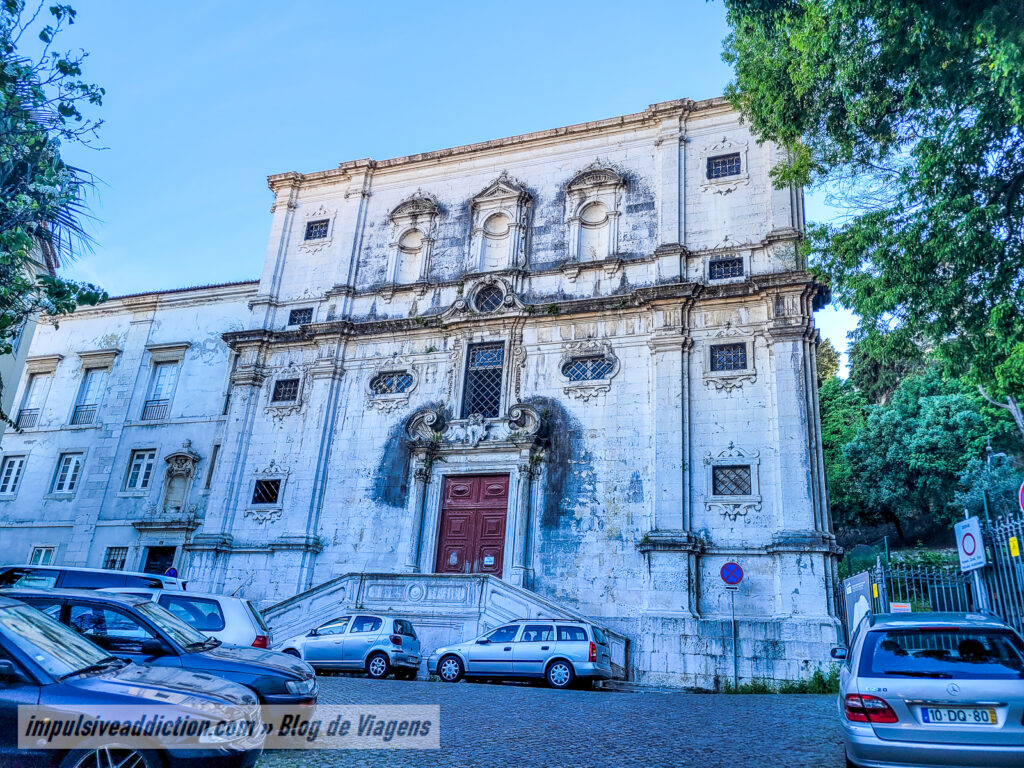
The Church of Menino de Deus was commissioned by King João V in 1711, as a vow made for the birth of an heir. The church was consecrated in 1737, although its decorative completion occurred during the 1730s. Located near Lisbon’s São Jorge Castle, the church stands out for its centralized floor plan and rich interior decoration, including polychrome marble, gilded woodwork, and religious-themed azulejo panels.
The church’s octagonal layout, marked by Corinthian pilasters and eight lateral chapels, gives the interior a harmonious rhythm. The ceiling features a striking trompe-l’œil painting depicting the Apotheosis of Saint Francis. Its façade, a blend of Mannerist and Baroque styles, remains incomplete — the bell towers were never built.
Declared a National Monument in 1918, the church was restored in the 1930s. Since 1945, it has been run by the Congregation of Saint Joseph of Cluny, which converted part of the building into a social center for children, a mission it continues to fulfill today.
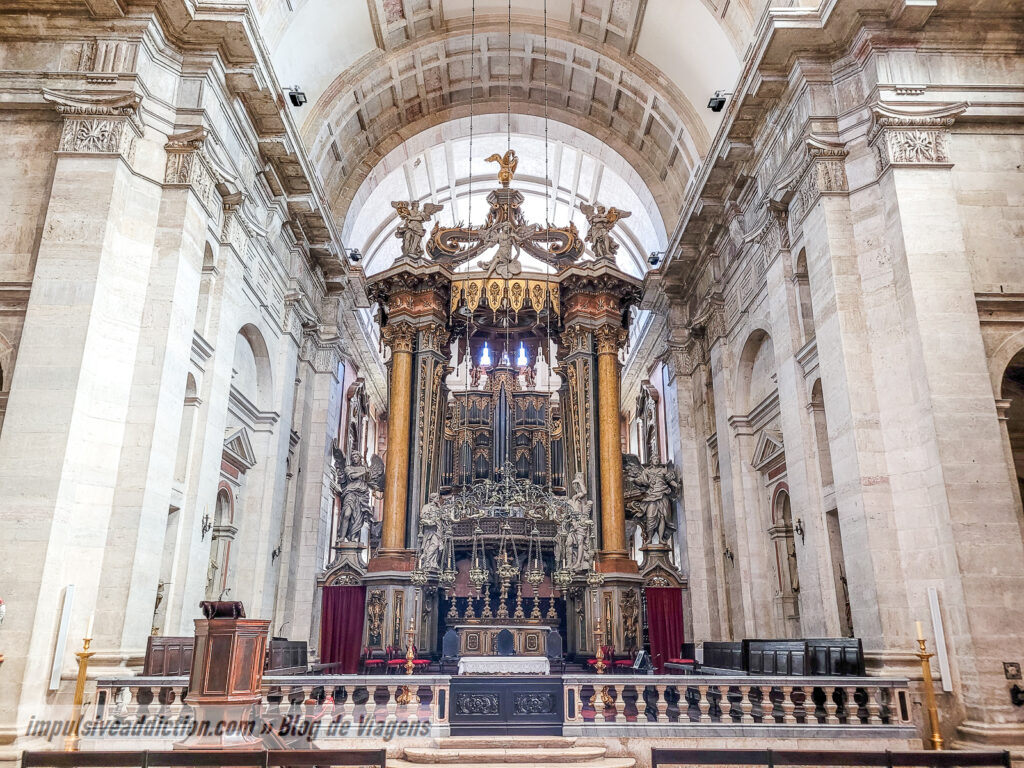
19. Church and Monastery of São Vicente de Fora
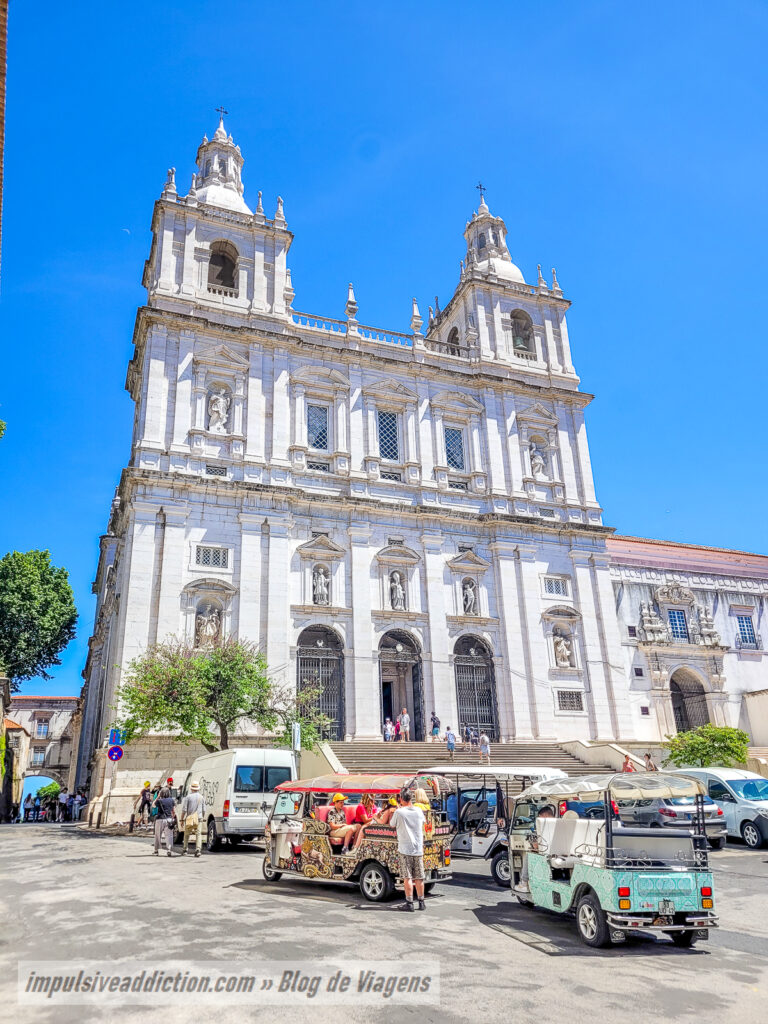
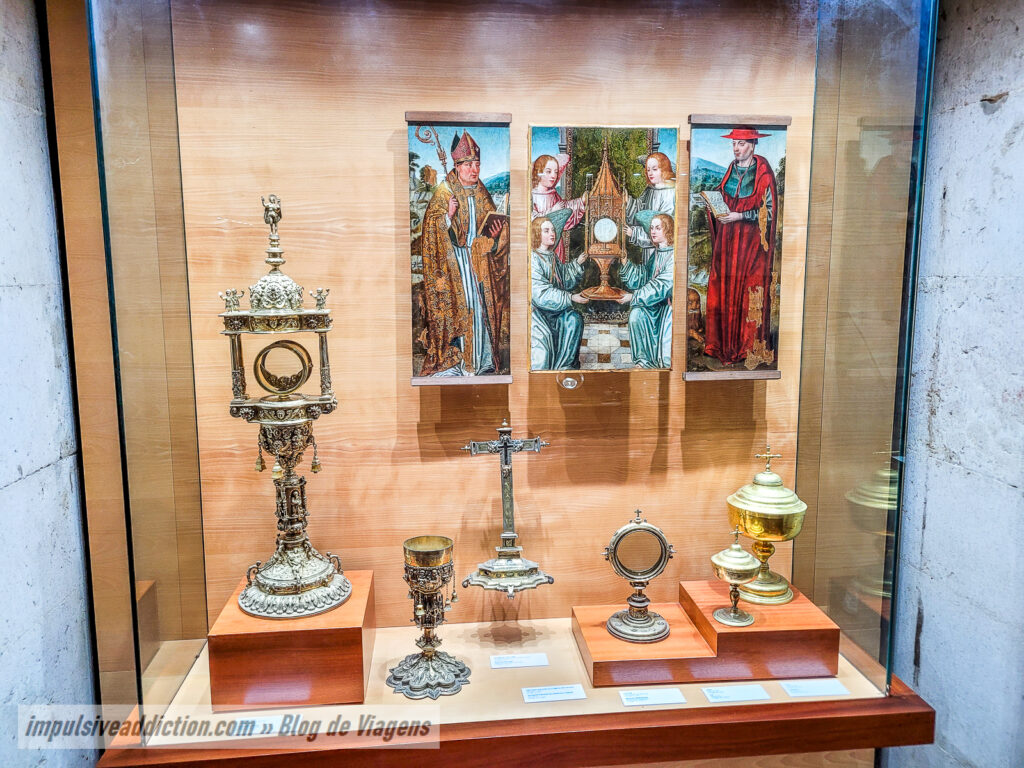
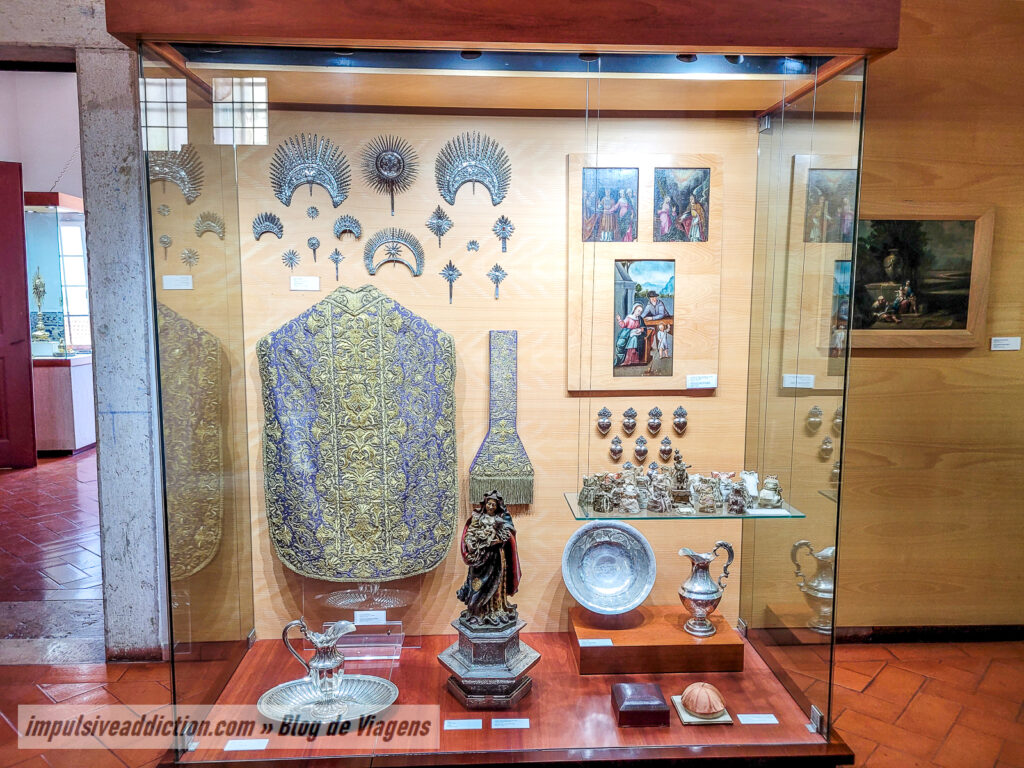
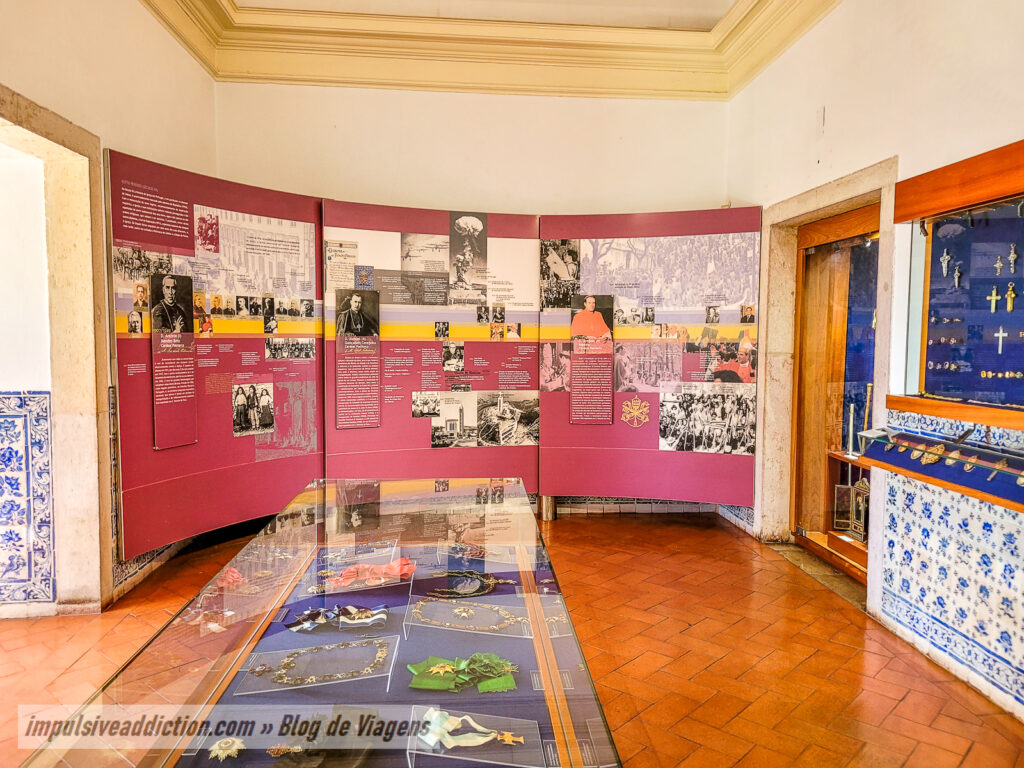
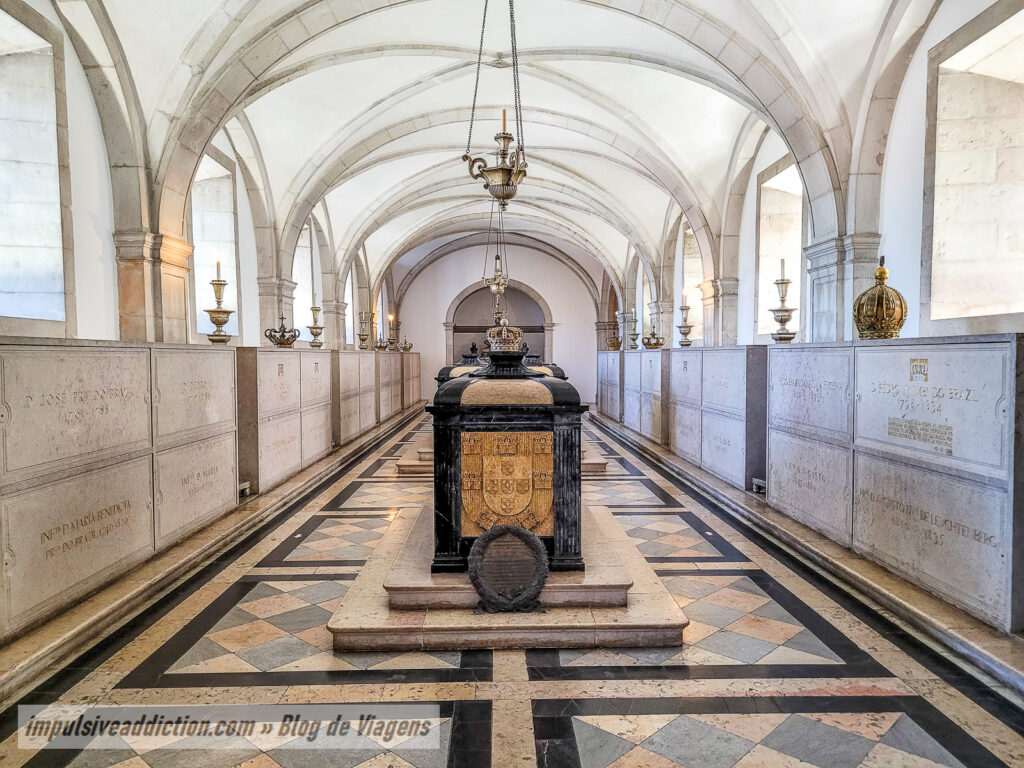
Located in Lisbon’s historic Alfama district, the Church and Monastery of São Vicente de Fora is one of the most important religious monuments in Portugal. Originally founded in 1147 by King Afonso Henriques after the conquest of Lisbon, the monastery was dedicated to Saint Vincent, the patron saint of the city. The current structure, begun in 1582during the reign of Philip I, was designed by architects Filippo Terzi and Juan de Herrera, with contributions from Baltazar Álvares and Pedro Nunes Tinoco, and completed in 1627.
A striking example of Portuguese Mannerist architecture, the church’s symmetrical façade features statues of saints such as Augustine, Sebastian, and Vincent. Inside, the baroque main altar, designed by Joaquim Machado de Castro, and a historic organ built in 1765 by João Fontanes de Maqueira, stand out as highlights.
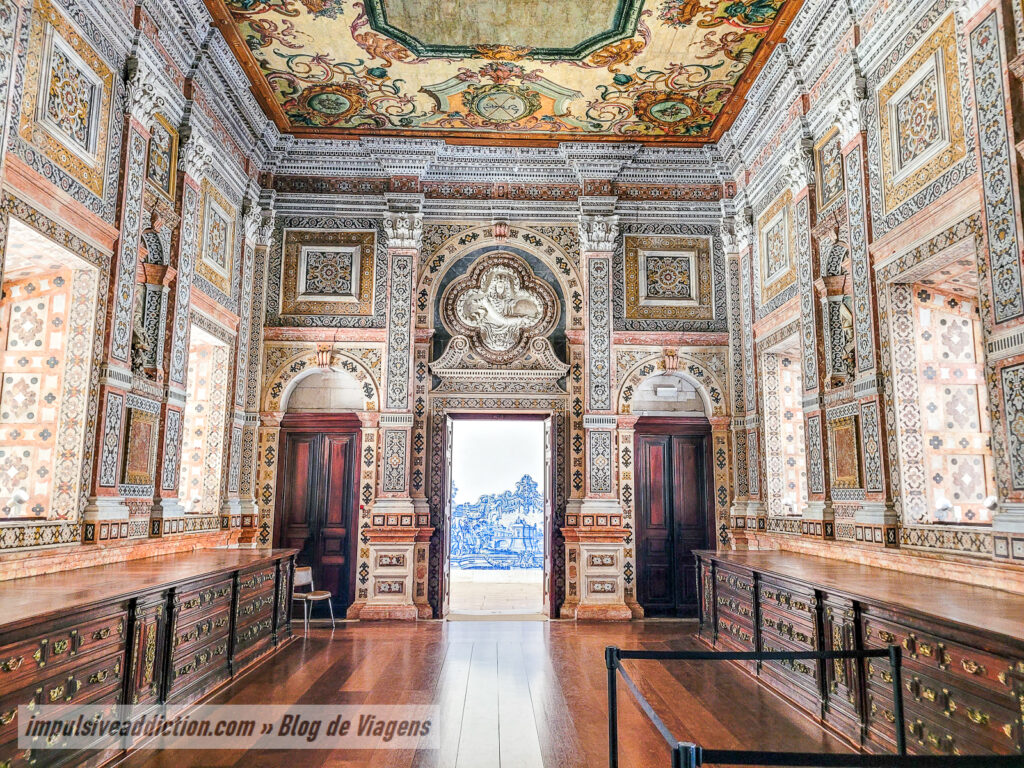
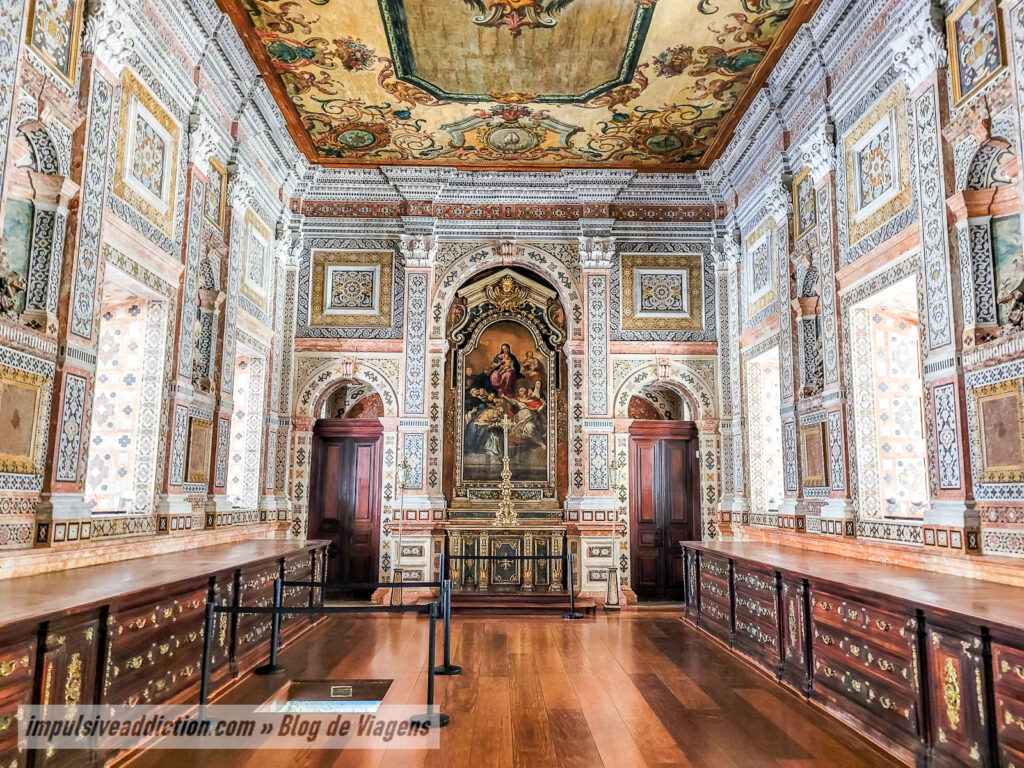
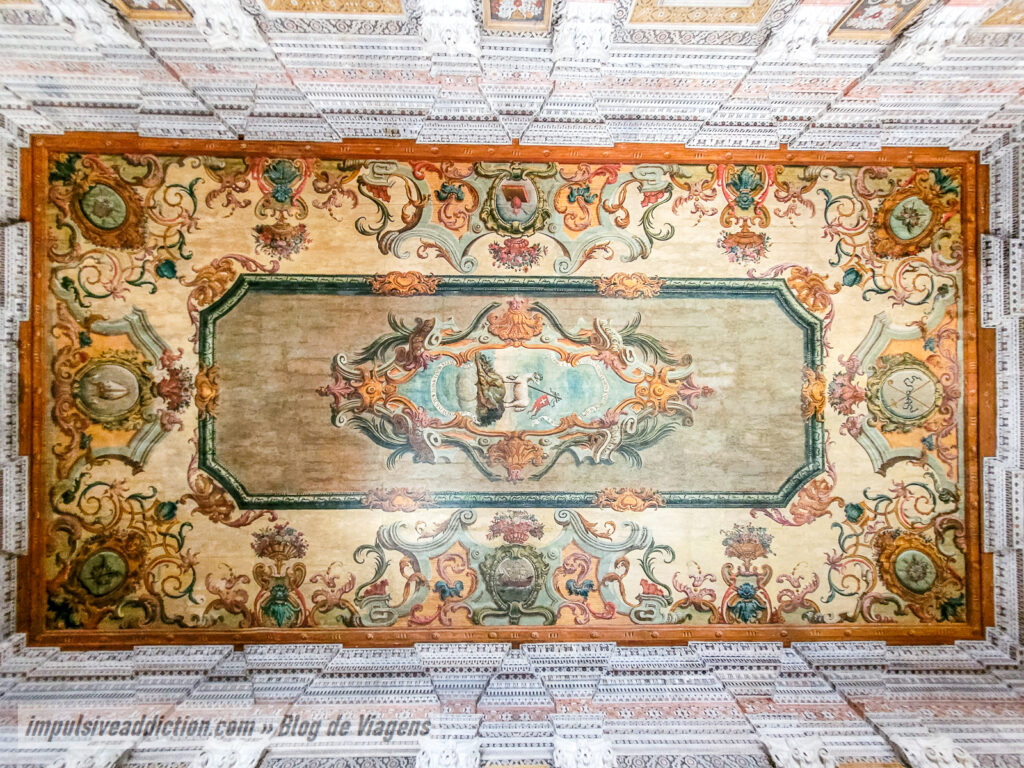
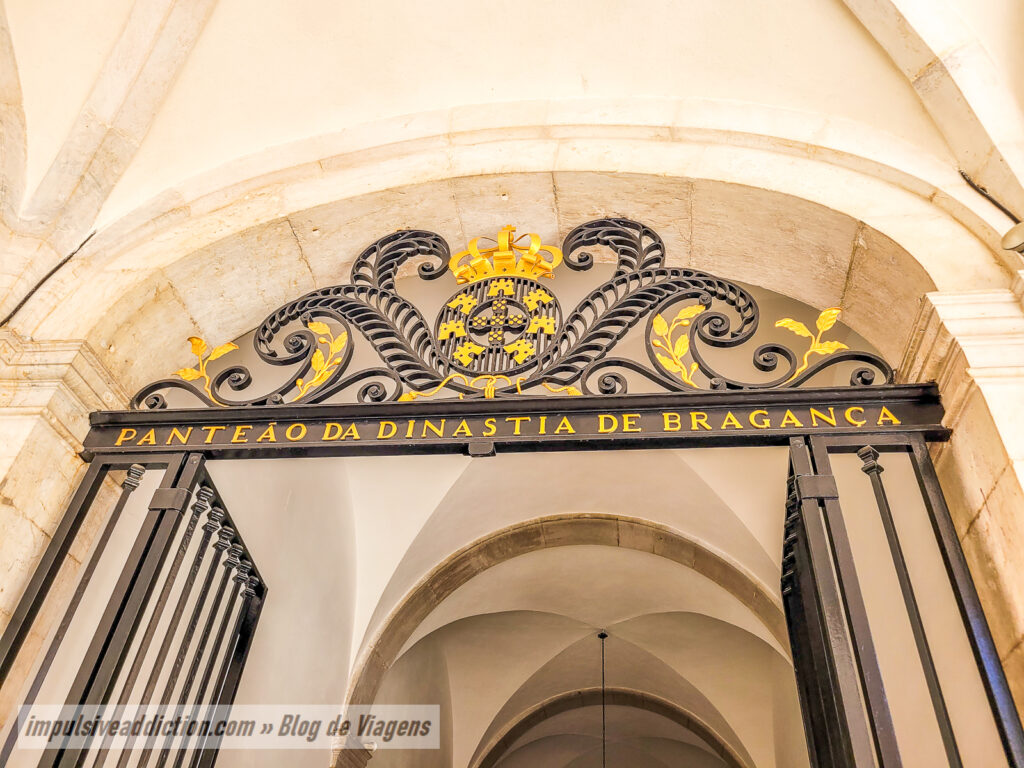
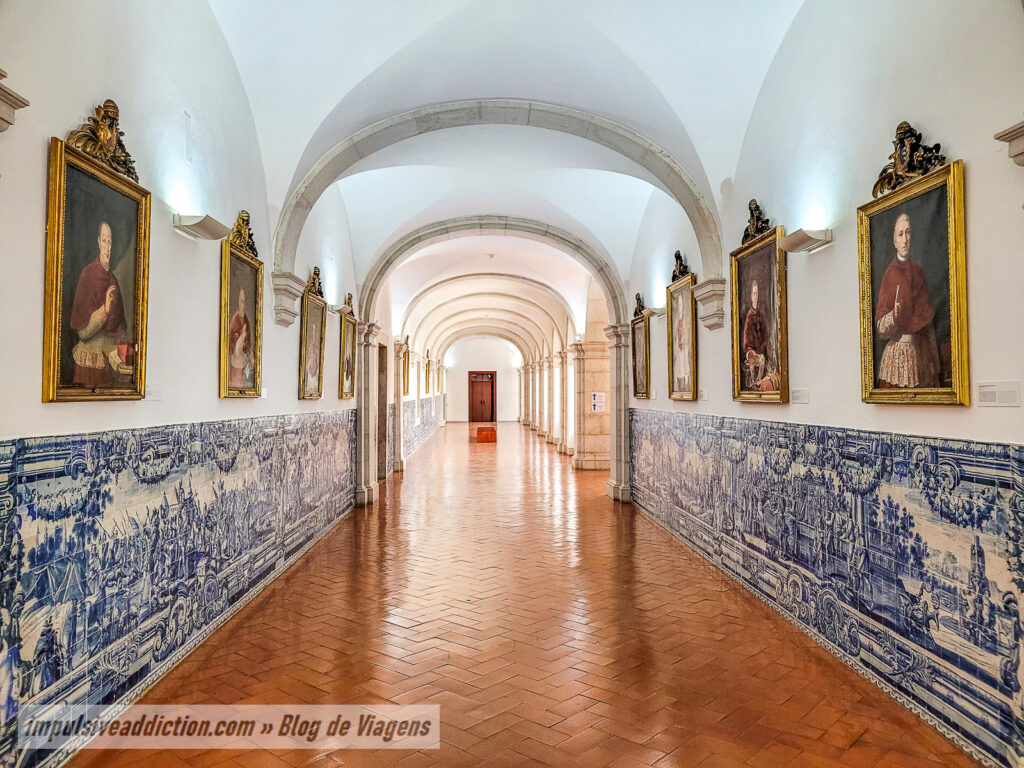
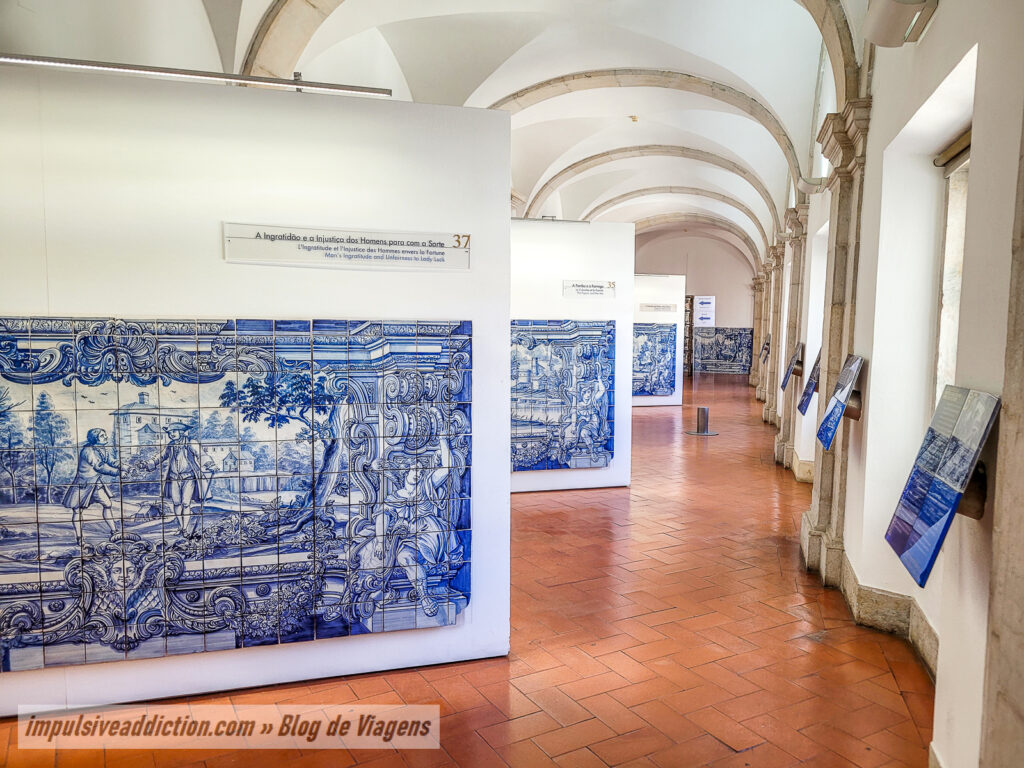
The adjacent monastery houses the Royal Pantheon of the Braganza dynasty, where several monarchs—including King João IV and King Pedro II—are buried. The site also boasts a remarkable collection of 18th-century azulejos (painted tiles), including panels depicting La Fontaine’s fables and scenes of Portuguese rural life.
Declared a National Monument in 1910, São Vicente de Fora remains a key cultural and religious landmark in Lisbon.
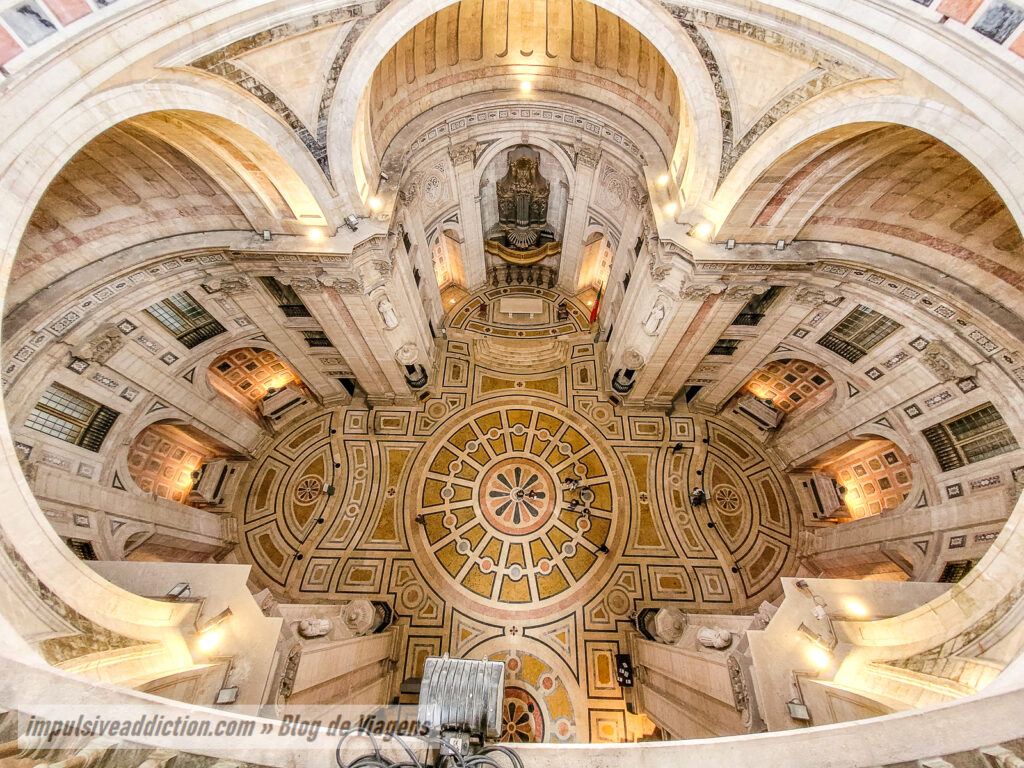
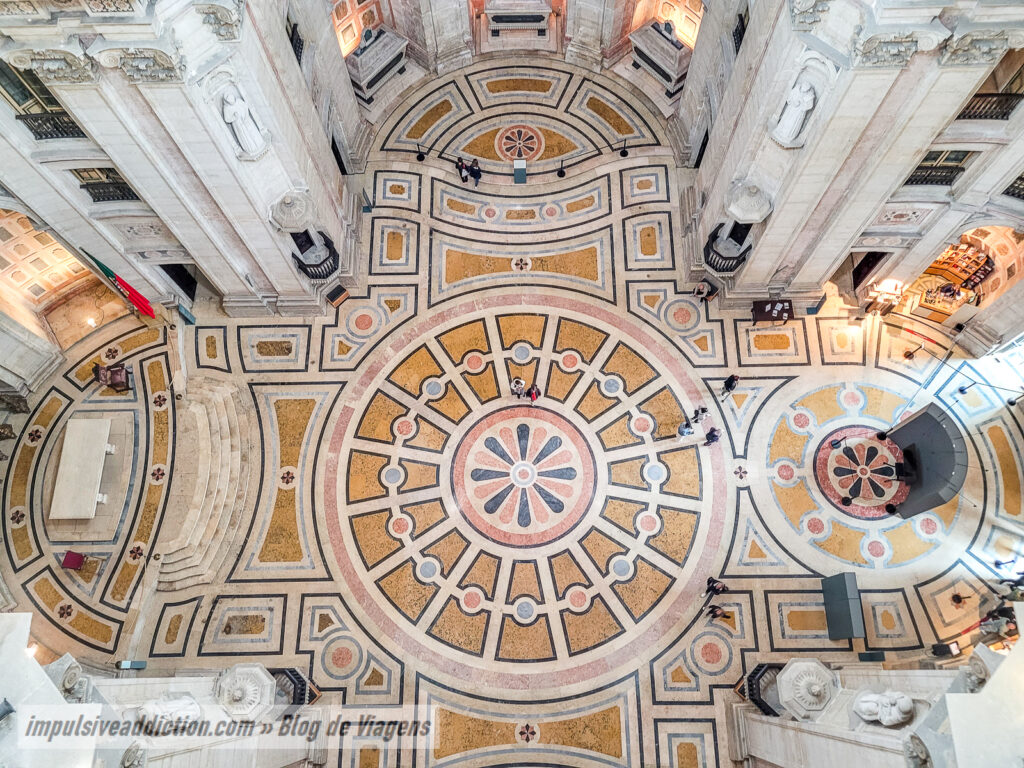
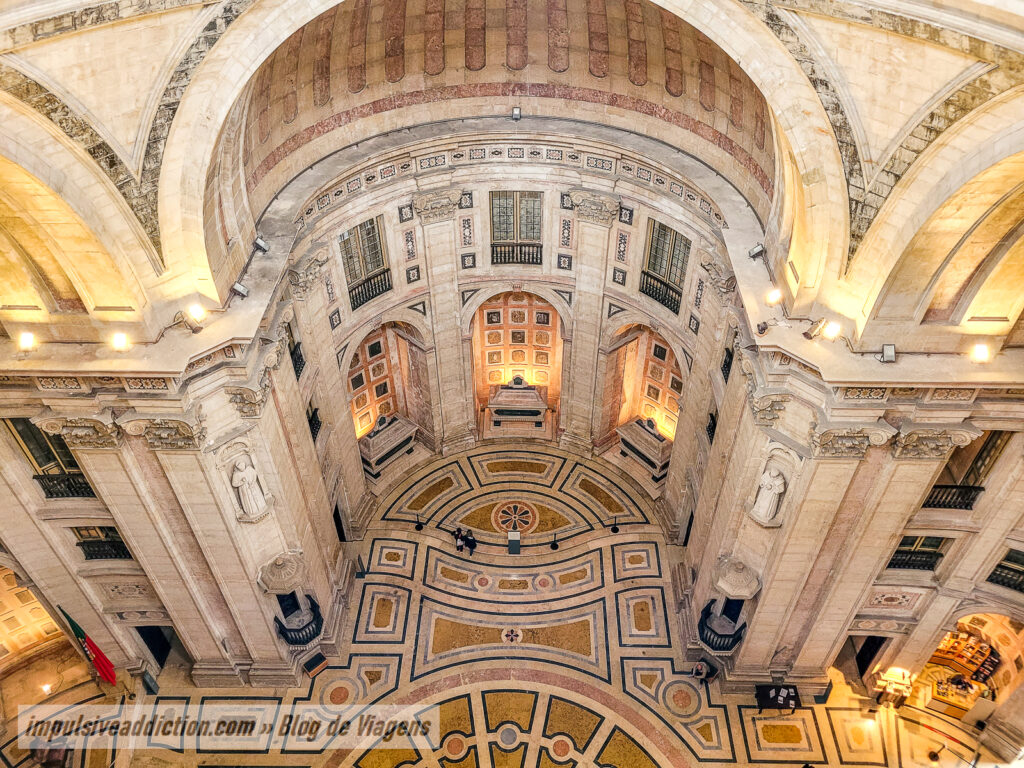
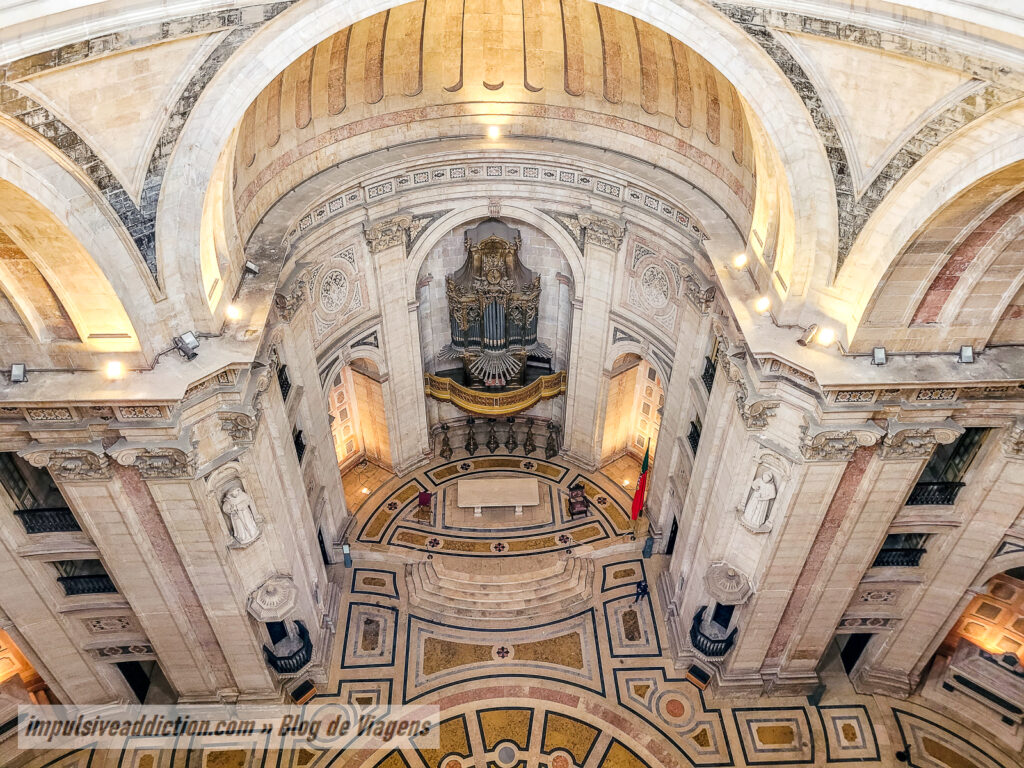
20. Church of Santa Engrácia (National Pantheon)
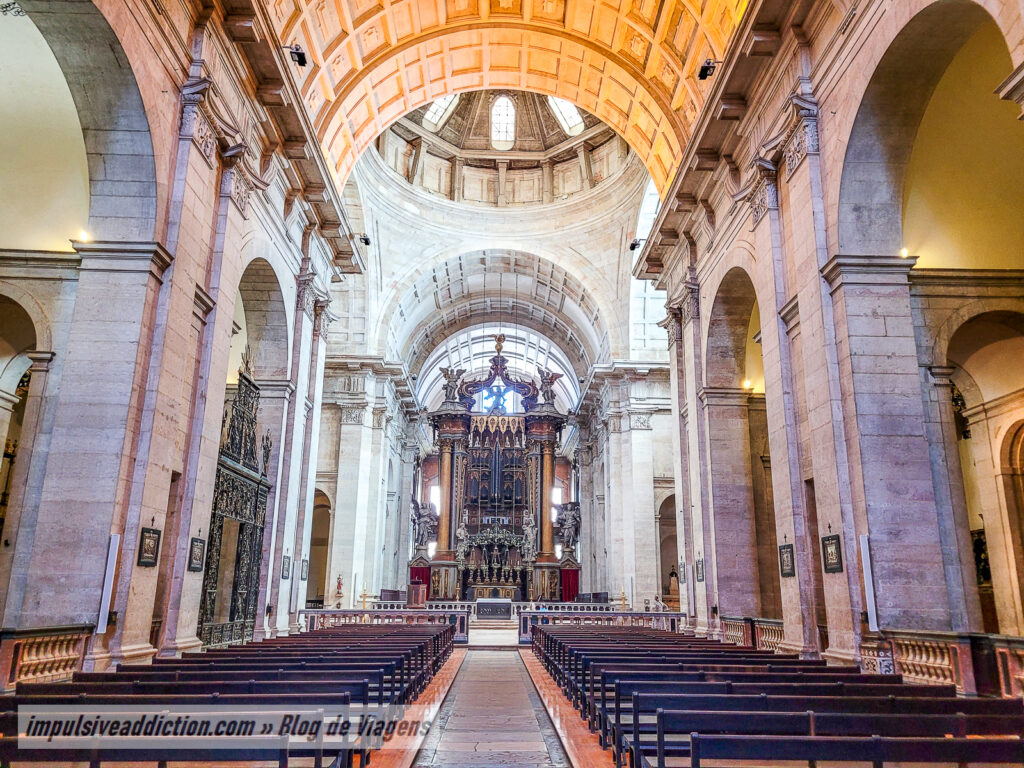
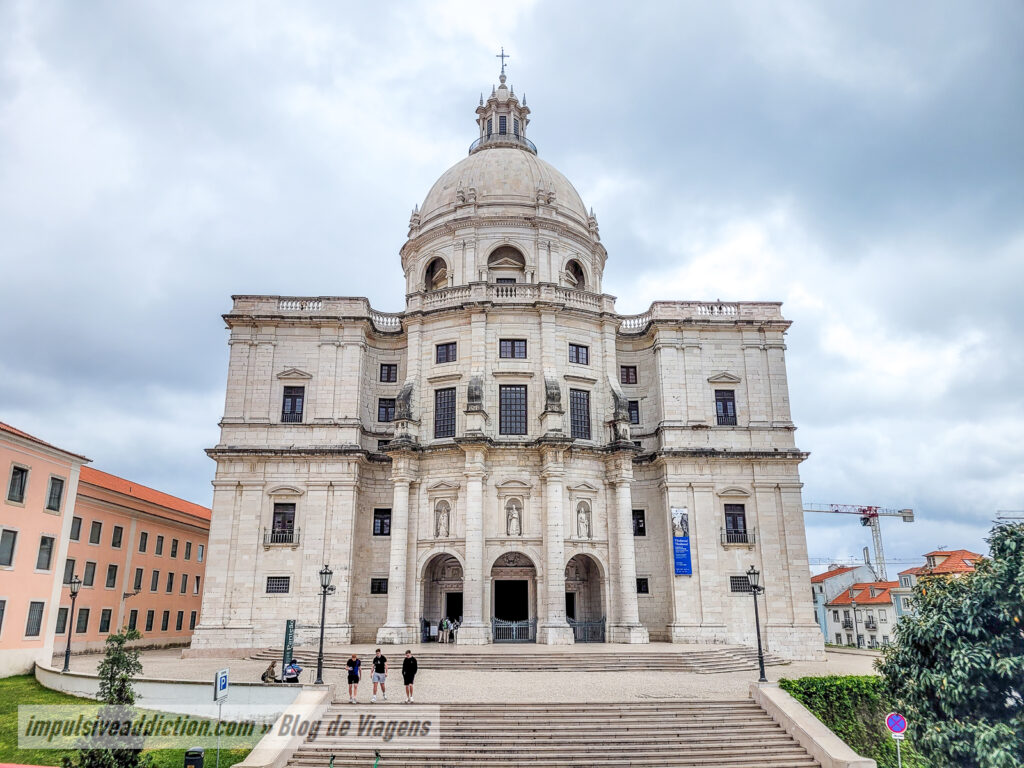
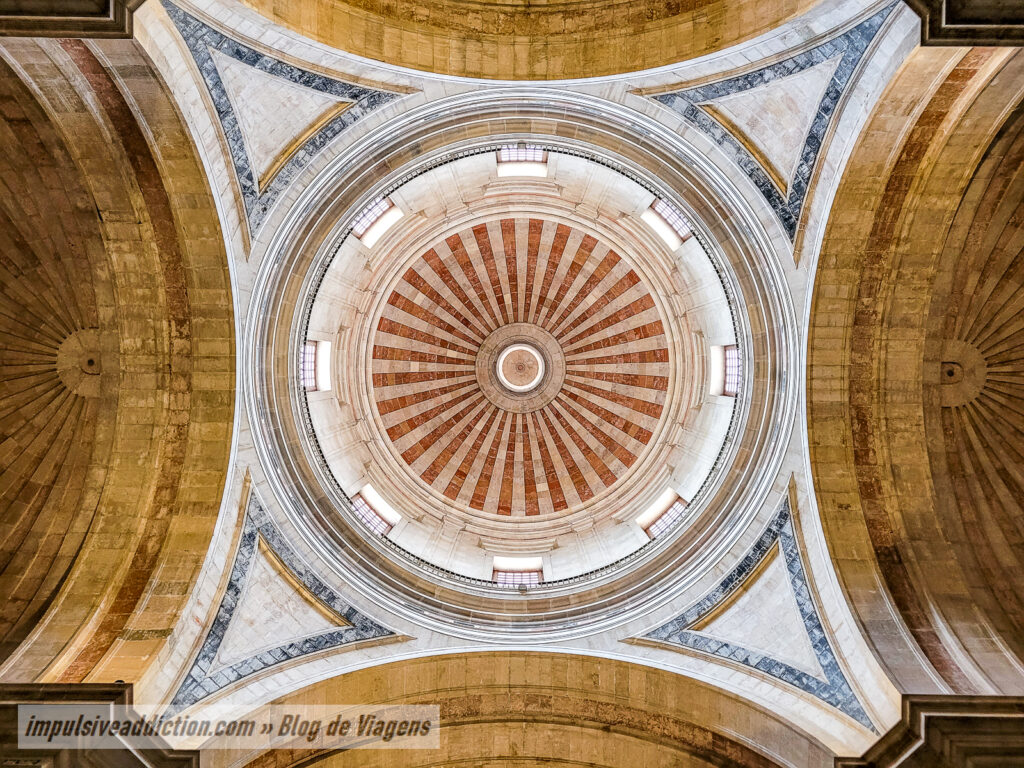
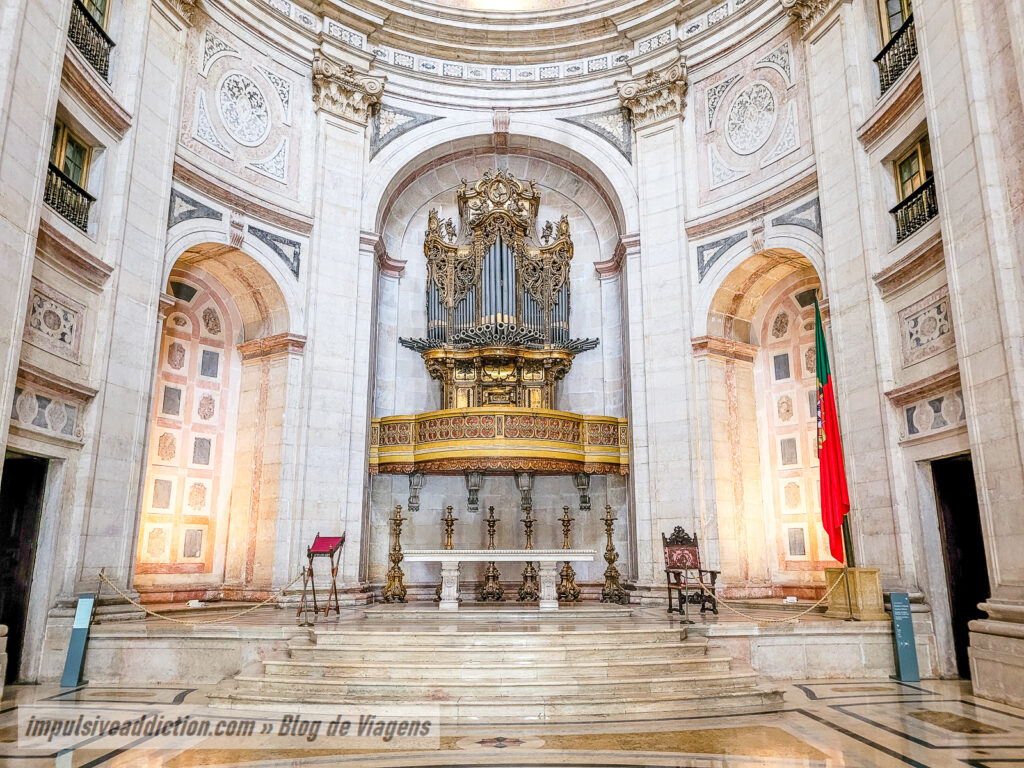
Located in Lisbon’s Campo de Santa Clara, the Church of Santa Engrácia is a landmark steeped in centuries of construction and transformation. Founded in 1568 by Infanta D. Maria, daughter of King Manuel I, the church was originally built to house the relics of Saint Engrácia, a martyr from Zaragoza. After the collapse of the original structure in 1681, construction of the current building began under the direction of architect João Antunes, who designed it in the shape of a Greek cross with clear influences from Italian Baroque architecture.
However, the works dragged on for centuries, often abandoned or repurposed as a military barracks or shoe factory, until their final completion in the 1960s. This prolonged construction gave rise to the Portuguese expression “obras de Santa Engrácia”, meaning “never-ending works”.
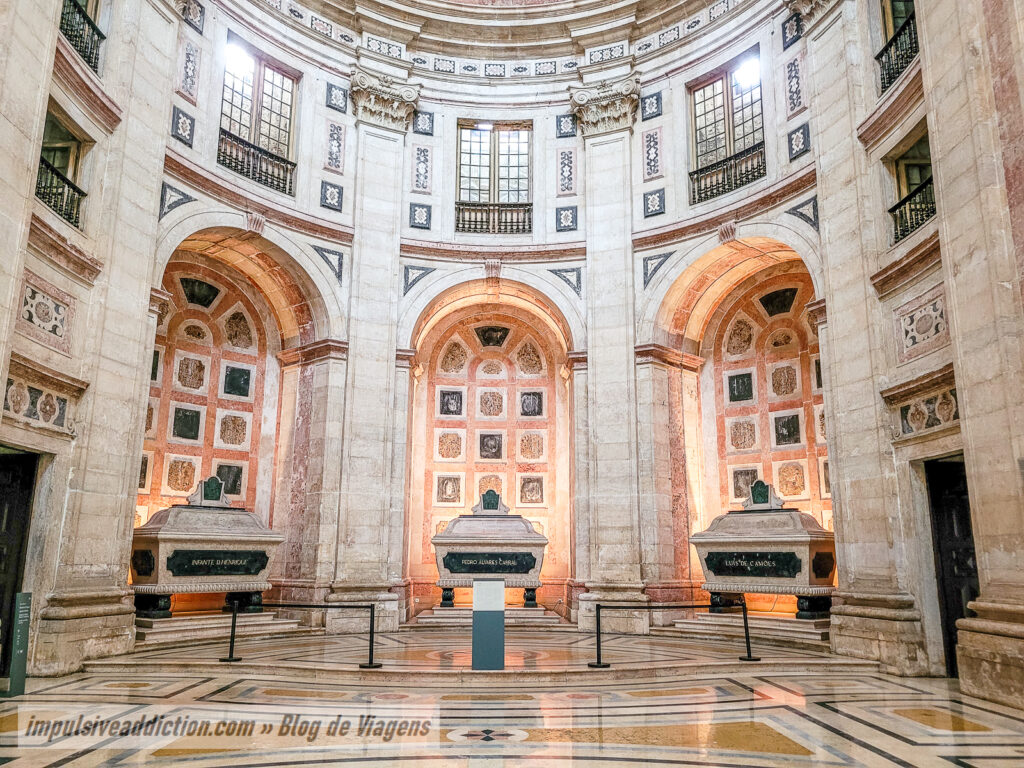
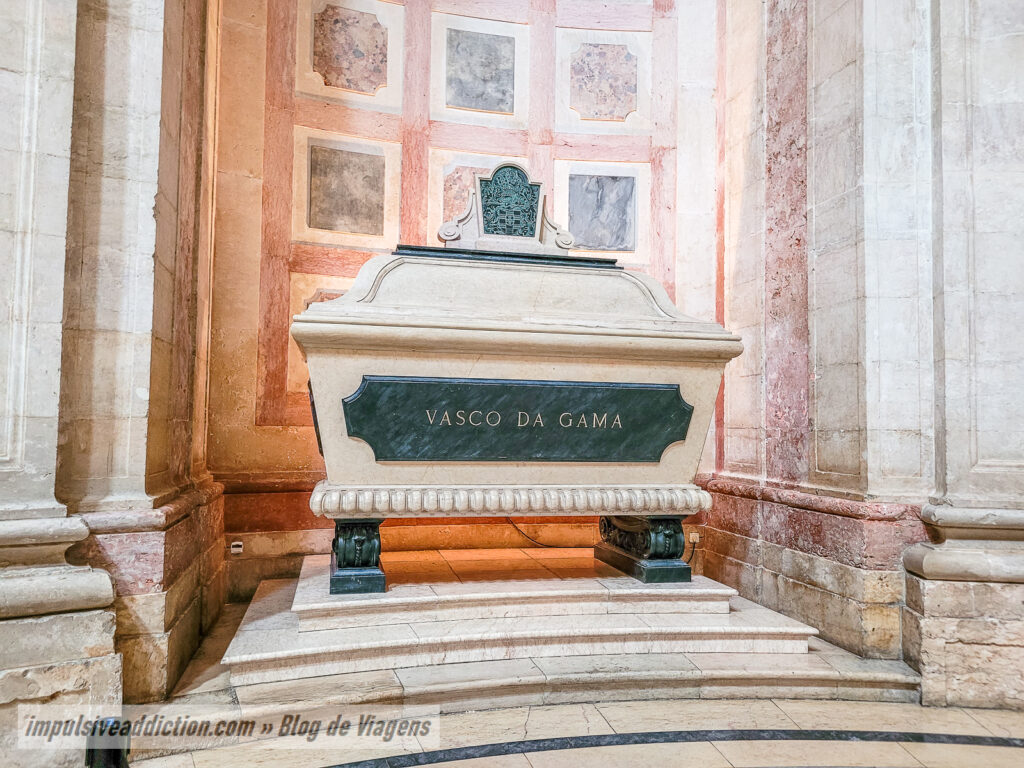
In 1916, the church was officially designated as the National Pantheon, and it now serves as the final resting place for several prominent Portuguese figures, including Presidents Manuel de Arriaga, Teófilo Braga, Sidónio Pais, and Óscar Carmona, as well as writer Almeida Garrett, poet Guerra Junqueiro, fado legend Amália Rodrigues, and football icon Eusébio.
Classified as a National Monument in 1910, the church features a majestic dome and an interior clad in colorful marble, offering panoramic views over the city and the Tagus River.
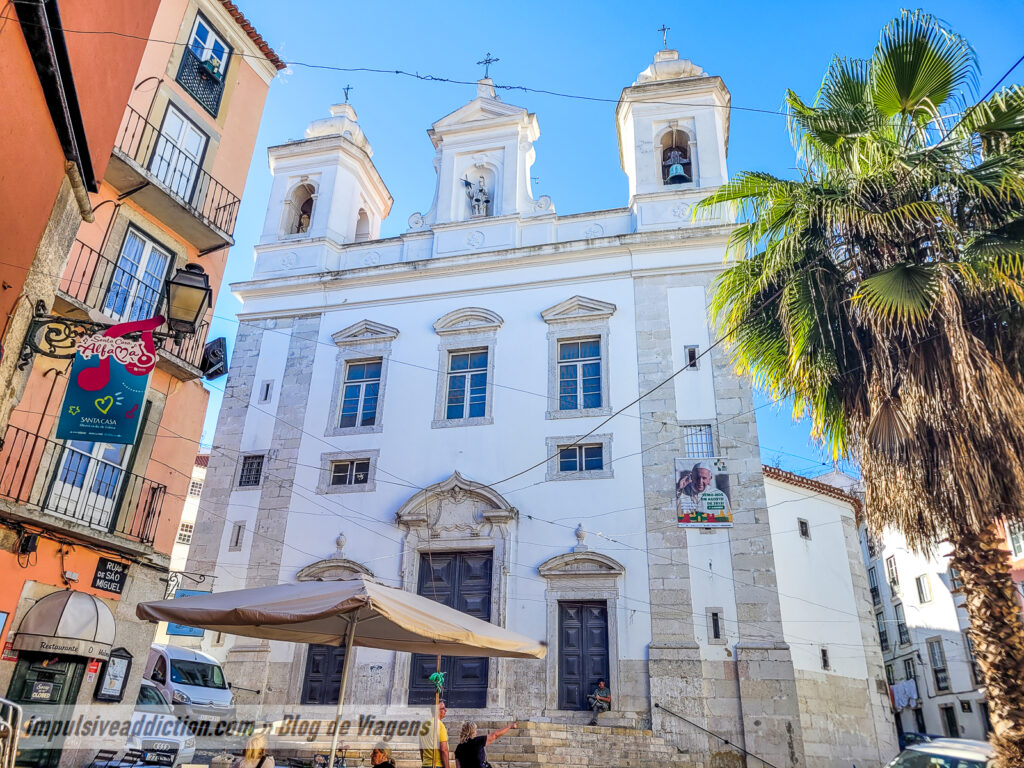
21. Church of São Miguel
Nestled in the heart of Alfama, the Church of São Miguel is one of Lisbon’s oldest churches, with origins dating back to 1150. Despite its modest exterior, the interior reveals a rich artistic legacy. The single-nave structure features a wooden ceiling adorned with paintings by José Ferreira de Araújo.
A key highlight is the set of 16 framed canvases in gilded woodwork, some attributed to the renowned painter Bento Coelho da Silveira. The main chapel, richly decorated in Joanino-style gilded carving, adds to the church’s grandeur, showcasing the ornate religious art of 18th-century Portugal.
22. Lisbon Cathedral (Sé de Lisboa)
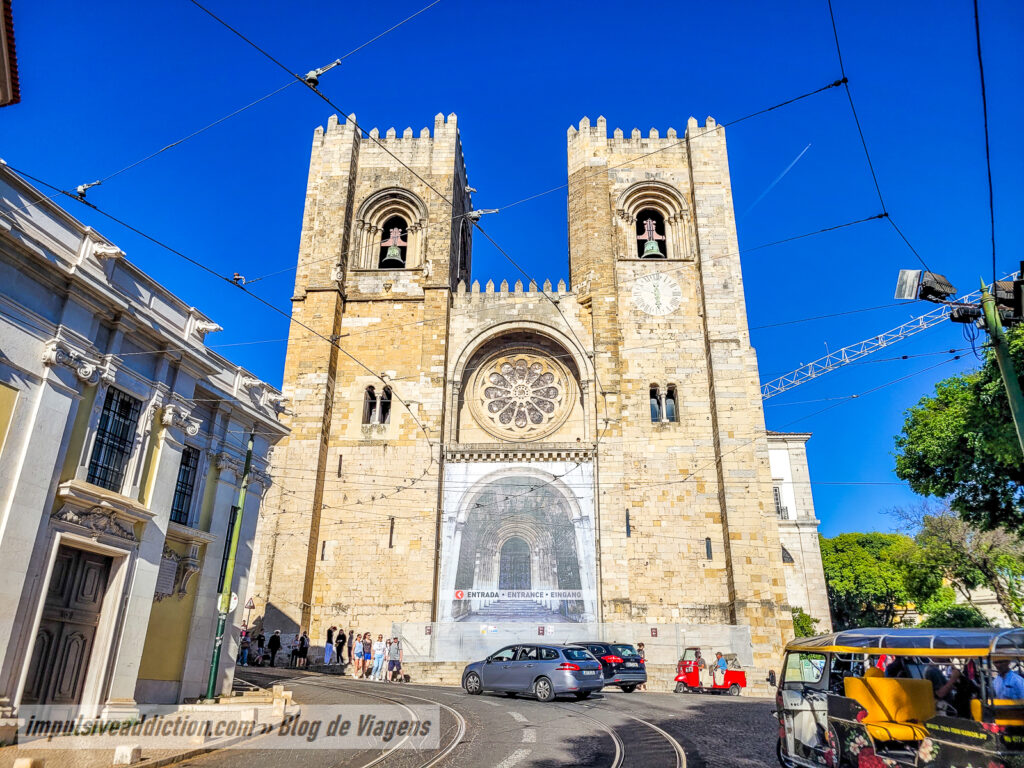
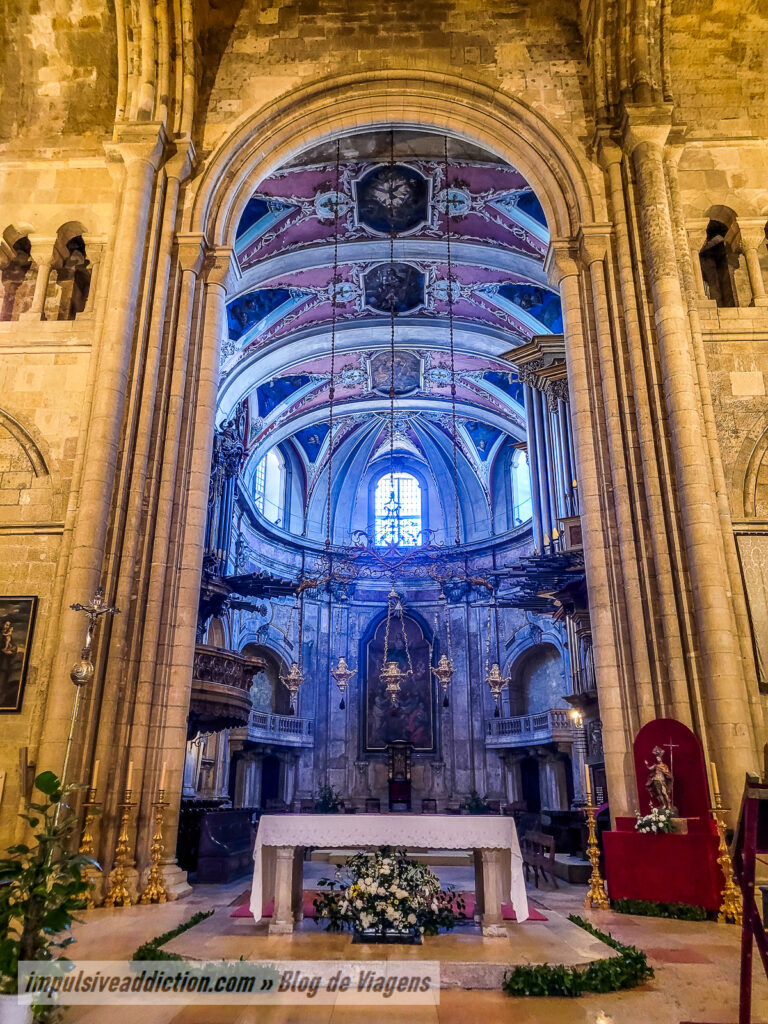
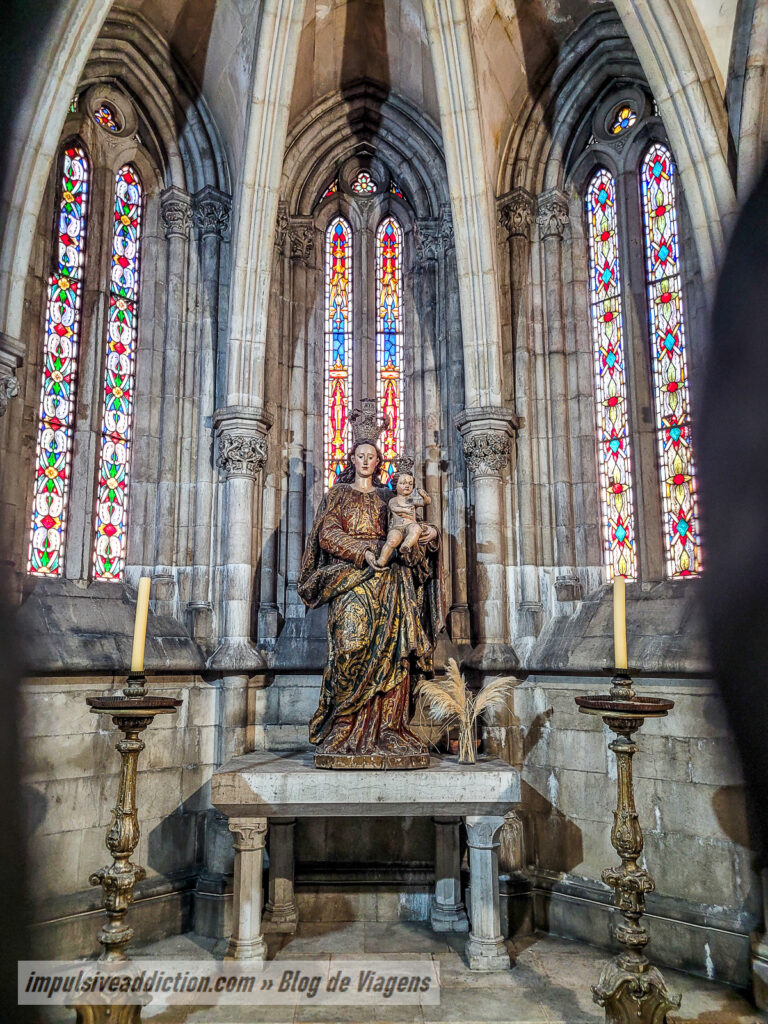
The Lisbon Cathedral, officially known as the Cathedral of Santa Maria Maior, is the city’s oldest church, founded in 1147 by King Afonso Henriques following the Christian reconquest of Lisbon from the Moors. Built on the site of a former mosque, the cathedral showcases a blend of architectural styles — Romanesque, Gothic, Mannerist, Baroque, and Neo-Romanesque — reflecting centuries of construction, destruction (notably by earthquakes), and restoration.
Inside, visitors can admire the Gothic ambulatory with radiant chapels, the Baroque main chapel housing the tombs of King Afonso IV and Queen Beatriz, and the beautiful Gothic cloister commissioned during the reign of King Dinis.
23. Church of Saint Anthony of Lisbon
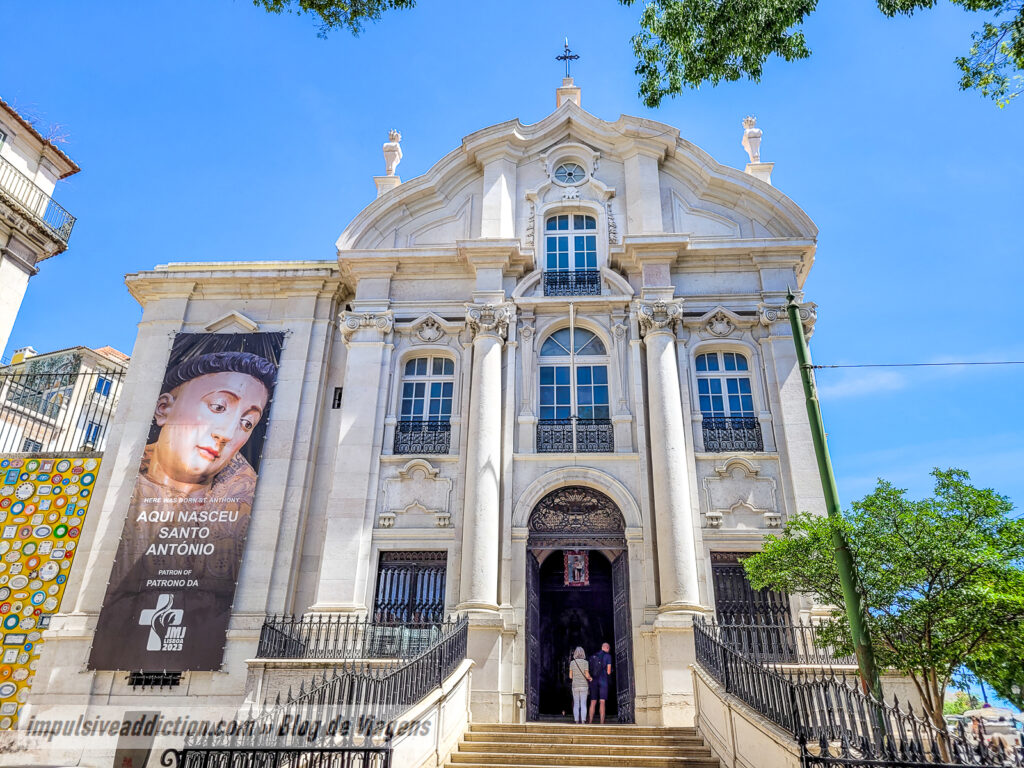
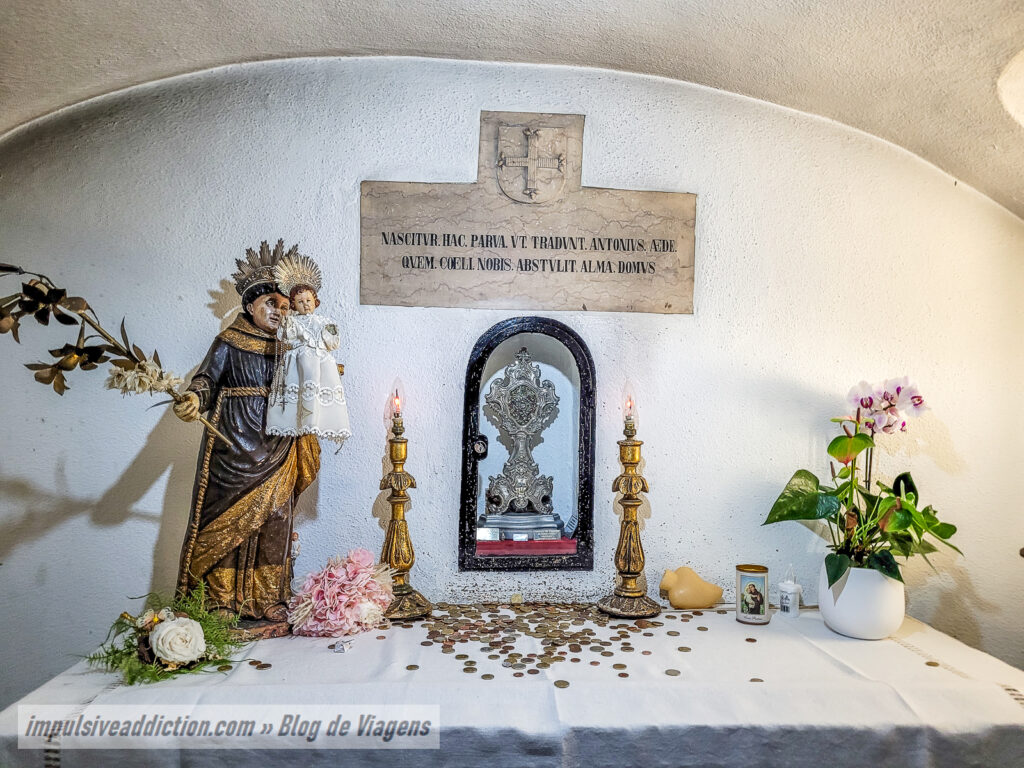
The Church of Saint Anthony of Lisbon, located in the Largo de Santo António da Sé in Alfama, stands on the traditional site where Saint Anthony was born in 1195. The current church was built between 1767 and 1787, following the destruction of the original building in the 1755 earthquake.
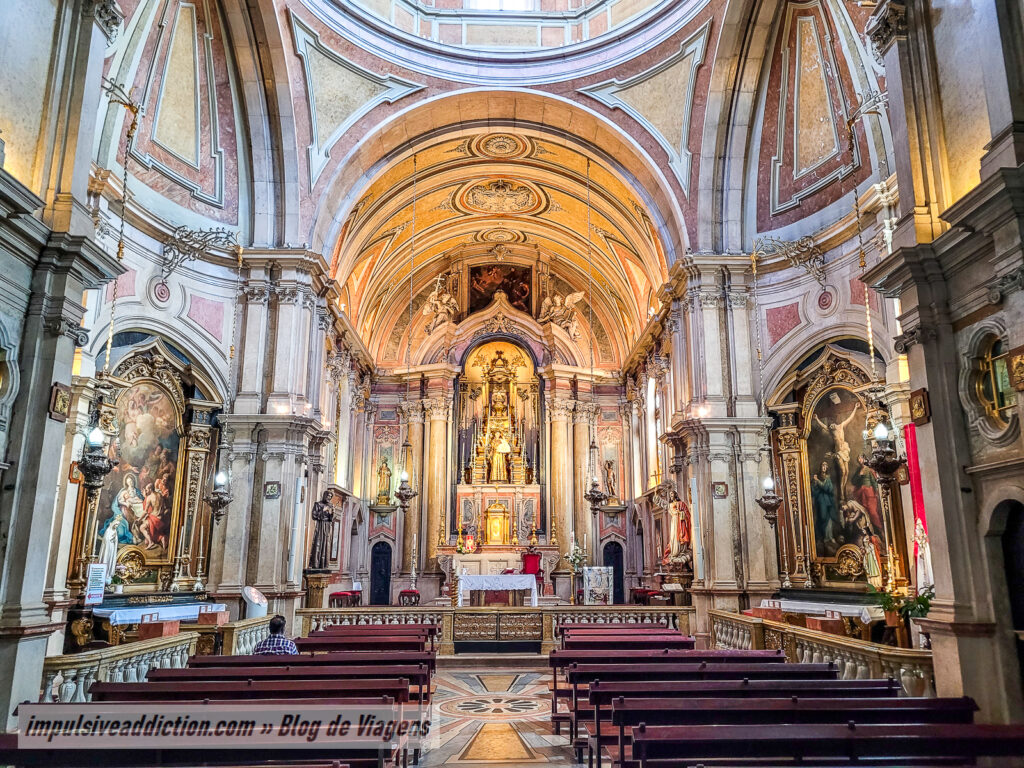
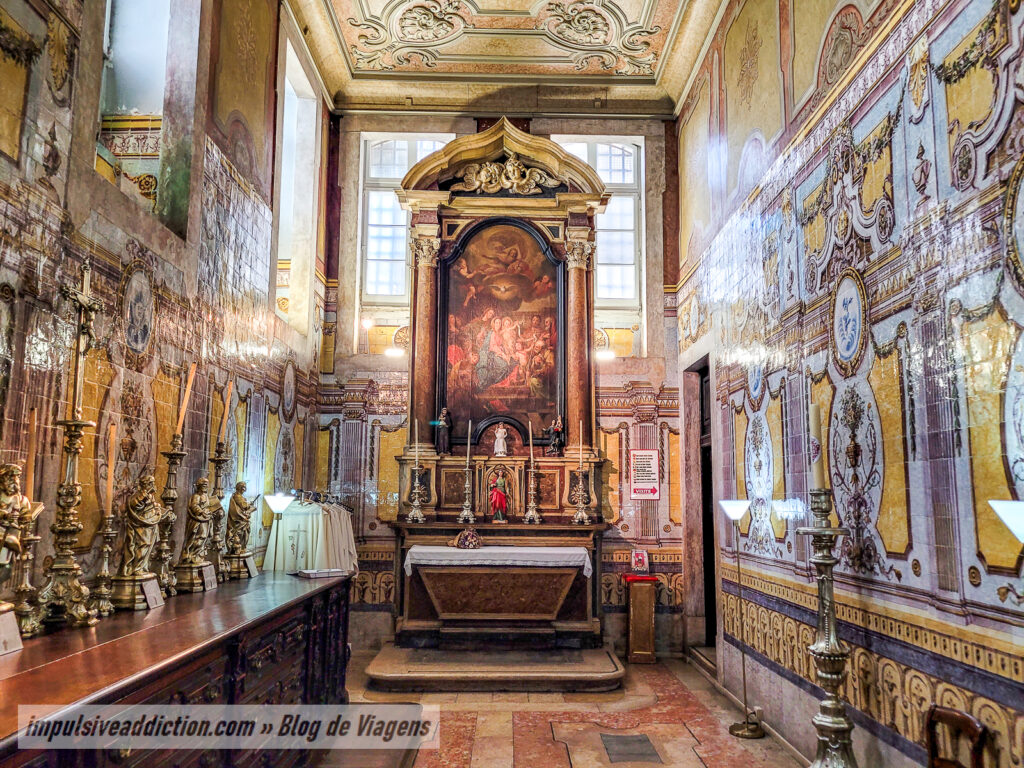
The interior is notable for its brightness and rich decoration. The crypt, accessible through the sacristy, marks the spot traditionally believed to be the saint’s birthplace. The main altar features a statue of Saint Anthony, and the chapel ceiling is adorned with medallions depicting symbols associated with the saint. In the sacristy, visitors can admire beautiful azulejos (Portuguese tiles) produced by the Royal Factory of Rato in the early 19th century.
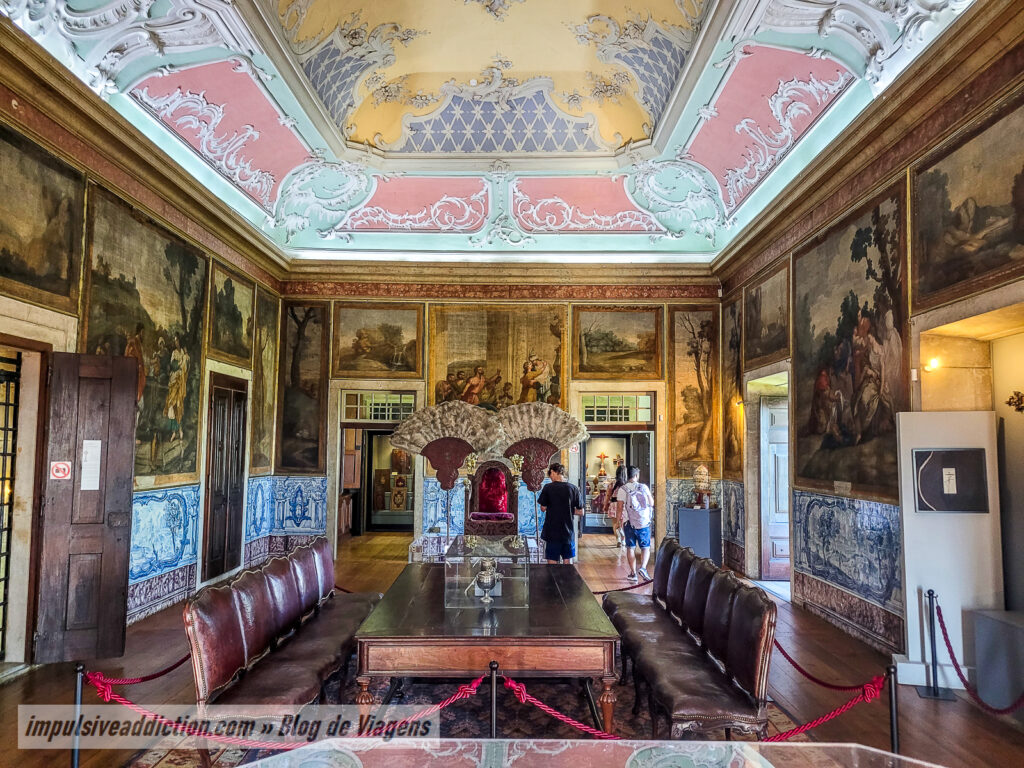
Next to the church is the Saint Anthony Museum, opened in 1962 and renovated between 2010 and 2012, which houses a varied collection of objects related to the saint — including ceramics, paintings, sculptures, and liturgical items.
The Church of Saint Anthony remains an important pilgrimage site, especially on June 13th, the feast day of the saint.
24. Church of Saint Mary Magdalene of Lisbon
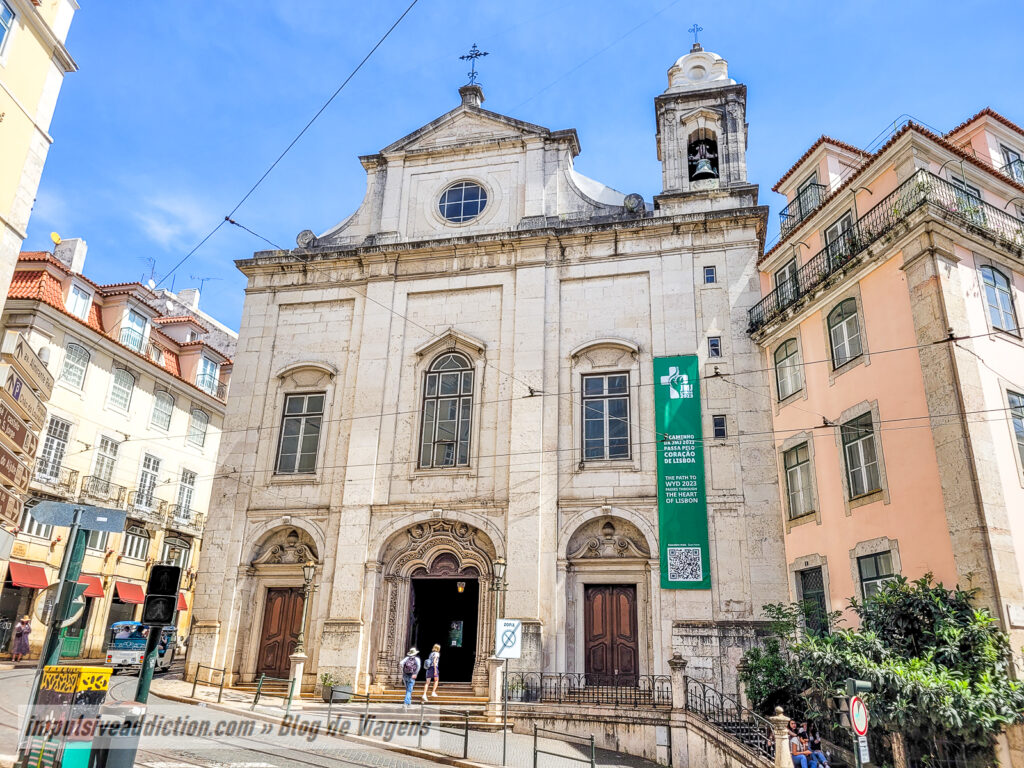
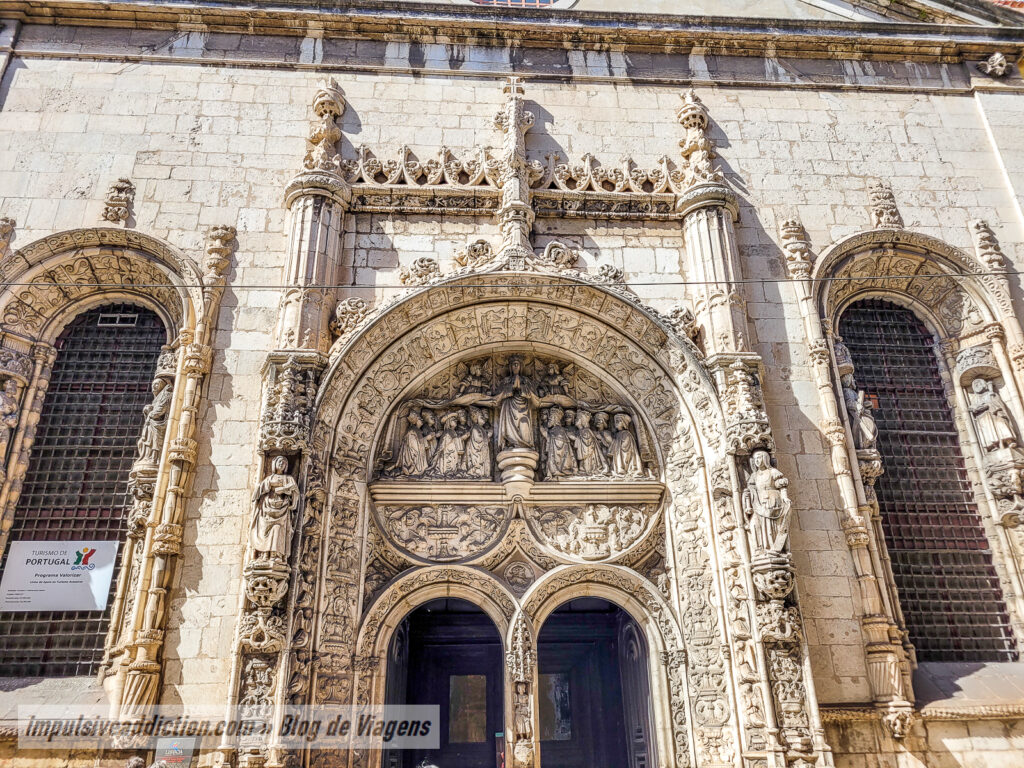
The Church of Saint Mary Magdalene was originally founded in 1164, shortly after the Christian reconquest of Lisbon. However, the church has been destroyed and rebuilt several times over the centuries. The current structure, begun in 1761 and completed in 1783, preserves elements of the original building — most notably the Manueline-style portal, which has been classified as a National Monument since 1910.
25. Church of Nossa Senhora da Conceição Velha (Old Church of Our Lady of the Conception)
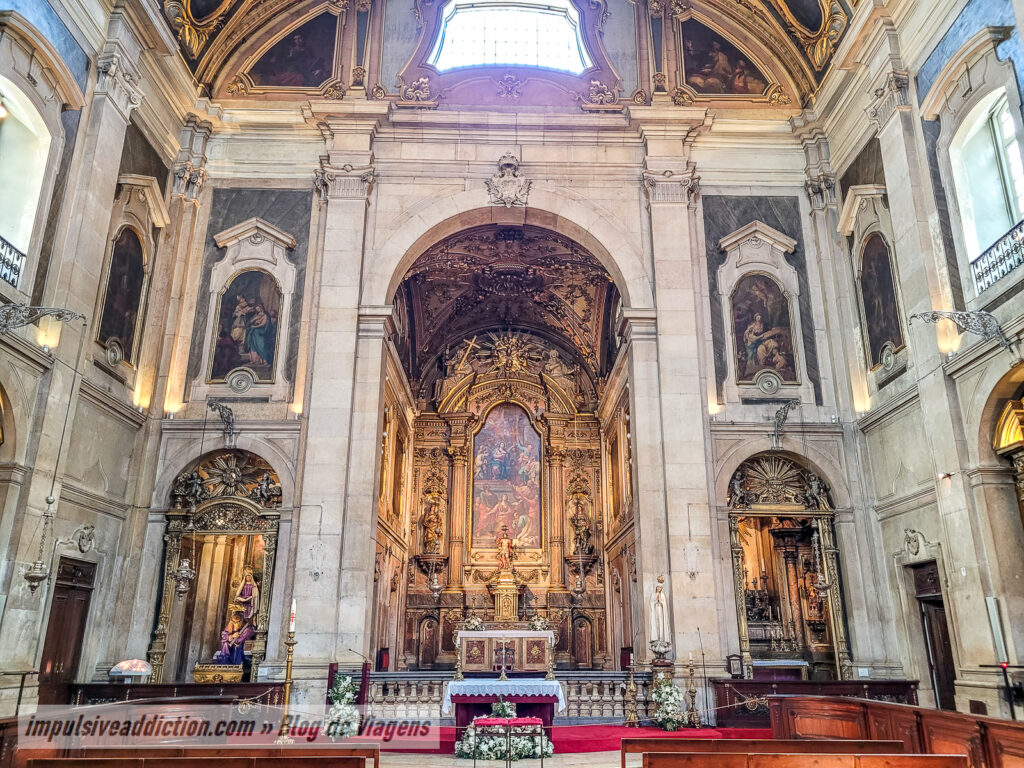
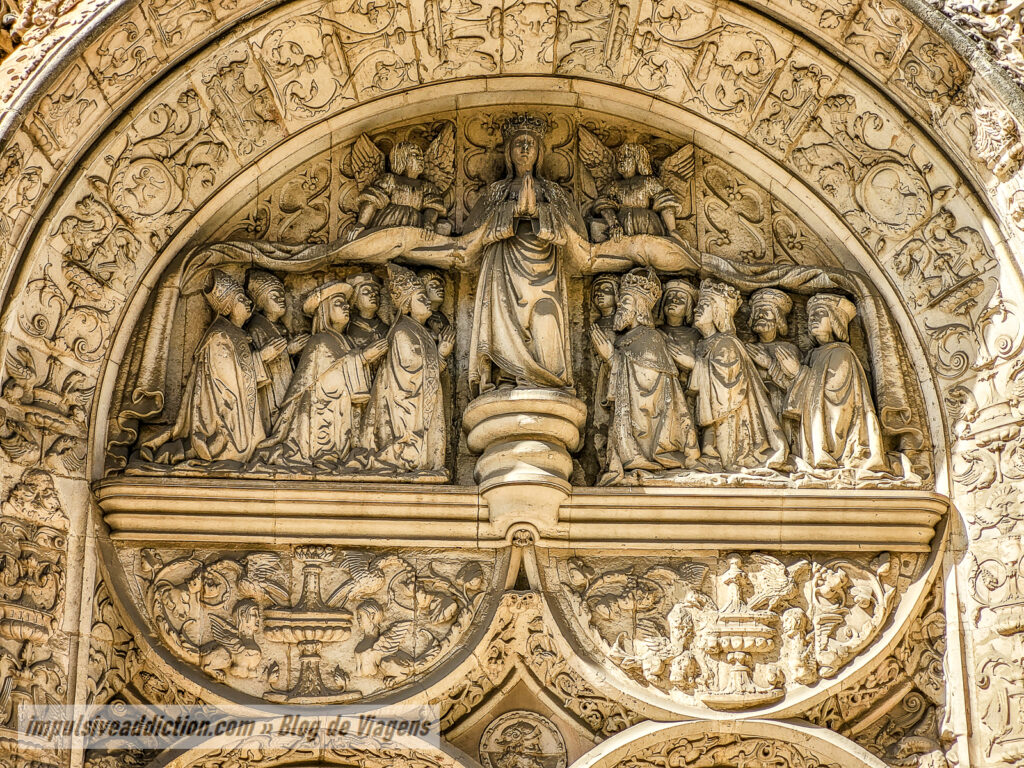
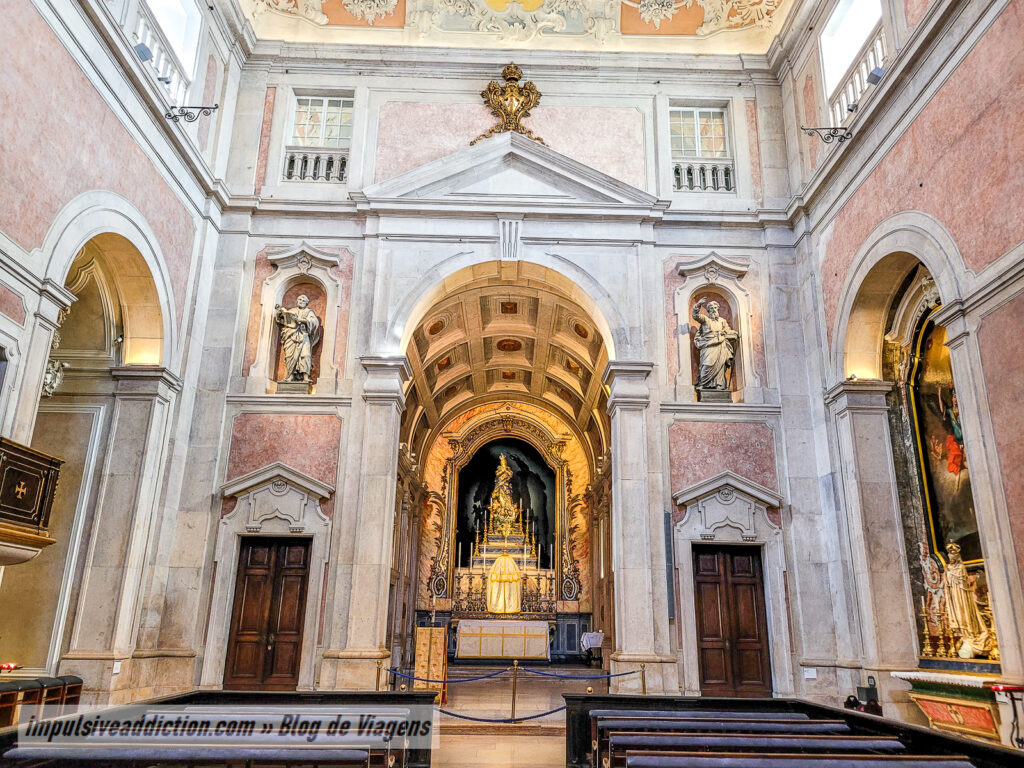
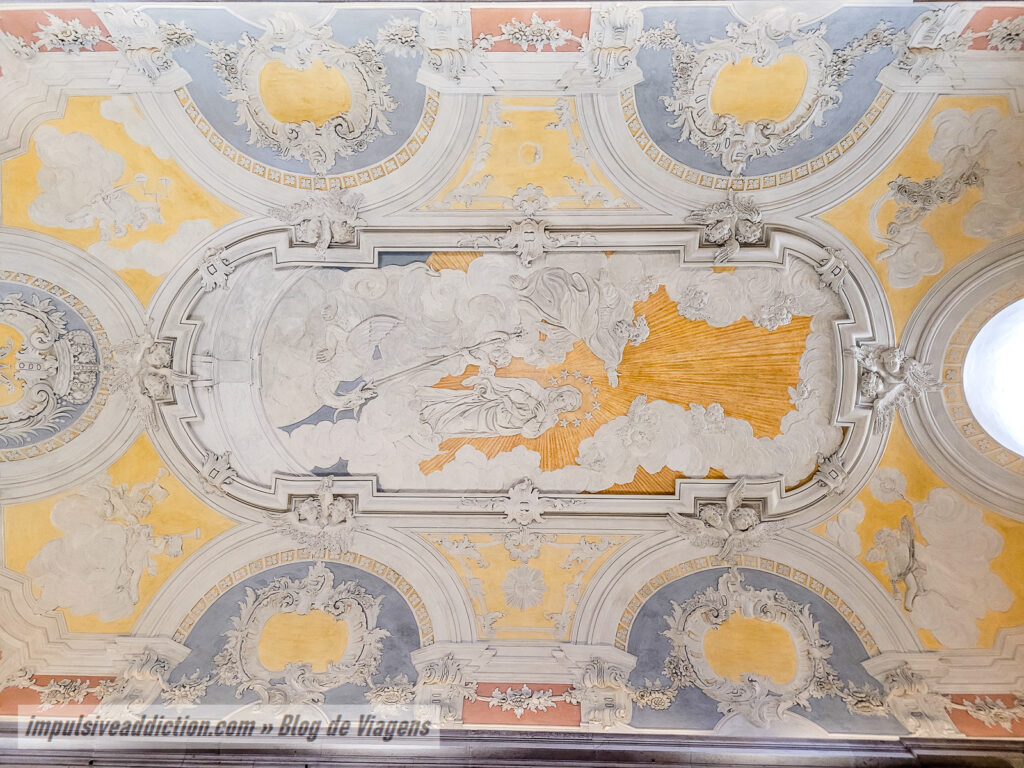
The Church of Nossa Senhora da Conceição Velha, also known as the Church of the Santa Casa da Misericórdia of Lisbon, is one of the city’s most iconic religious monuments. Located on Rua da Alfândega, near Praça do Comércio, it was originally built in 1534 as the headquarters of the first Misericórdia charitable institution in Portugal, founded by Queen Leonor, sister of King Manuel I.
The original building was destroyed by the 1755 earthquake, and its reconstruction began in 1770, led by Pombaline architects Francisco António Ferreira and Honorato José Correia. The new design incorporated surviving elements from the original church, most notably its richly detailed Manueline-style façade, featuring sculpted figures of the Virgin of Mercy flanked by angels, royalty, and clergy — including King Manuel I and Queen Leonor.
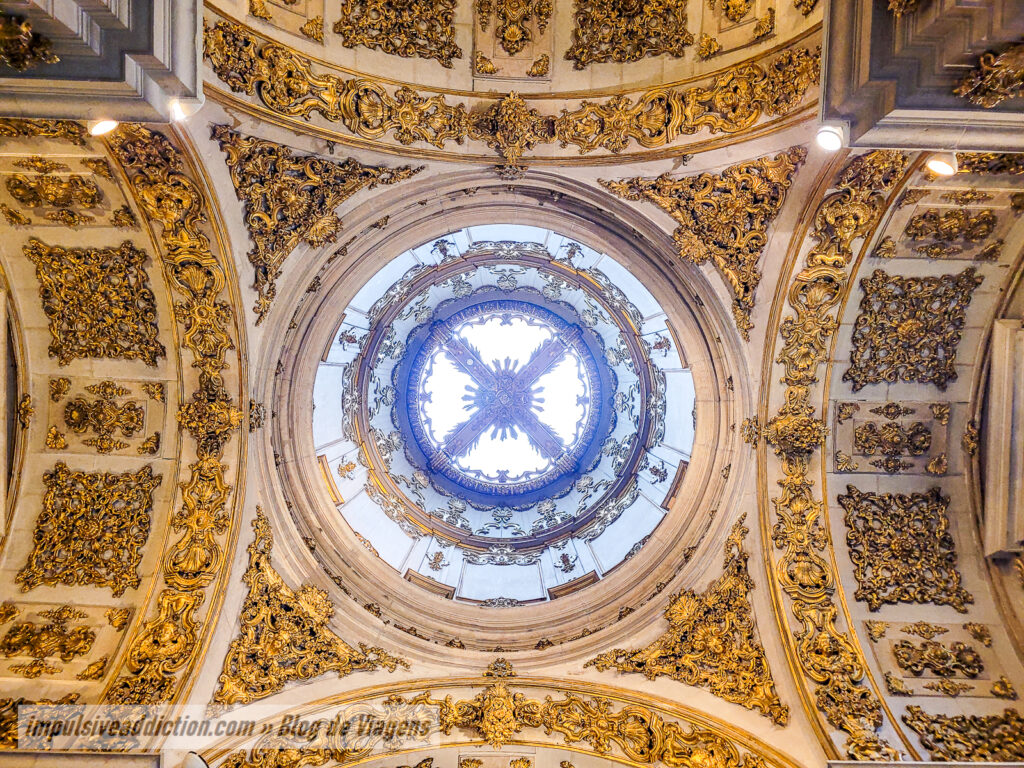
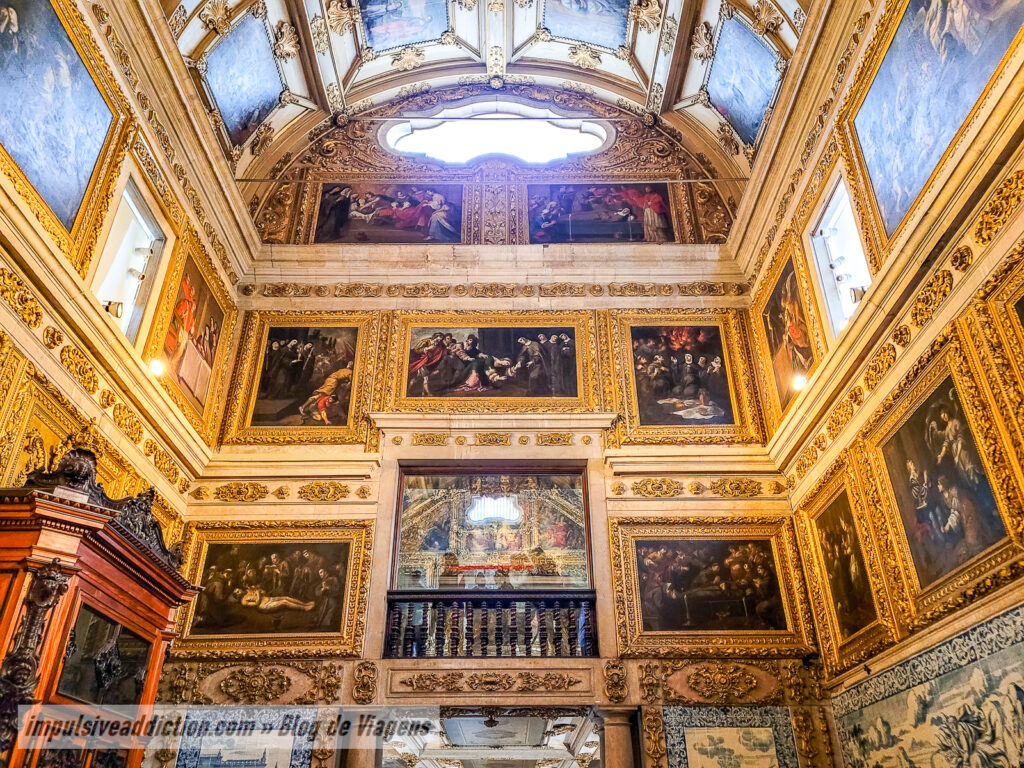
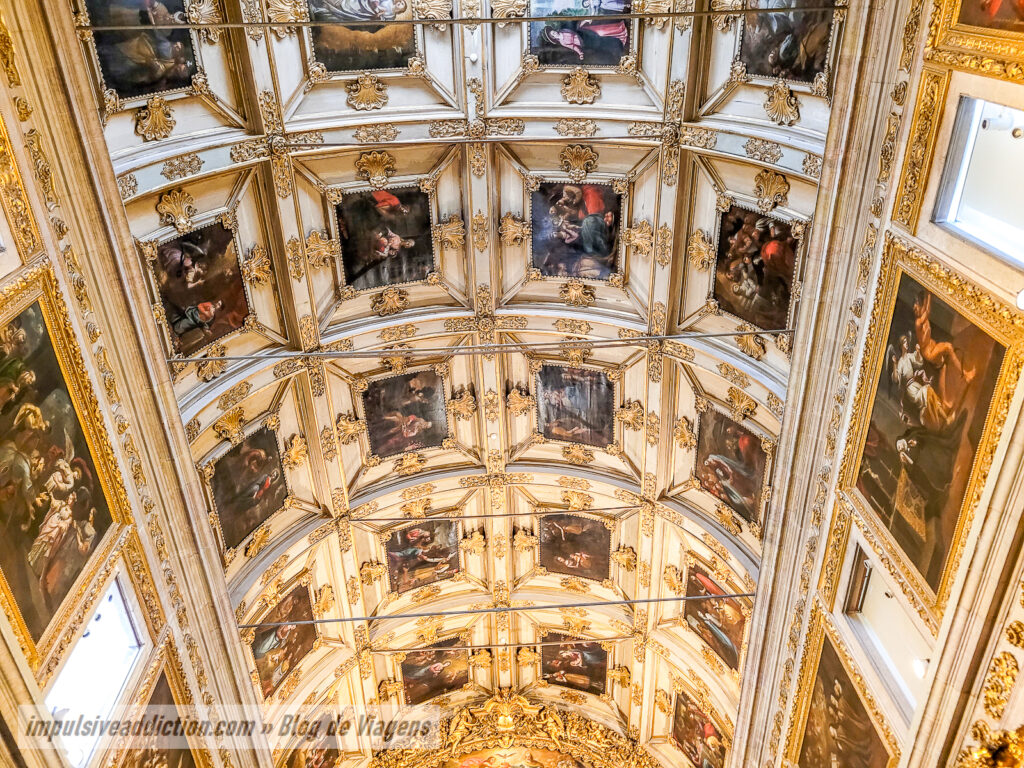
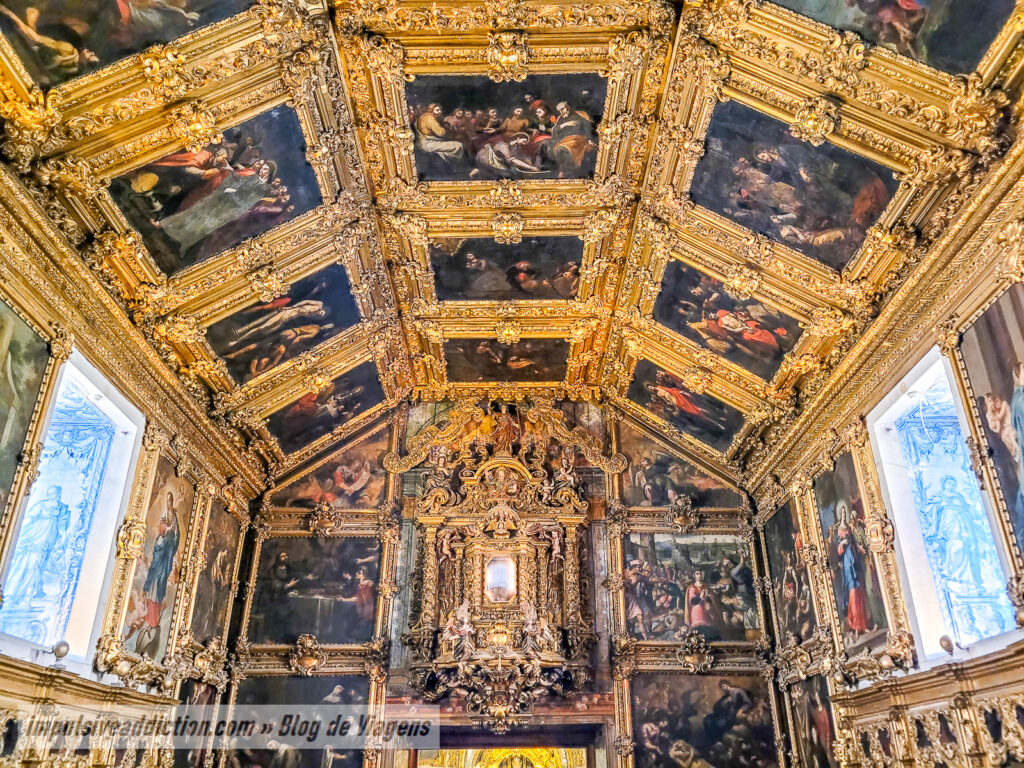
26. Madre de Deus Convent
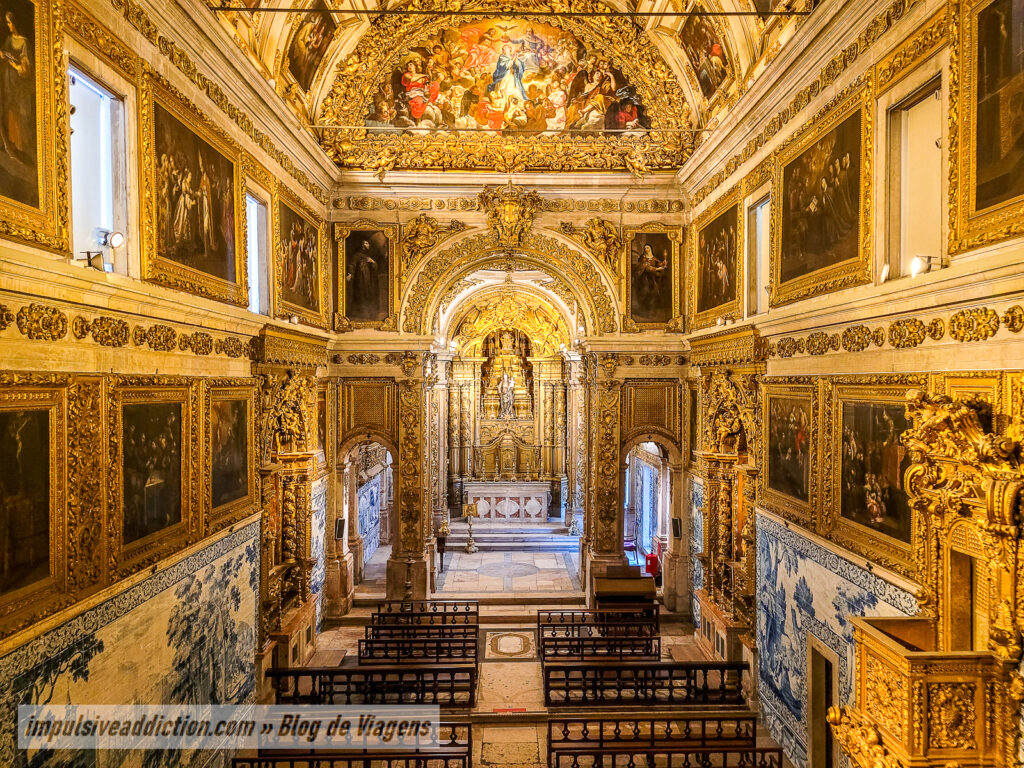
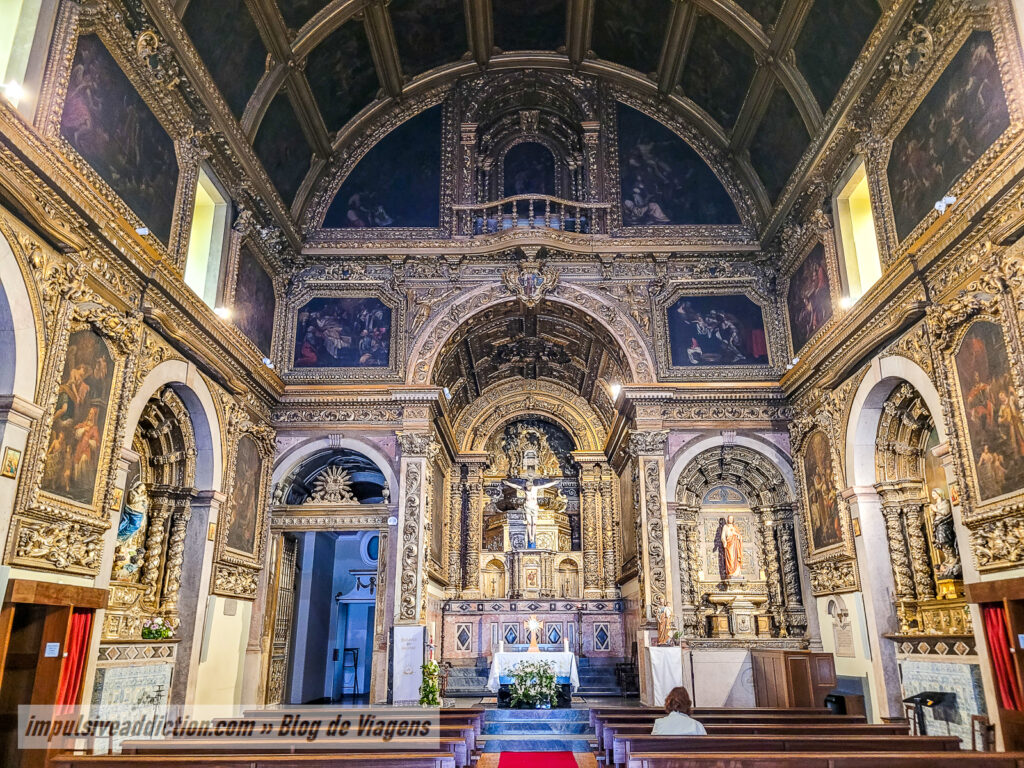
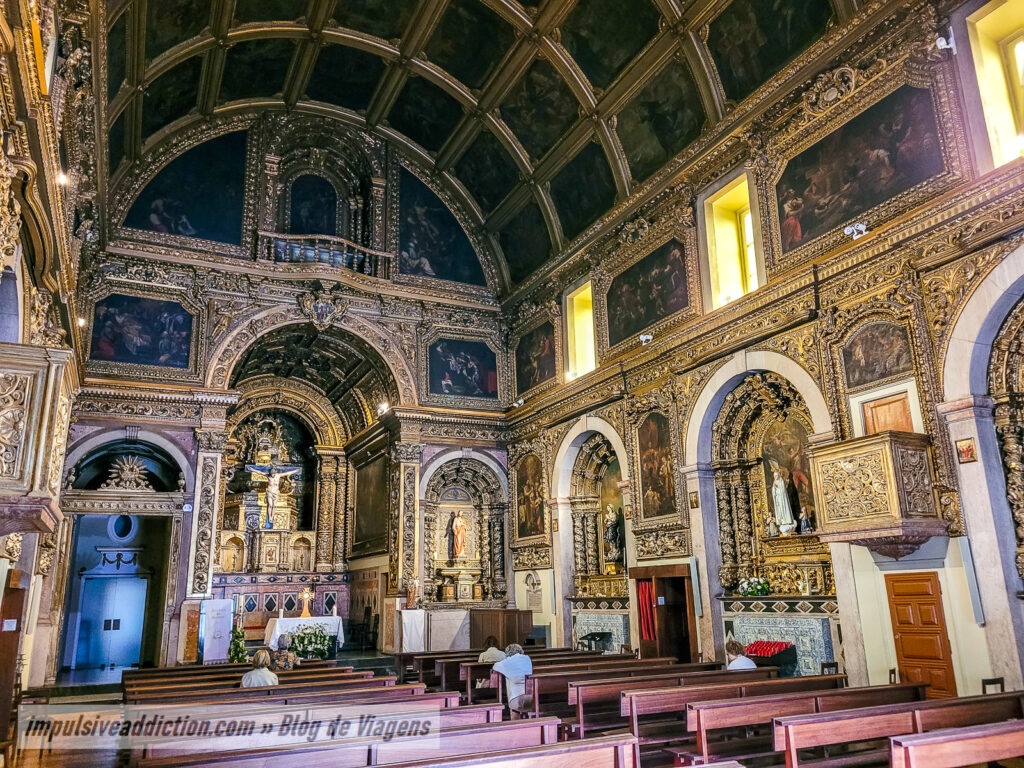
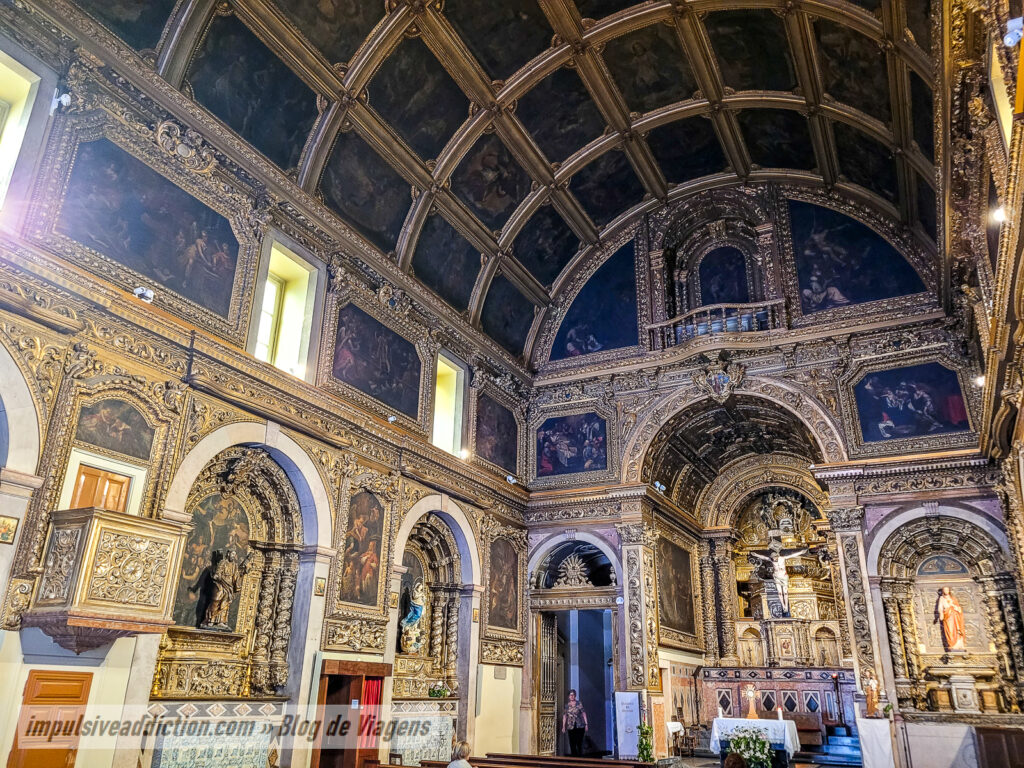
The Madre de Deus Convent, founded in 1509 by Queen Leonor, wife of King João II, is one of Lisbon’s most significant monastic complexes, located in the eastern district of Beato. Originally built to house nuns from the Order of Saint Clare, the convent began with modest structures — a few houses and a garden acquired from the widow of Álvaro da Cunha. The present church, commissioned in 1550 by King João III and designed by architect Diogo de Torralva, was completed by the late 16th century. During the 17th and 18th centuries, the building was lavishly embellished with gilded woodcarvings, tiles, and paintings, becoming one of Portugal’s finest examples of Baroque religious architecture.
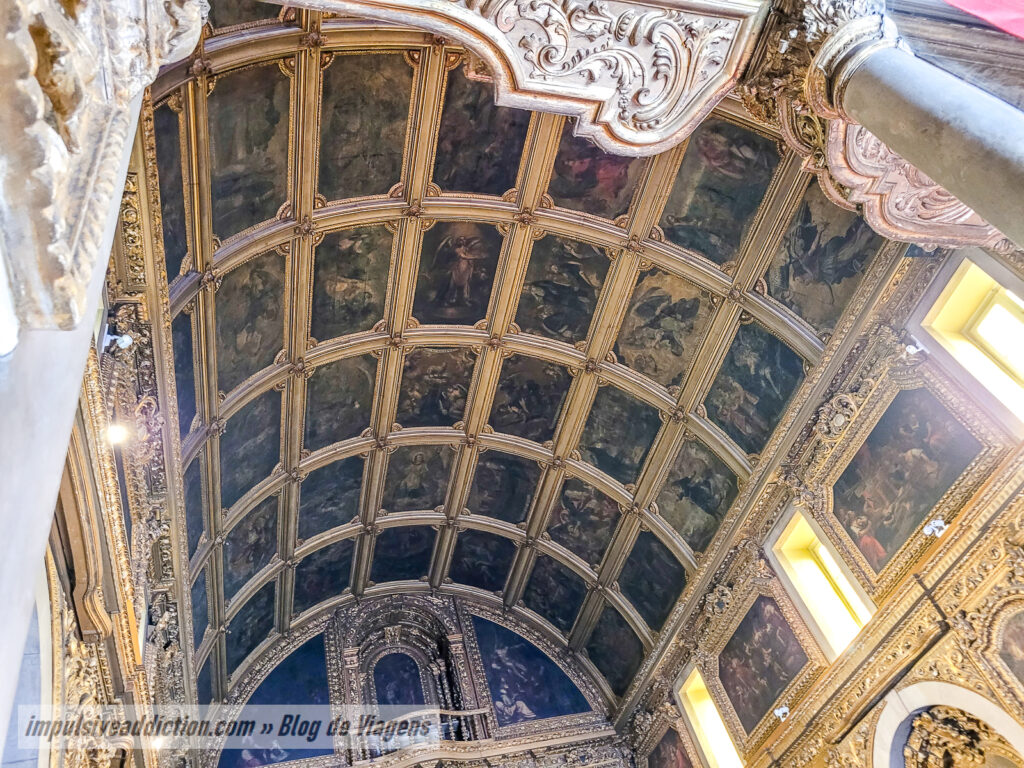
Today, the convent is home to the National Tile Museum (Museu Nacional do Azulejo), dedicated to preserving and showcasing the art of Portuguese azulejos. The church features a single nave and a barrel-vaulted ceiling, richly adorned with tile panels depicting scenes from the lives of Saint Francis and Saint Clare, oil paintings by Bento Coelho da Silveira, and a gilded high altar. The convent has been classified as a National Monument since 1910.
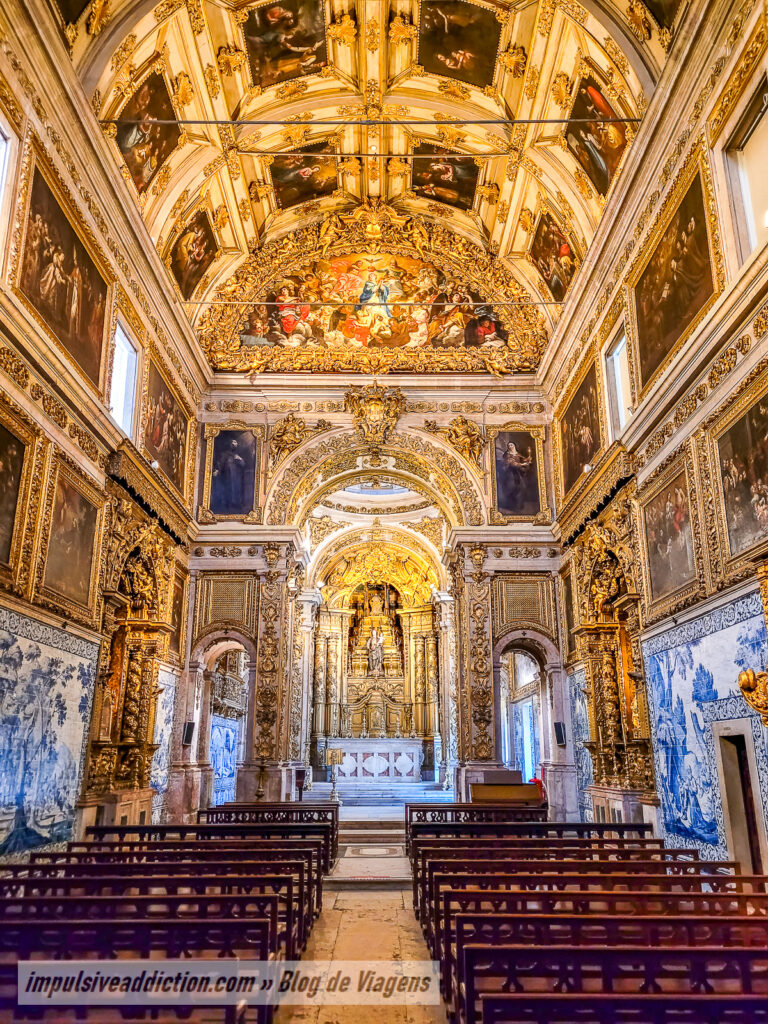
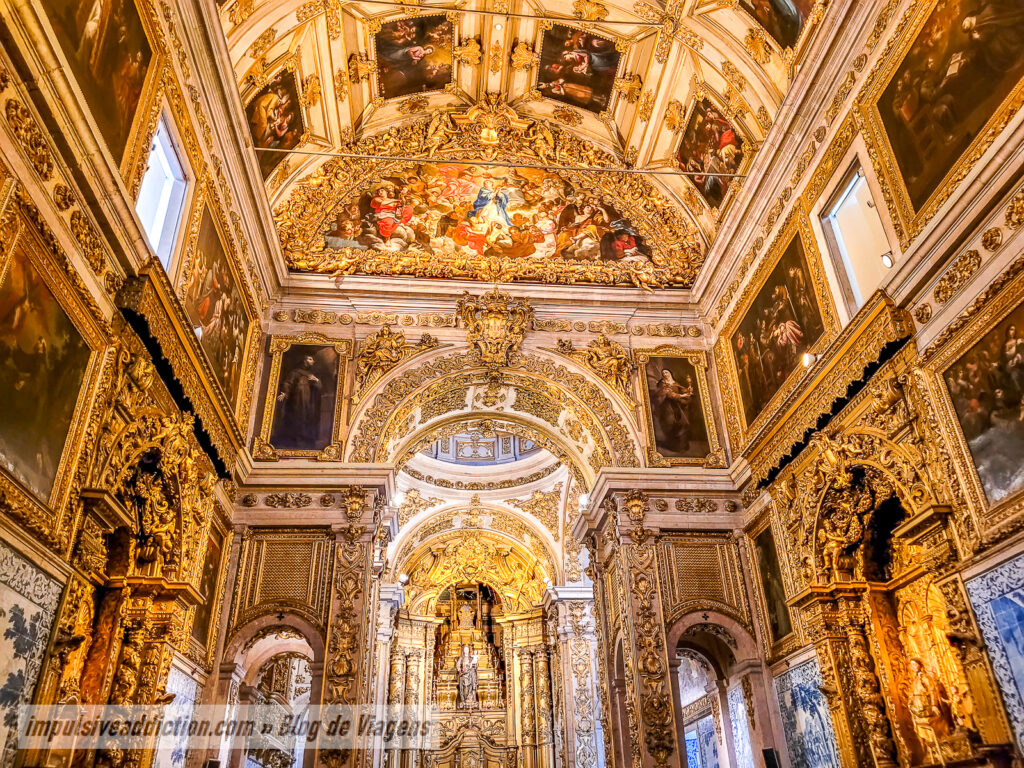
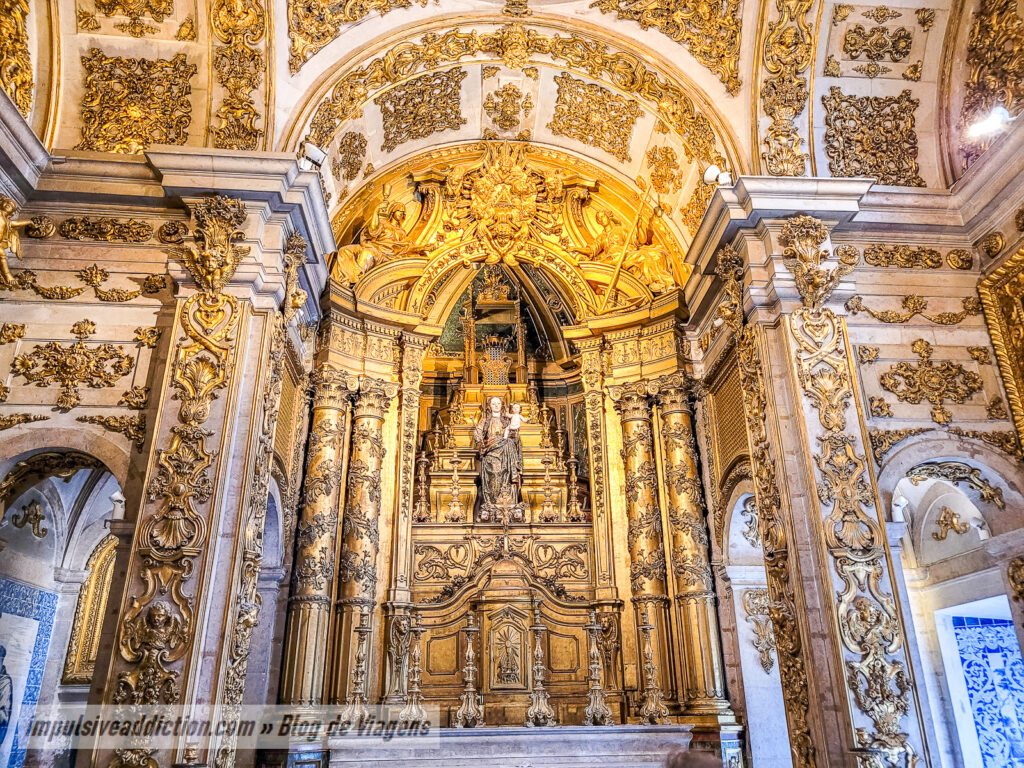
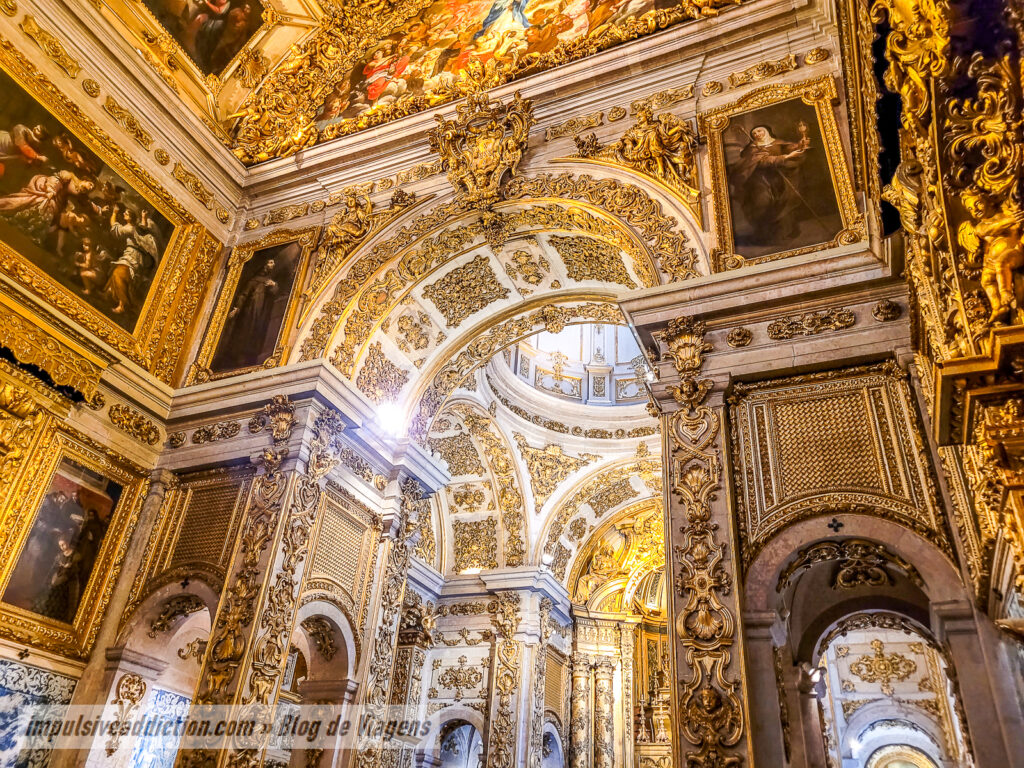
27. Church of Our Lady of the Angels (Igreja de Nossa Senhora dos Anjos)
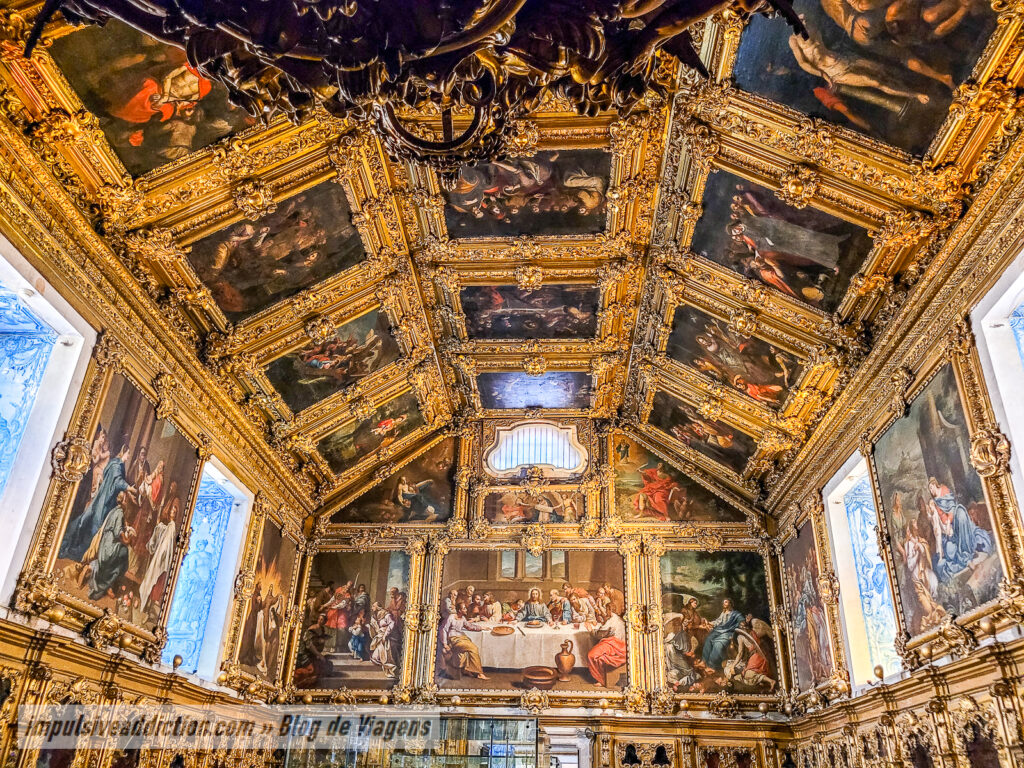
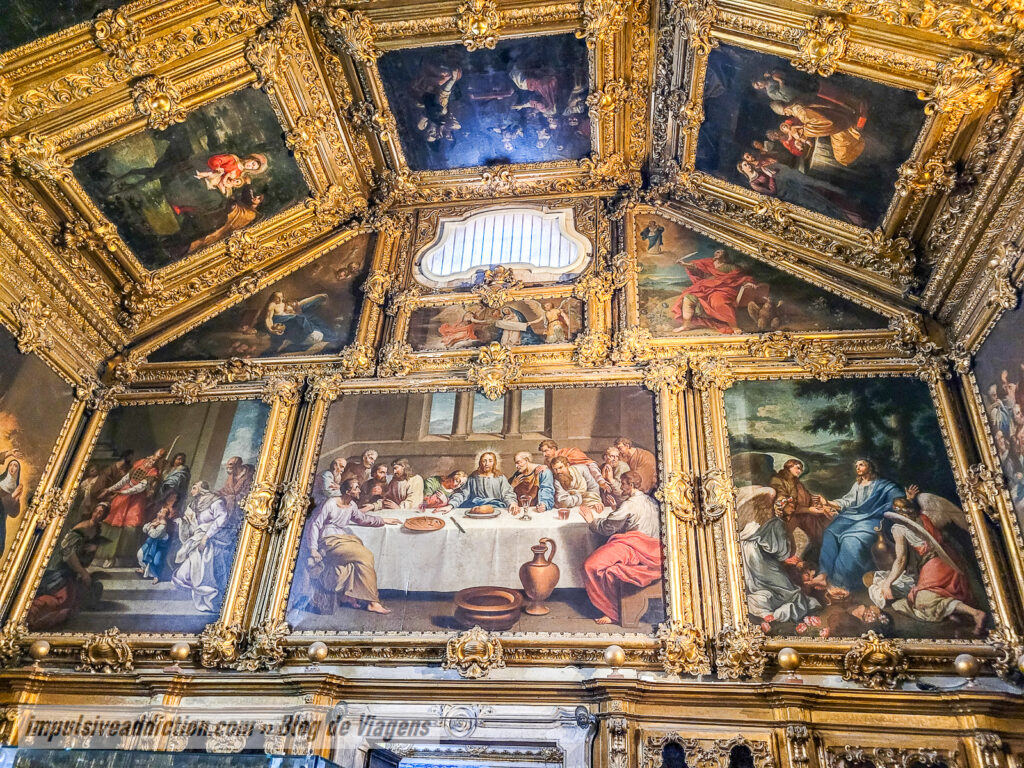
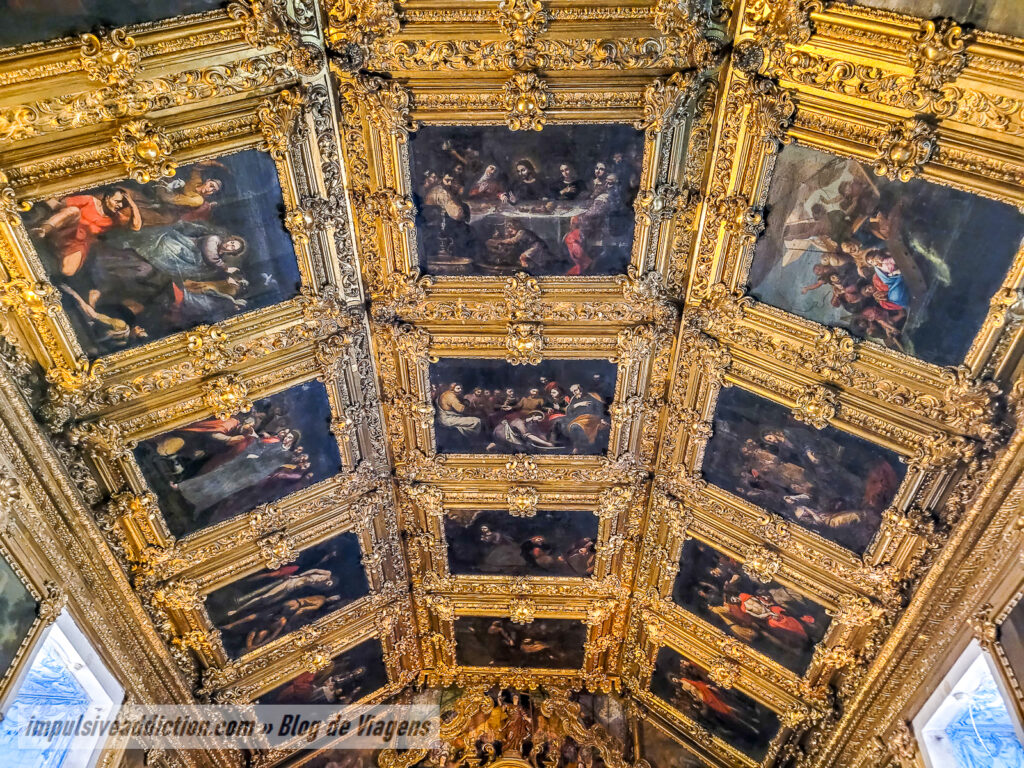
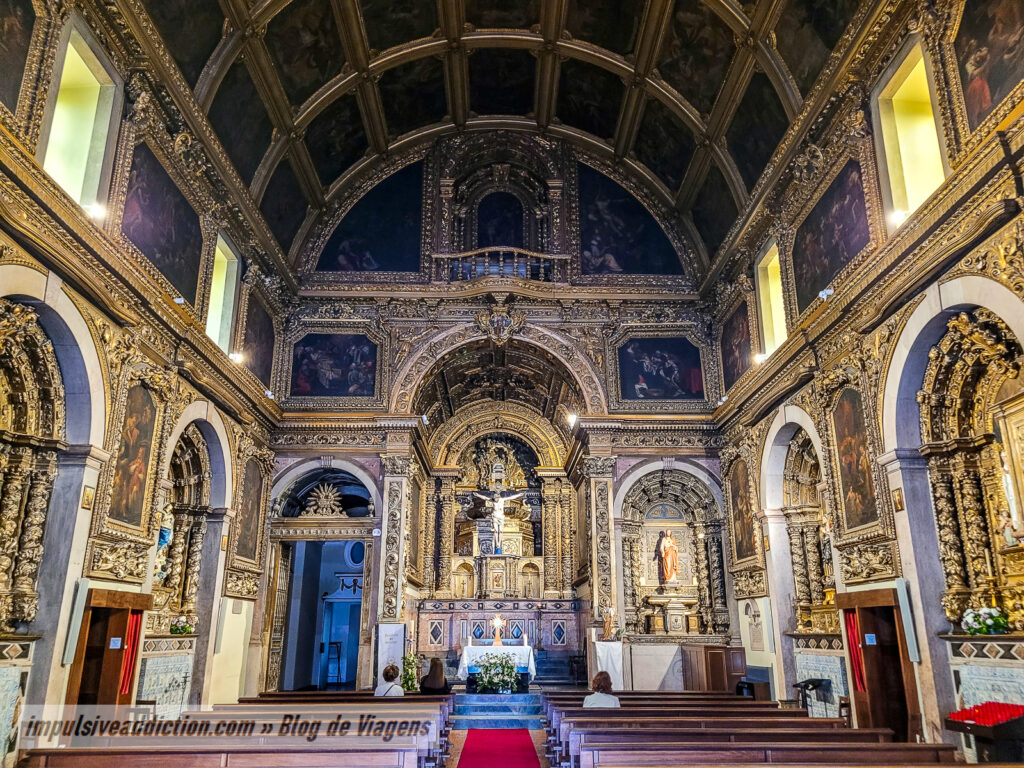
The Church of Our Lady of the Angels, located on Avenida Almirante Reis, was inaugurated in 1911, replacing the original temple that was demolished in 1908 to make way for the avenue’s construction. The new church was designed by architect José Luís Monteiro, who preserved elements of the original interior, including gilded altars, paintings depicting the Life of the Virgin, and a 16th-century painting of Saint Anthony in the sacristy.
The interior of the church is a striking example of “total Baroque art”, featuring richly painted coffered panels, ornate side altars, and a magnificent gilded choir loft. Despite being relatively modern in structure, the church maintains a deep connection to traditional Portuguese ecclesiastical art and architecture.
Lisboa Card – Is it worth it?
Lisboa Card – Is it Worth It?
Buying the Lisboa Card might be worth it — or not. It really depends on how you plan to use it and your travel style.
The Lisboa Card offers great value if you’re aiming to visit as many museums and attractions as possible in one or two days. However, that may not be the best approach for travelers who prefer to take their time, explore the city area by area, and follow a more relaxed itinerary.
I’ll let you decide whether it’s a good deal based on the full details available on the official Lisboa Card website. But keep in mind: if you go for it, your itinerary should be built around it to really make it pay off.
Did I get the Lisboa Card on my most recent trip to Lisbon?
Yes — and I saved a lot… even though I spent a lot too! 😄 I really wanted to see everything Lisbon has to offer!
Tours to visit Lisbon and surroundings
TOURS TO VISIT LISBON
- Sunset boat trip in Lisbon
- 1.5 hour Amphibious Vehicle tour in Lisbon
- Guided walking tour of Lisbon
- Private Tuk Tuk tour of Lisbon
- Lisbon: Estádio da Luz Tour (SL BENFICA)
- Lisbon: History, Stories and Lifestyle Walking tour
- Alfama Food Tour with 18 tastings
- Lisbon: Sightseeing cruise on the Tagus River
- Lisbon: Fado and Wine Experience
- Pastel de Nata Baking Class in Lisbon
- Lisbon pub crawl

TOURS TO VISIT LISBON SURROUNDINGS:
- From Lisbon: Sintra, Pena, Regaleira, Cabo da Roca and Cascais
- From Lisbon: Fátima, Nazaré, Batalha and Óbidos
- From Lisbon: Kayaking experience in Sesimbra
- From Lisbon: Dolphin watching boat tour
- Wine tasting tour in Setúbal Region
- Tour to Algarve from Lisbon
- Tour to Évora from Lisbon
- Tour to Tomar and Almourol Castle
Safe travels! ✈️
Which of these Lisbon Churches is your favorite? 😉
Let me know in the comments! 💬
