 Pedro Domingues
Torre de Moncorvo is without a doubt an incredible destination in Portugal—especially if you’re a fan of breathtaking viewpoints and truly stunning landscapes.
To the south, you’ll find the majestic Douro River, at the center rises the Serra do Reboredo, and to the north await the spectacular Sabor Lakes. Absolutely mind-blowing!
The itinerary I suggest is mostly panoramic, but I won’t forget the historic center of Torre de Moncorvo, its charming traditional villages, the popular scenic swings, and even the river beach at the mouth of the Sabor River.
Believe me, you’ll be amazed by everything Torre de Moncorvo has to offer. I recommend planning a 2- to 3-day stay to fully enjoy it.
Where is Torre de Moncorvo located, in Portugal?
Visiting Torre de Moncorvo means discovering a municipality in the district of Bragança, located in the Trás-os-Montes and Alto Douro region of northern Portugal.
Check out its location and borders on the map below. To the north, it neighbors Alfândega da Fé and Vila Flor, while just nearby you’ll find the Douro International Natural Park, with municipalities such as Mogadouro and Freixo de Espada à Cinta. Don’t forget to also visit Carrazeda de Ansiães and Vila Nova de Foz Côa, both worth the trip.

MORE ARTICLES ABOUT BRAGANÇA DISTRICT:
- Things to do in Vinhais
- Things to do in Bragança
- Things to do in Mirandela
- Things to do in Vimioso
- Things to do in Miranda do Douro
- Things to do in Mogadouro
- Things to do in Torre de Moncorvo
- Things to do in Freixo de Espada à Cinta
- Things to do in Carrazeda de Ansiães
- Things to do in Macedo de Cavaleiros
- Things to do in Vila Flor
- Montesinho Natural Park Itinerary
- Lagos do Sabor Itinerary
- Douro International Natural Park Itinerary
- Tua Valley Itinerary
- Trás-os-Montes Itinerary
Rent a car to visit Torre de Moncorvo
When it comes to practical advice, having a car is essential to explore Torre de Moncorvo. The municipality covers a large area with scenic roads that are best enjoyed by driving.
If you don’t have your own vehicle, the easiest option is to rent a car with Discover Cars.
When to Visit Torre de Moncorvo?
I recommend visiting Torre de Moncorvo during the warmer months, as its highlights are outdoors and spread across the surrounding landscapes. This means plenty of movement and exploring! 😉 For that reason, I’d avoid winter, since the region gets quite cold.
Some of the best times to visit are during local festivals:
- April – Medieval Fair: a lively event dedicated to King Dinis and the history of iron.
- June – Solstice Festival: celebrating the beginning of summer with music, culture, and tradition.
- September – Wine & Flavor Douro Festival: held at the river beach of Foz do Sabor, showcasing the rich gastronomy and wines of the Douro Superior region.
If you can only visit Torre de Moncorvo in winter, then choose the Christmas season and take part in the Festas da Boa Nova, a traditional local celebration that brings the town to life with festive spirit.
Gastronomy and restaurants in Torre de Moncorvo
The gastronomy of Torre de Moncorvo is incredibly rich and diverse. When it comes to traditional dishes, lamb, veal, and wild boar are always an excellent choice for a hearty meal. Don’t miss specialties like Lamb Puff Pastry (Folhado de Borrego), Terrincho Lamb, the classic Veal Steak (Posta de Vitela), or a comforting wild boar stew.
You should also try the region’s famous smoked sausages and cured meats, typical of Trás-os-Montes. In spring, seasonal delights include asparagus omelet and broad beans stewed with chouriço.
As for desserts and local sweets, indulge in the iconic Covered Almonds of Moncorvo, the spiced Bolo Moreno cake with cinnamon and brandy, the traditional Canelões of Urros (with likely Jewish origins), and the delicate Súplicas pastries.
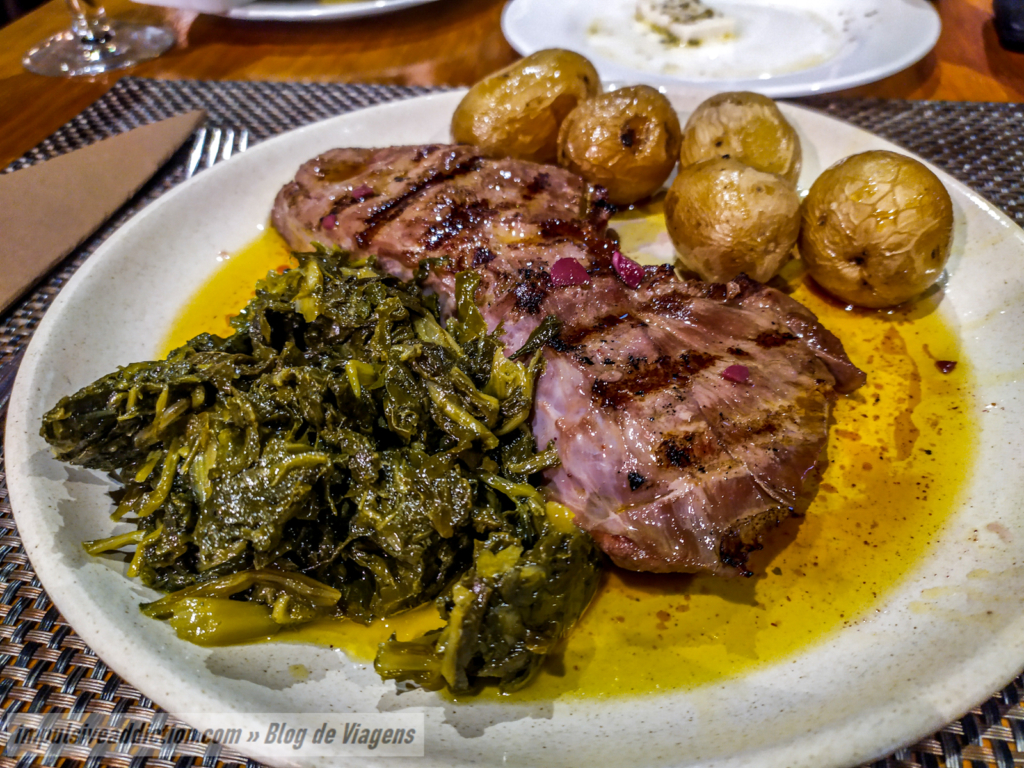
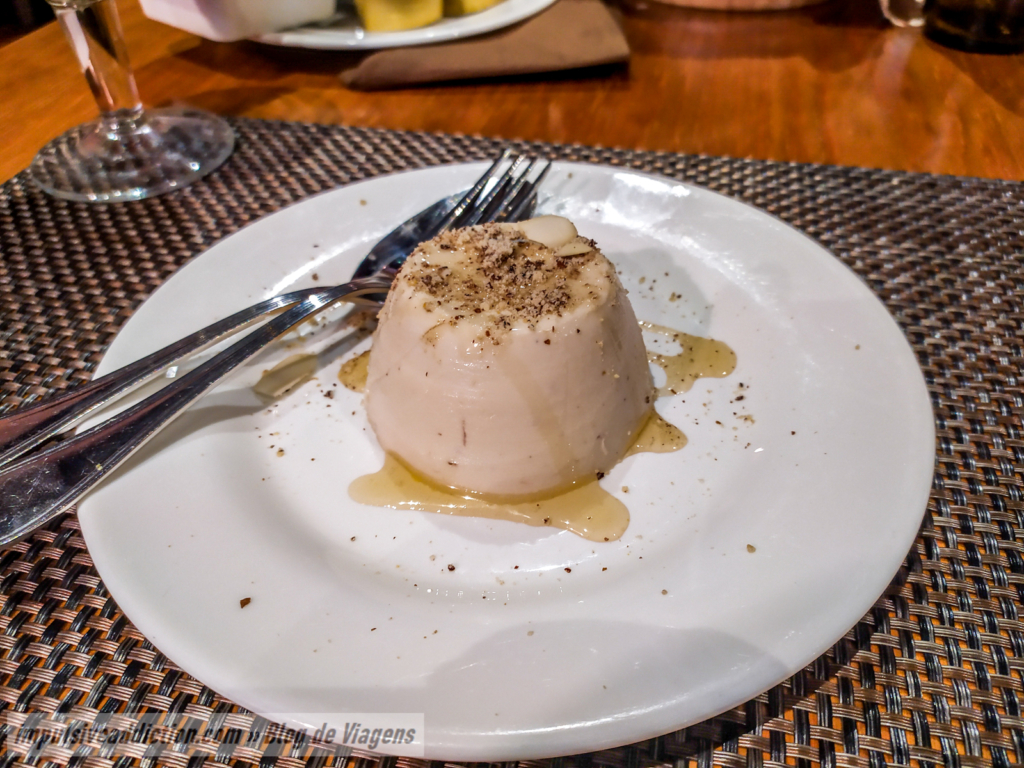
When it comes to the best places to eat in Torre de Moncorvo, my top recommendation is Restaurante O Lagar. That’s where I had dinner, and I loved everything—the atmosphere, the service, and above all, the food.
I ordered the Posta de Vitela (veal steak), which was absolutely delicious, as was the chestnut-based dessert that followed. There may be other good restaurants in the region, but after dining here once, I just had to come back the very next day!
Where to stay in Torre de Moncorvo
| Accommodation | Score |
|---|---|
| Quinta da Terrincha | 9.2 |
| Casa de Santa Cruz | 8.9 |
| Olhares do Douro (Foz do Rio Sabor) | 9.6 |
| Casa do Ti Latoeiro | 9.3 |
| Casa da Avó | 8.9 |
| Casa Dona Maria Luiza | 8.8 |
Best things to do in Torre de Moncorvo
Here’s everything you should visit in Torre de Moncorvo, along with the best things to see and do. This itinerary is designed for a 2- to 3-day trip, but keep an eye on the links throughout this article if you’d like to extend your journey to the surrounding areas.
For example, you can explore more of the Sabor Lakes, discover the stunning Douro region, or even head towards the Tua Valley Natural Park.
Map with the highlights of Torre de Moncorvo
Visit the Historic Center of Torre de Moncorvo
The Historic Center of Torre de Moncorvo is relatively compact. You can see the main highlights in just a few hours, and I’d say that one morning is more than enough to cover the essentials.
Note: To visit the museum spaces in the Old Quarter of Torre de Moncorvo mentioned below, you’ll need to book in advance with the Tourist Office. The only space that is always open to the public is the Iron Museum (Museu do Ferro).
1. Praça Francisco Meireles and the Filipino Fountain
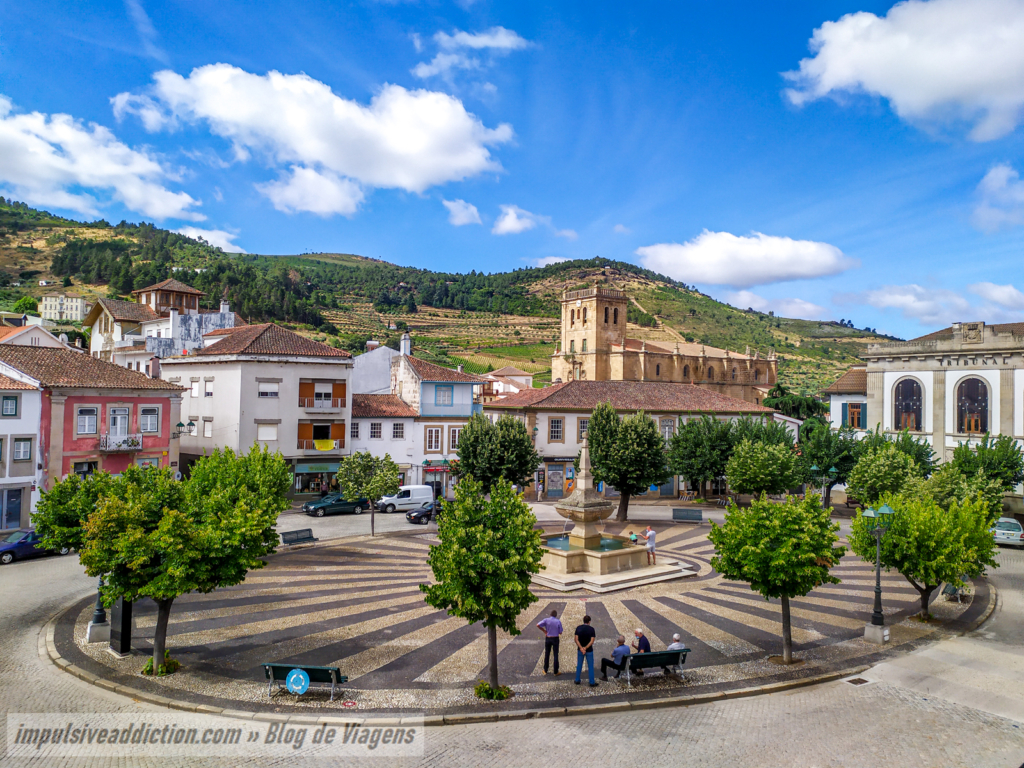
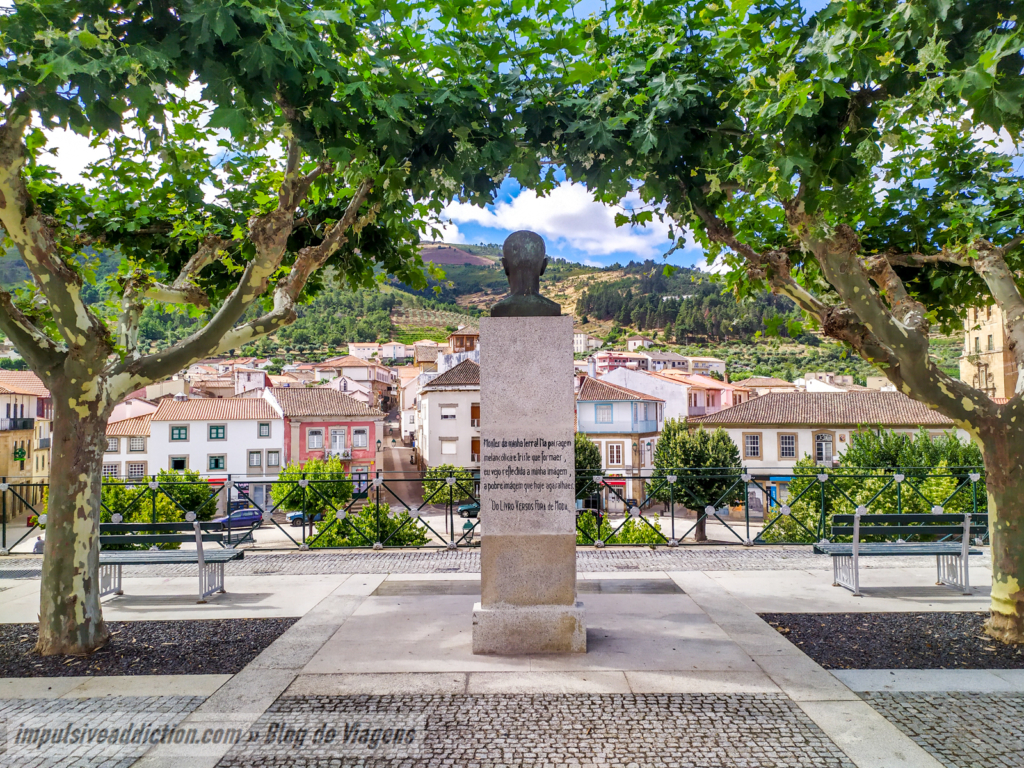
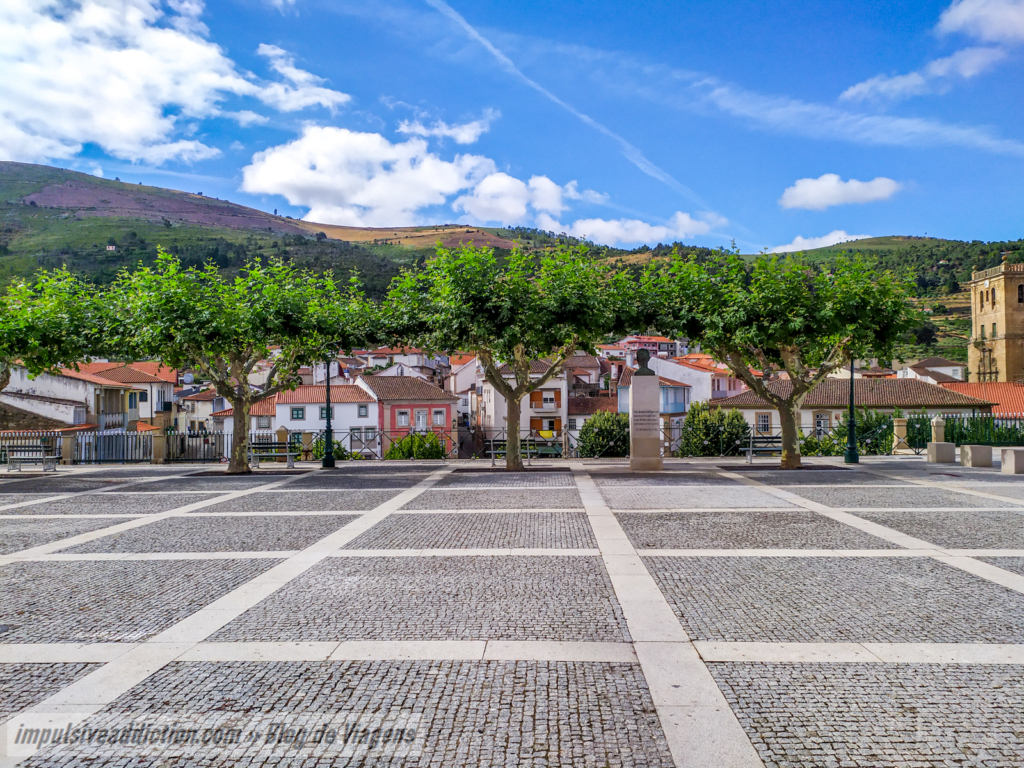
Praça Francisco Meireles is the beating heart of the town. With its oval shape, it is marked by the Filipino Fountain (Chafariz Filipino) at its center, rebuilt in 1999 based on historical records of the original 17th-century fountain.
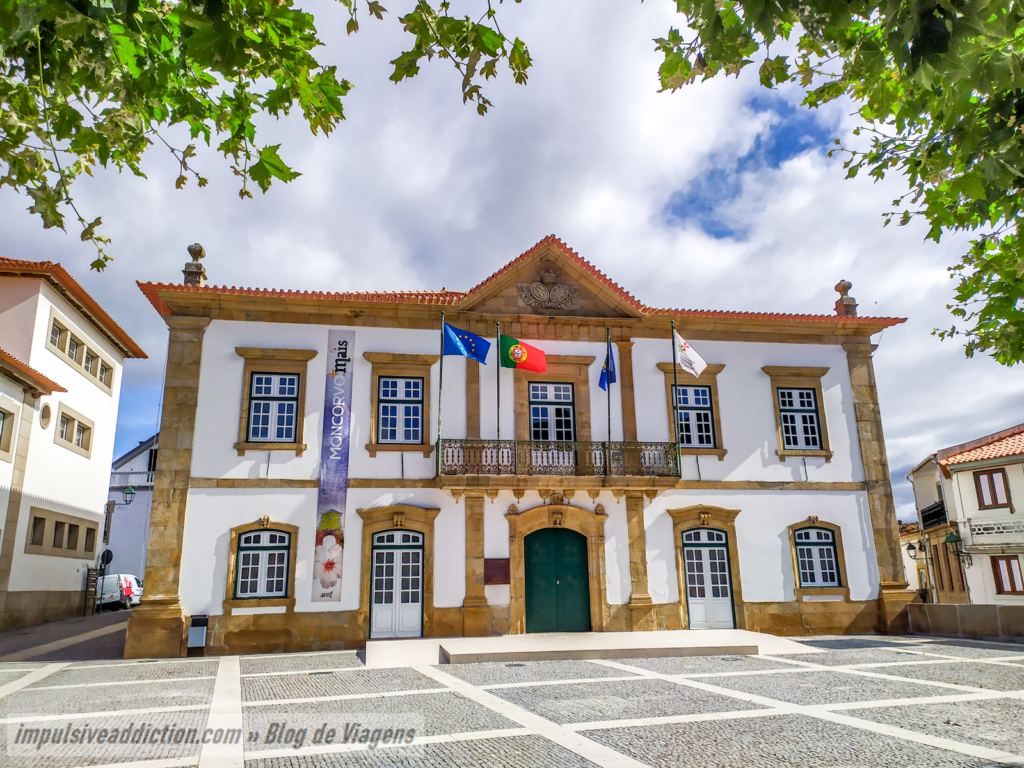
On one side of the square, you’ll find a staircase leading up to the Castle Square (Largo do Castelo), the Town Hall, and the oldest part of town—the atmospheric Old Quarter.
2. Torre de Moncorvo Castle and Castle Museum
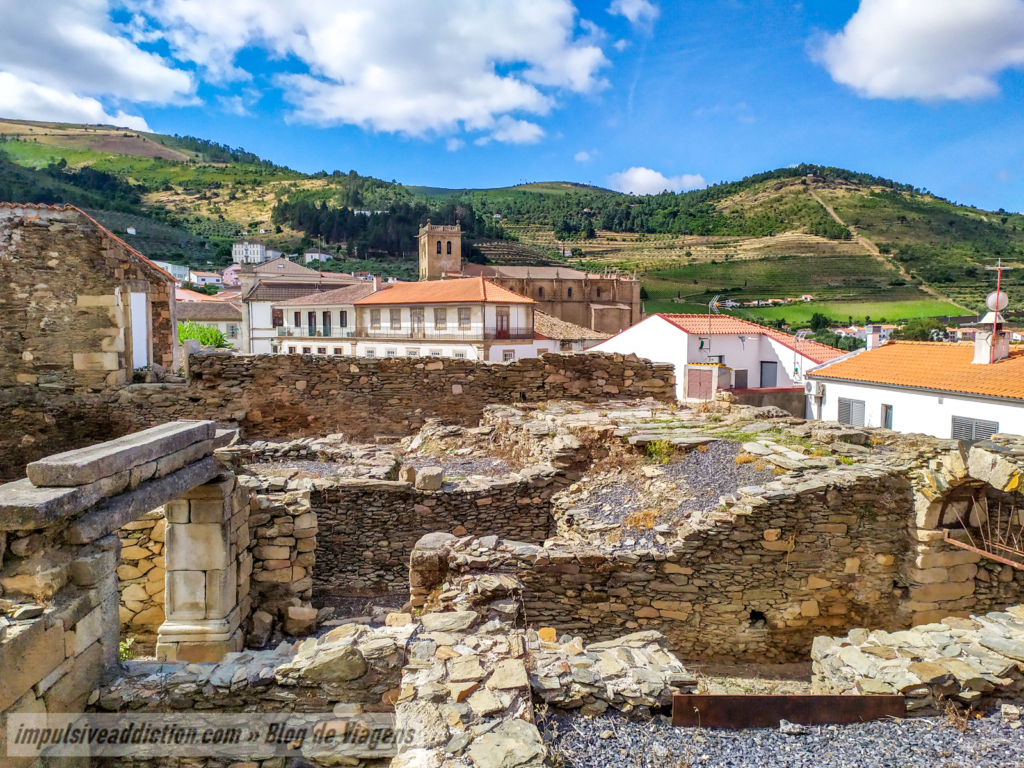
The so-called Castle of Torre de Moncorvo actually refers to the entire Old Quarter, though it is most closely associated with the ruins located to the left of the Town Hall.
Here you’ll also find a museum space showcasing the results of archaeological excavations carried out on the site, along with the fascinating history of the castle itself.
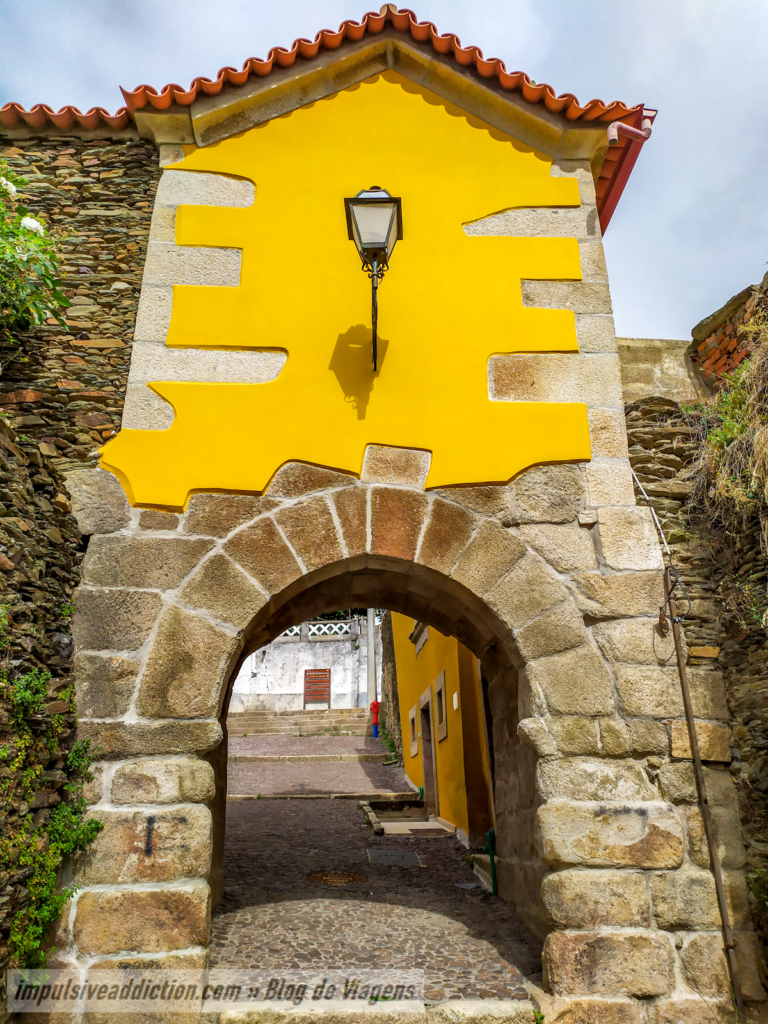
In short, the castle dates back to the late 13th and early 14th centuries, during the reign of King Dinis. The medieval walls once had three or four gates, but today only one remains: the Porta da Vila (Town Gate).
3. Porta da Vila and Chapel of Our Lady of Remedies
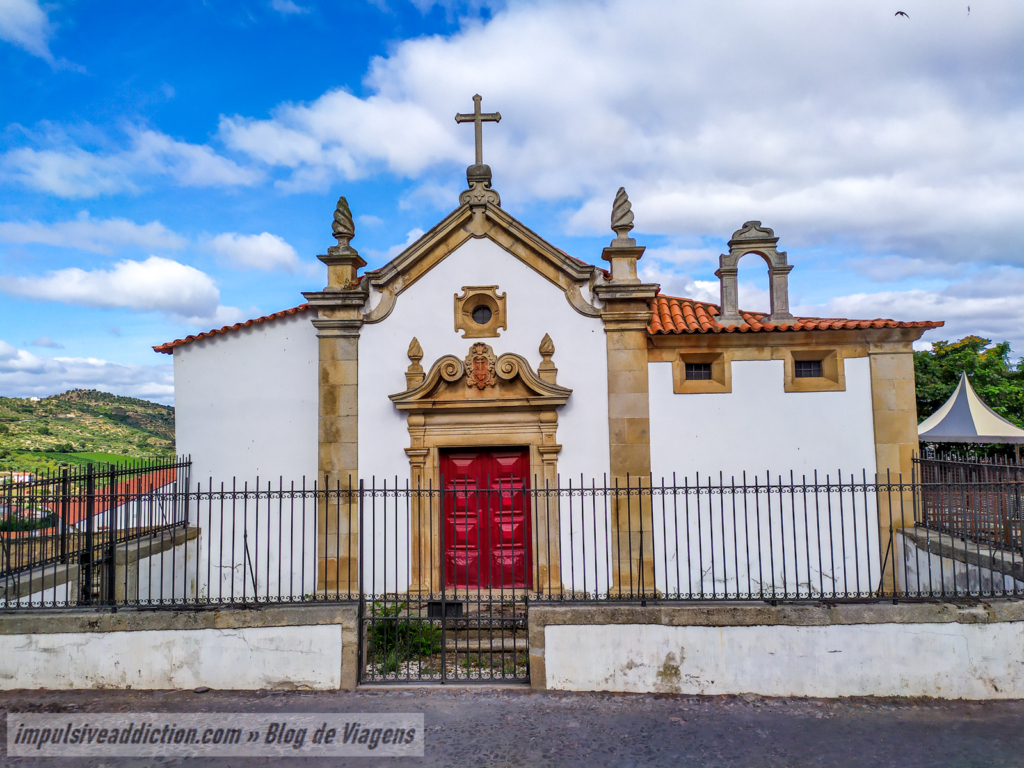
The Porta da Vila is today preserved as a simple stone arch, above which stands a small chapel dating back to the 17th century, dedicated to Our Lady of Remedies (Nossa Senhora dos Remédios).
4. Casa da Roda dos Expostos (Foundlings’ House)
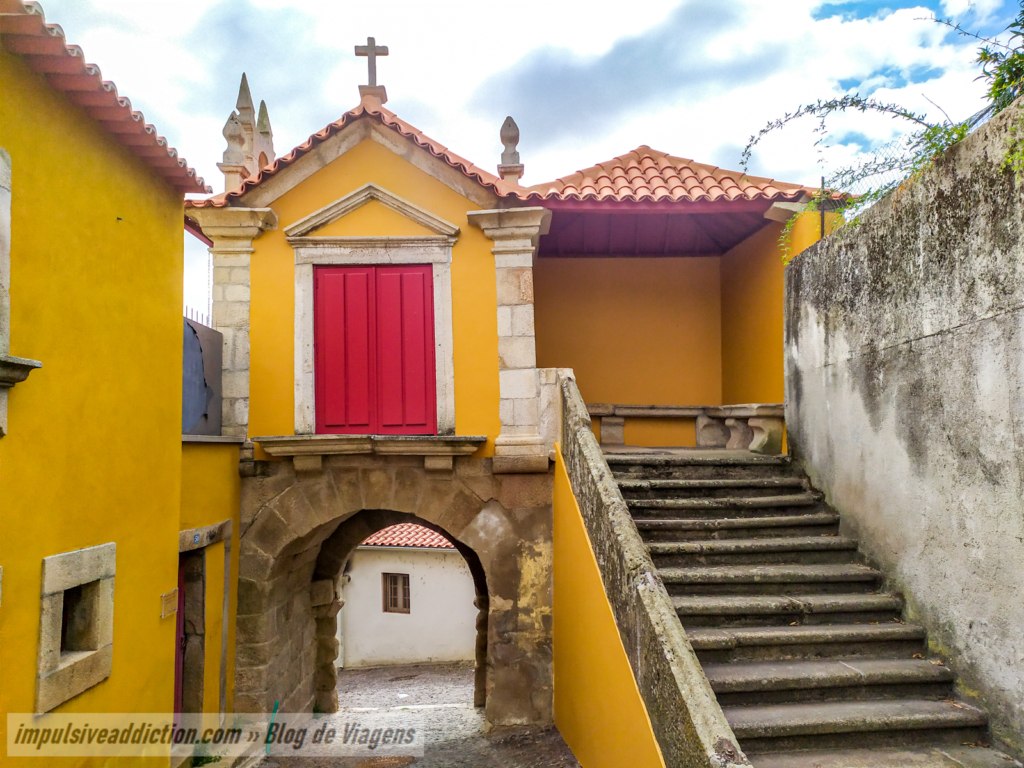
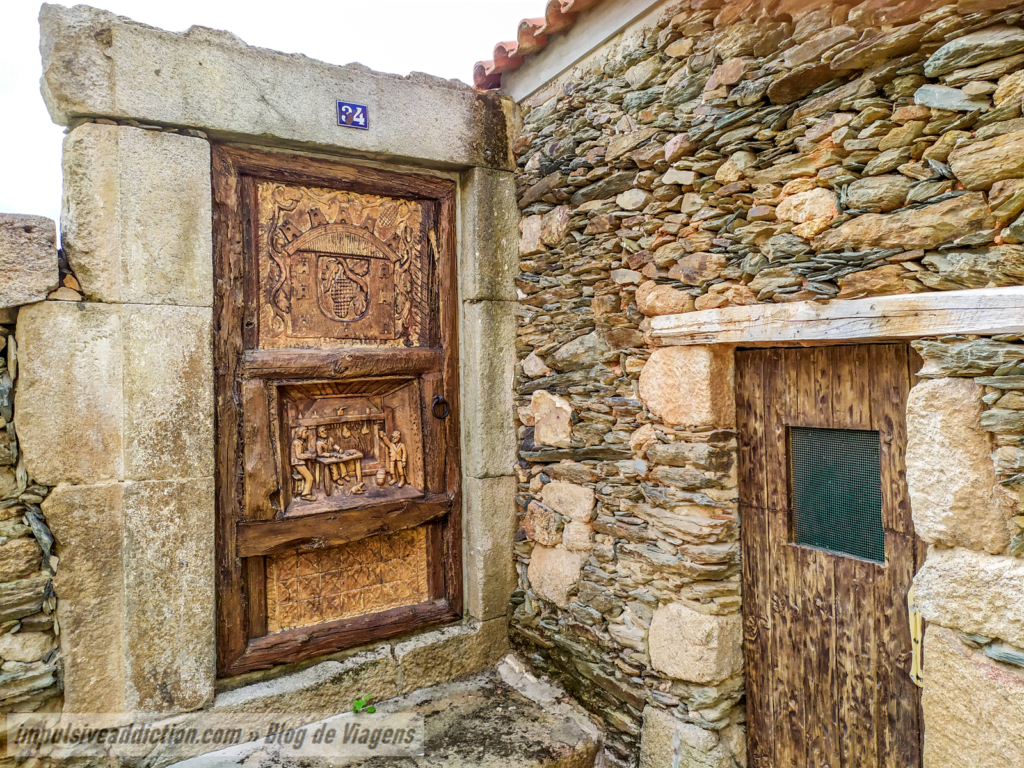
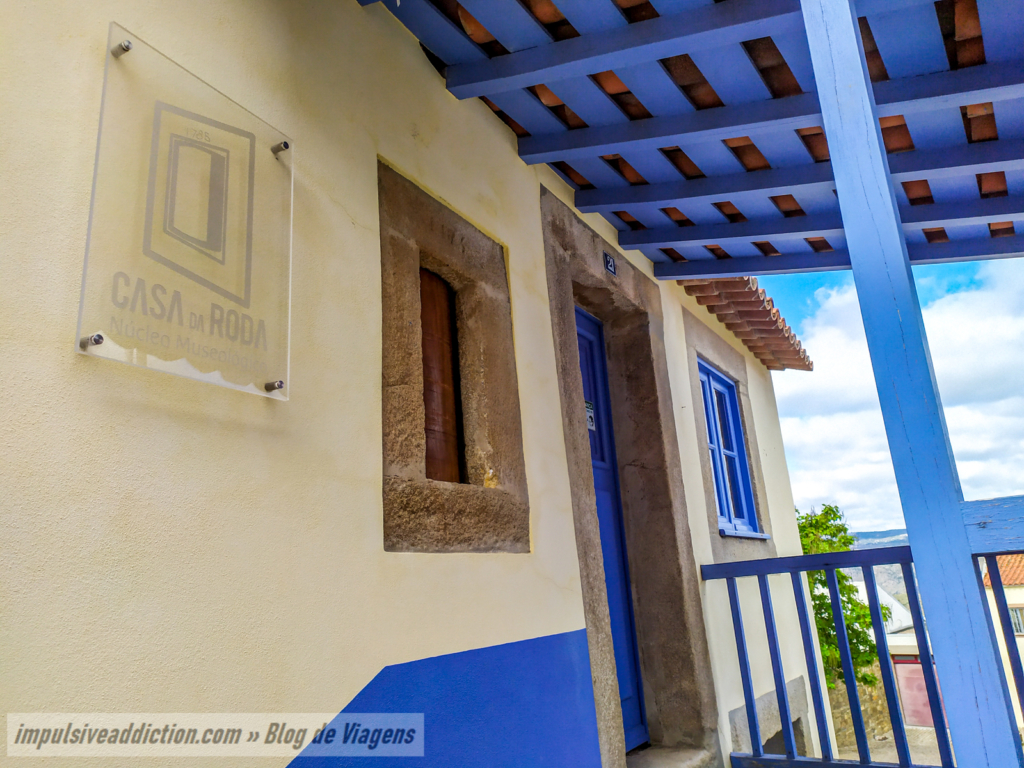
For me, the Casa da Roda dos Expostos is the most fascinating and unique museum space in Torre de Moncorvo, thanks to its powerful history.
Did you know that the Casa da Roda was an institution created in the 18th century to shelter abandoned or orphaned children, known as expostos (foundlings)? It functioned as a kind of orphanage.
Children would remain here under the institution’s care until the age of seven, after which they were reintegrated into society—often working as servants or apprentices. The museum today recreates the atmosphere of what life was like in this house and institution during the 18th century.
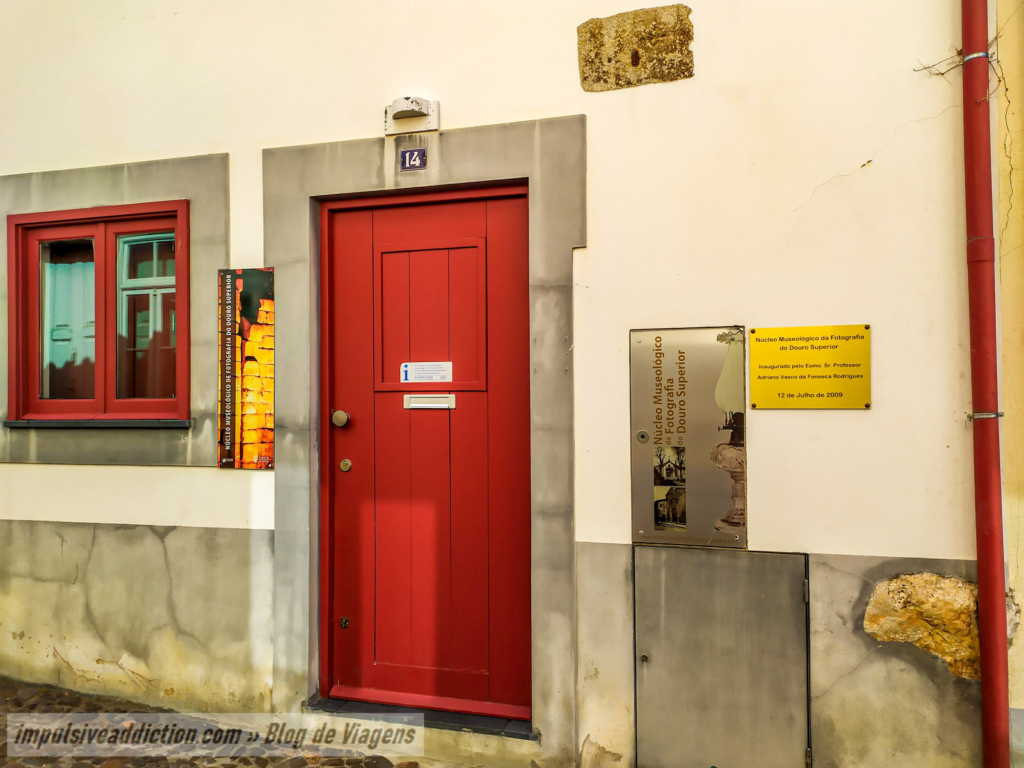
5. Church of Mercy, Museum of Sacred Art of Torre de Moncorvo, and Photography Museum
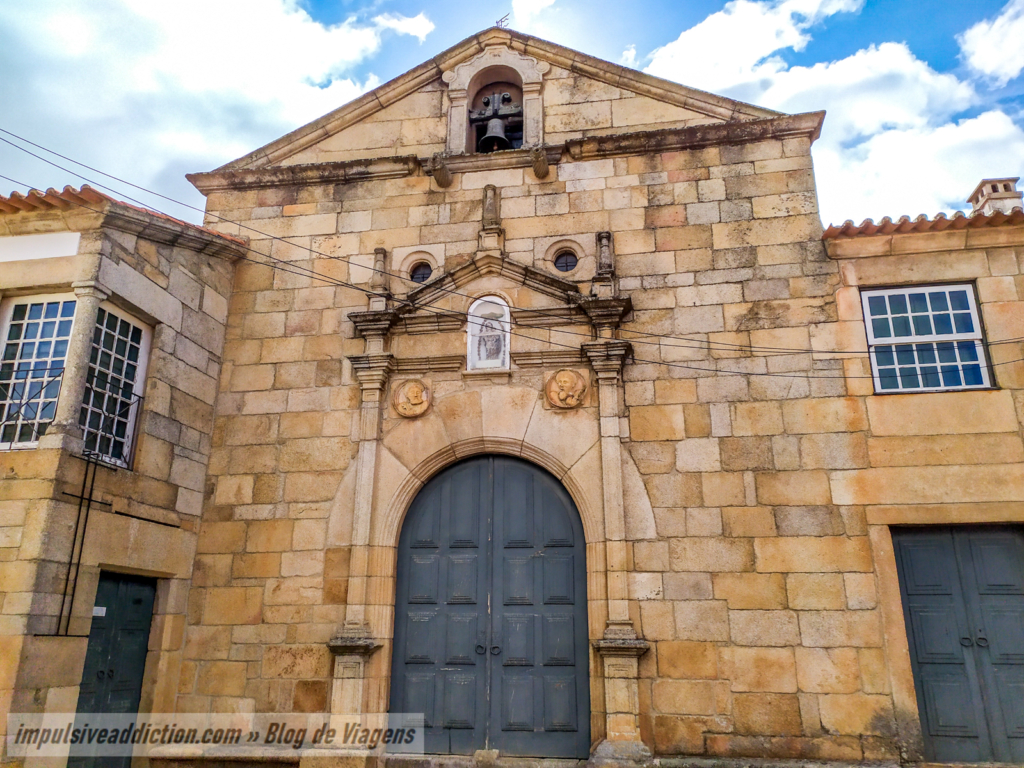
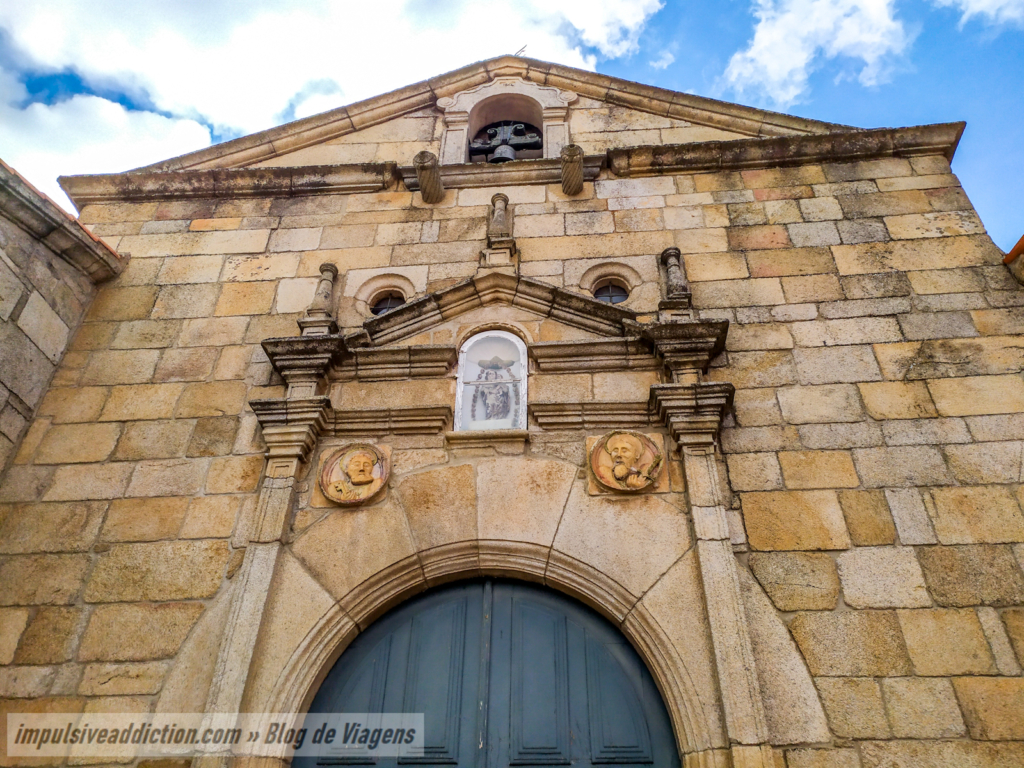
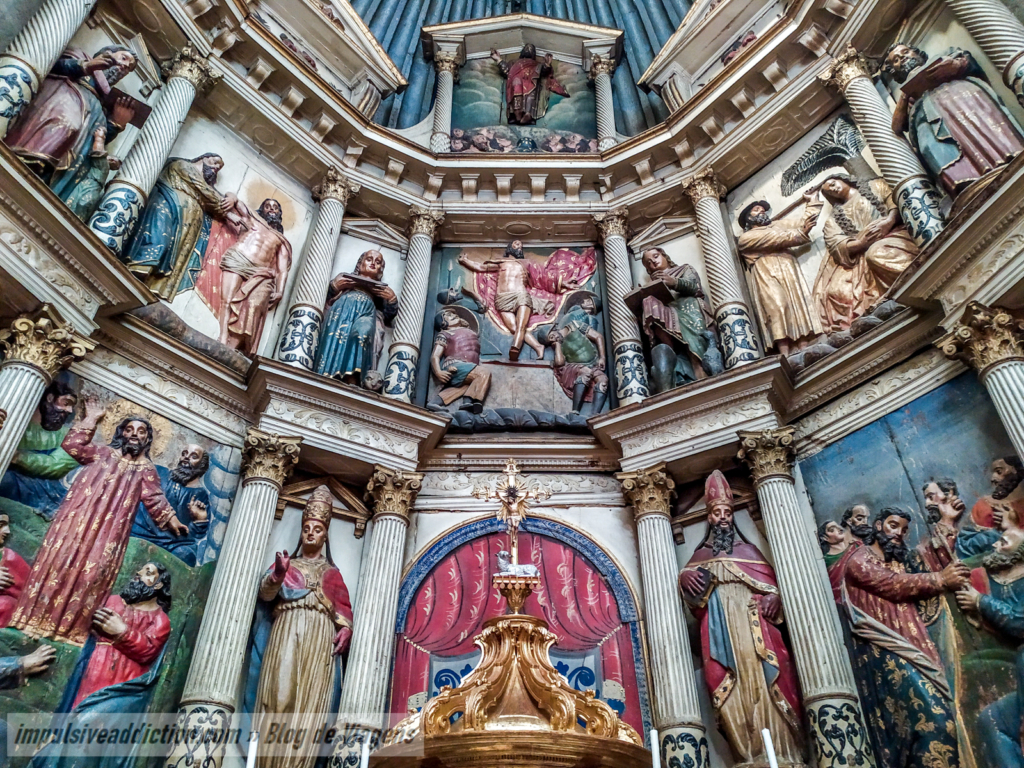
The Church of Mercy (Igreja da Misericórdia) stands right next to the Casa da Roda and dates back to the 16th century. On the façade, you can admire the statues of Saint Peter and Saint Paul crowning the entrance portico, as well as the image of Our Lady of Amparo placed in a central niche.
Inside, you’ll find the Museum of Sacred Art of Torre de Moncorvo, which houses a collection of religious artifacts, artworks, and pieces of devotion linked to the town’s centuries-old traditions.
6. Chapel of Our Lady of Pleasures
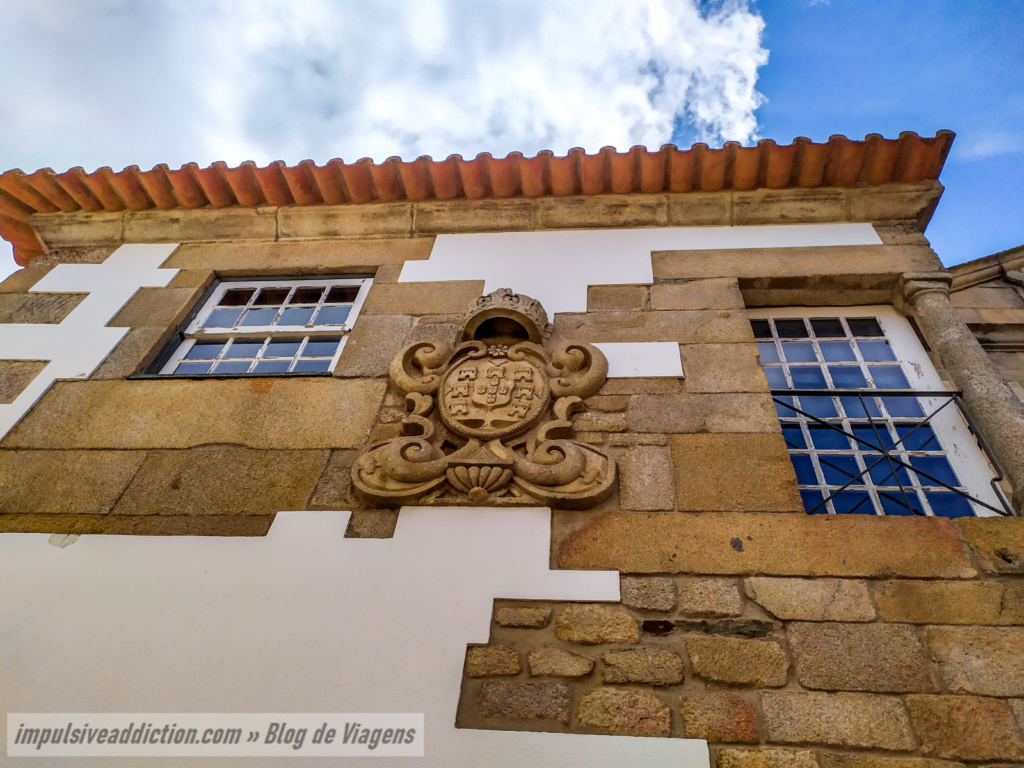
In the Old Quarter, you’ll also find the Chapel of Our Lady of Pleasures (Capela de Nossa Senhora dos Prazeres), built in the 18th century. Interior visits are not possible since it is privately owned, but the highlight is the coat of arms of the Gouveia Vasconcelos family displayed on the main façade.
7. Largo General Claudino and the Mother Church of Torre de Moncorvo
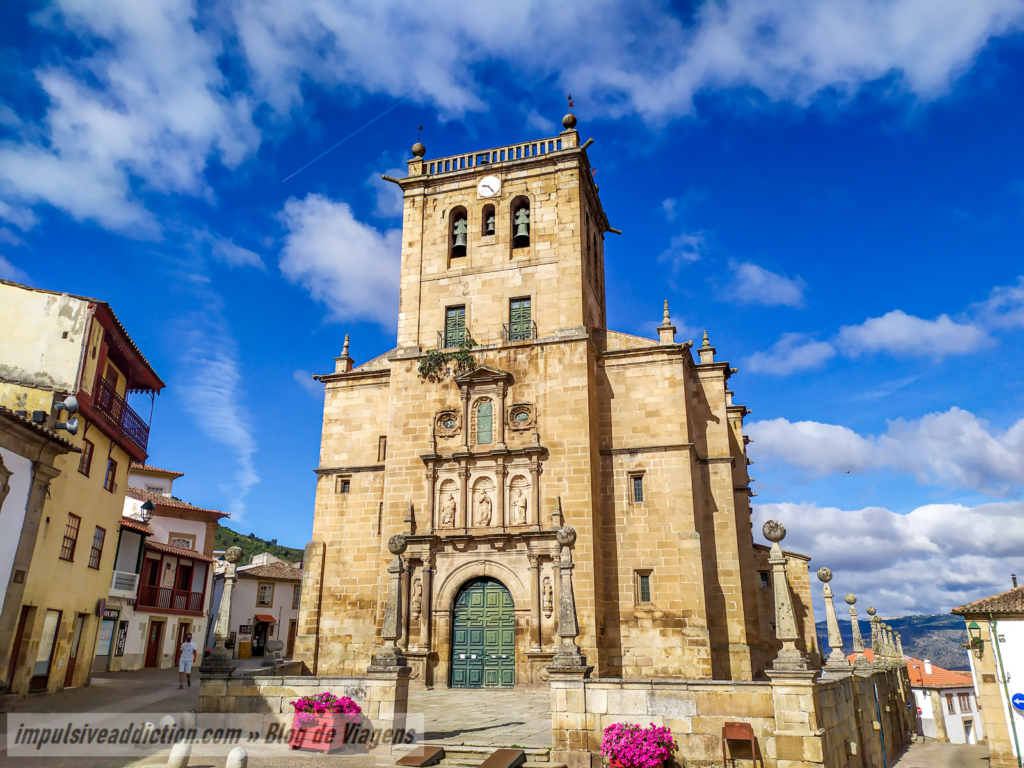
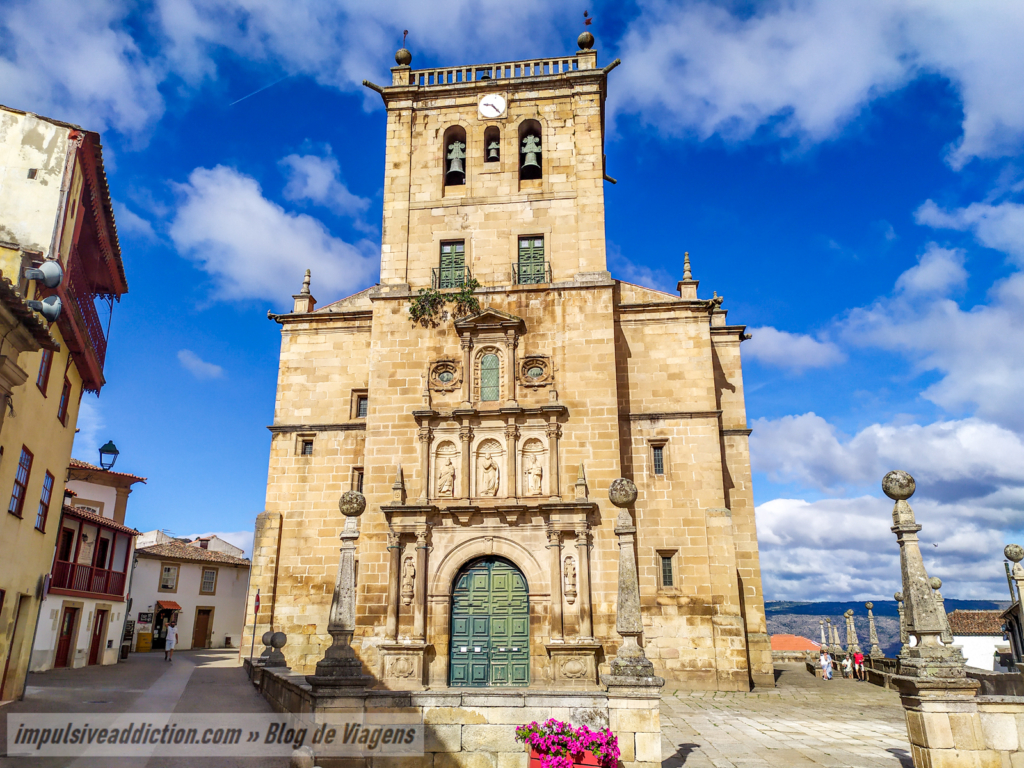
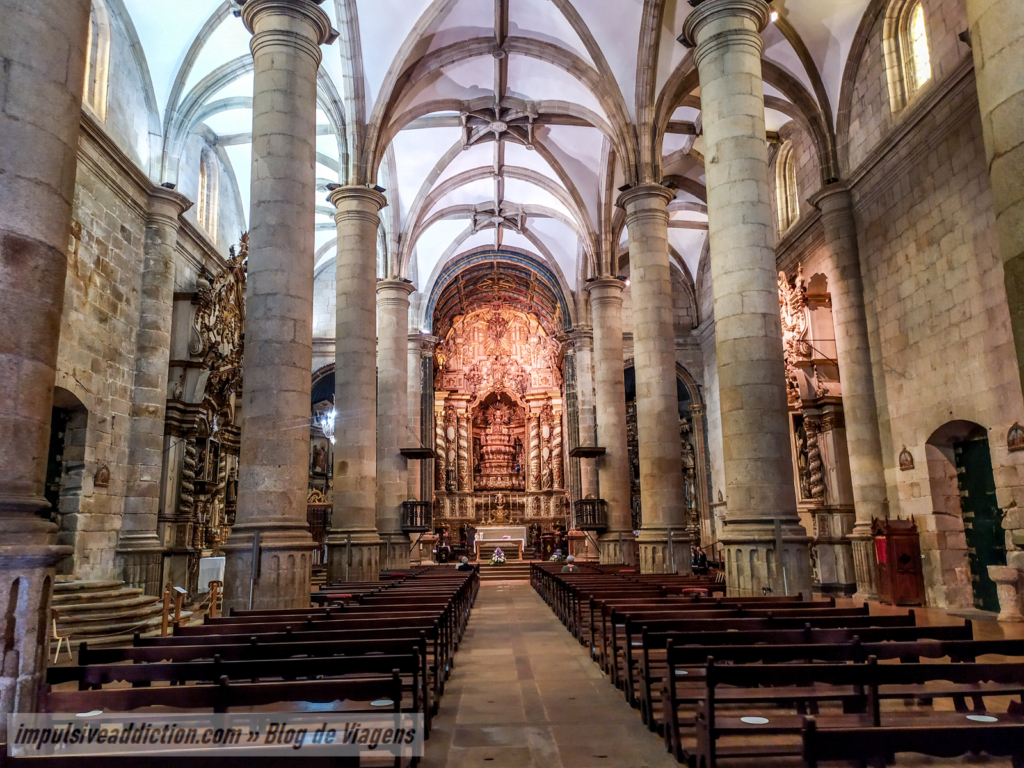
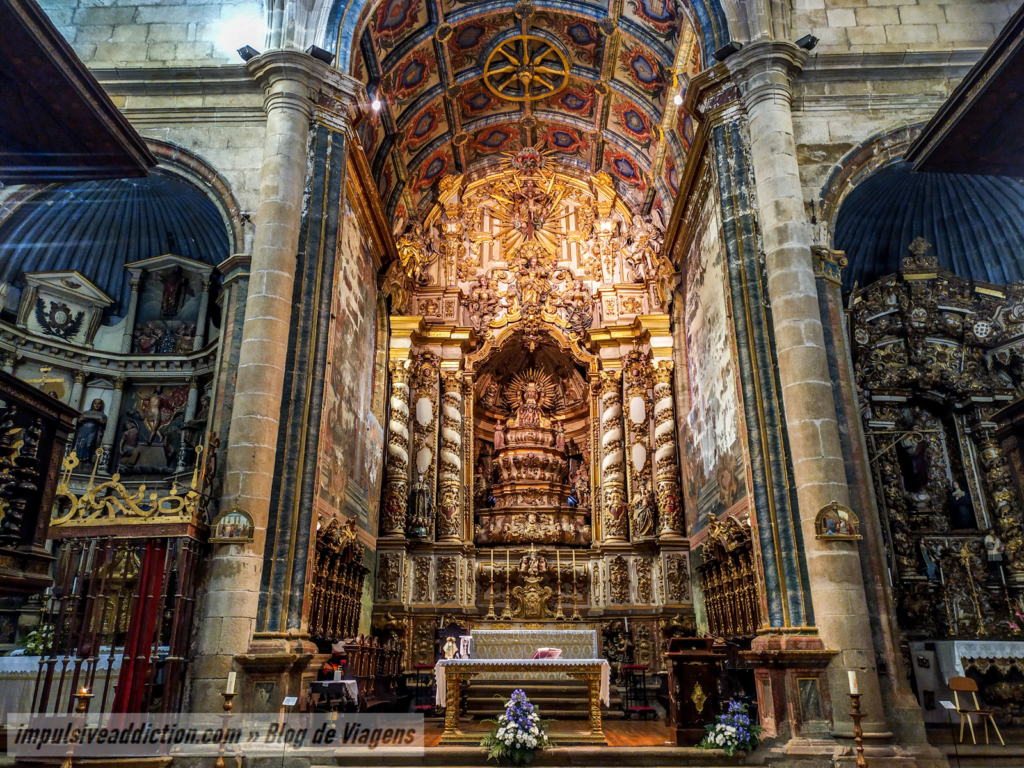
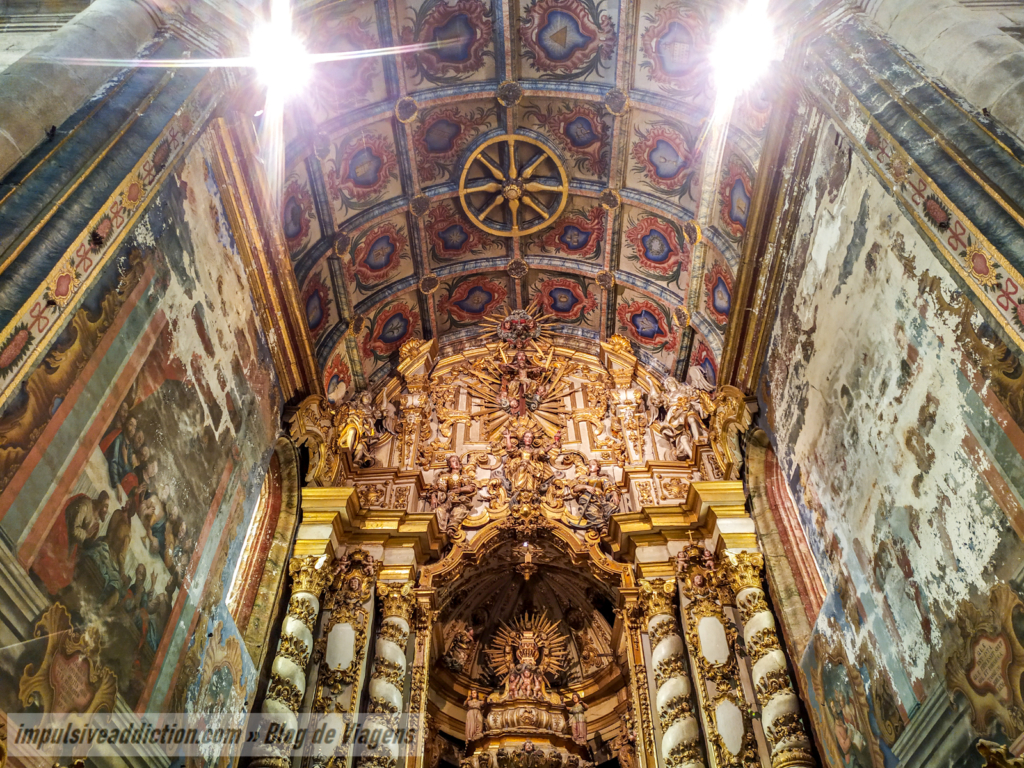
After finishing your visit to the Old Quarter, it’s time to return to Praça Francisco Meireles and then head towards Largo General Claudino, where you’ll find the imposing Mother Church of Torre de Moncorvo (Igreja Matriz, also known as the *Church of Our Lady of the Assumption).
This monumental church was built between the 16th and 17th centuries and is one of the town’s most important landmarks.
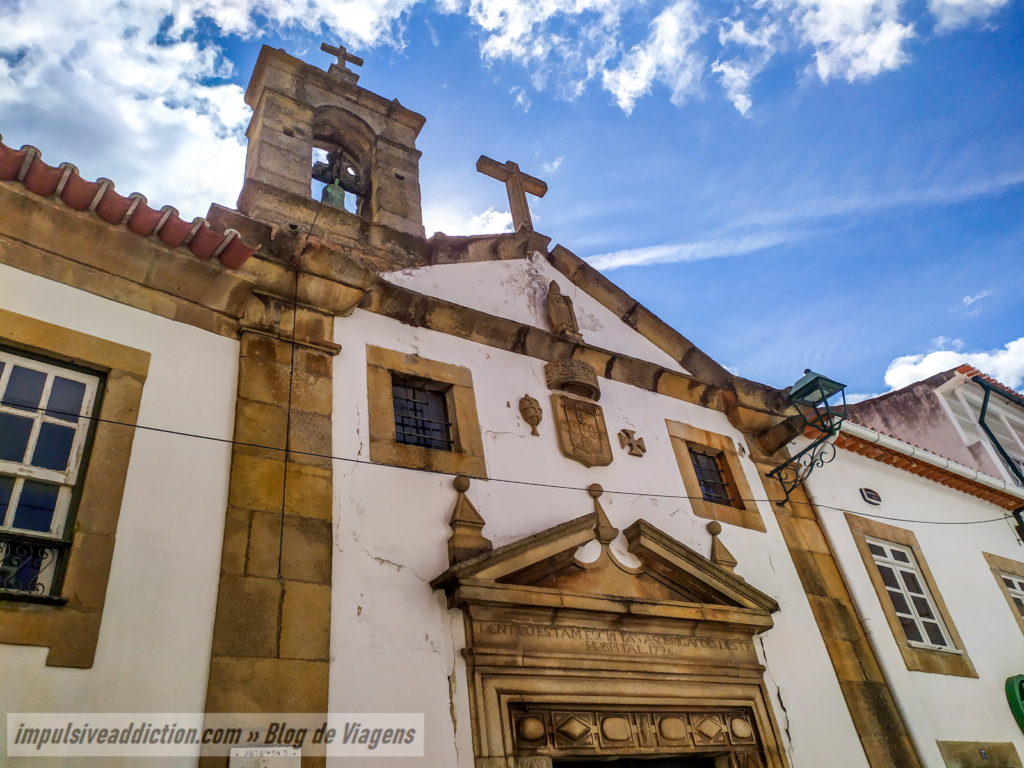
On the way, you can make a short detour to see the Hospital and Chapel of the Holy Spirit (Capela do Espírito Santo). Don’t miss the chance to frame the Mother Church with the adjacent streets for one of the best photo opportunities in Torre de Moncorvo.
8. Iron Museum and Moncorvo Region Museum
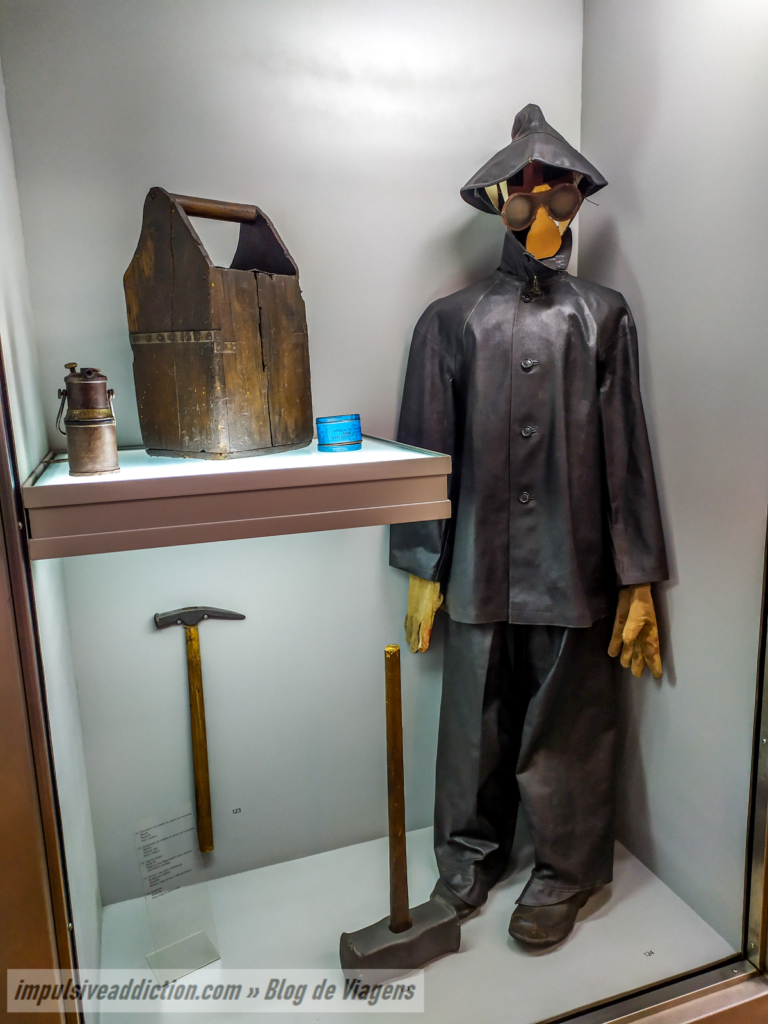
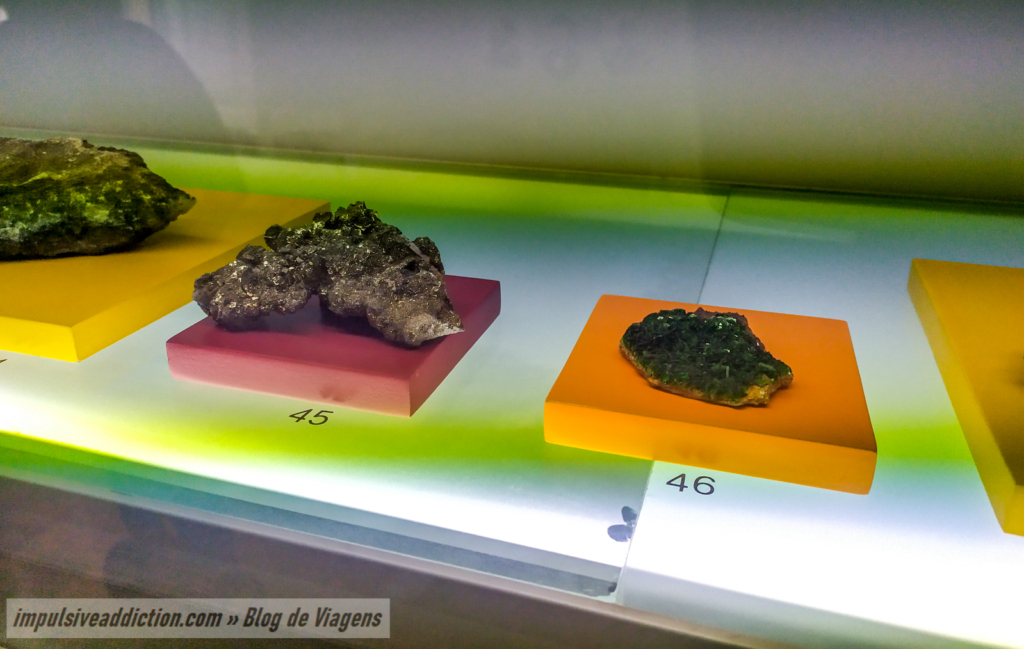
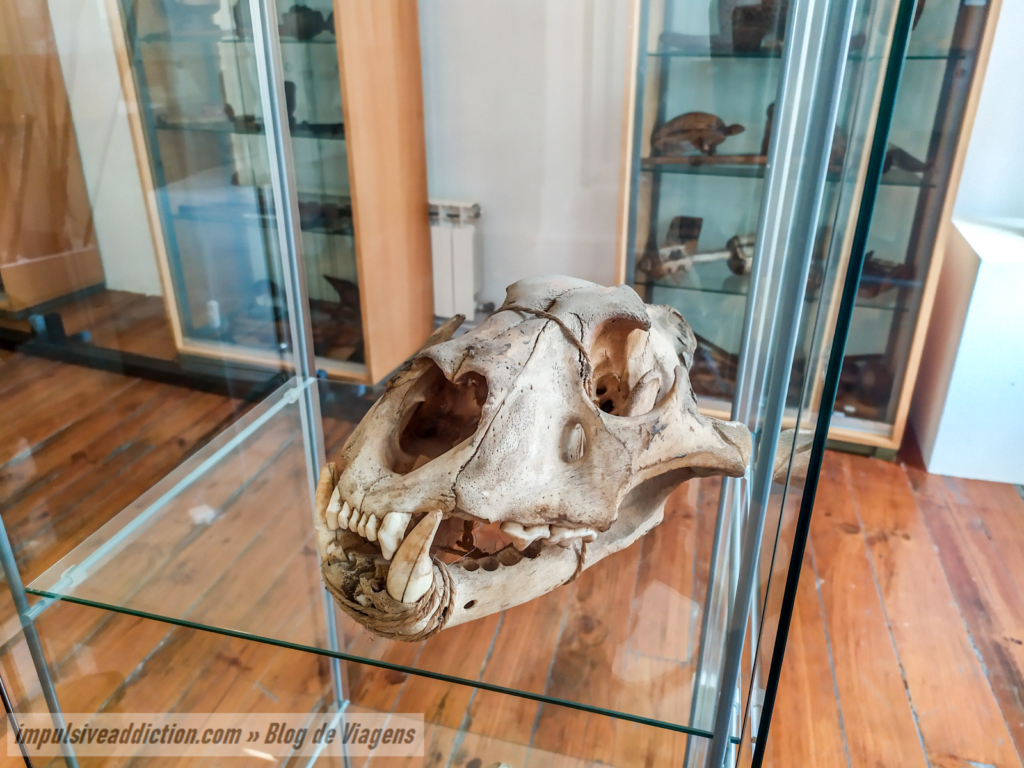
The Iron Museum (Museu do Ferro e da Região de Moncorvo) is located very close to the Mother Church, housed in an 18th-century manor house on Largo Dr. Balbino Rego. It’s an excellent starting point for exploring the surroundings of the town, including the Serra do Reboredo and the Vilariça Valley.
Since the Serra do Reboredo is rich in iron ore, it’s only natural that the museum highlights the history of iron extraction and craftsmanship in Torre de Moncorvo. Mining activity in the region lasted until the 1980s, and even today you can spot traces of iron embedded in the cobblestone streets of the town.
Visit Serra do Reboredo
Just outside Torre de Moncorvo, start your exploration with the Serra do Reboredo, as it offers some of the best viewpoints overlooking the town.
Access to most of the viewpoints mentioned below is via dirt roads (except for the first one), so a 4×4 vehicle is recommended. That said, I had no major issues driving there with a regular car, and I even met other travelers doing the same!
For nature lovers, the Serra do Reboredo also has official hiking trails you can follow:
- Rota do Lobo (Wolf Trail)
- Rota do Corço (Deer Trail)
These hiking trails are each over 12 km long and are best enjoyed in spring or autumn. However, they do not cover all three spots I’ll mention below—places that, in my opinion, are absolute must-sees.
1. Santa Leocádia Viewpoint
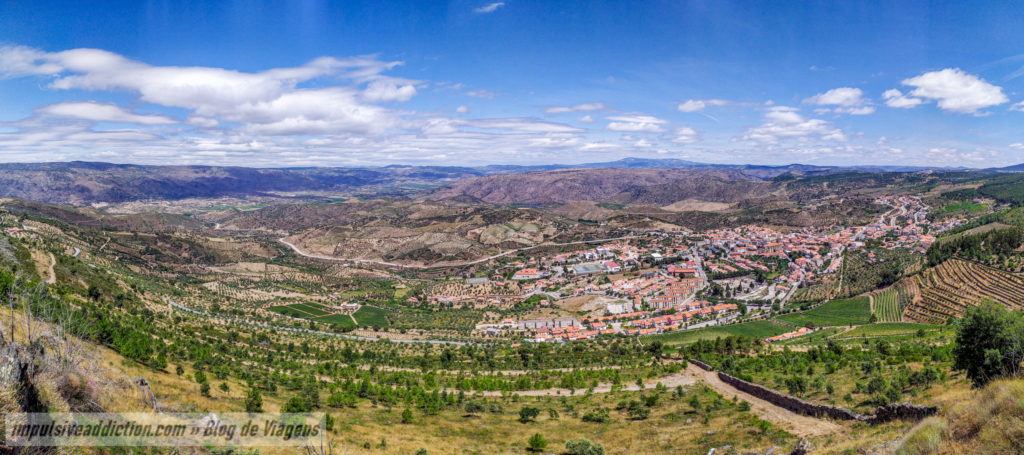
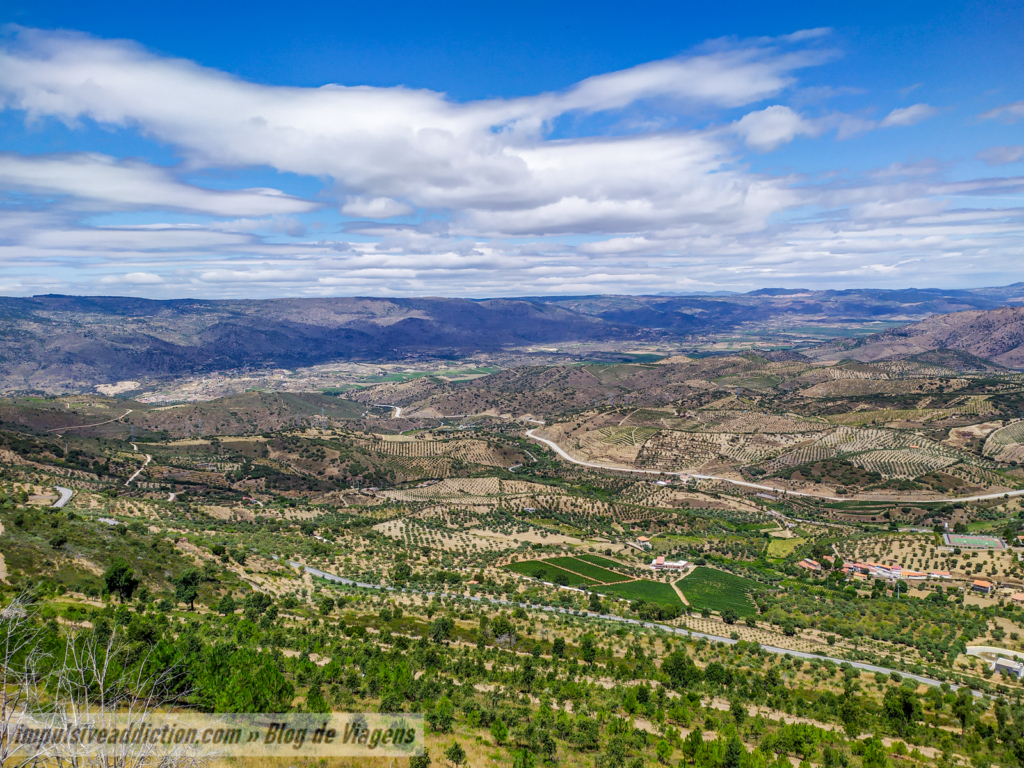
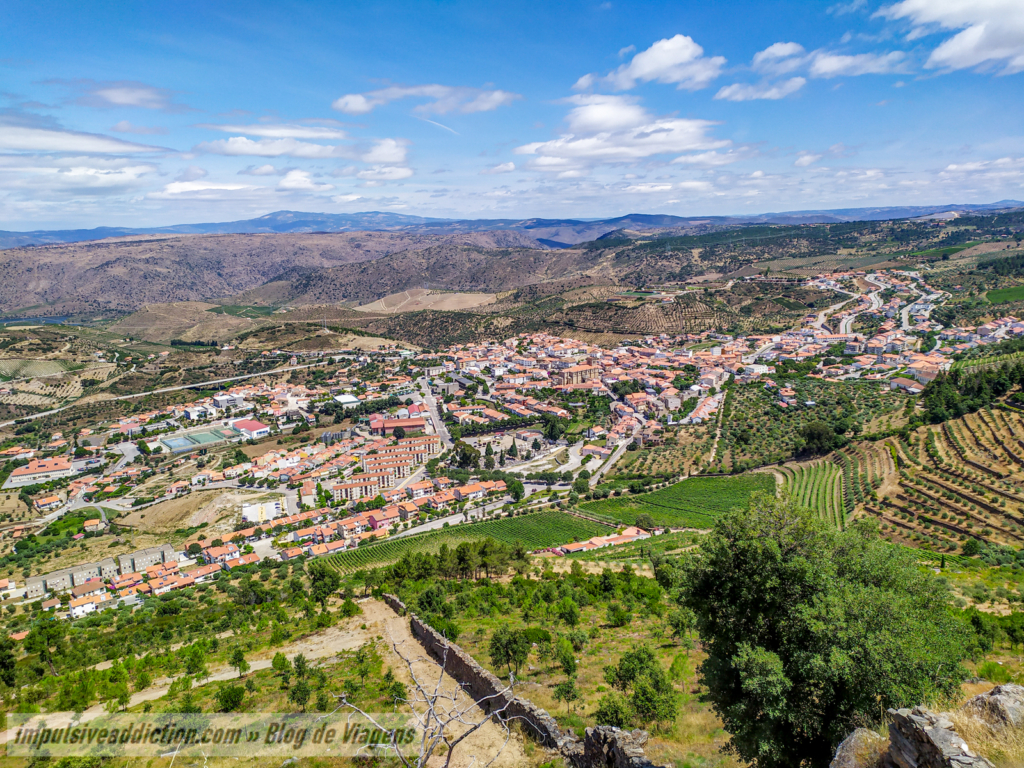
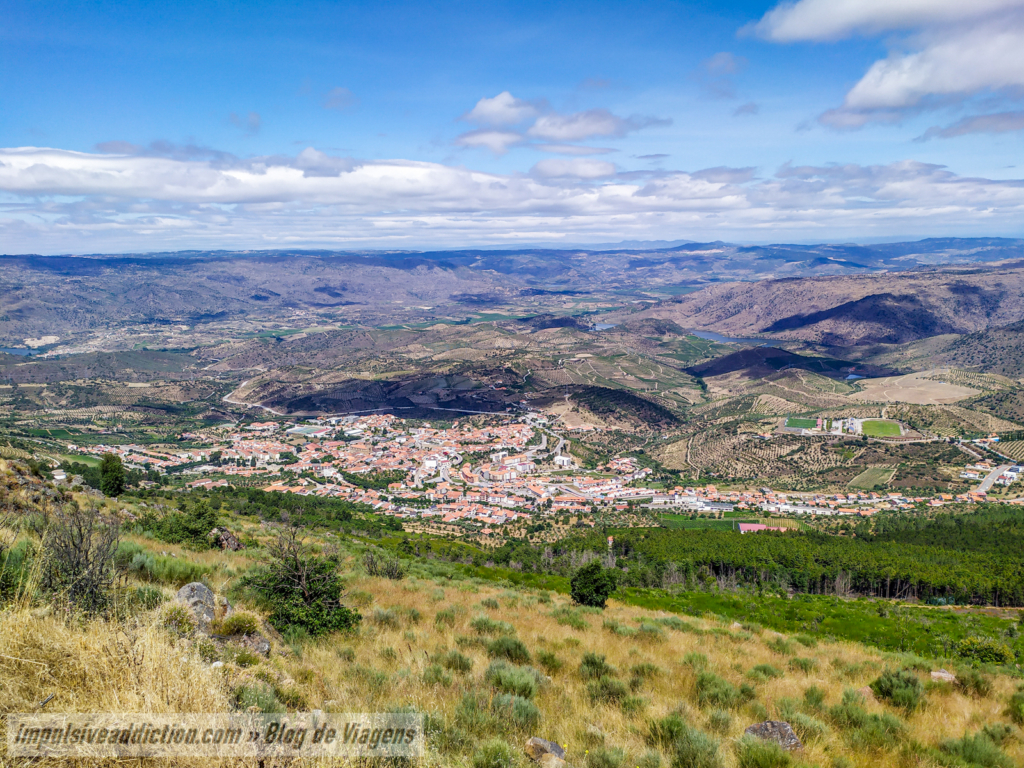
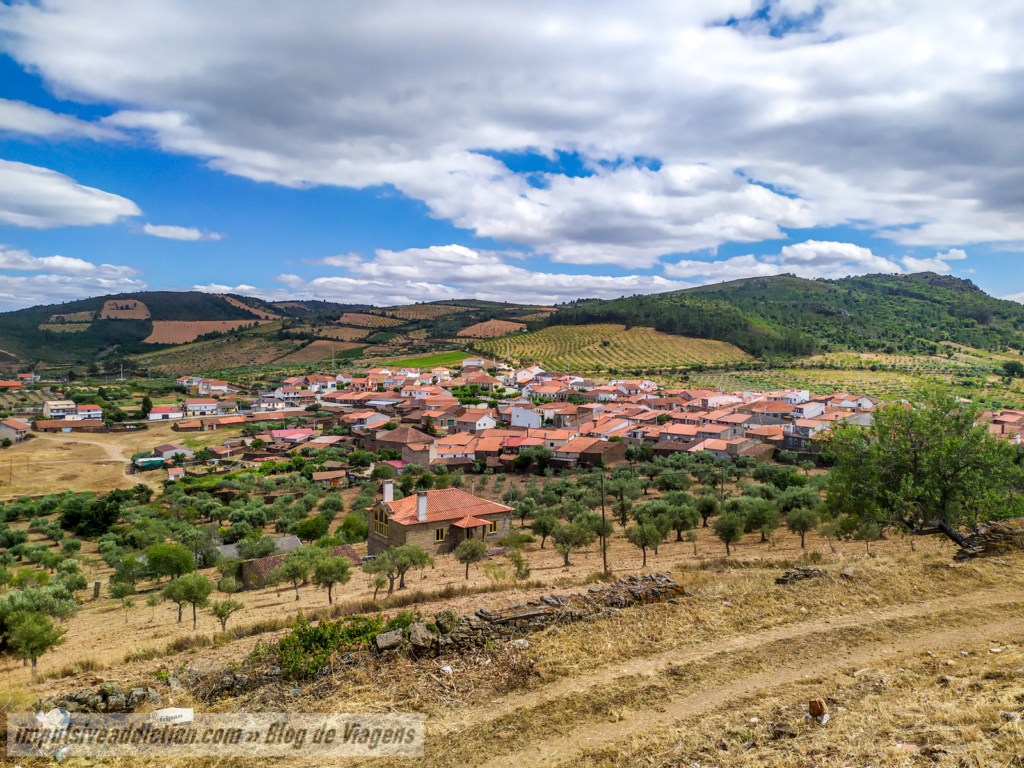
The Santa Leocádia Viewpoint is the easiest to reach by car, as it is accessible via a paved road. Perched directly above the town, it offers a privileged view over Torre de Moncorvo, the Vilariça Valley, and the slopes of the Serra do Reboredo.
2. Fraga do Facho Viewpoint
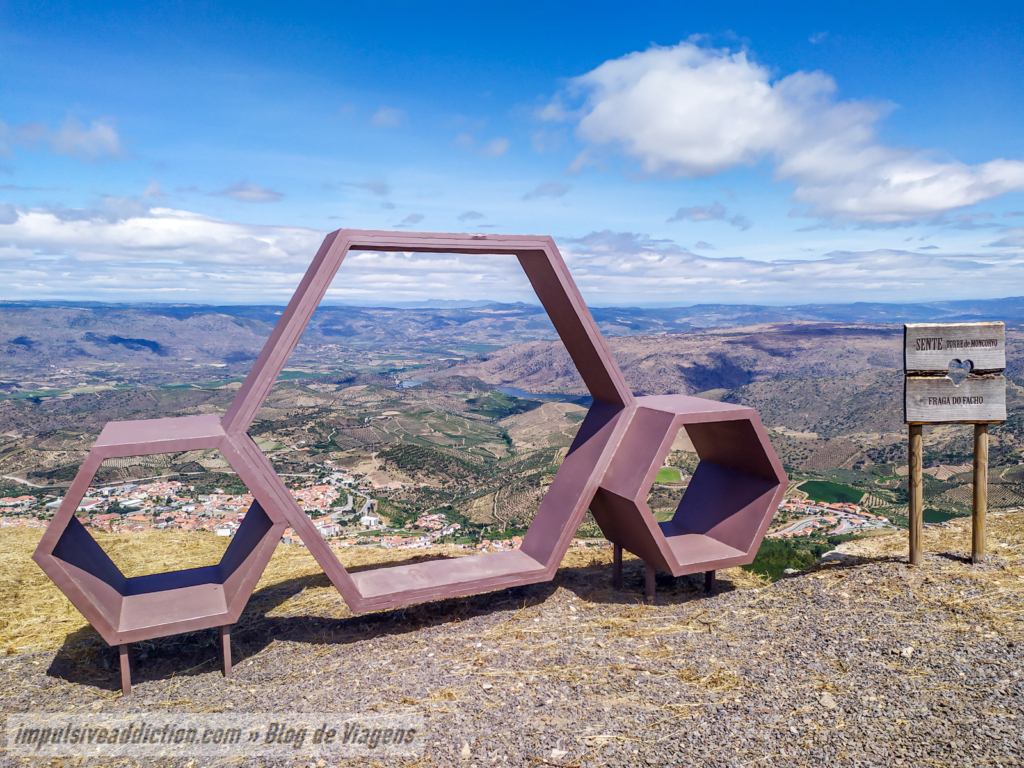
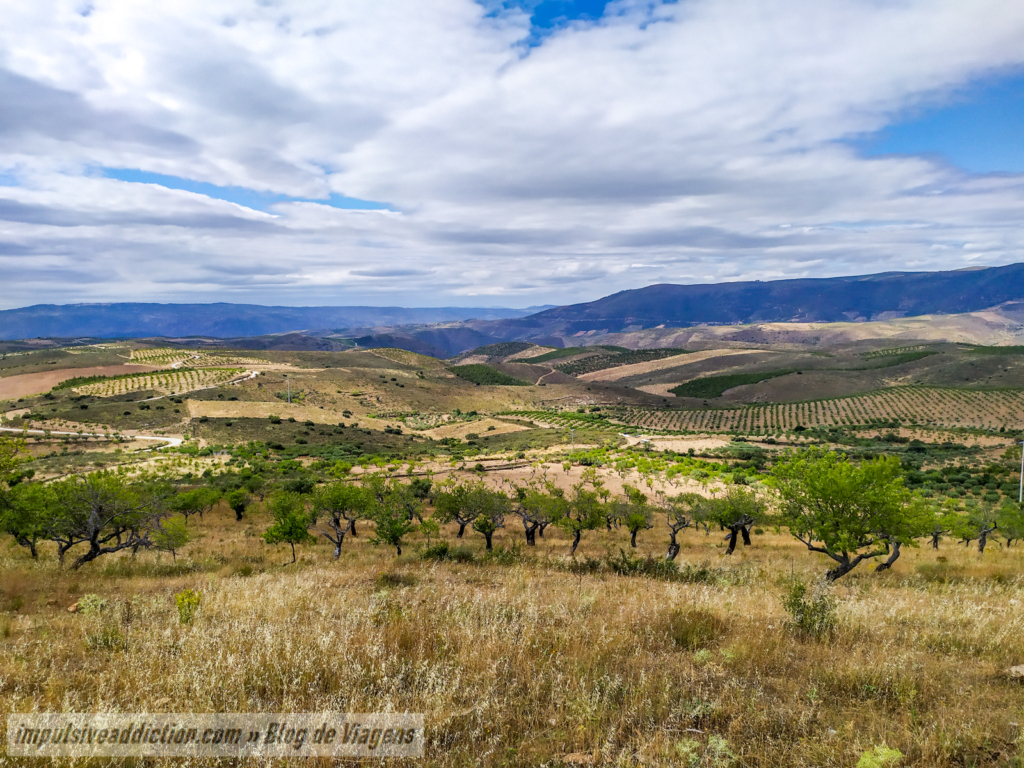
The Fraga do Facho Viewpoint is located at the very top of the Serra do Reboredo. While its view over Torre de Moncorvo may not surpass that of Santa Leocádia, it more than makes up for it with a spectacular panorama of the Vilariça Valley. From here, you can also spot the Douro River, the Sabor River, and even landmarks in neighboring municipalities, such as the Serra de Bornes. Simply breathtaking!
3. Fraga do Cão Viewpoint
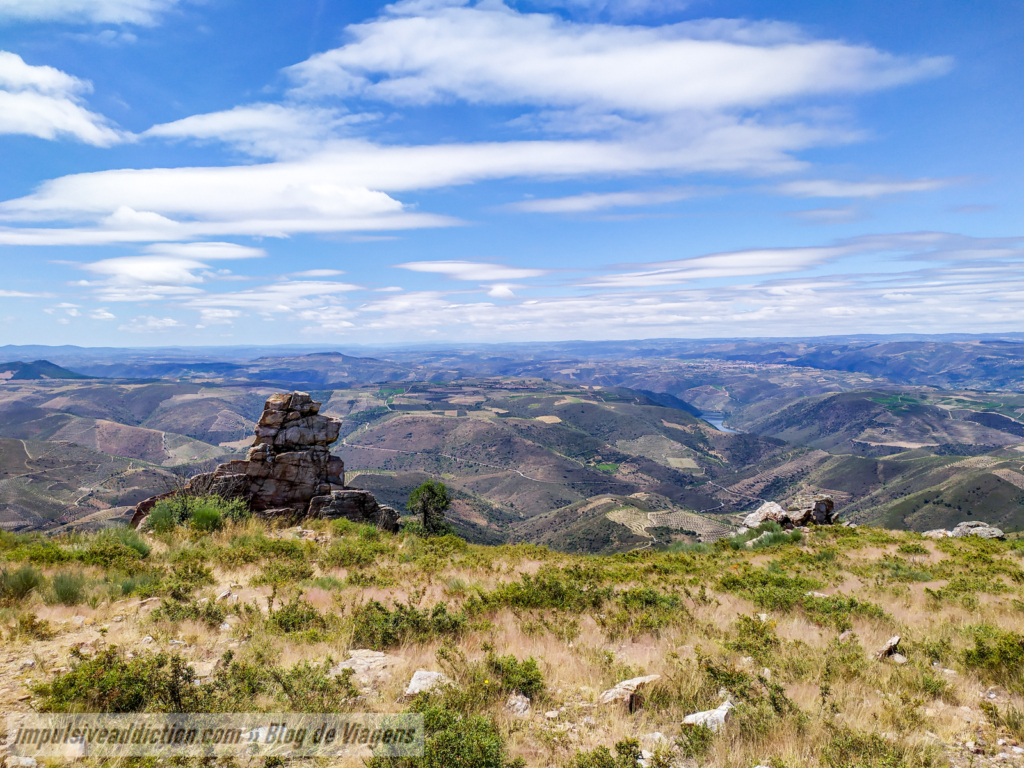
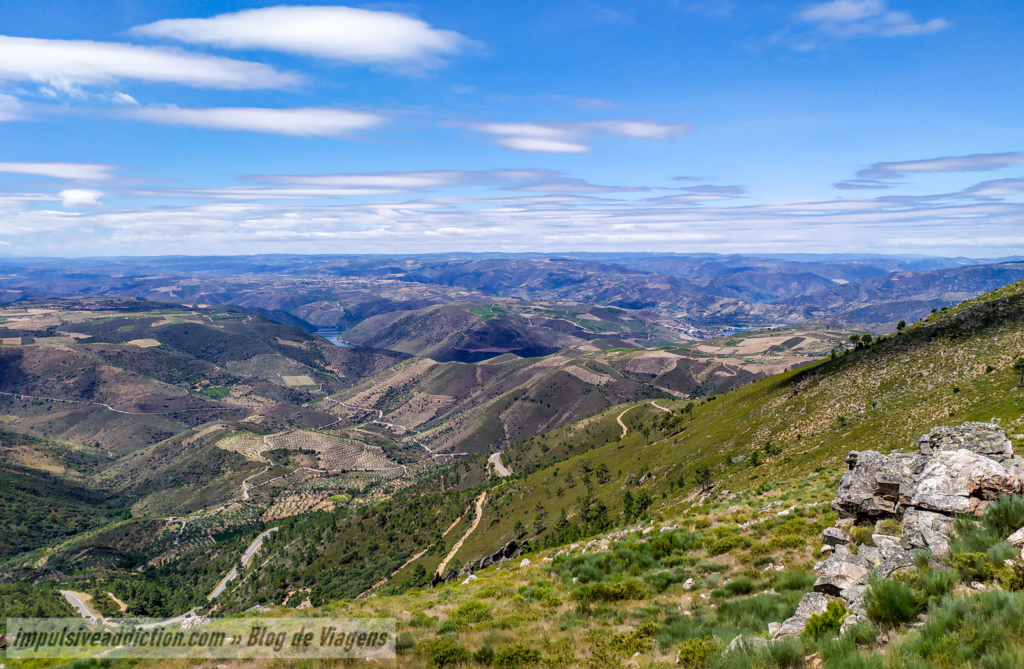
Last but not least, the Fraga do Cão Viewpoint. Besides offering an excellent view over the Douro River and the town of Vila Nova de Foz Côa, this spot is famous for its striking rock formation that unmistakably resembles a dog. Once you see it, you won’t be able to miss it—just check the photo below!
Visit the Sabor Lakes near Torre de Moncorvo
When it comes to the Sabor Lakes, you’ll need to head north of the municipality. For Torre de Moncorvo, the highlights are mainly in the southern part of Lake Cilhades (one of the three Sabor Lakes) and the area around the mouth of the Sabor River.
1. São Lourenço Viewpoint and Swing
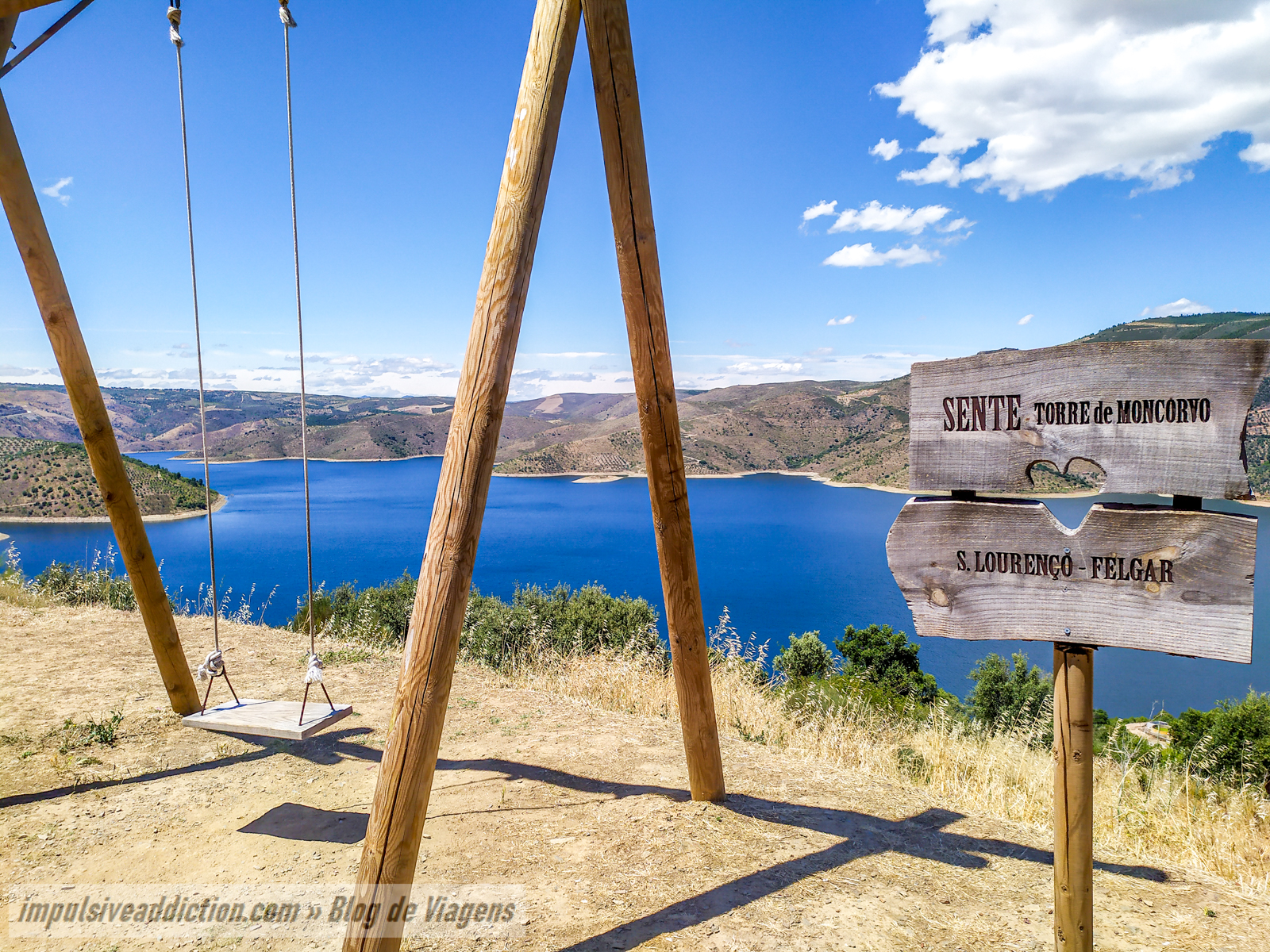
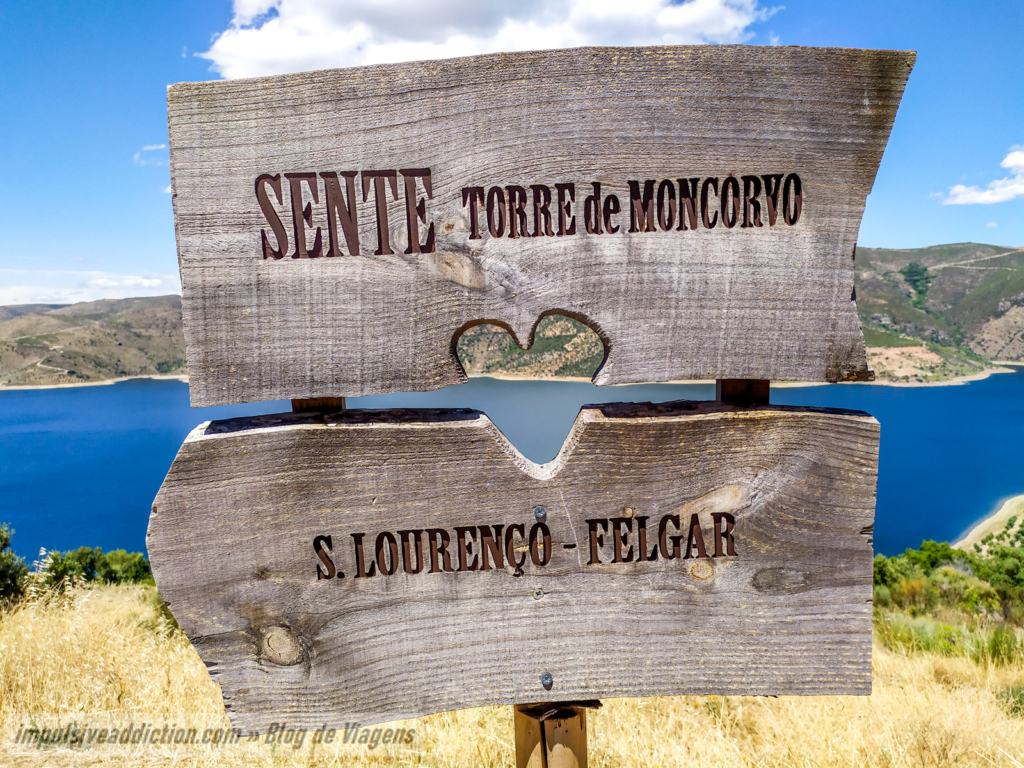
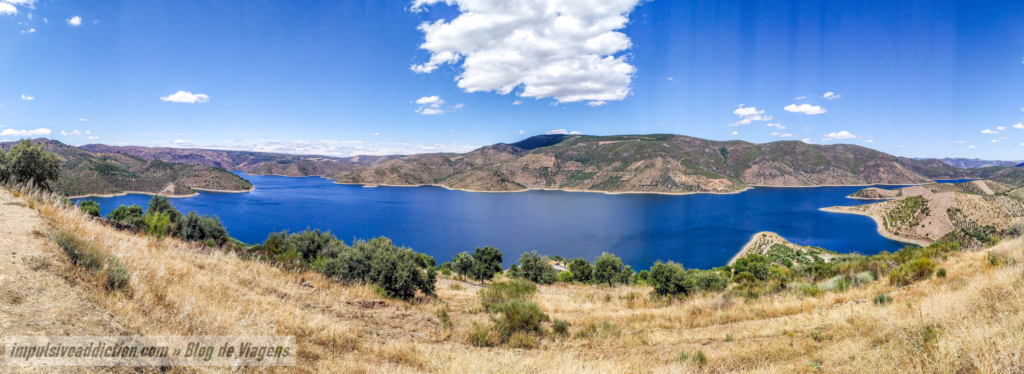
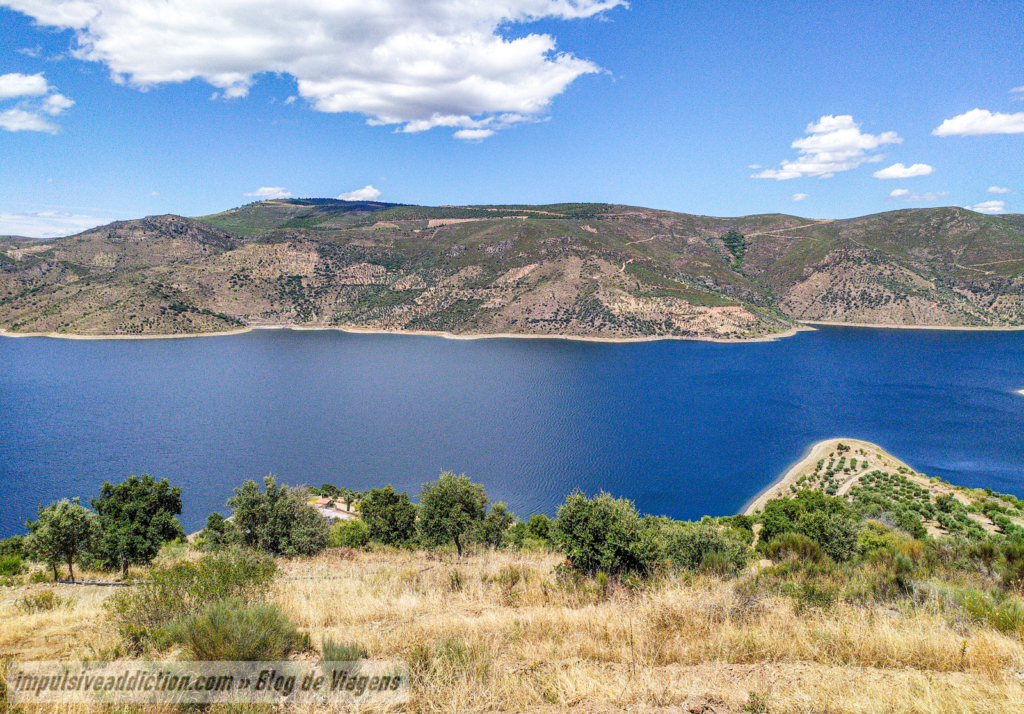
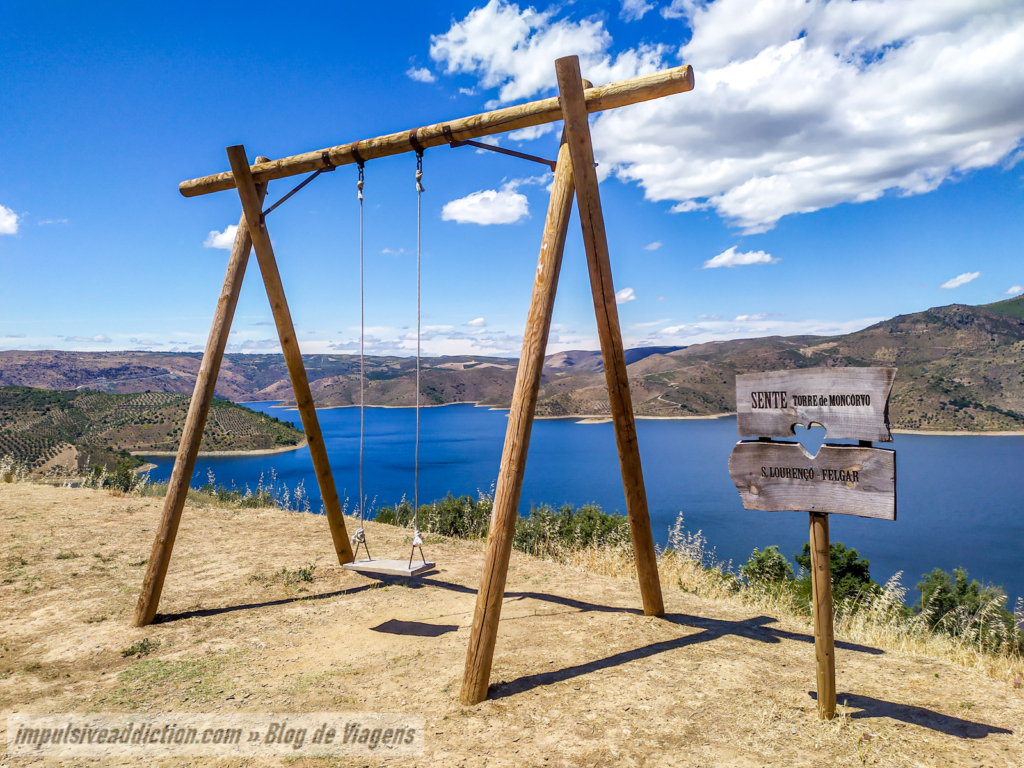
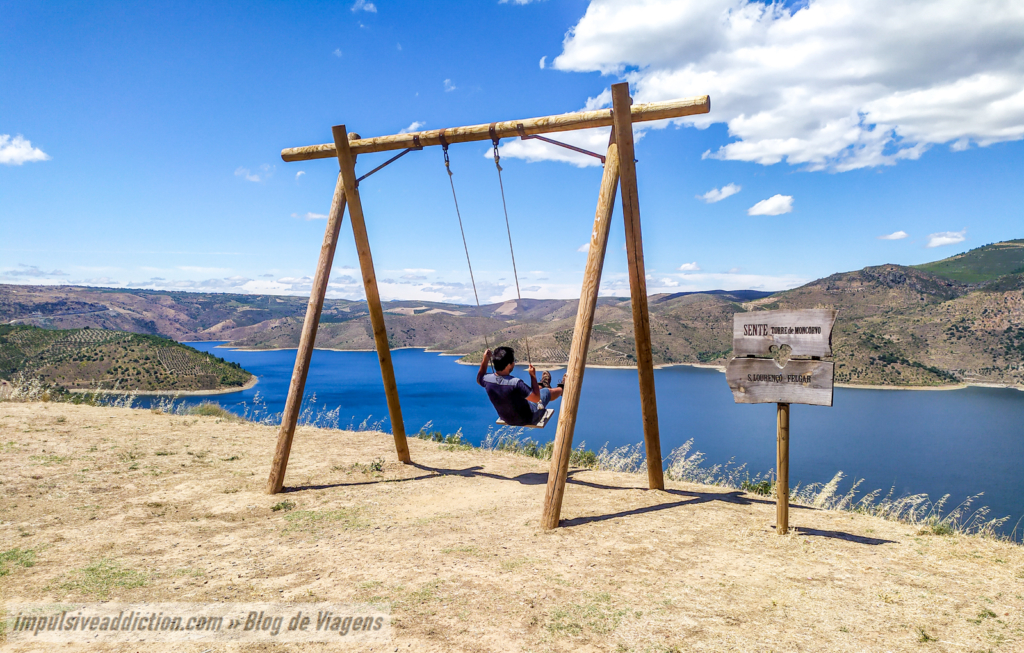
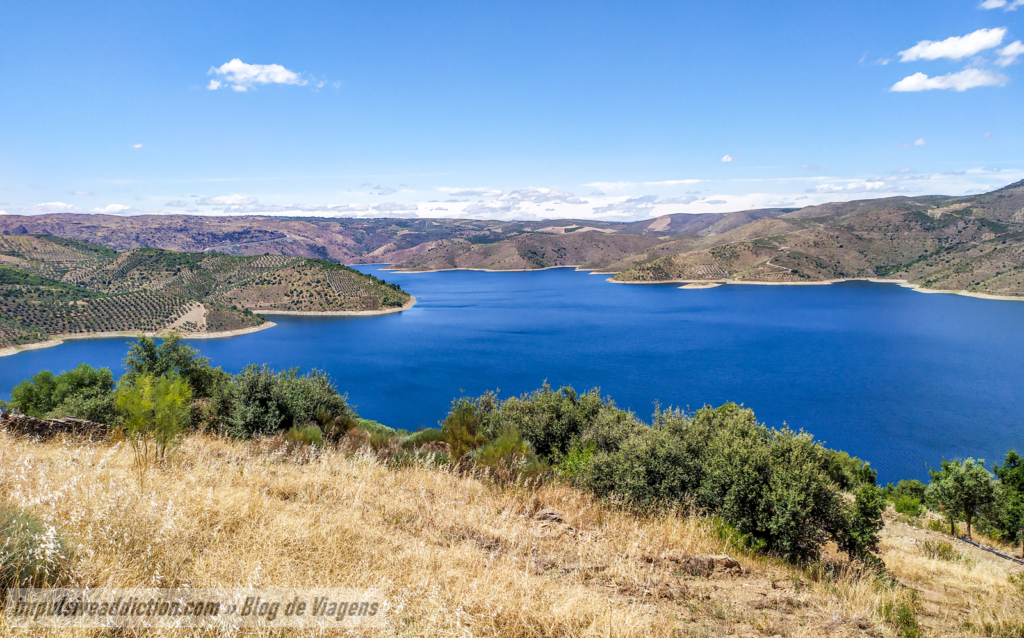
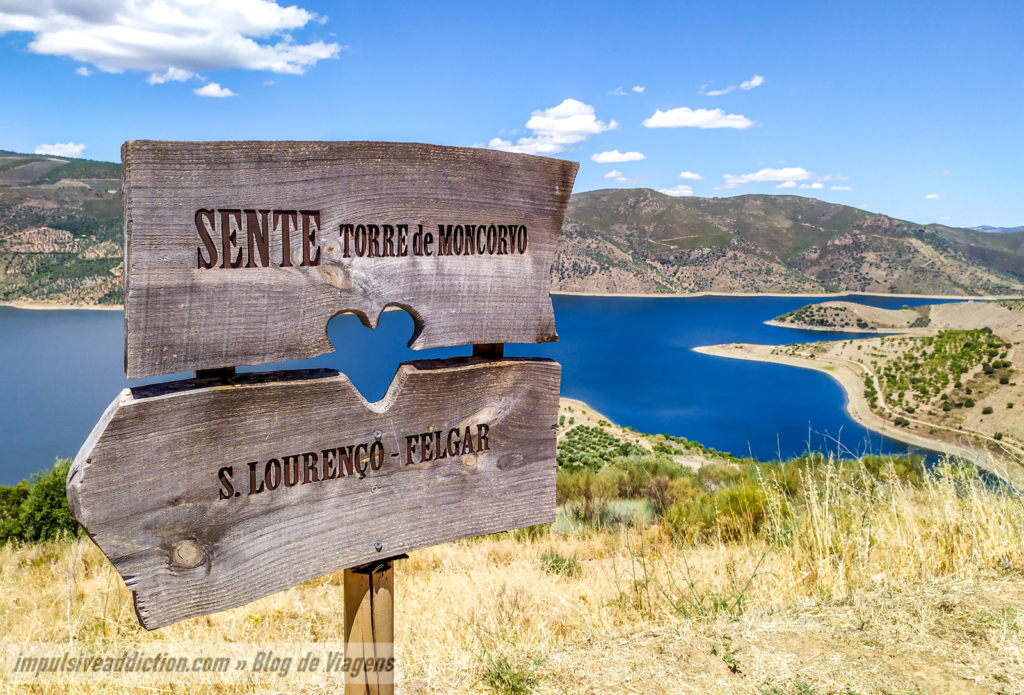
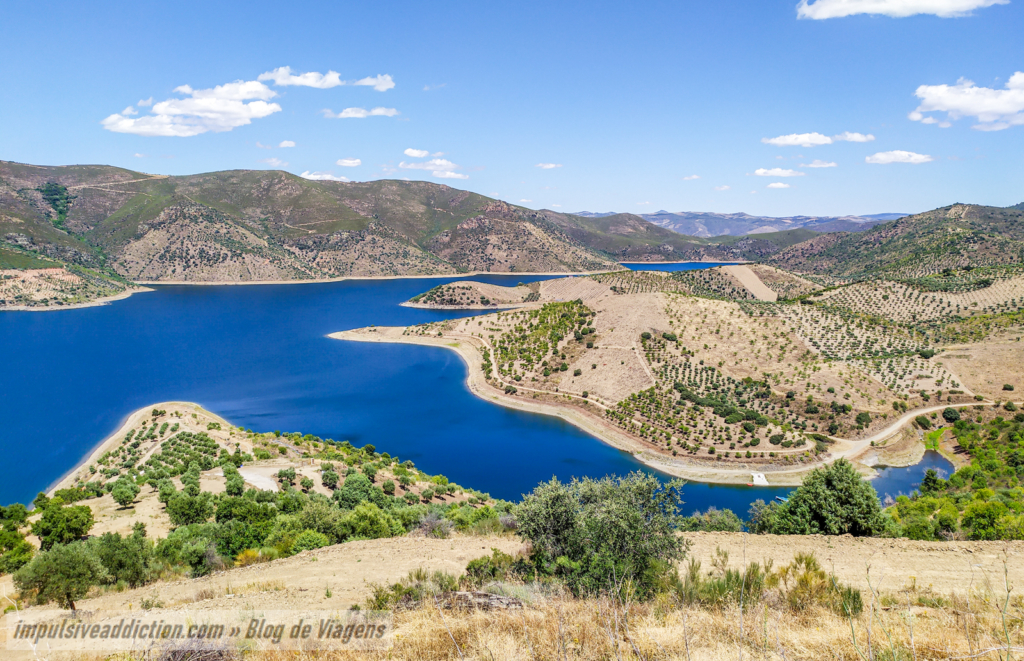
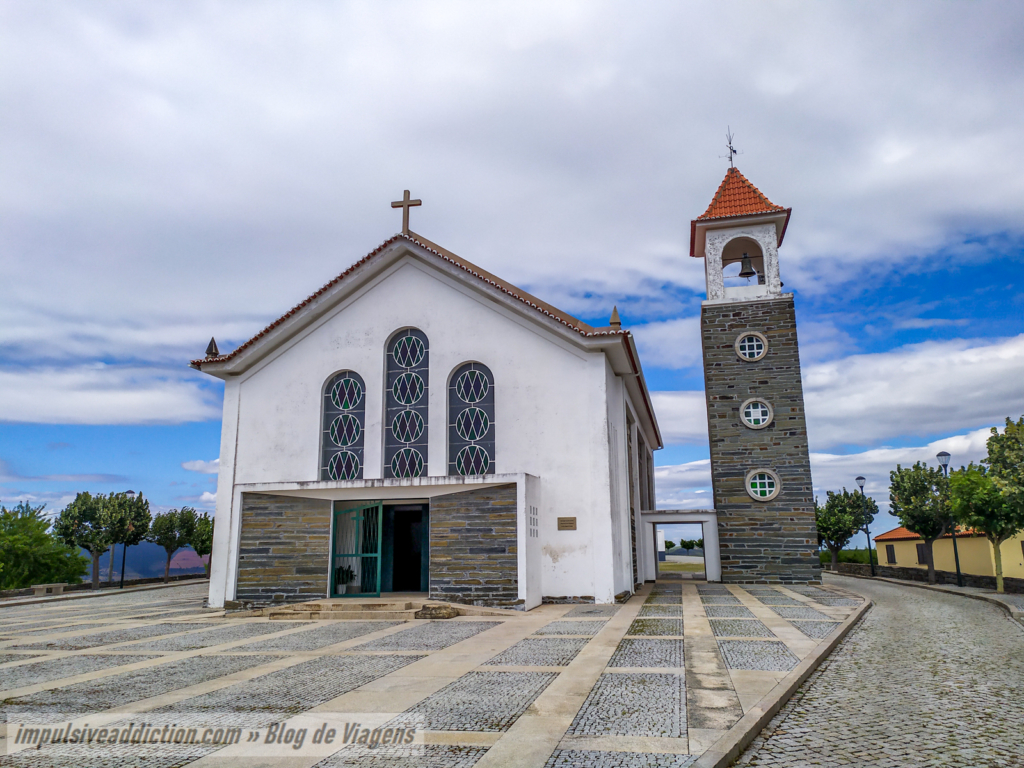
The first viewpoint I recommend is the São Lourenço Viewpoint, located right next to the Sanctuary of São Lourençoin Torre de Moncorvo. Here you’ll also find a lovely tourist swing with a privileged view over Lake Cilhades—a truly magical spot!
In the nearby village of Felgar, you can also visit CIARA (Environmental Interpretation and Animal Rescue Center)for a closer contact with local wildlife and conservation efforts.
2. Baixo Sabor Dam
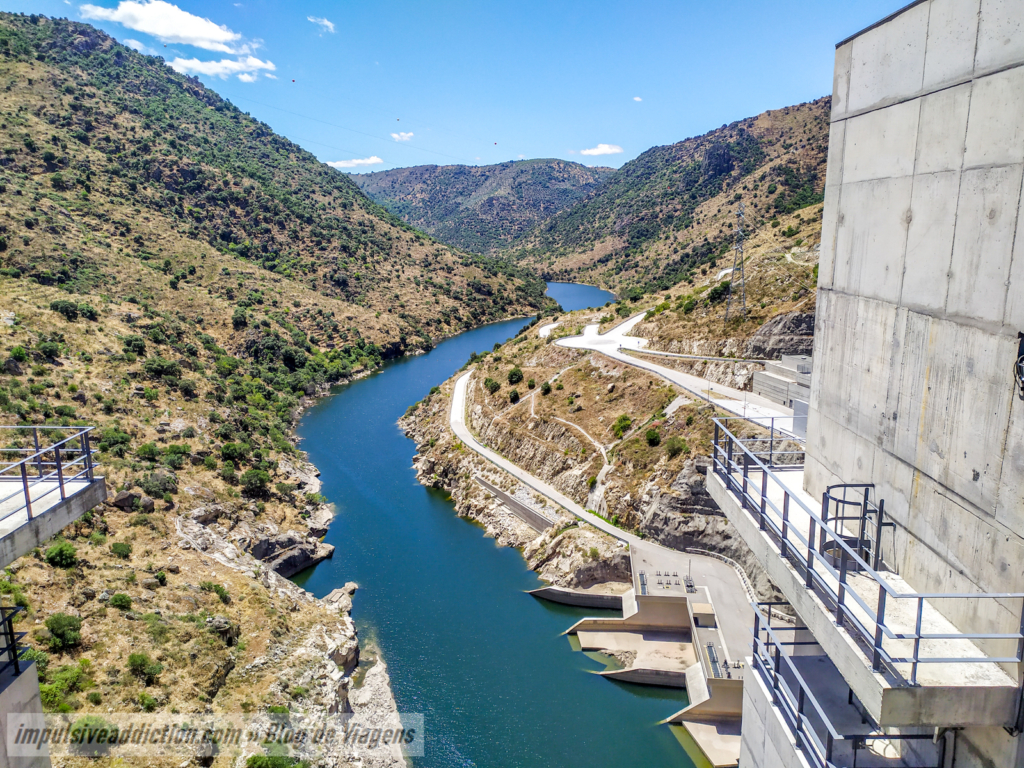
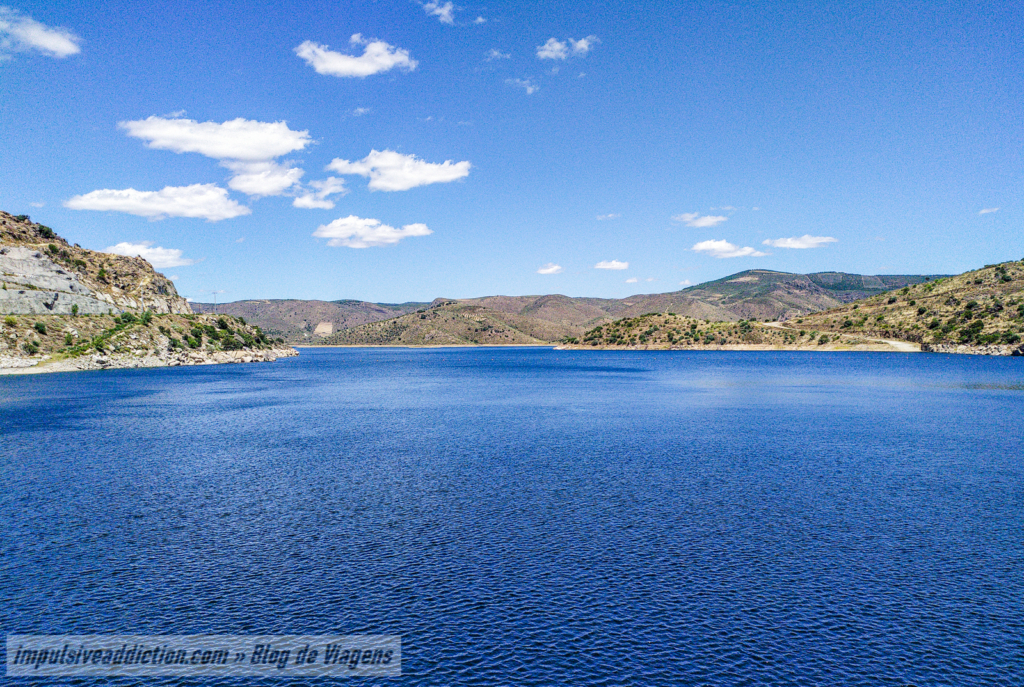
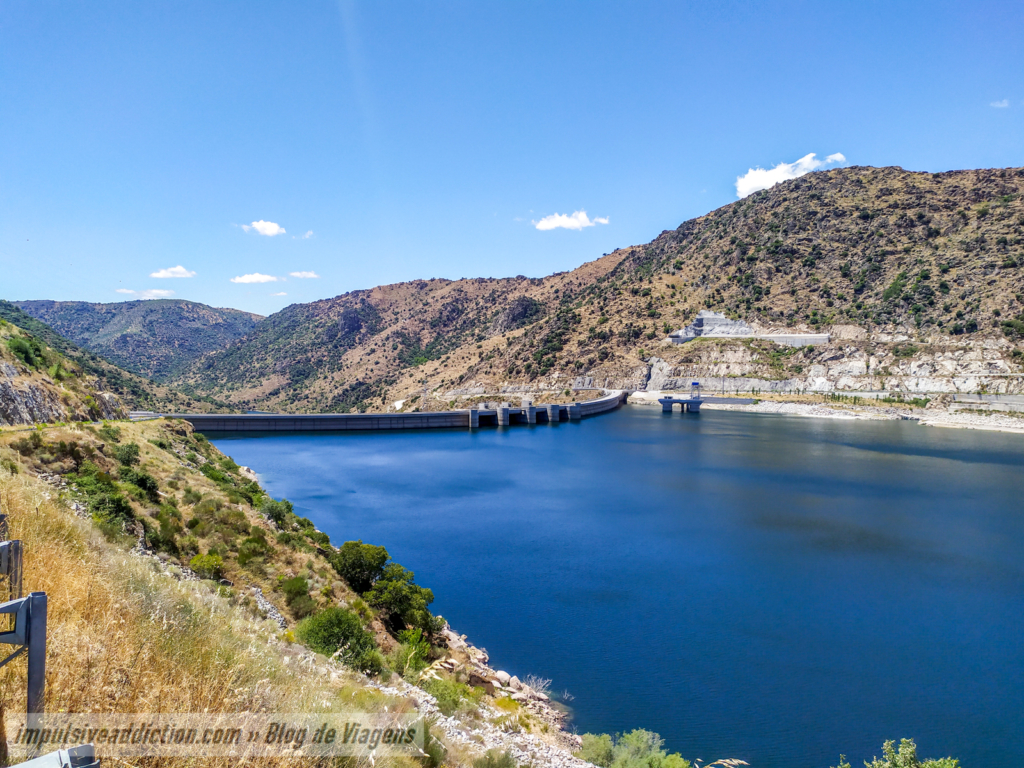
A stop at the Baixo Sabor Dam is a must, as this impressive structure completely transformed the landscape of the region. Inaugurated in 2016, it gave birth to the Sabor Lakes and tamed what was once known as the last wild river in Portugal.
3. Póvoa Viewpoint
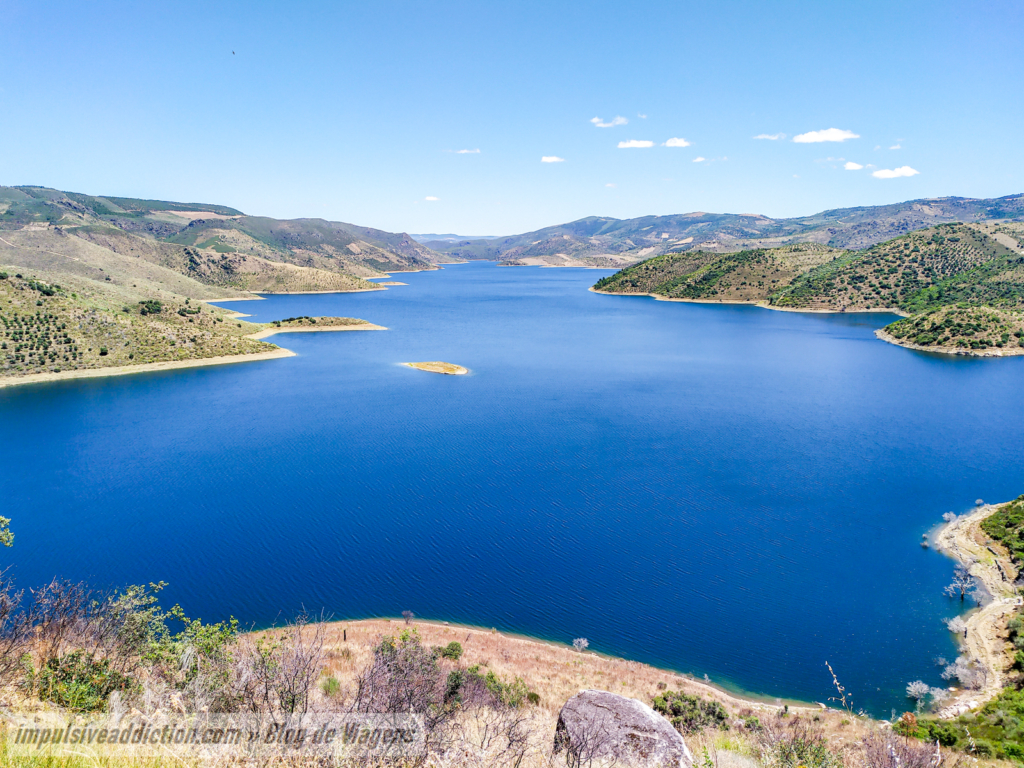
The Póvoa Viewpoint is located just after crossing the dam. Technically, it’s a roadside viewpoint, but it offers an unparalleled view of Lake Cilhades. Absolutely unmissable!
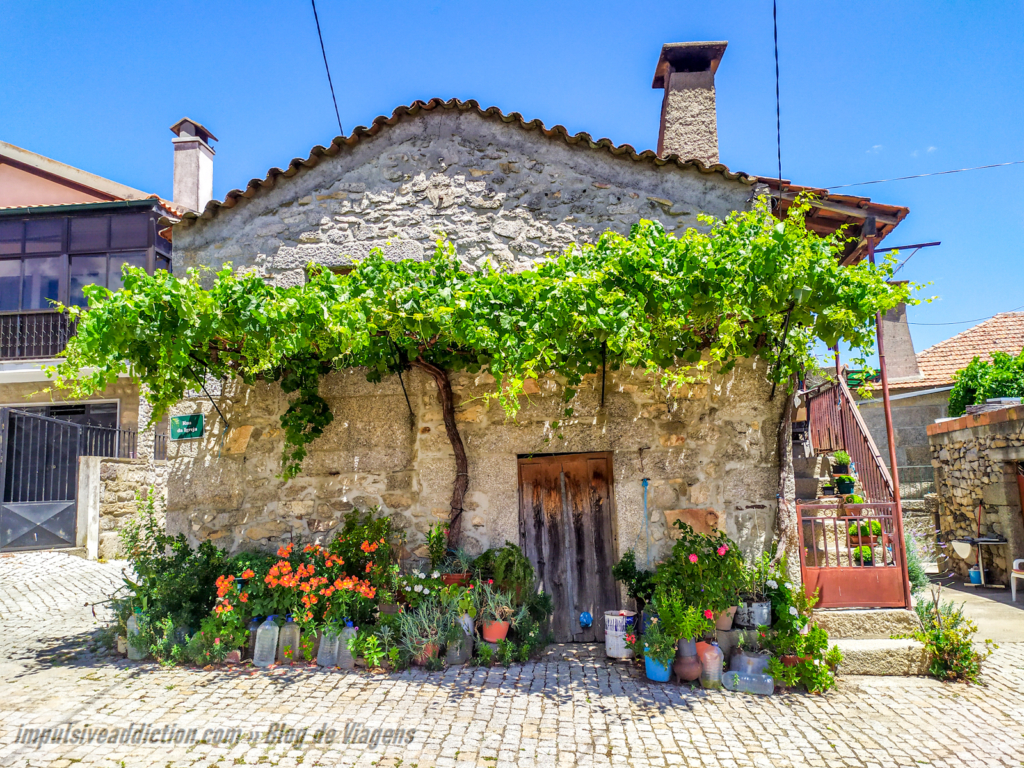
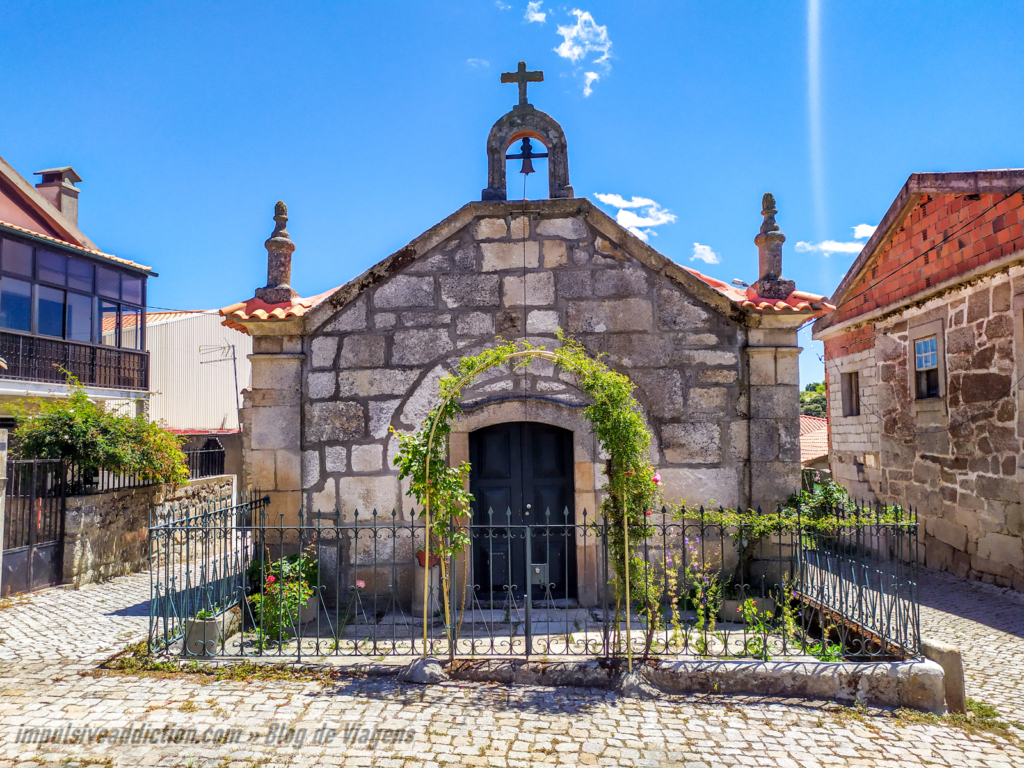
4. Village of Adeganha and Church of Santiago Maior
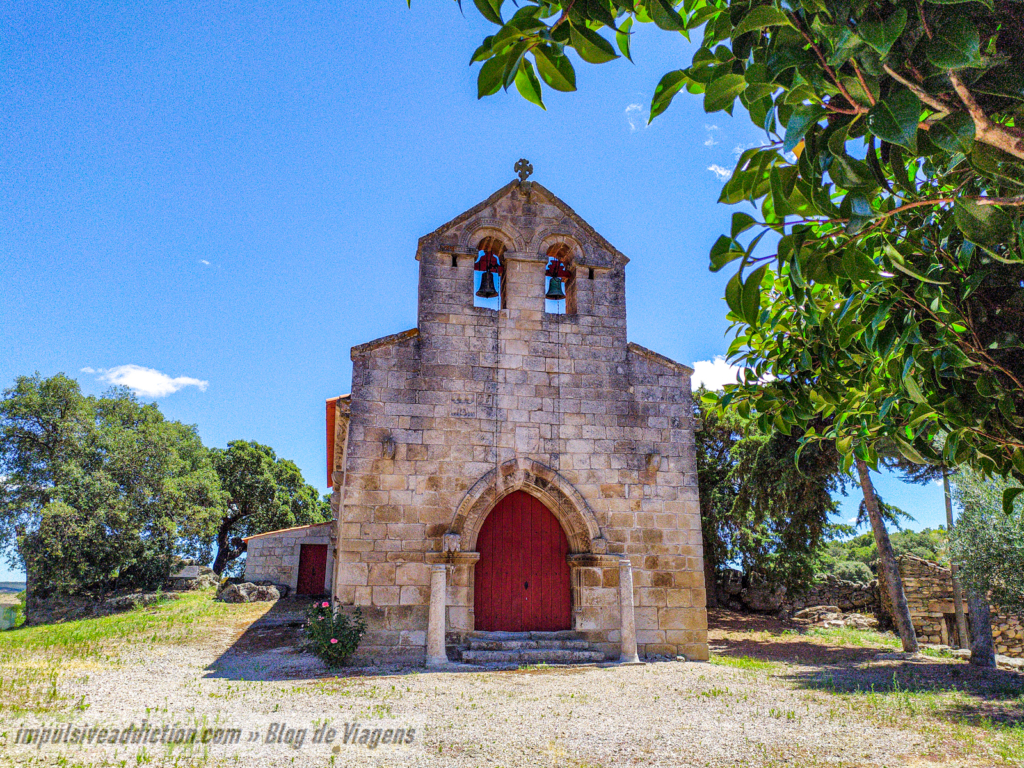
A stop at the village of Adeganha is, in my opinion, optional. The highlight here is the Parish Church, or Church of Santiago Maior. On its main façade, you’ll notice three stone-carved figures known as the “Three Marys”, which, according to legend, gave the village its name.
The legend is a little dark, I must admit. Supposedly, the Three Marys were shepherdesses who would always play cards while their flock grazed. Nothing unusual there—except that one of them always won because she cheated. In revenge, the other two decided to burn her alive at the stake. As she tried to escape, they shouted: “Burn and Win!” (Arde e Ganha)—which is said to have given rise to the name Adeganha. 😮
The Church of Santiago Maior, with Romanesque origins, dates back to the 13th century and is today classified as a National Monument.
5. Vale do Sabor Viewpoint
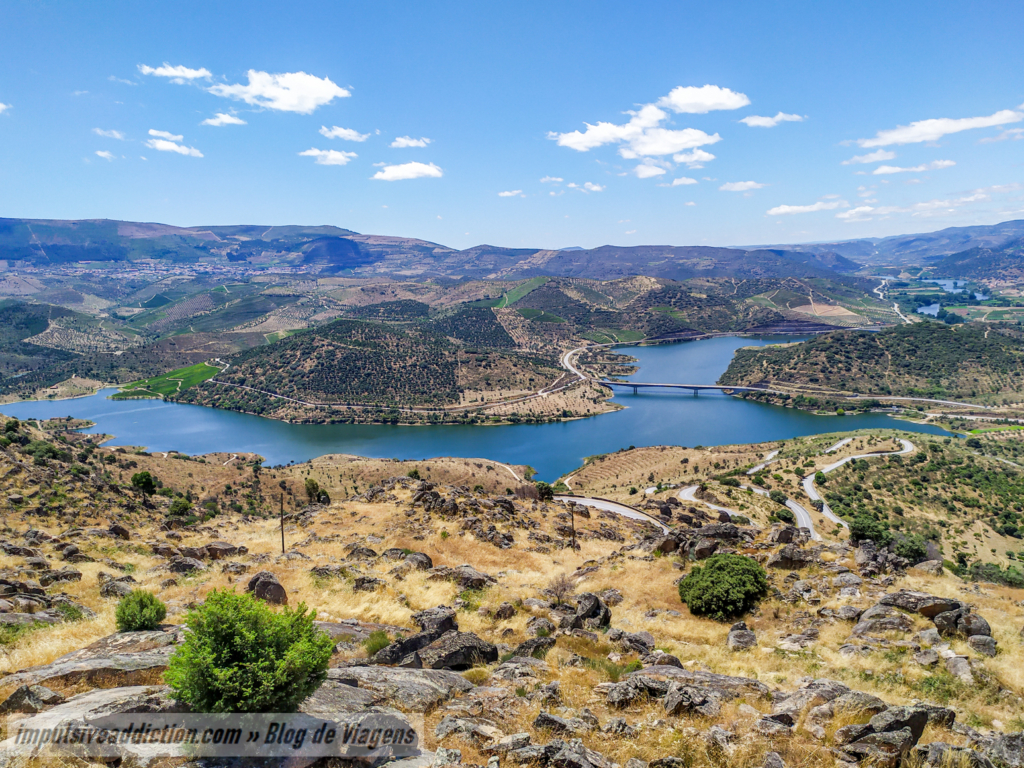
The Vale do Sabor Viewpoint offers a superb panoramic view of the Sabor River along the final kilometers before it flows into the Douro River. Simply fantastic!
6. São Gregório Viewpoint
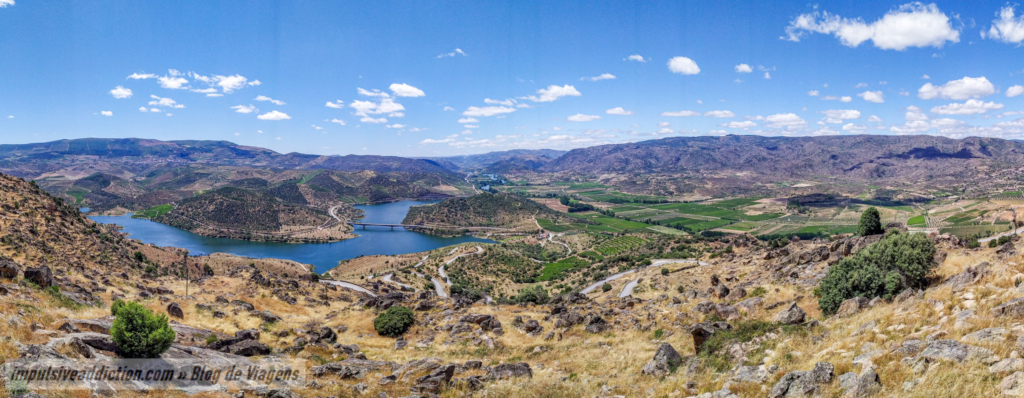
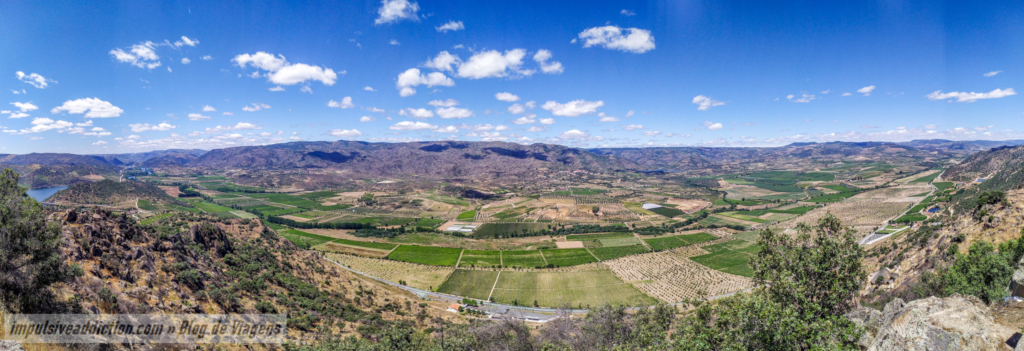
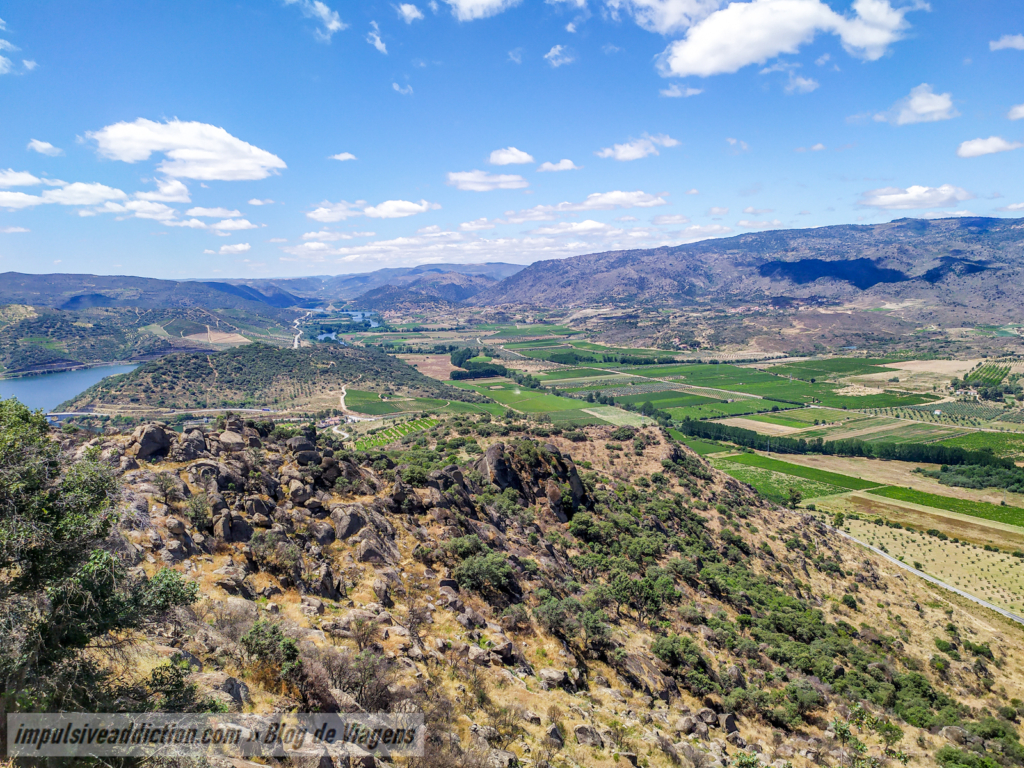
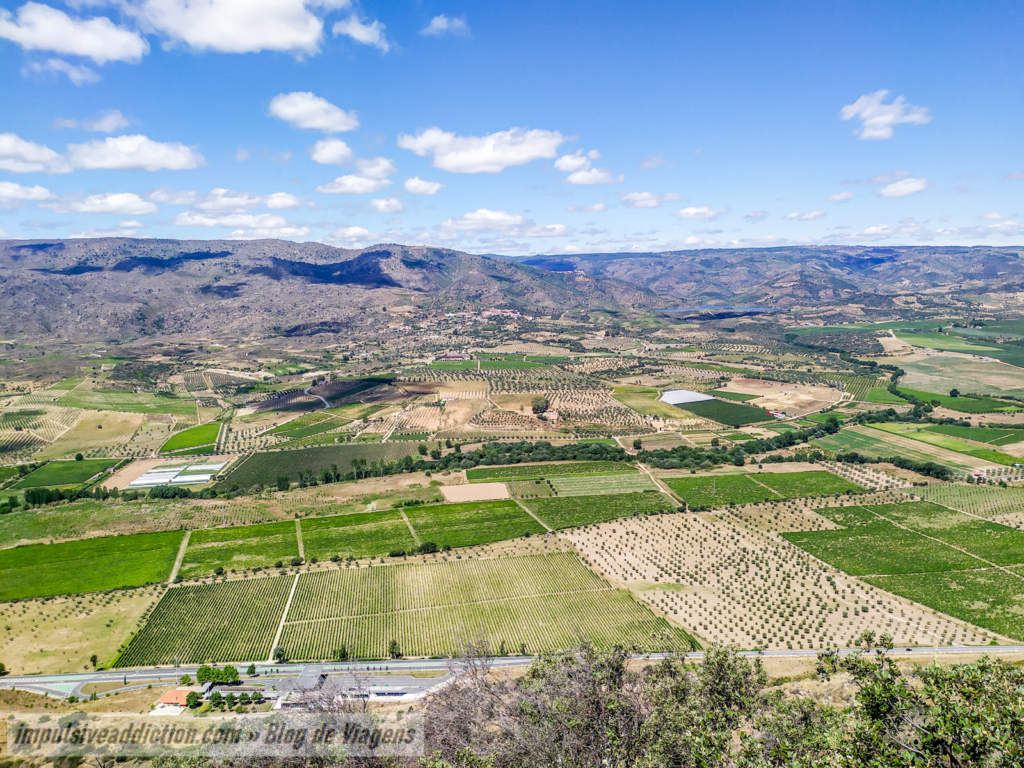
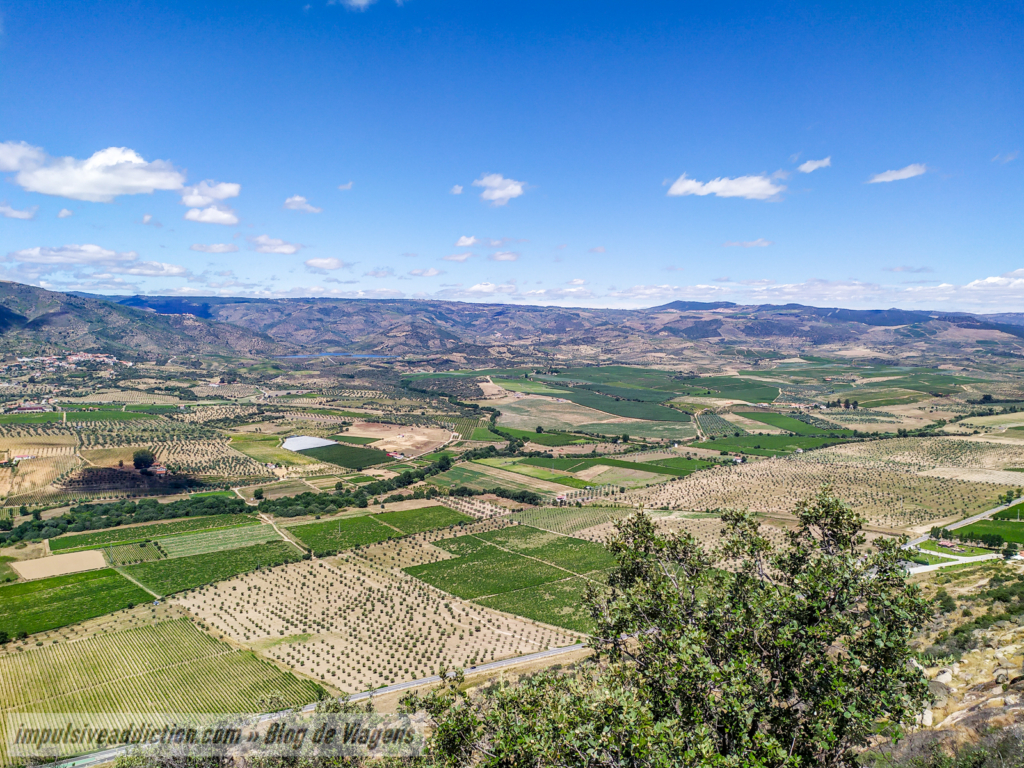
The São Gregório Viewpoint, located very close to the previous one, is one of my favorites—perhaps even my absolute favorite in all of Torre de Moncorvo.
There’s another very similar viewpoint a little further north: the Nossa Senhora do Castelo Viewpoint. It’s also marked on the map in this article, but given how alike they are, I’d consider it optional.
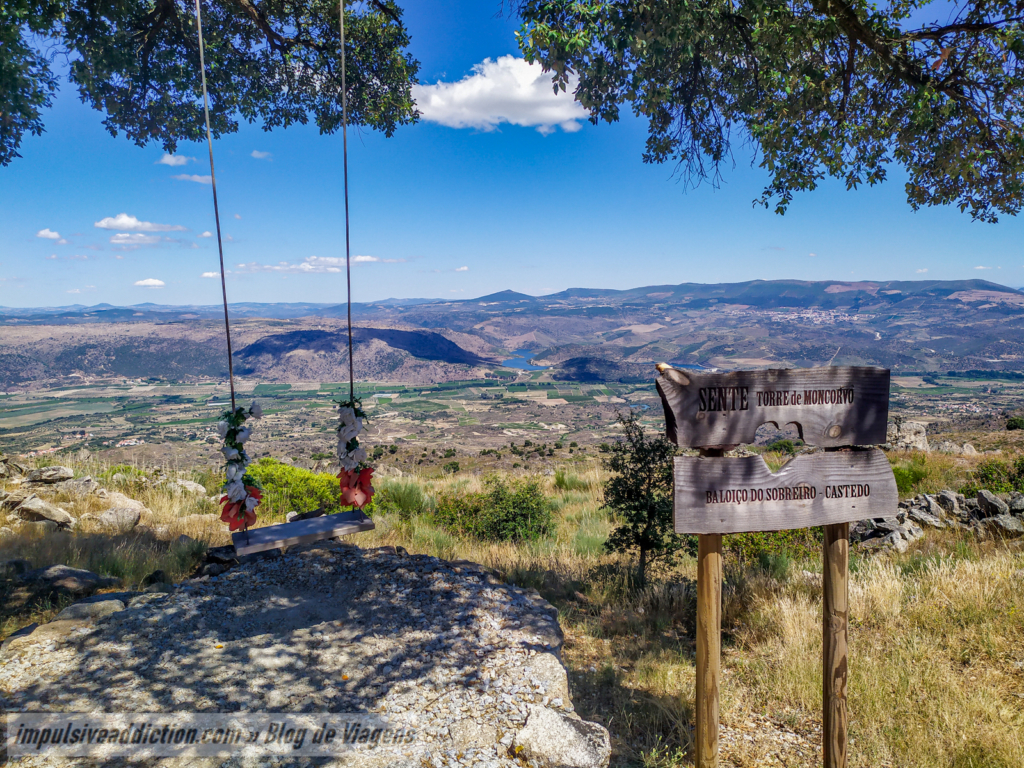
7. Talegre Viewpoint and Cork Oak Swing
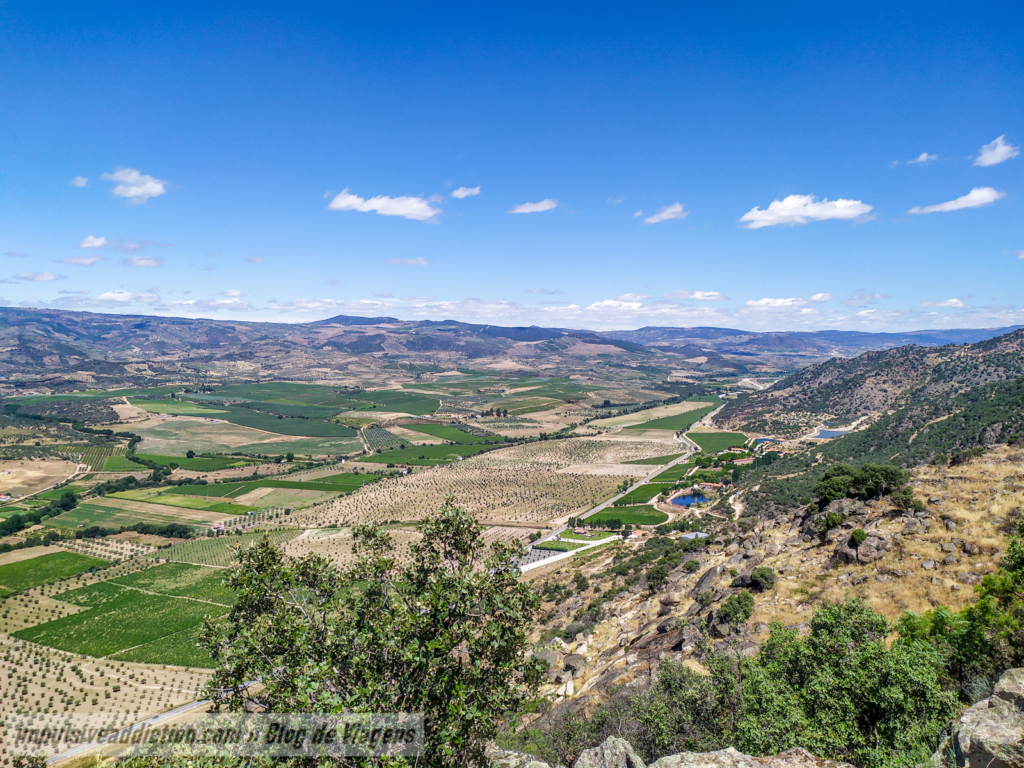
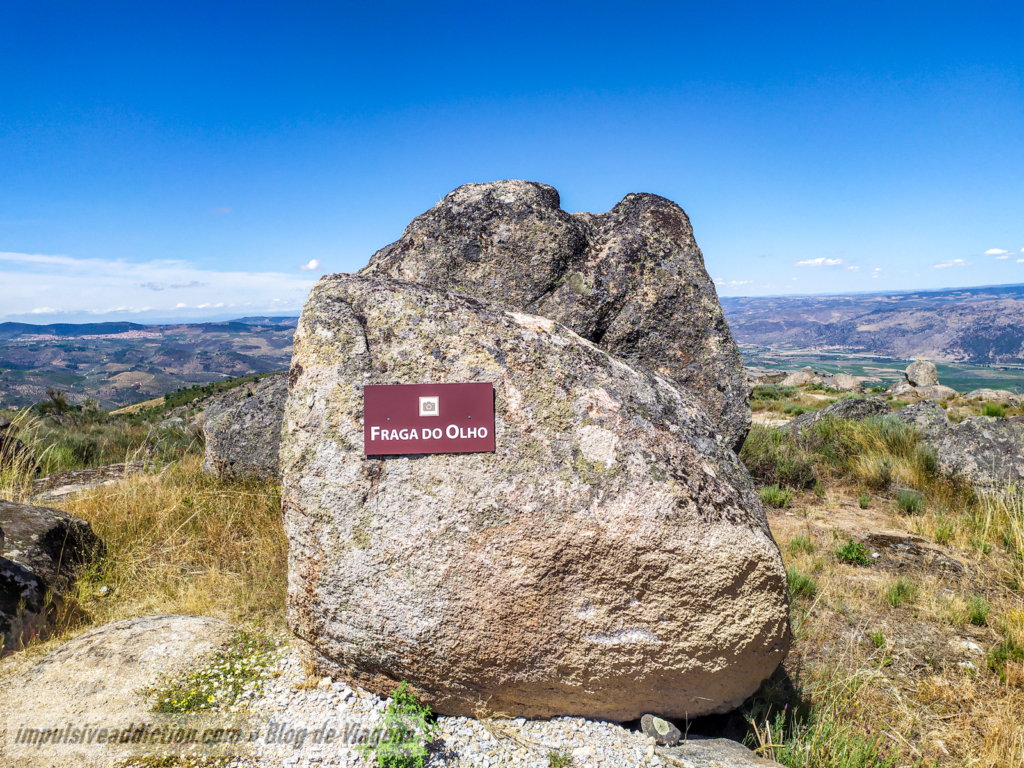
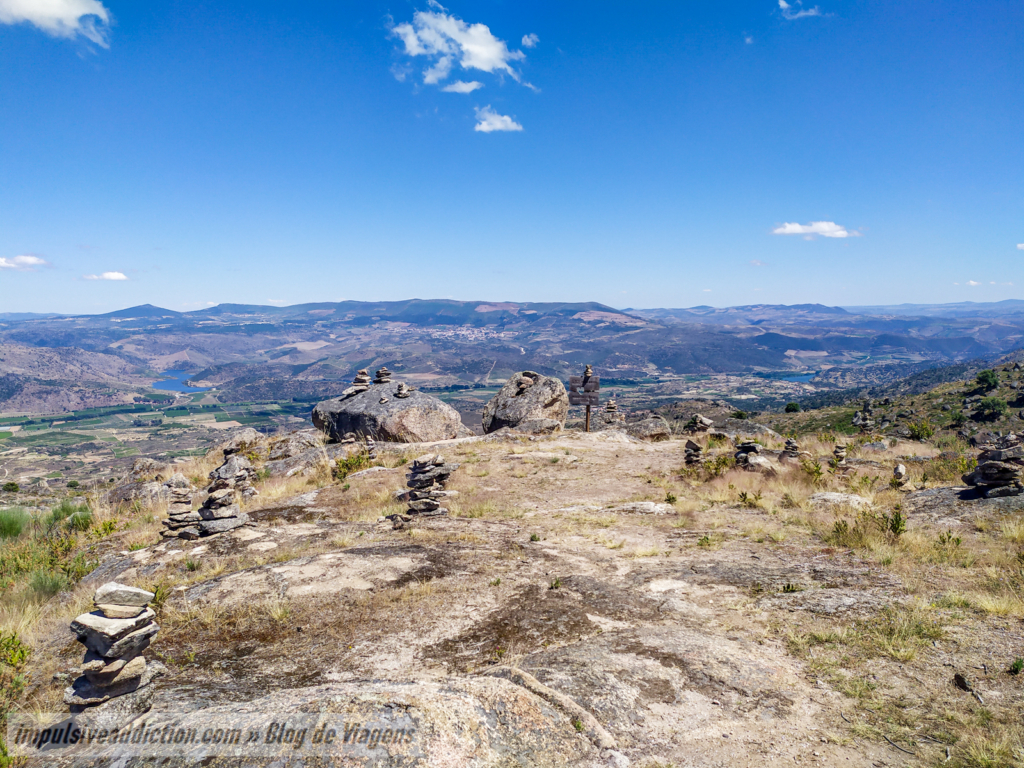
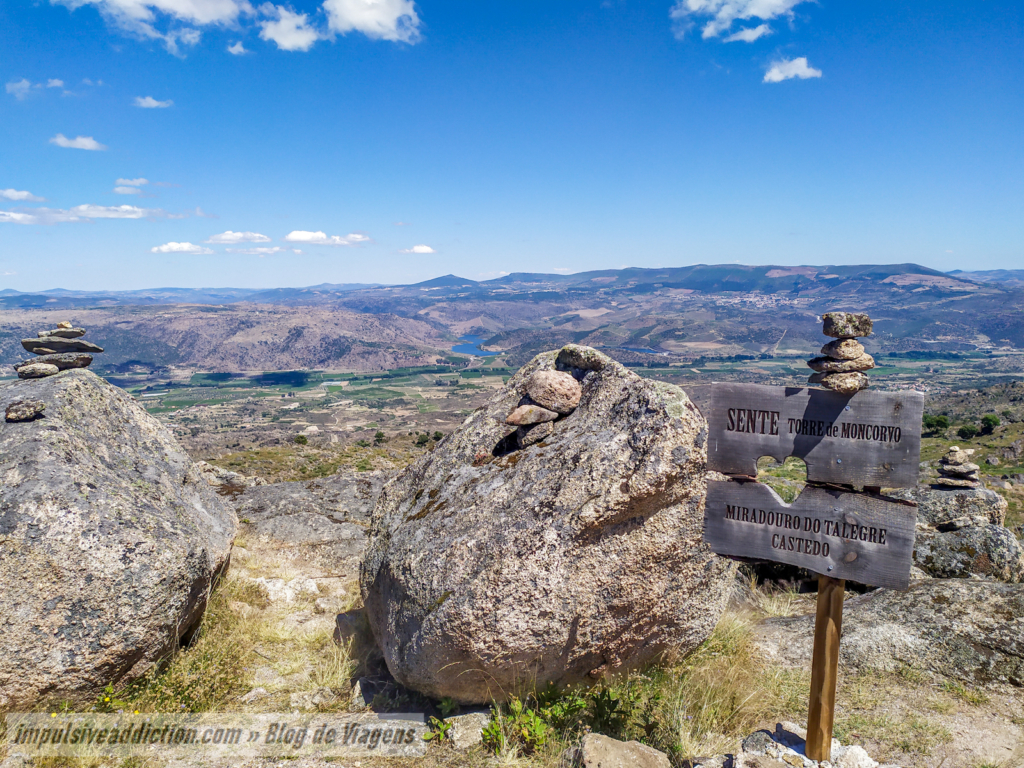
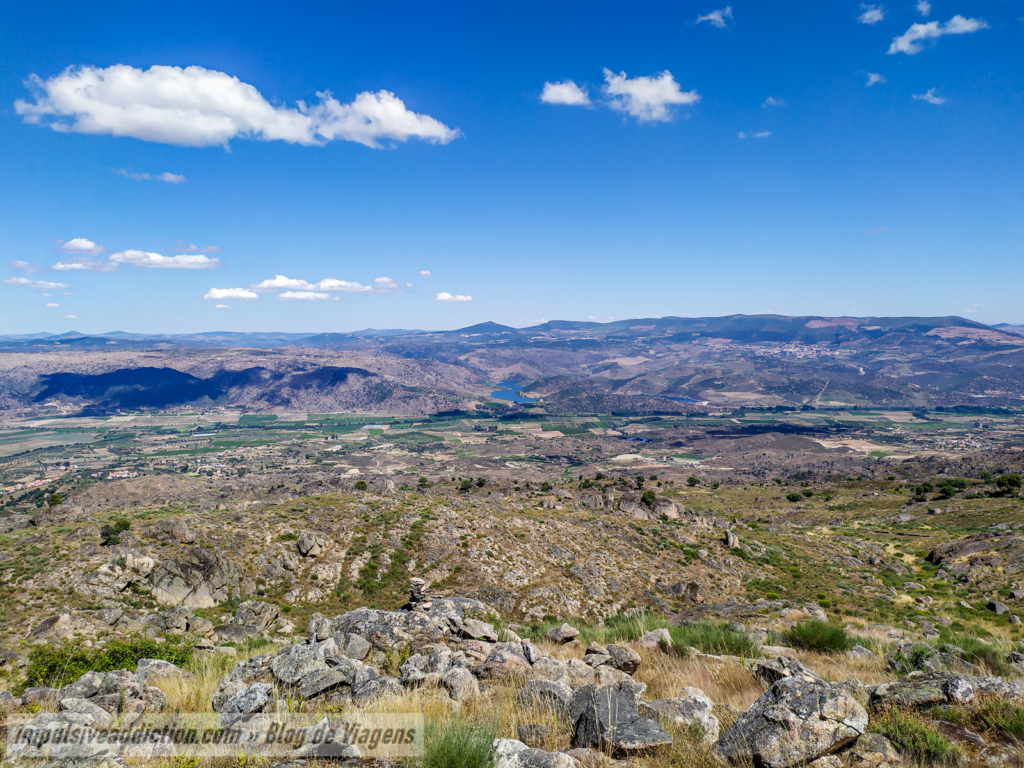
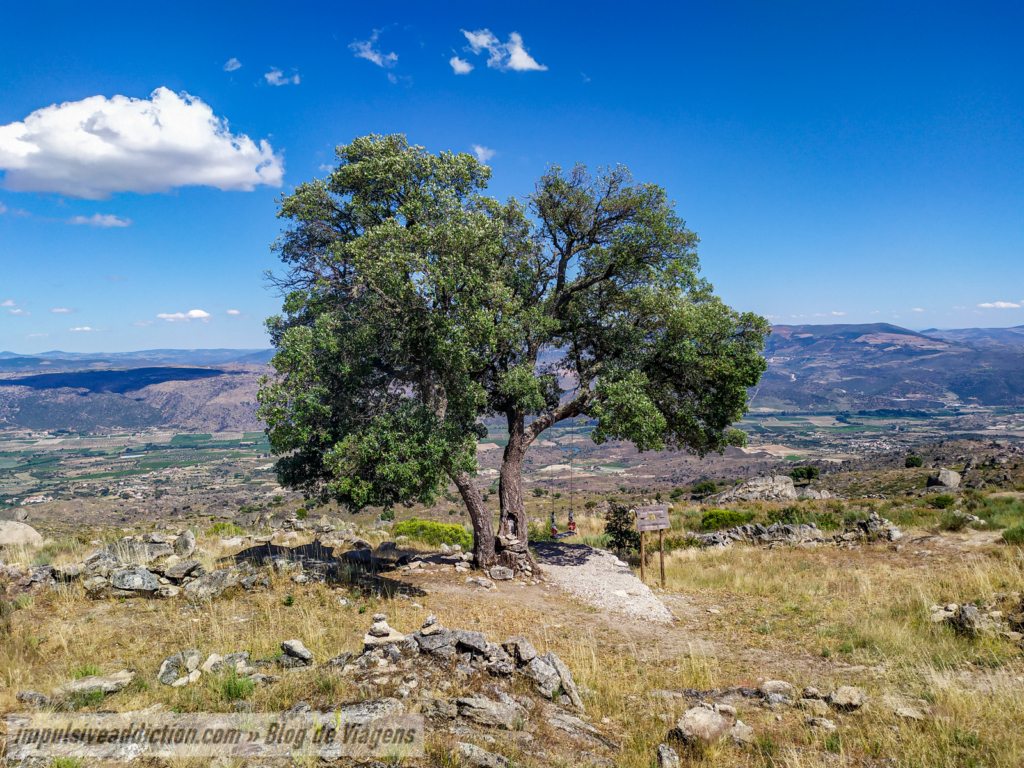
I say the São Gregório Viewpoint is “perhaps” my favorite because I honestly can’t decide between it and the Talegre Viewpoint. They sit on opposite sides of the Vilariça Valley, facing each other, and both offer absolutely vast, breathtaking panoramas—the very best views of the valley. Add to that the Fraga do Facho Viewpoint in the Serra do Reboredo, and you’ve got an unbeatable trio in the region, all within the same municipality. Incredible!
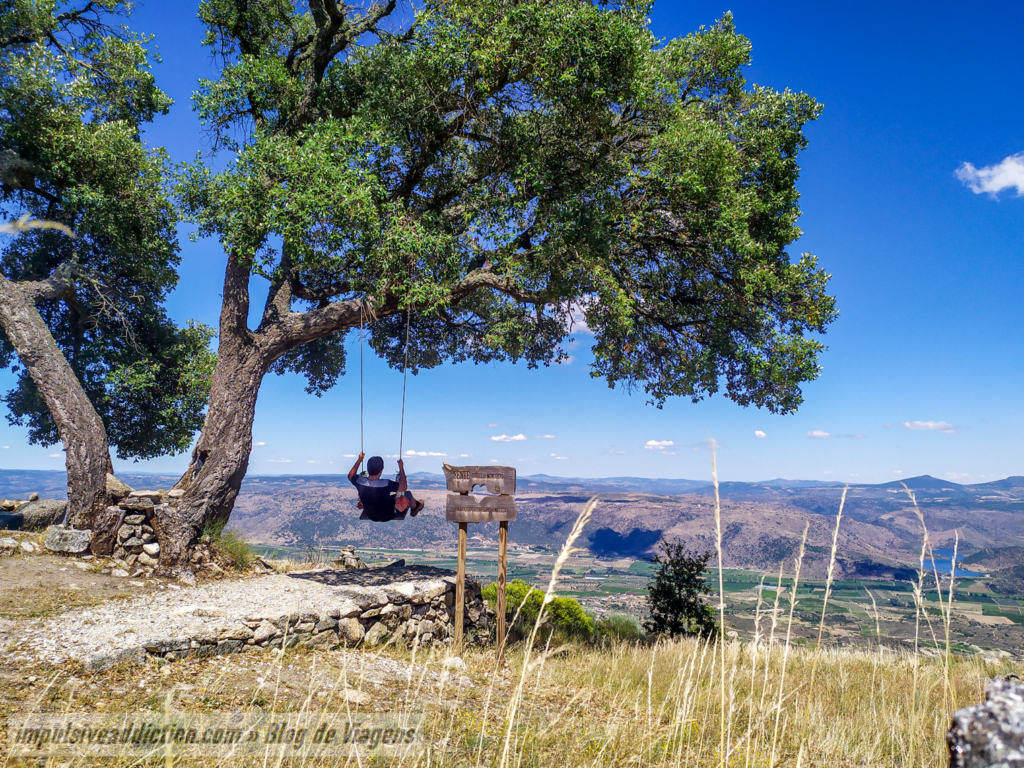
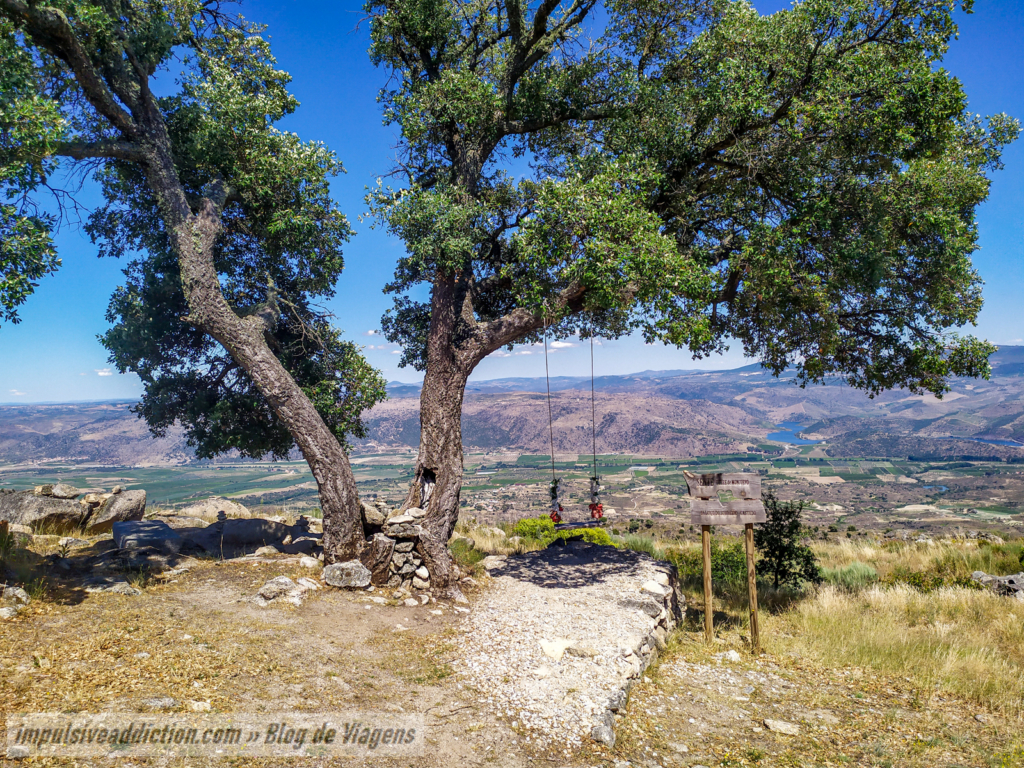
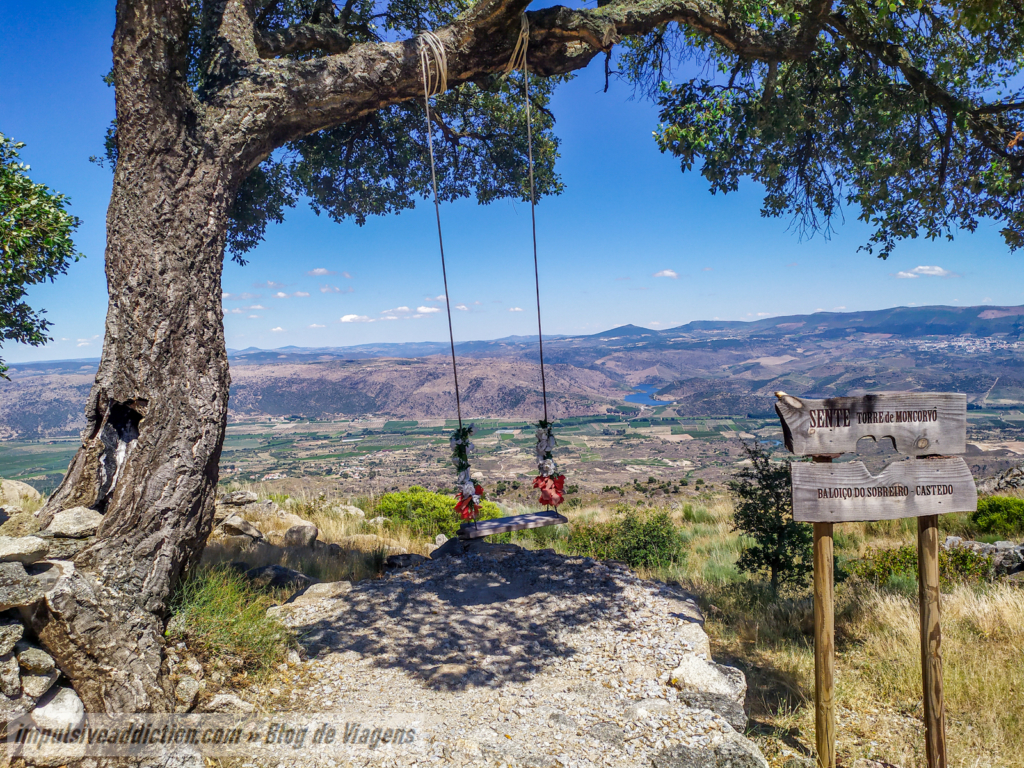
To complement the Talegre Viewpoint, there’s also a charming tourist swing beneath a giant cork oak tree. If you’re lucky enough to visit when there are no other tourists around, you’ll have an amazing spot all to yourself—perfect for a peaceful swing while soaking up the scenery.
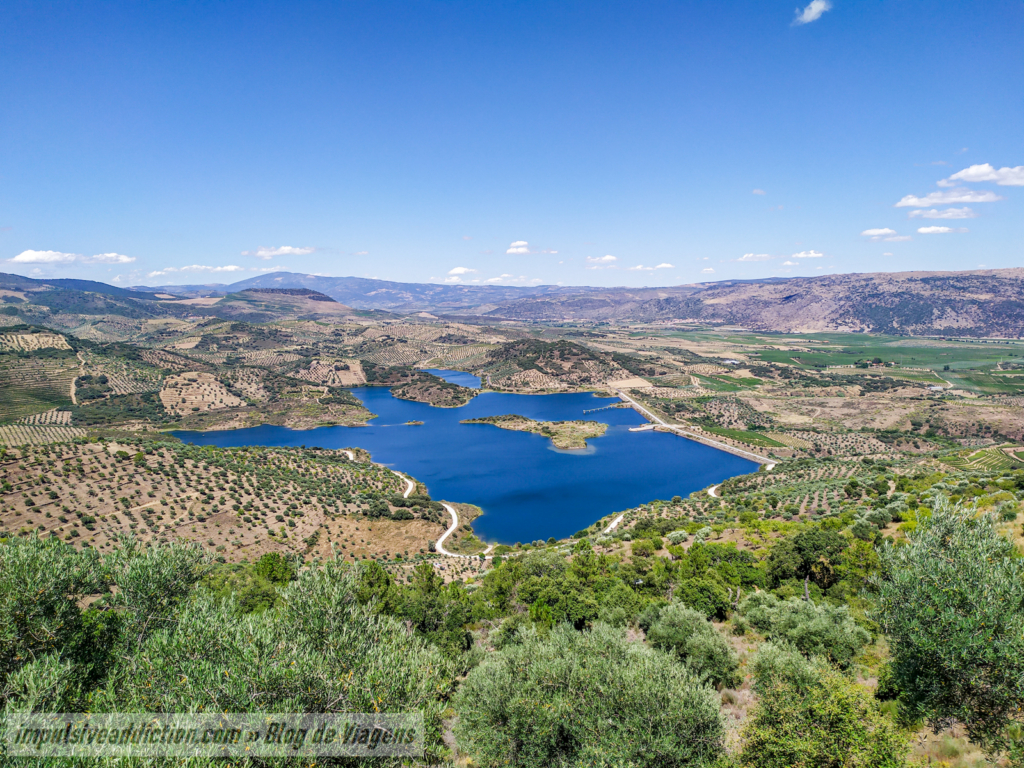
8. Vide Viewpoint
The Vide Viewpoint isn’t exactly part of the Sabor Lakes, since what it overlooks is the Nabo Dam (also known as the Ribeiro Grande Dam). Still, due to its proximity, I’ve decided to include it here—and the landscape is absolutely worth the stop.
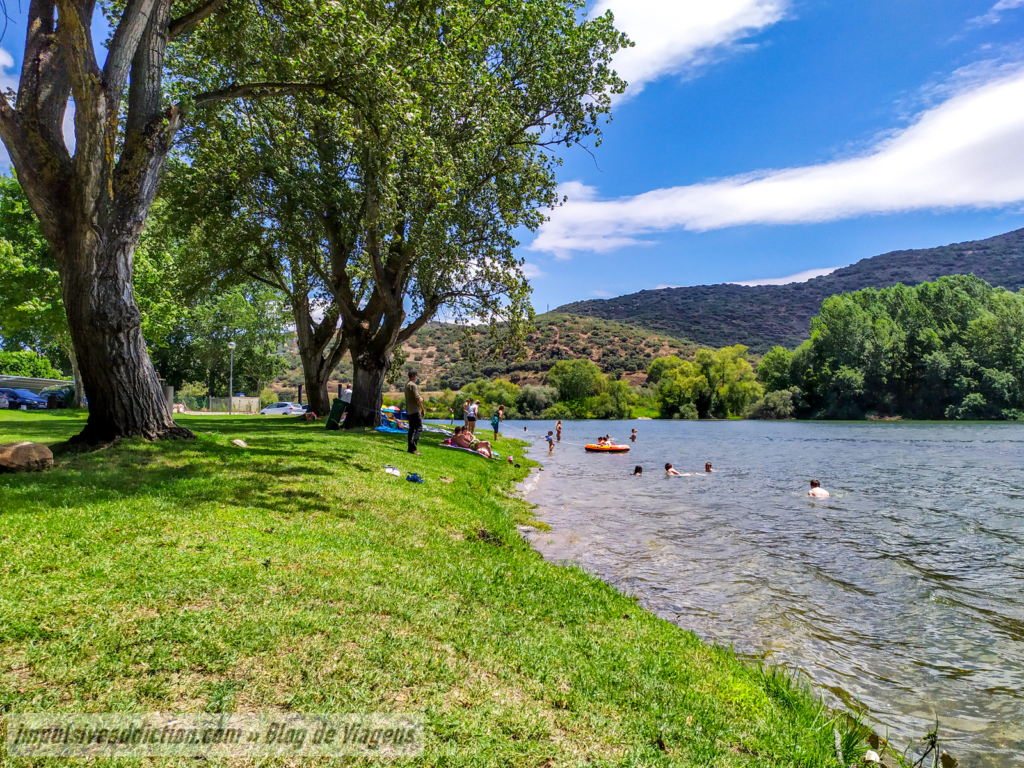
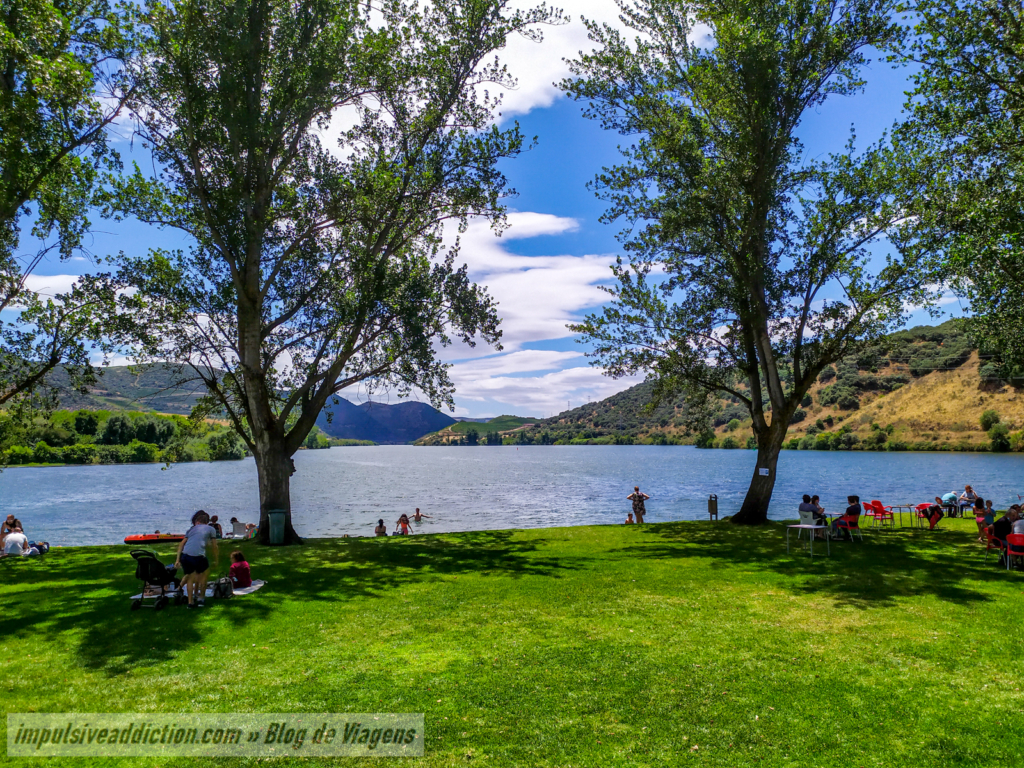
9. River Beach at the Mouth of the Sabor River
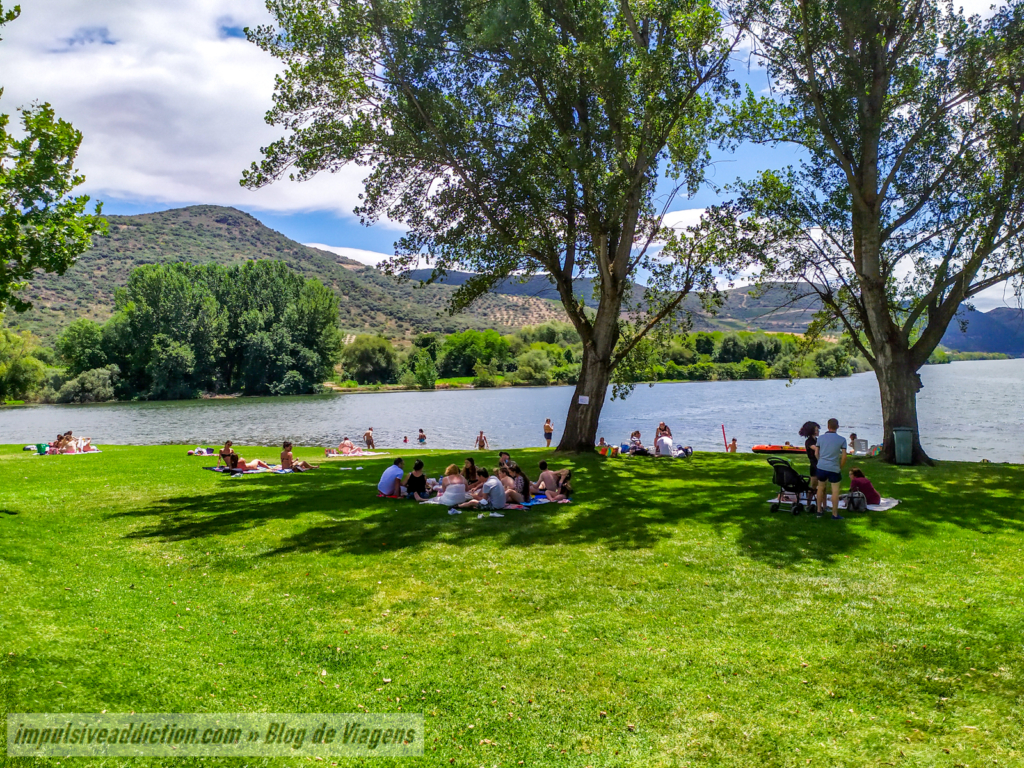
Finally, we come to the mouth of the Sabor River, and what better way to enjoy it than at a river beach? This spot features a large grassy area, plenty of shade, and a picnic zone. You’ll also find restrooms and a support bar, making it a perfect place to spend a relaxing afternoon while exploring Torre de Moncorvo or the Sabor Lakes.
And afterwards—why not go discover the best viewpoints over the Douro River within this very municipality?
Visit the Douro River near Torre de Moncorvo
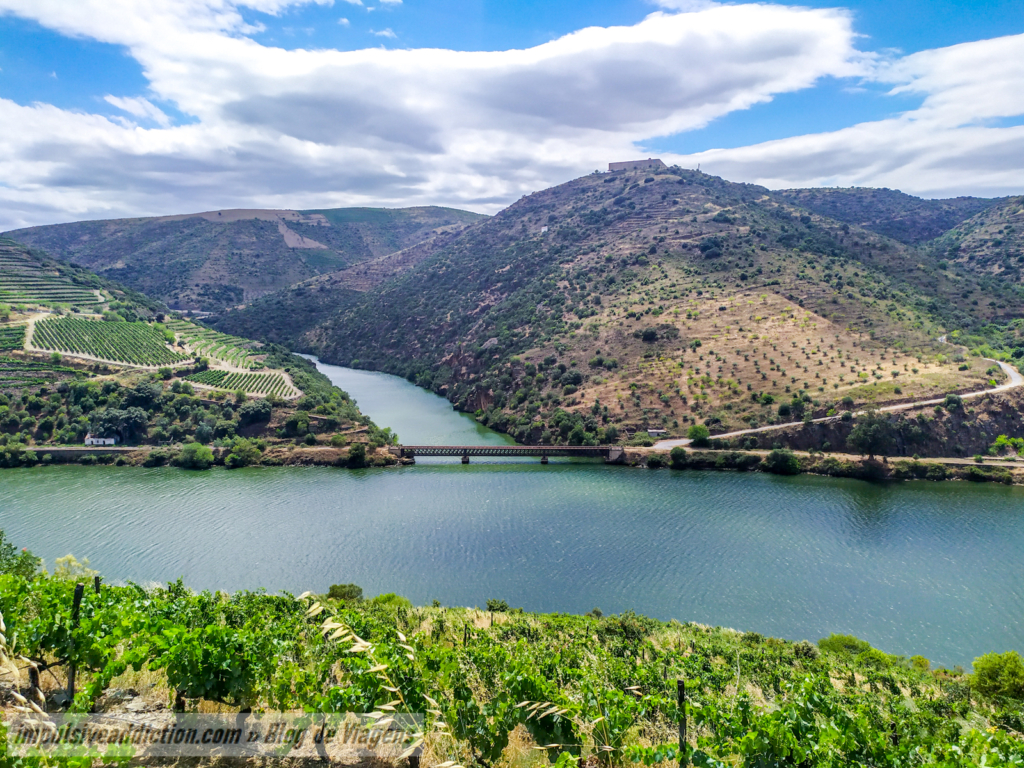
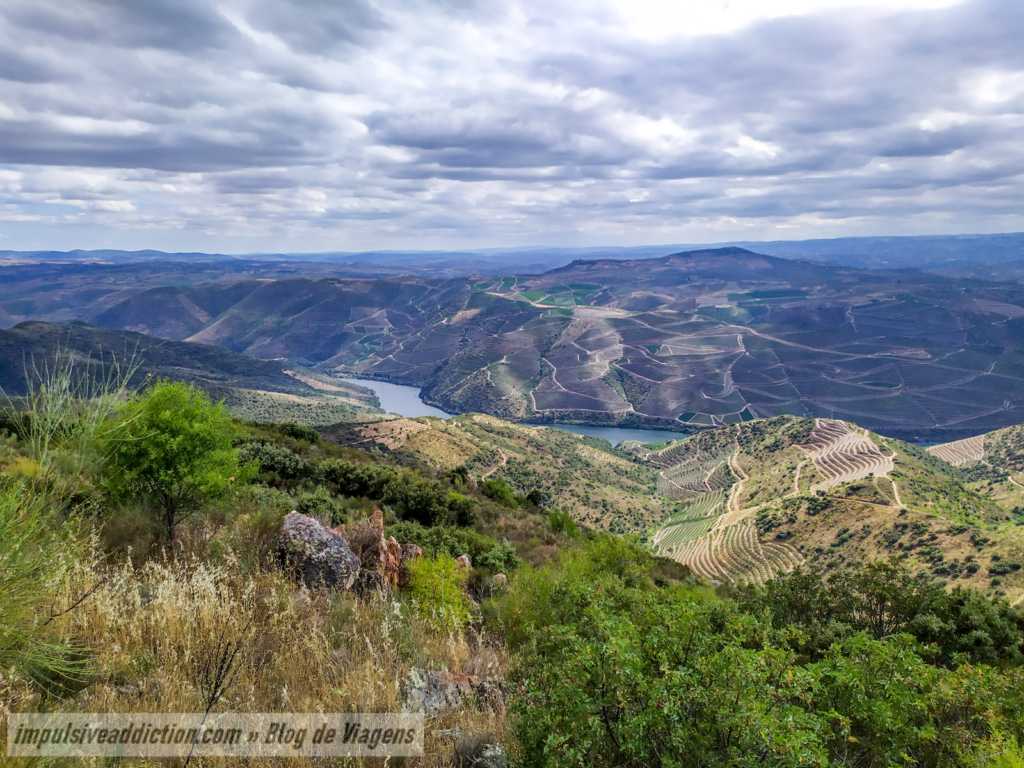
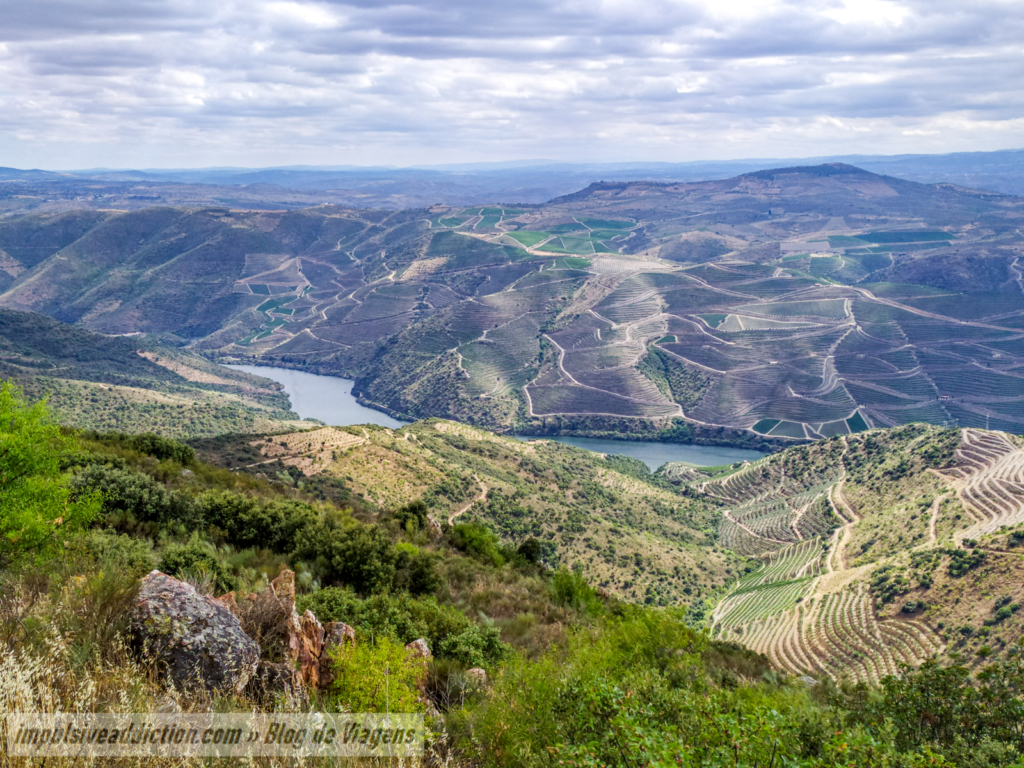
The Douro River lies in the southern part of the municipality, and I’d like to suggest four viewpoints and one village that I find particularly special.
1. Santa Bárbara Viewpoint
The Santa Bárbara Viewpoint is located near the village of Lousa, which is part of the Alto Douro Wine Region, a UNESCO World Heritage Site.
For those who enjoy hiking, consider the official Cork Oak Route (Rota dos Sobreiros). This trail passes through the viewpoint, the historic center of Lousa, and several other remarkable spots, including the Fraga Amarela rock formation and traditional watermills.
2. Barca Velha Viewpoint
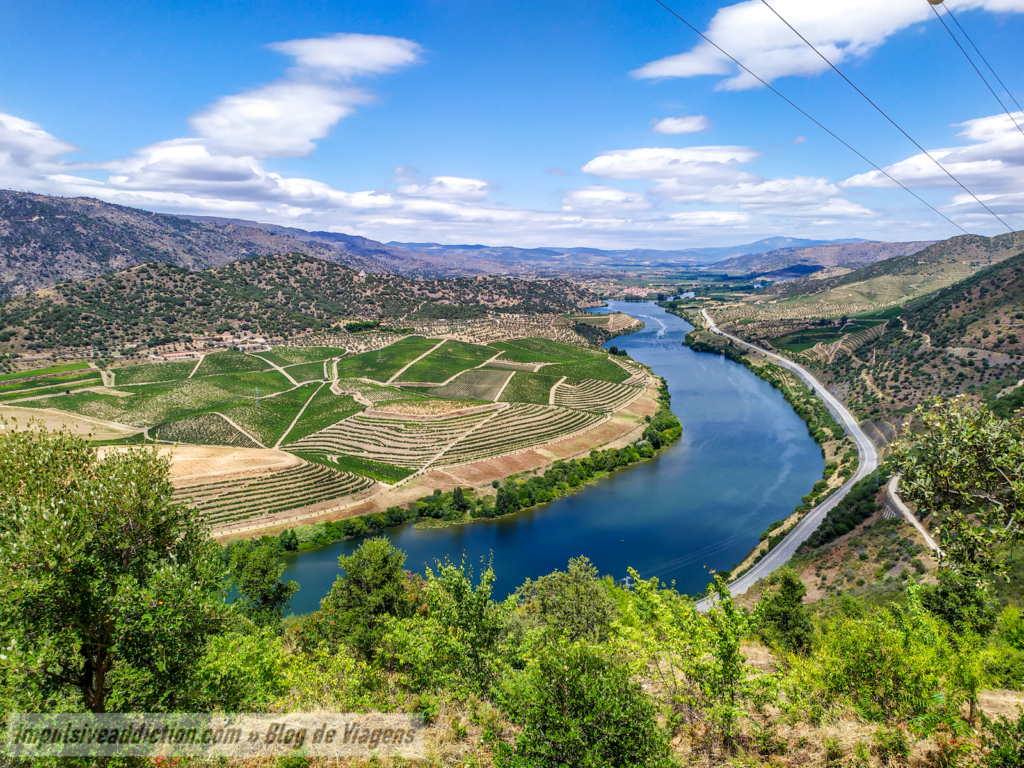
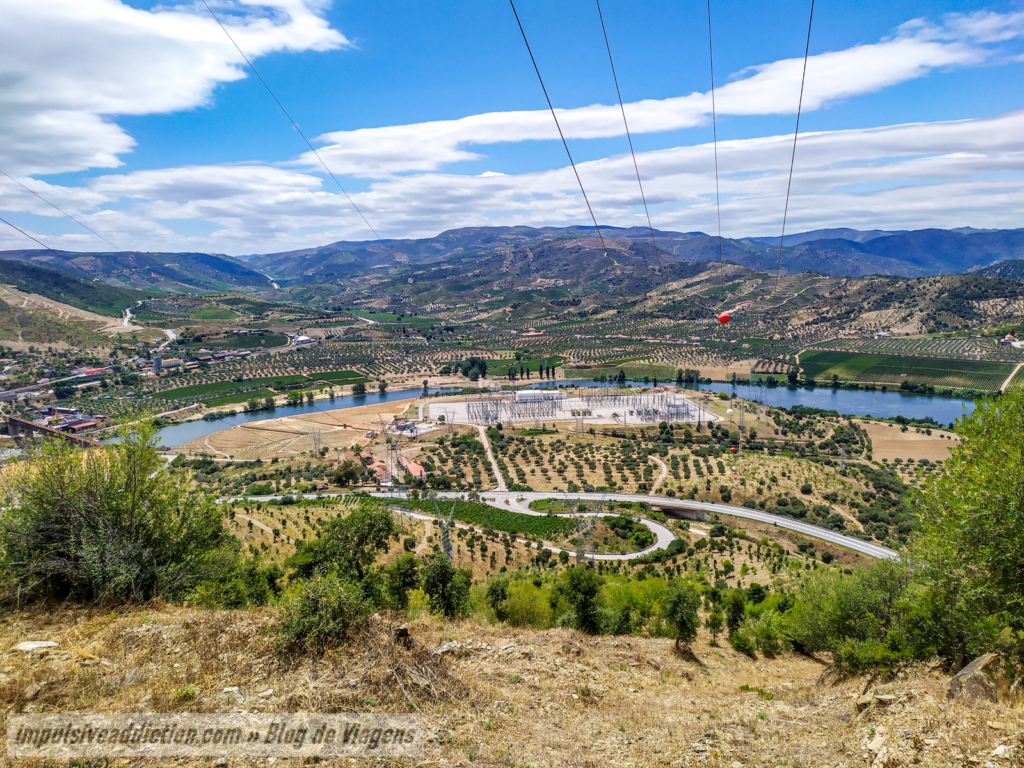
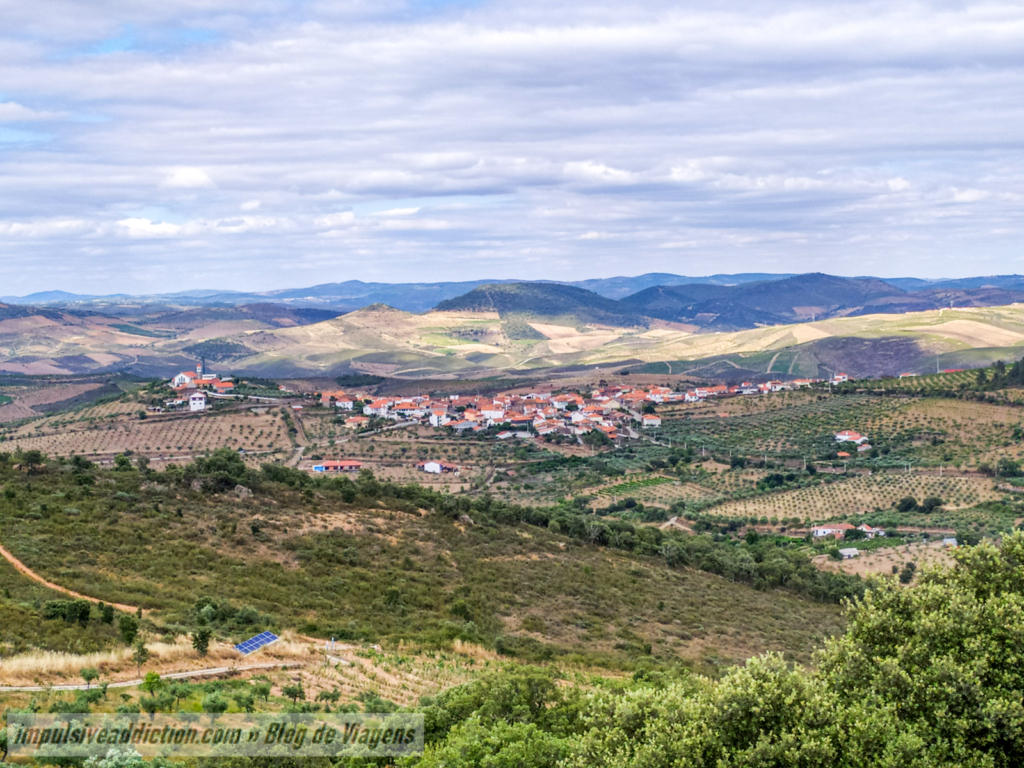
The Barca Velha Viewpoint, in the village of Açoreira, offers a stunning panorama of the vineyard landscapes on both banks of the Douro River. From here, you can even spot the mouth of the Sabor River and the river beach mentioned earlier.
3. Senhora da Glória Viewpoint
For me, the Senhora da Glória Viewpoint is the least interesting of the four mentioned. Its main highlight is the view over the village of Paredo dos Castelhanos.
That said, if you venture along some of the local paths, you might be rewarded with a beautiful view of the mouth of the Côa River where it meets the Douro.
4. Village of Urros and Senhora do Castelo Viewpoint
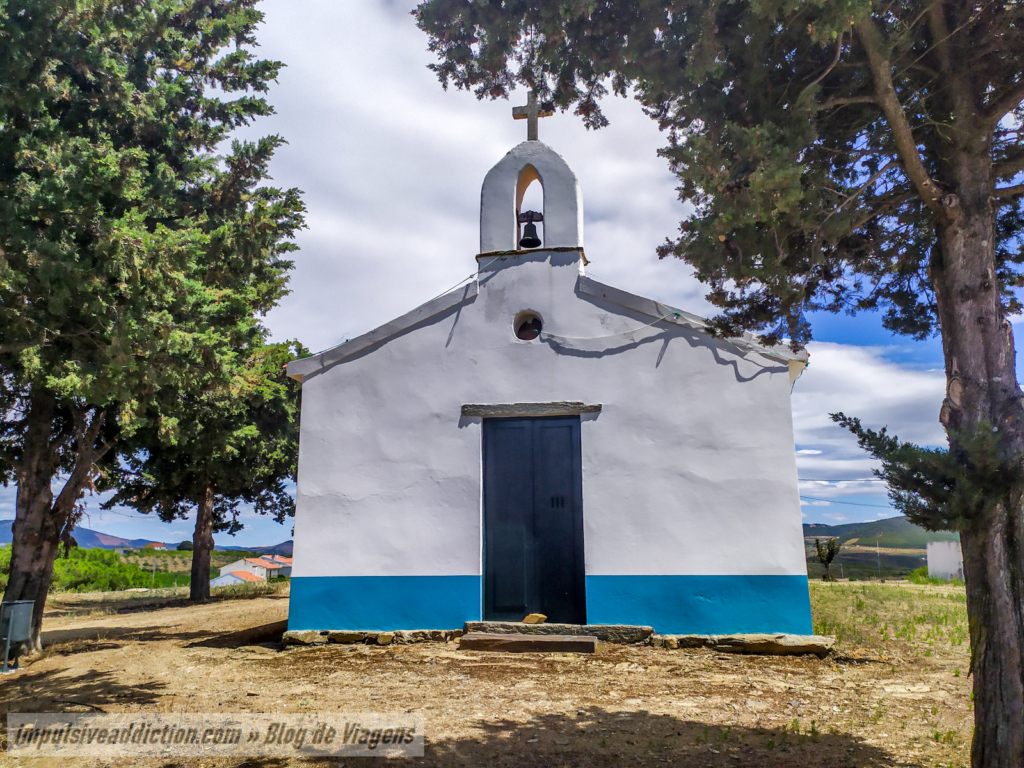
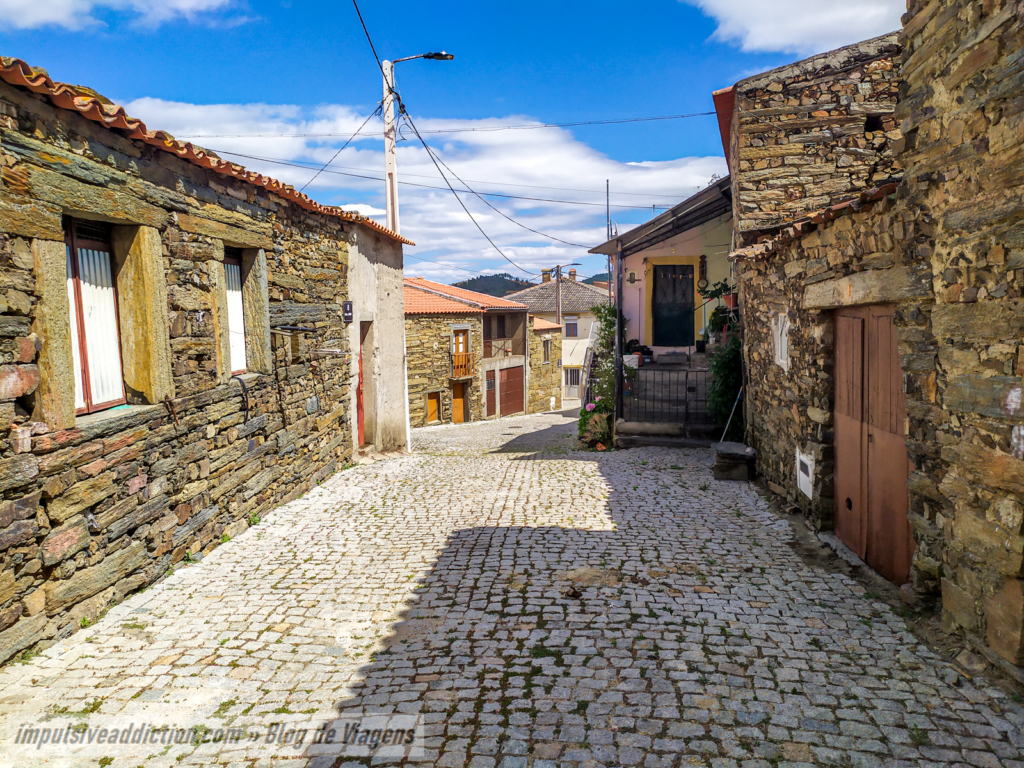
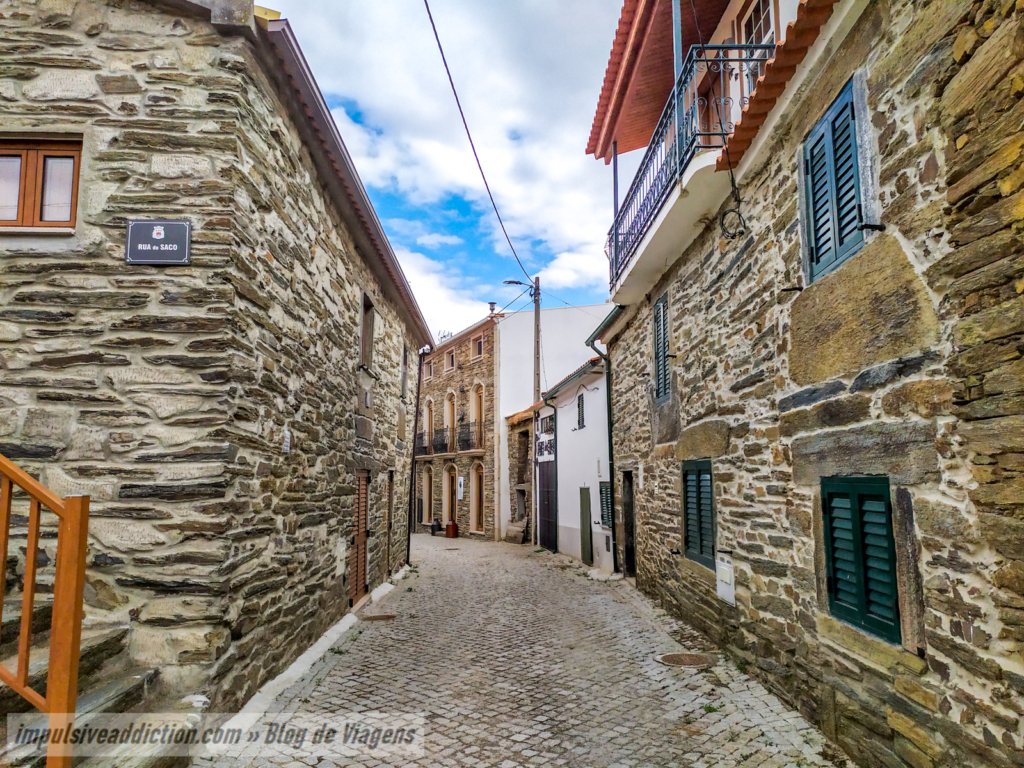
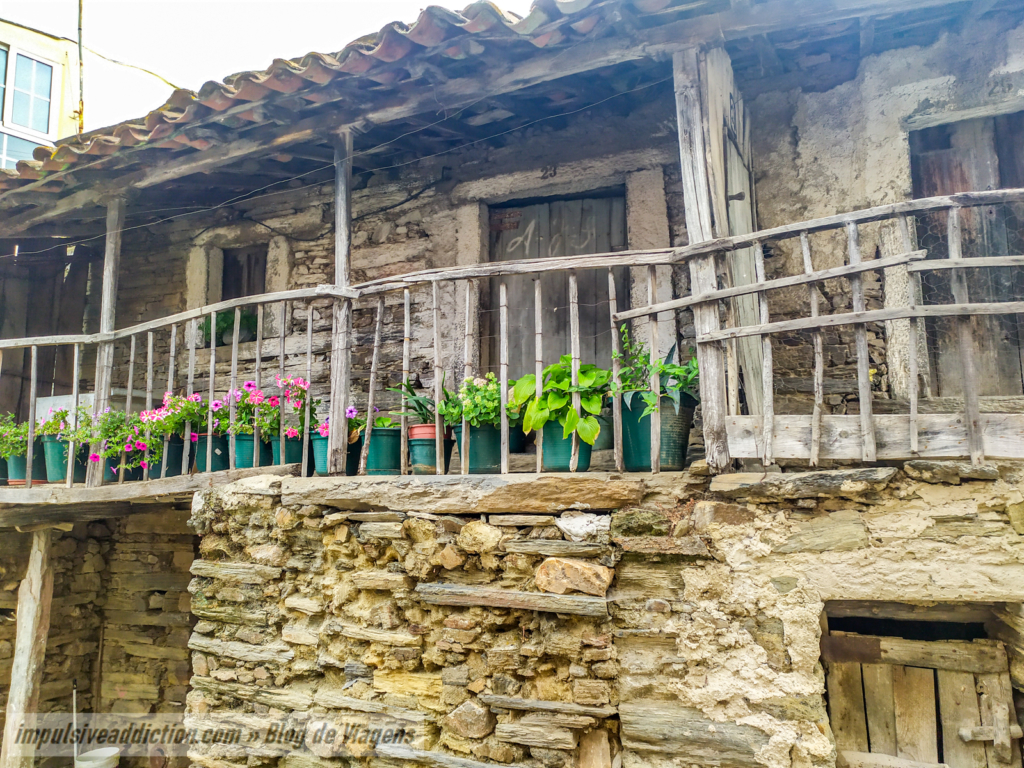
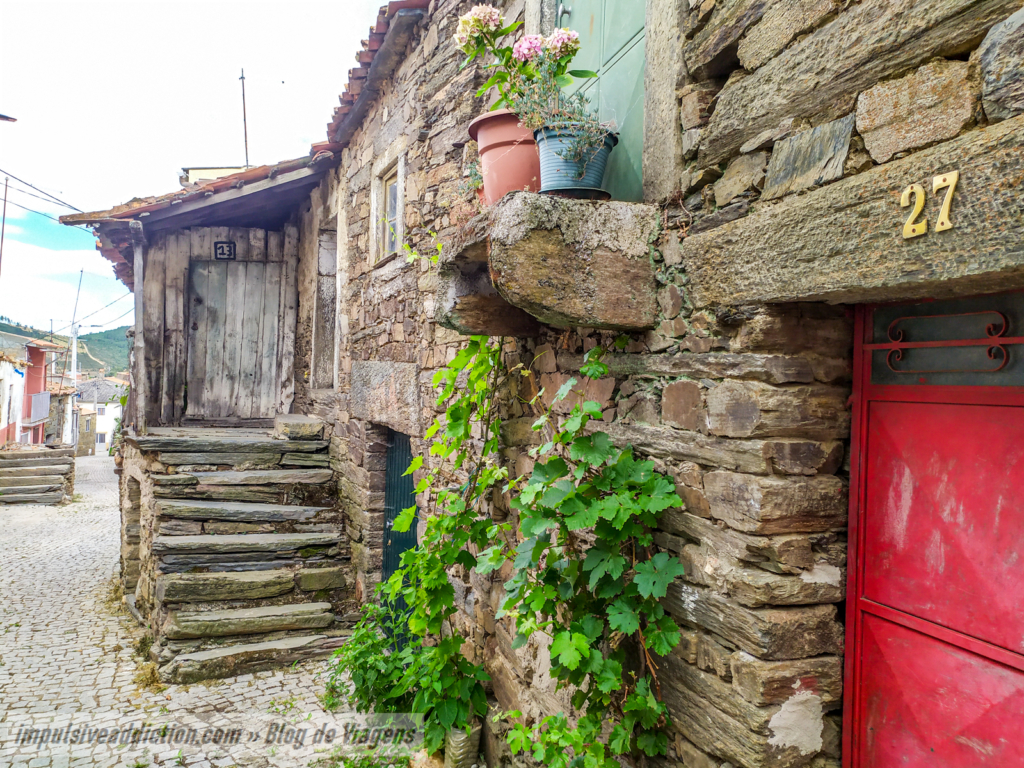
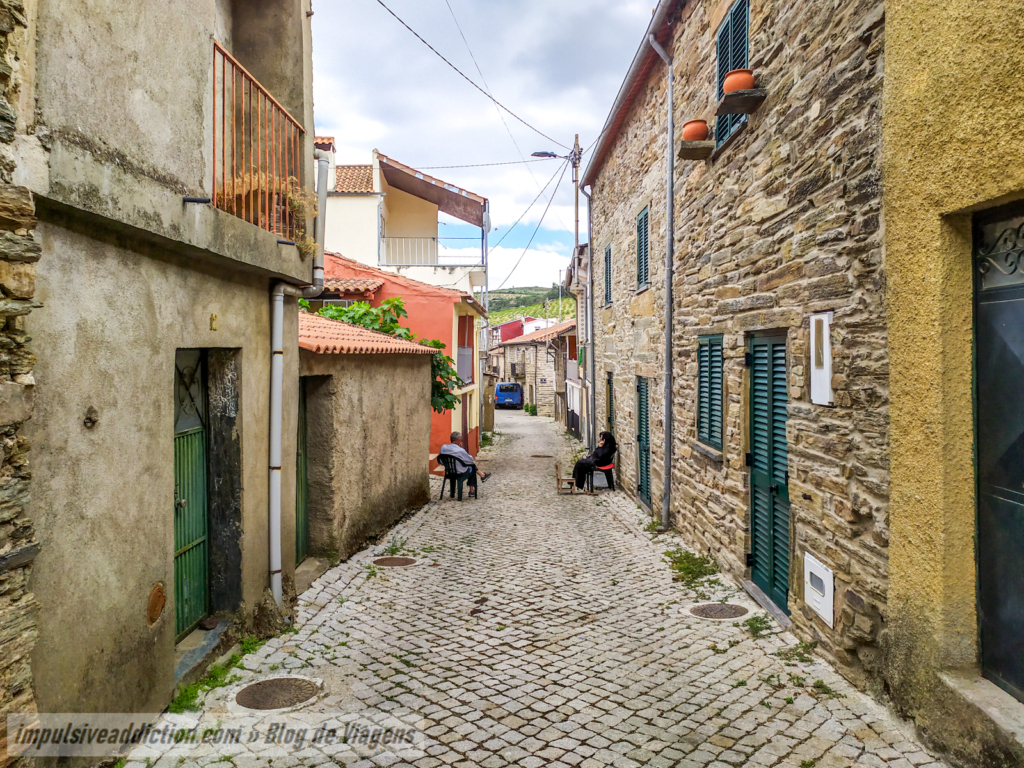
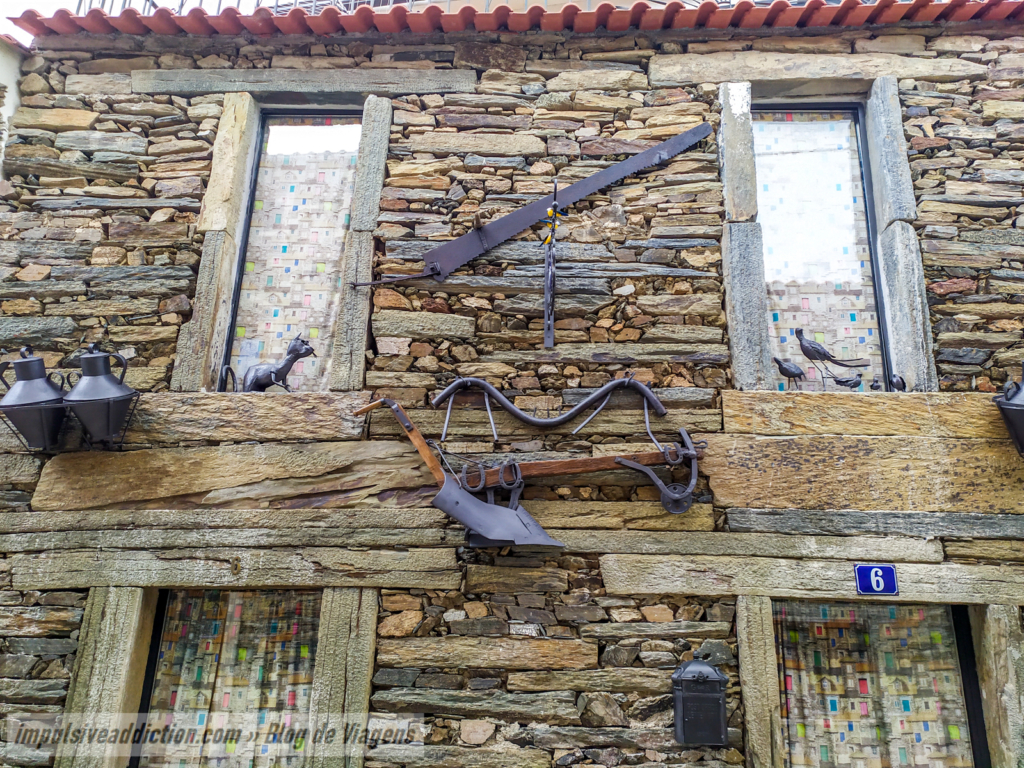
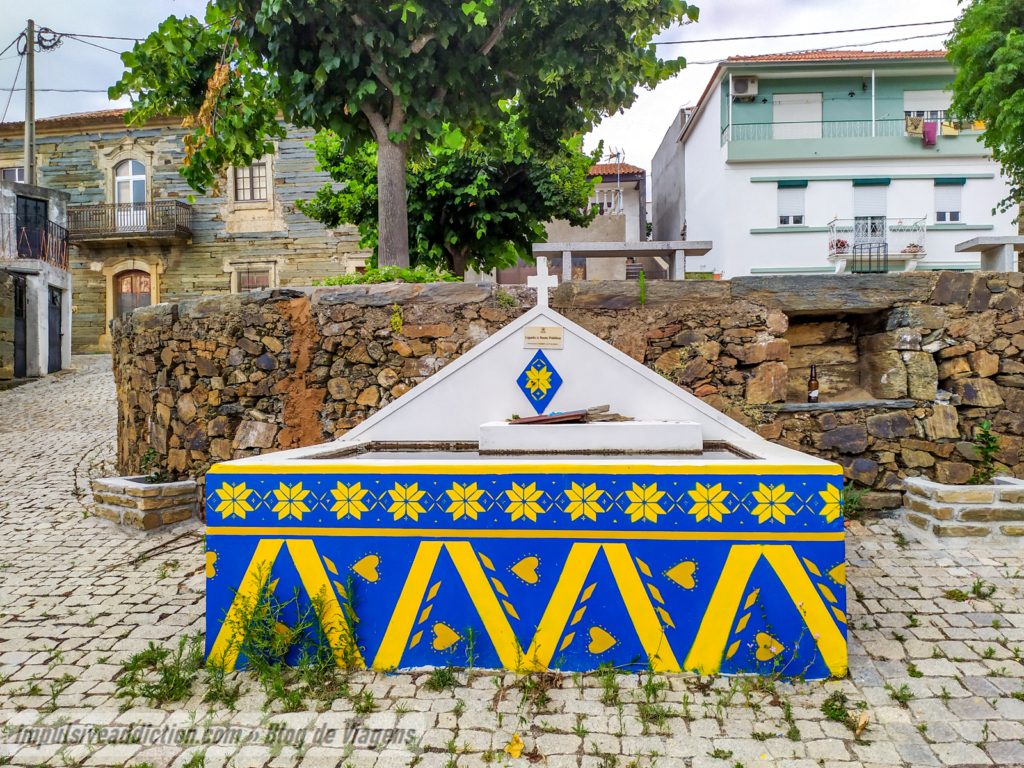
Finally, we come to the village of Urros. This charming village is worth a longer stop—stroll through its picturesque narrow streets, discover its hidden corners, and take the time to chat with the locals.
A short drive away, you’ll find the road leading up to the Senhora do Castelo Viewpoint, one of the many incredible spots to watch the sunset near Torre de Moncorvo. Personally, I loved this one!
Other Places to Visit in Torre de Moncorvo
There are also a few other spots in Torre de Moncorvo worth visiting, which I don’t consider part of the Douro area or the Sabor Lakes.
1. Natural Pool of “Caldeirão” (Castedo)
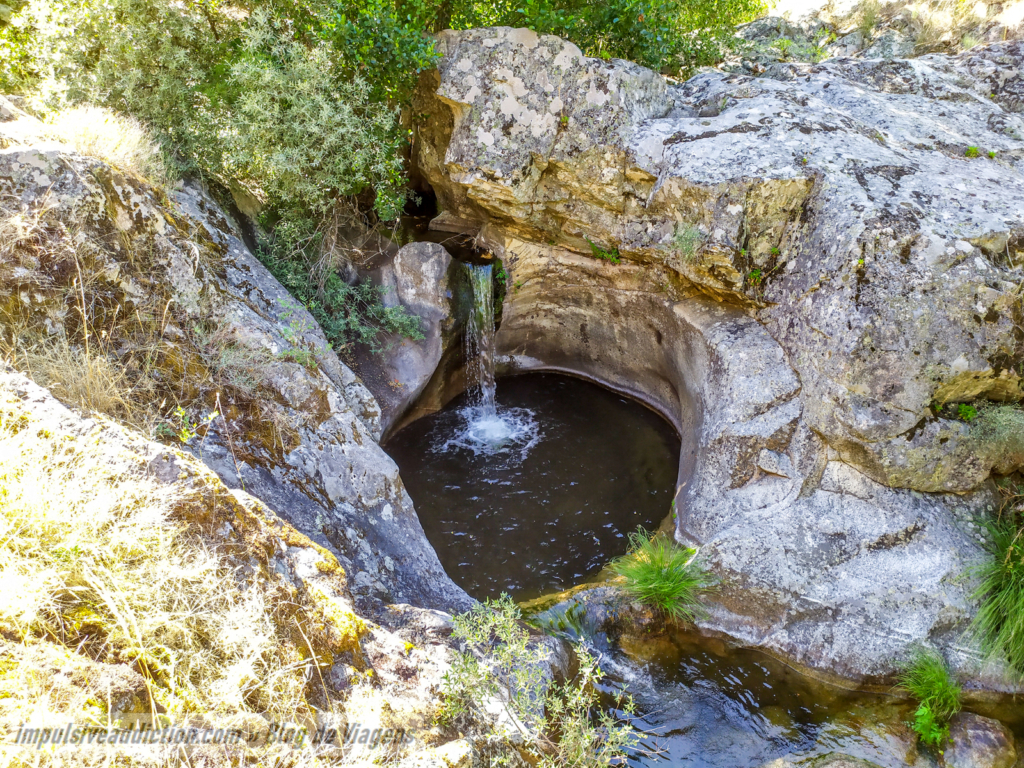
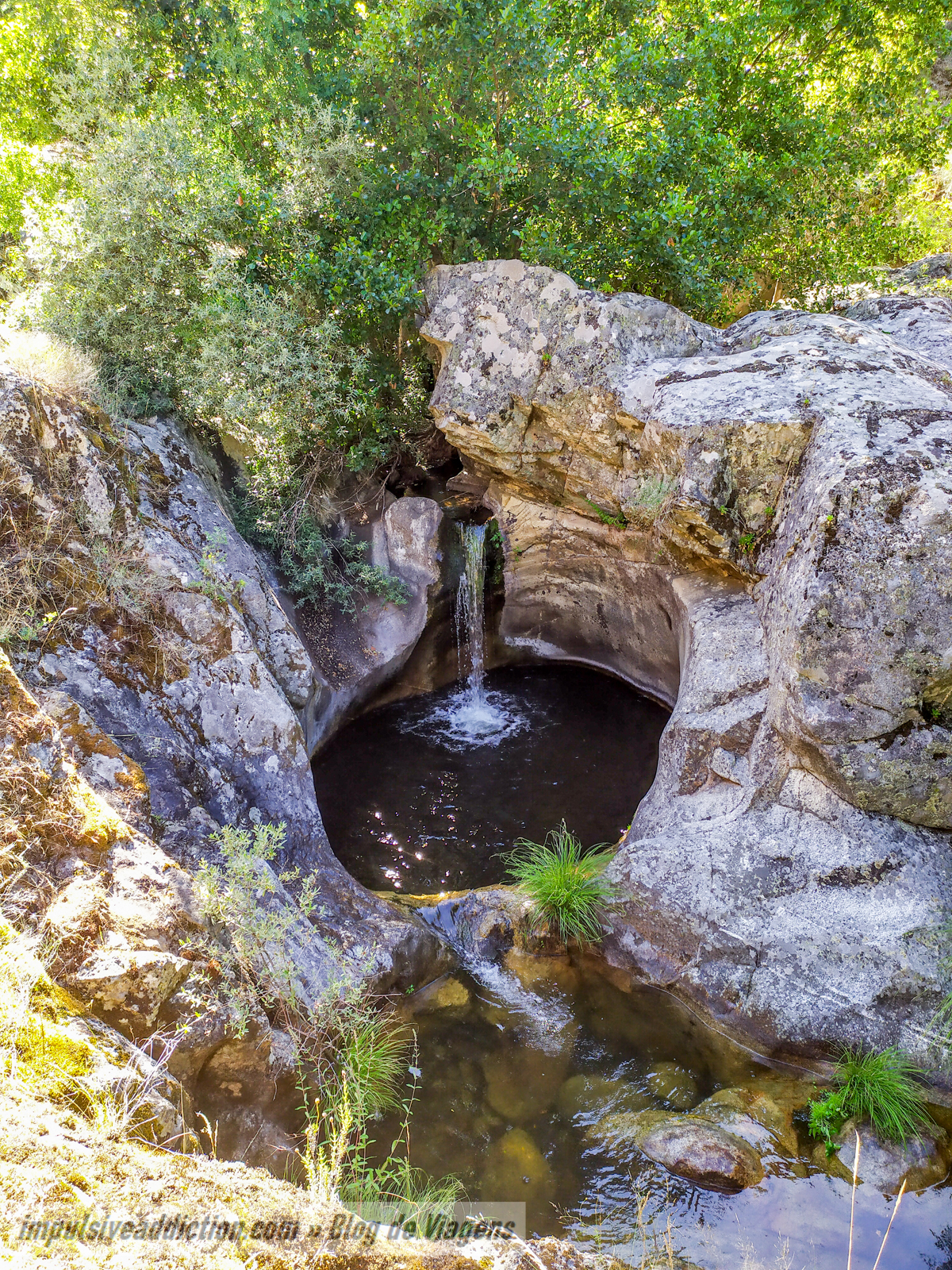
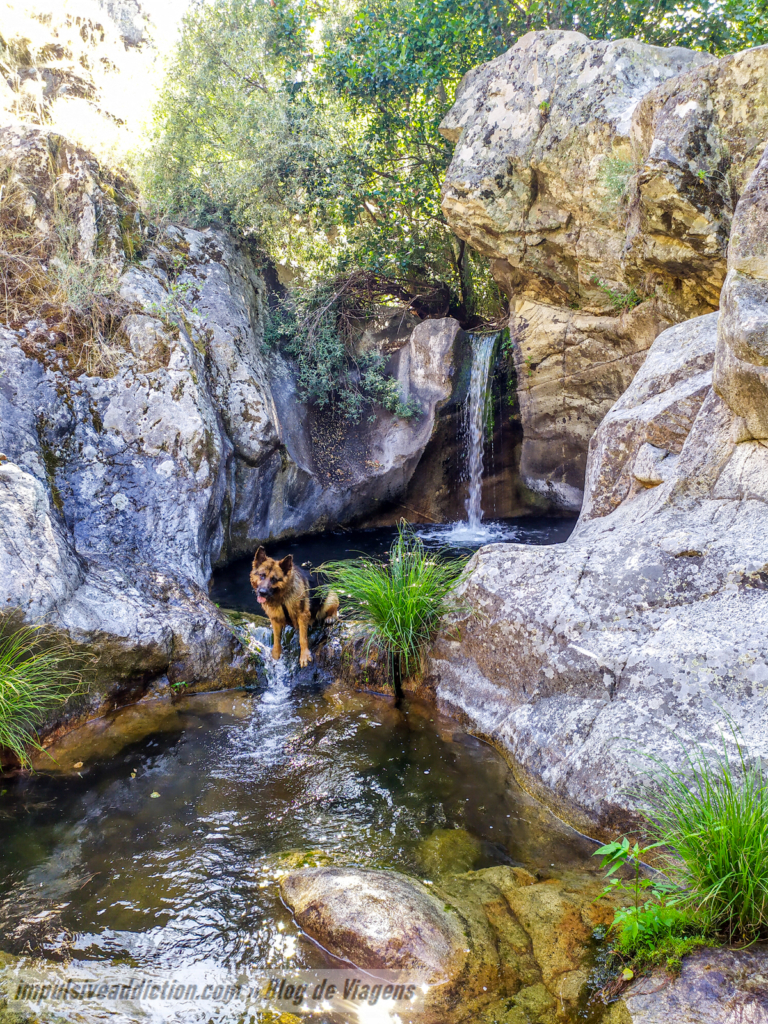
The first, and for me the most interesting, is the Caldeirão. It’s a small circular natural pool formed by the erosion of granite caused by cascading water over time. The pool may look small in diameter, but it’s actually quite deep!
You can’t drive directly to it—you’ll need to walk. Luckily, there’s a hiking trail from the village of Castedo, called the Caldeirão Route (Rota do Caldeirão), which is about 5 km long.
I loved swimming in the pool and exploring the surrounding area. Just keep in mind that you’ll see a sign for Caldeirão far from the actual spot, and from there you’ll need to walk over exposed rock. For that reason, I wouldn’t recommend going after rainfall, as it can be slippery and even dangerous. The best time to visit is summer, when you can enjoy a refreshing dip—I absolutely loved it!
With a bit of luck, you might have the place all to yourself. When I went, I only met two local youngsters and a German shepherd dog named Faial. It was a nice surprise, since I was traveling alone, and it made for a fun little chat. 😉
2. Village of Carviçais
I must confess, I didn’t see much of Carviçais. I only passed through the church square, next to the Chapel of Santo Cristo, climbed up to the Santa Bárbara Viewpoint on the edge of the village, and then continued on my way. Still, I know there are several hiking trails in the area that are worth exploring:
- Chapel of the Angels Route (Rota da Capela dos Anjos) – the main highlight here is the ruins of the chapel.
- Fonte do Gil Route (Rota da Fonte do Gil) – notable for the old tungsten mines (Minas de Volfrâmio do Lugar Velho).
- Cigadonha Route (Rota da Cigadonha) – featuring the Cigadonha hillfort (Castro de Cigadonha).
3. Village of Mós
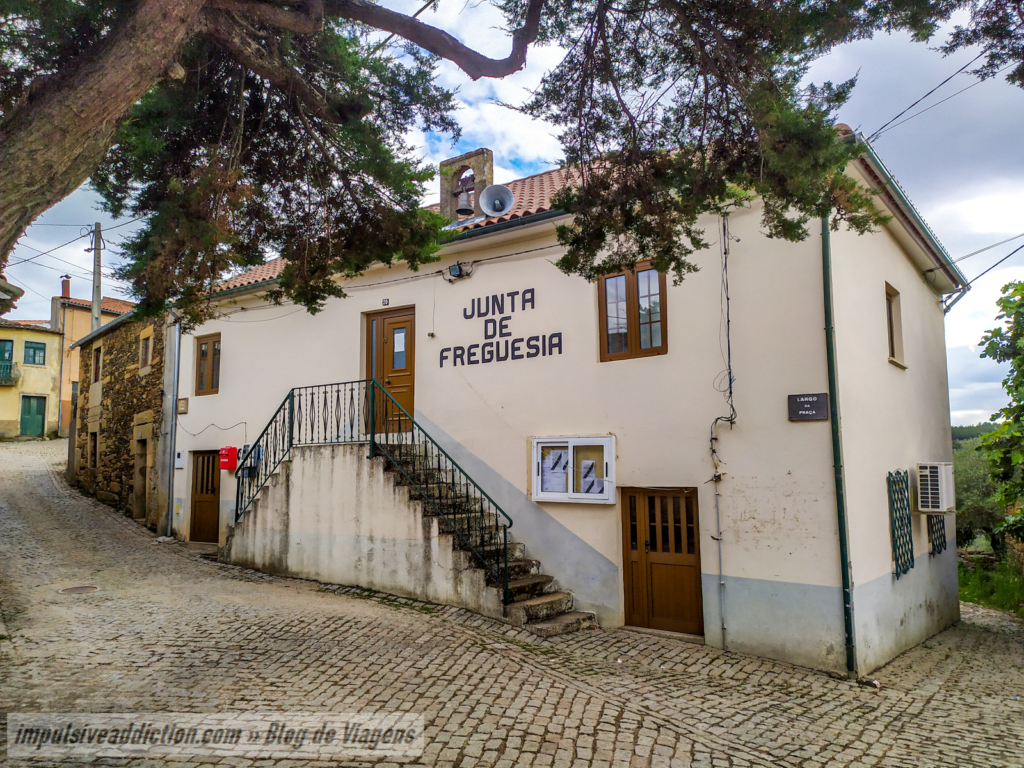
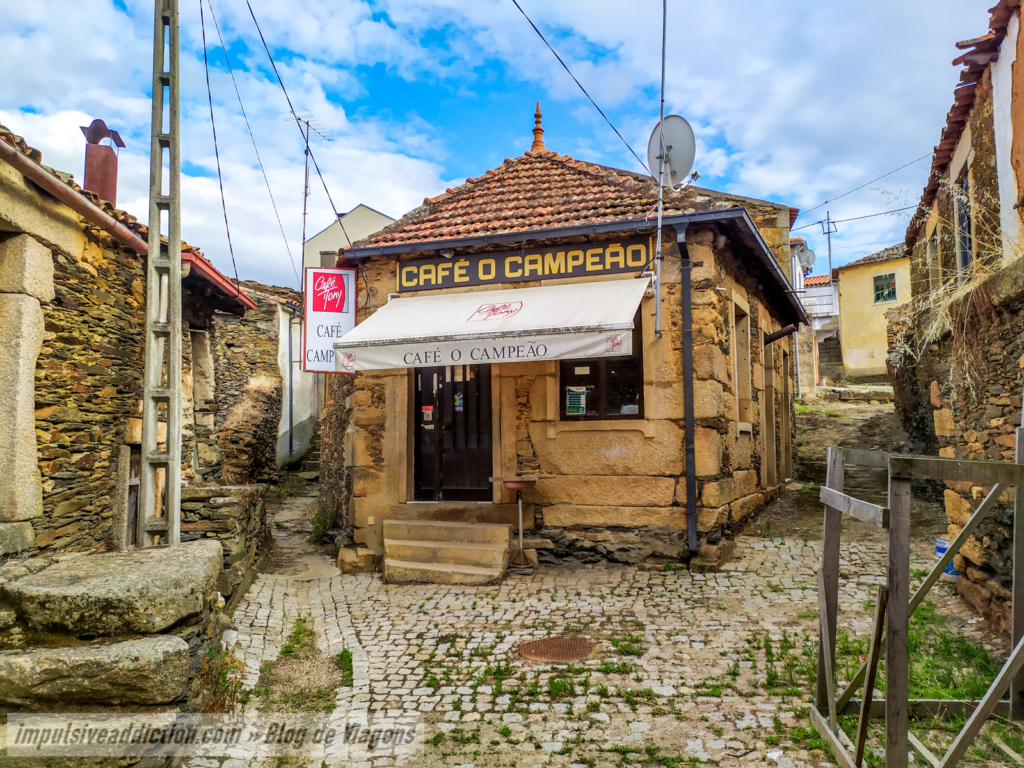
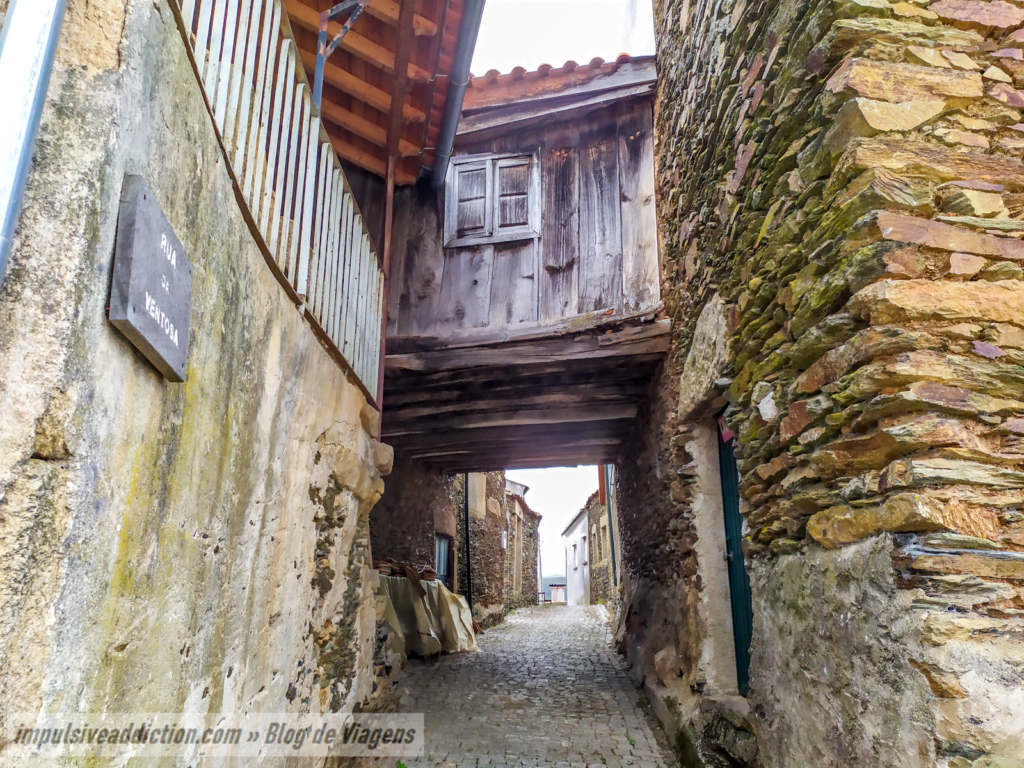
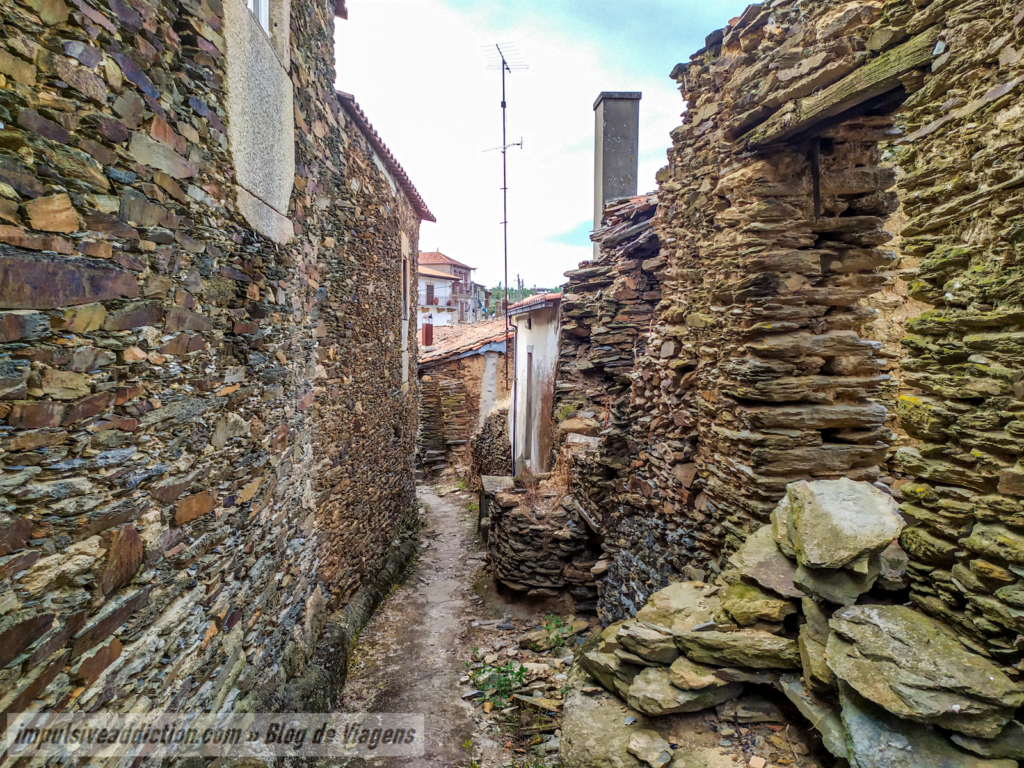
I visited the village of Mós in greater detail. Once an independent municipality in Portugal, it still preserves some interesting heritage to discover. For example, it once had a castle, of which part of the medieval walls remain today. Next to the Church of Mós, I recommend checking out the castle model, which shows how it looked in the past.
I also passed by the pillory, the Romanesque fountain, and the old jail—which the locals were eager to point out to me!
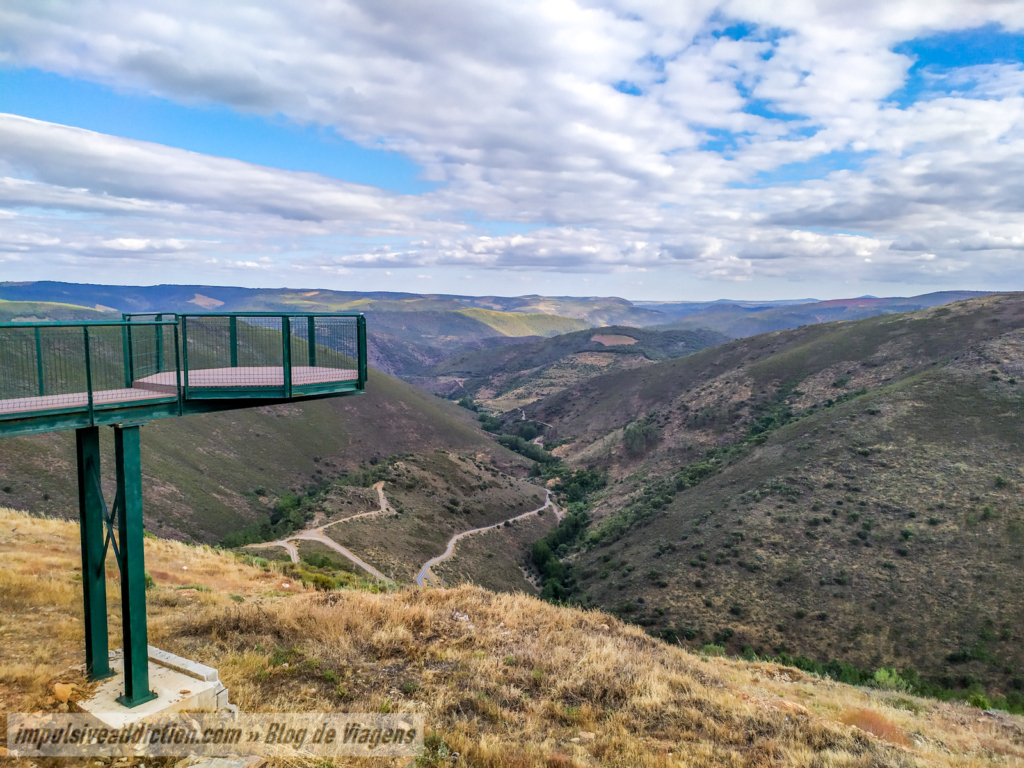
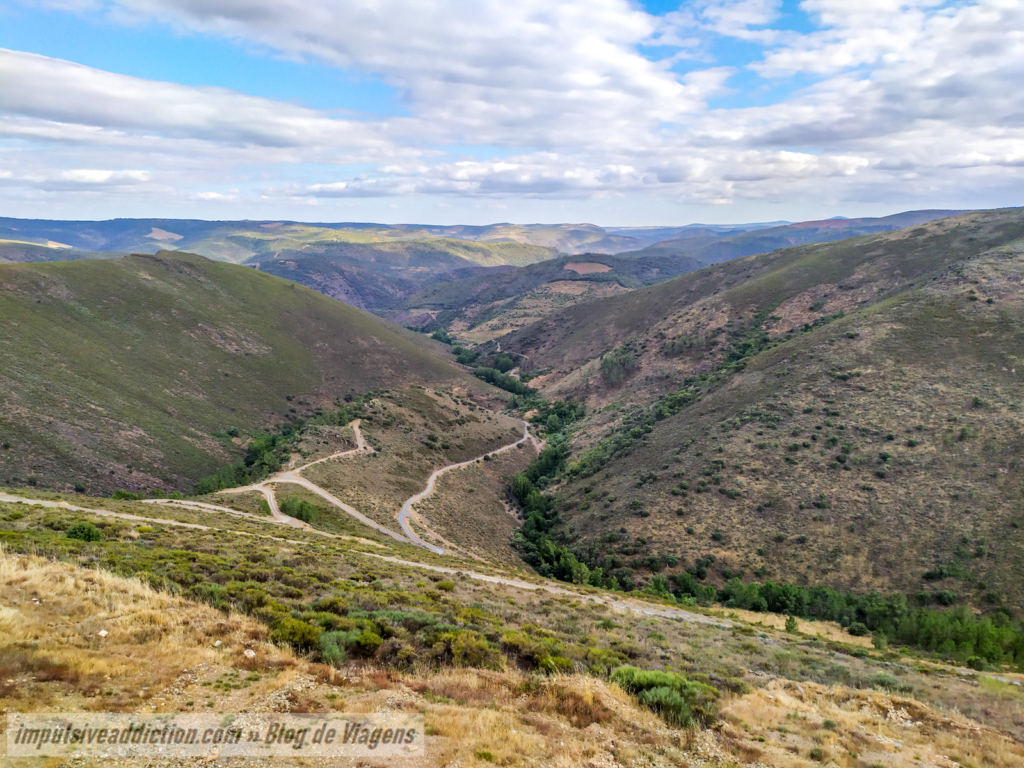
Finally, I went up to the Santa Bárbara Viewpoint, offering a beautiful view over the Mós stream valley.
Sabor Ecotrail and Other Hiking Routes in Moncorvo
To wrap up this itinerary, here’s some extra information about the hiking trails in Torre de Moncorvo. I’ve already mentioned a few throughout this article, but there are many more to explore.
One of the highlights is the Sabor Ecotrail, a 34 km route stretching from Pocinho to Carviçais, following the path of the former railway line along the north bank of the Douro. It’s a pleasant and scenic walk (or bike ride!) at any time of the year.
In addition to those already mentioned, here are some more:
- Fragas Route (Rota da Fragas), starting in Maçores.
- Almond Trees Route (Rota das Amendoeiras), starting in Açoreira.
- Mills Route (Rota dos Moinhos), starting in Martim Tirado.
- Cherry Trees Route (Rota dos Cerieiros), starting in Felgueiras.
- Maias Route (Rota das Maias), starting in Cabeça de Mouro.
What to Visit Near Torre de Moncorvo?
When you’re in Torre de Moncorvo, it can be hard to decide where to go next—there are so many amazing places nearby!
- How about following the entire Sabor Lakes itinerary?
- Or heading towards the Douro International Natural Park?
- Or even starting a road trip along the iconic N222, from Vila Nova de Foz Côa all the way to Vila Nova de Gaia?
And speaking of Vila Nova de Foz Côa, you can also visit the world-famous Côa Valley Rock Art, a UNESCO World Heritage Site.
1. Visit Vila Flor
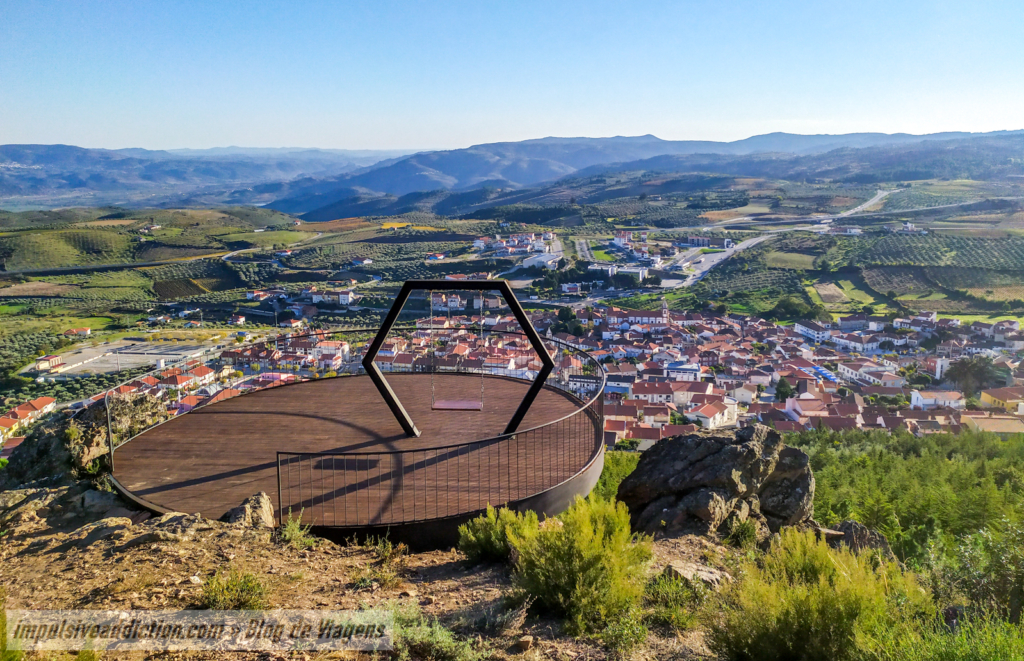
Vila Flor is a charming little town, known for its historic center filled with granite manor houses, chapels, and old fountains. Among the highlights are the D. Dinis Arch, the Manueline pillory, and the Parish Church of Saint Bartholomew, with its richly decorated altarpieces of great artistic value.
Strolling through the quiet streets of Vila Flor feels like immersing yourself in the simplicity of Trás-os-Montes traditions, where time seems to move more slowly.
Another must-see is the Berta Cabral Municipal Museum, housed in a 13th-century medieval manor. Its collection includes archaeology, painting, ethnography, and sacred art, reflecting centuries of local history and culture.
2. Visit Mogadouro
Mogadouro is a historic town located on the Miranda Plateau, very close to the Douro International Natural Park. Its medieval castle dominates the landscape and recalls the defensive importance of this land during the Middle Ages. The Parish Church, the Manueline pillory, and the Convent of Saint Francis complete the architectural heritage that highlights the town’s historical relevance over the centuries.
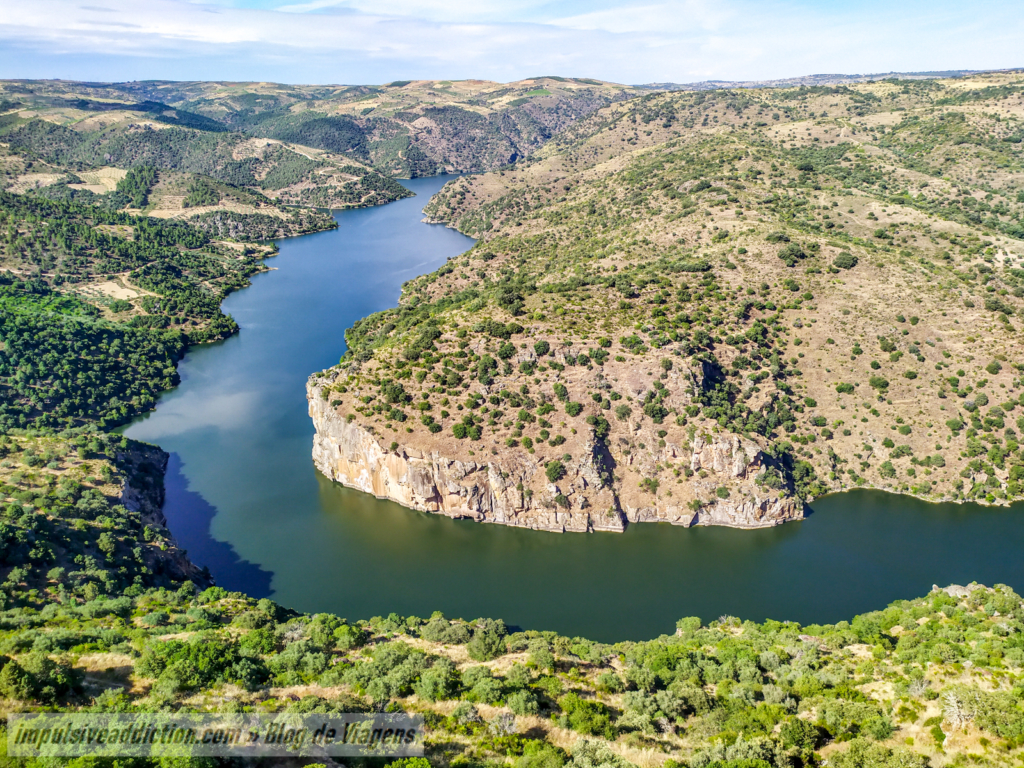
But Mogadouro is also synonymous with natural landscapes. The municipality offers several viewpoints overlooking the Douro River and its tributaries, such as the famous Fraga do Puio in Picote, where you can admire an impressive U-shaped meander of the river. It’s an ideal destination for those who enjoy hiking, cycling, or simply contemplating the dramatic cliffs rising steeply above the water.
3. Visit Freixo de Espada à Cinta
Known as “the most Manueline town in Portugal”, Freixo de Espada à Cinta stands out for the remarkable number of Manueline-style windows and doorways scattered throughout its historic center. The medieval castle with its heptagonal tower and the Parish Church of Saint Michael are must-see stops when visiting this charming town.
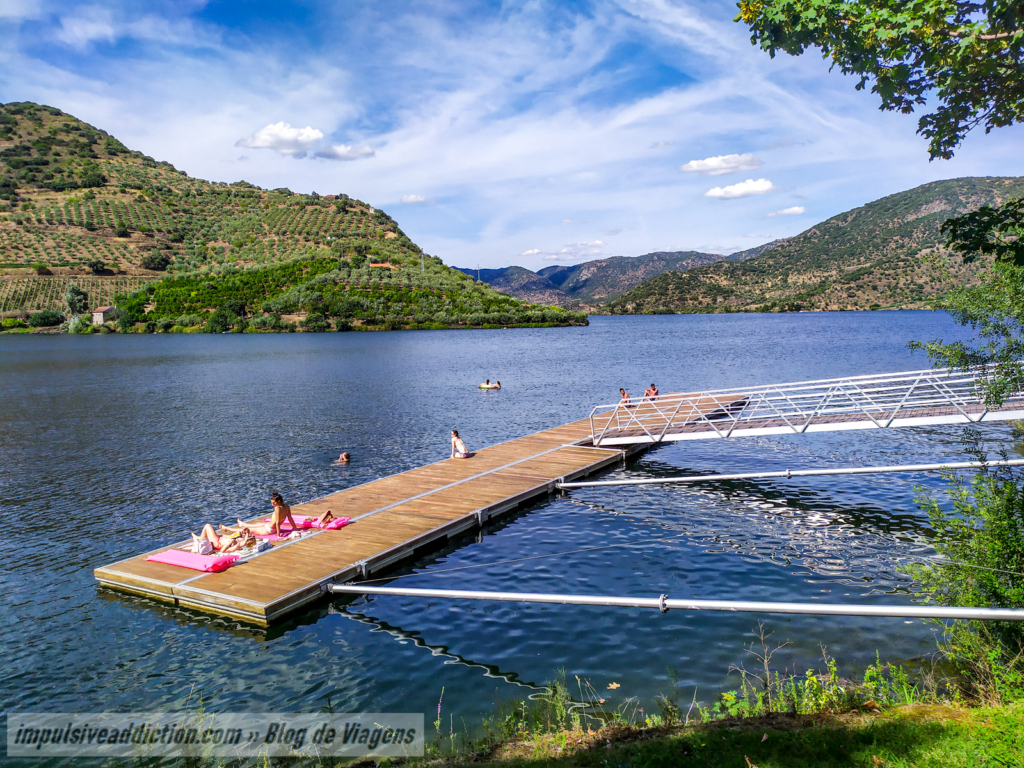
The surrounding natural scenery is equally rich: the banks of the Douro River offer breathtaking landscapes and river beaches such as Congida, where you can swim, take boat trips, or simply relax by the water. For archaeology enthusiasts, the Mazouco rock engravings provide a fascinating glimpse into human presence dating back to prehistoric times.
4. Visit Carrazeda de Ansiães
Carrazeda de Ansiães is home to one of the most imposing medieval castles in Trás-os-Montes: the Castle of Ansiães, classified as a National Monument. In the historic center, you can still find remains of the old walls, along with churches and manor houses, which showcase the importance of this once-fortified town.
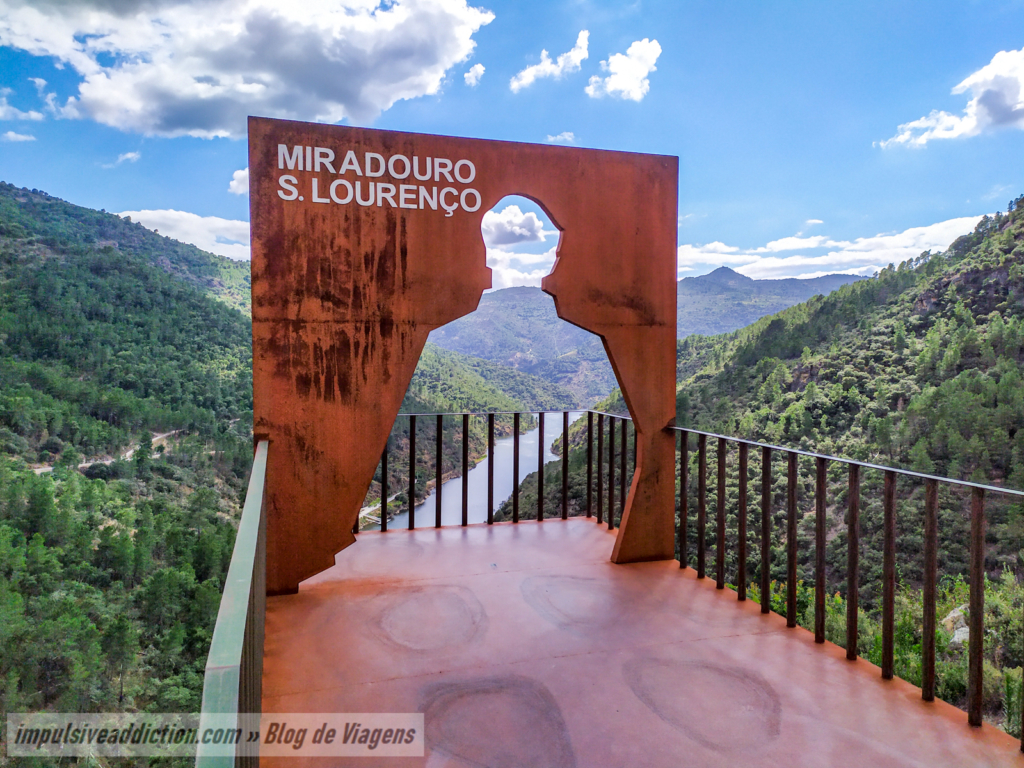
But this municipality is also a destination for nature lovers. The “Olhos do Tua” Viewpoint offers a magnificent panorama over the rugged Tua River valley, while local museums dedicated to wine, olive oil, and rural lifecomplement the experience, providing a well-rounded perspective of the region’s cultural identity.
5. Visit Vila Nova de Foz Côa
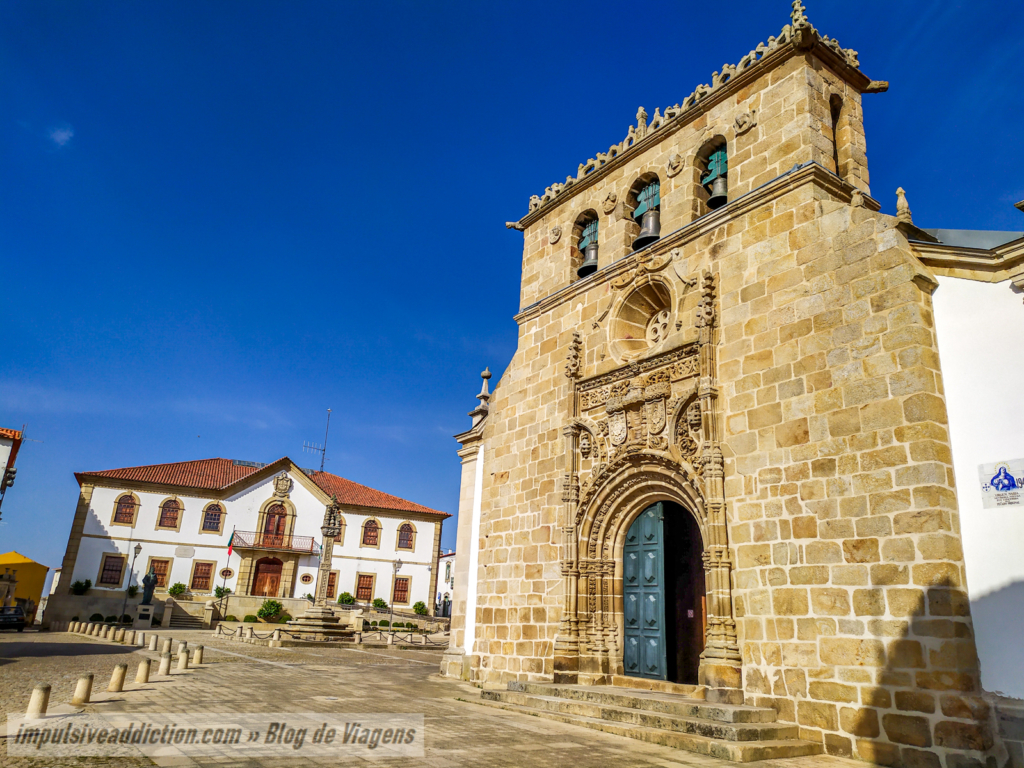
Vila Nova de Foz Côa is world-renowned for the Côa Valley rock engravings, a UNESCO World Heritage Site. The Côa Museum is the perfect starting point to understand this vast legacy of Paleolithic open-air art, considered one of the most important in the world.
But the town has much more to offer. Located in the Upper Douro, it is surrounded by terraced vineyards that produce both Port wine and DOC Douro wines of exceptional quality. Visitors can enjoy wine tastings, boat trips along the Douro River, and scenic hiking trails through breathtaking landscapes.
MORE ARTICLES ABOUT BRAGANÇA DISTRICT:
- Things to do in Vinhais
- Things to do in Bragança
- Things to do in Mirandela
- Things to do in Vimioso
- Things to do in Miranda do Douro
- Things to do in Mogadouro
- Things to do in Torre de Moncorvo
- Things to do in Freixo de Espada à Cinta
- Things to do in Carrazeda de Ansiães
- Things to do in Macedo de Cavaleiros
- Things to do in Vila Flor
- Montesinho Natural Park Itinerary
- Lagos do Sabor Itinerary
- Douro International Natural Park Itinerary
- Tua Valley Itinerary
- Trás-os-Montes Itinerary
